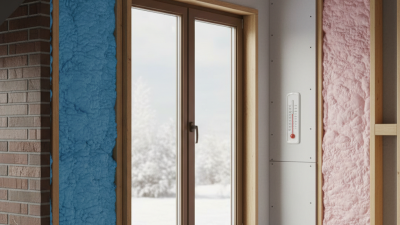
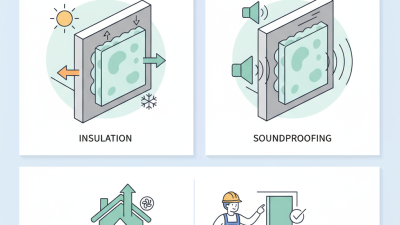
Top 10 Benefits of Acoustic Insulation for Your Home and Office?
In today’s fast-paced world, noise pollution is a growing concern for many. Acoustic insulation presents a valuable solution for homes and offices alike. Renowned acoustic expert Dr. Emily Carter states, "Effective acoustic insulation transforms spaces, providing tranquility in our noisy lives."
Beyond just soundproofing, acoustic insulation enhances overall comfort. It minimizes distractions in workplaces, boosting productivity. For homeowners, it creates serene living spaces, allowing for relaxation and peace. Many overlook its immense benefits until they experience a noisy environment.
While installing acoustic insulation might seem like an added expense, the long-term gains often outweigh the initial costs. However, some may regret not investing sooner when surrounded by unwanted noise. Reflecting on its advantages can lead to better decision-making for future acoustic needs.
Understanding Acoustic Insulation: Definition and Purpose
Acoustic insulation refers to the materials and techniques used to reduce sound transmission in buildings. Its primary purpose is to create quieter environments, whether in homes or offices. According to the Environmental Protection Agency, noise pollution can have adverse health effects, including increased stress and sleep disturbance. Thus, investing in acoustic insulation can significantly enhance your quality of life.
Incorporating acoustic insulation can lead to remarkable improvements. For instance, homes with proper insulation report a noise reduction of up to 45%. This can turn a noisy urban dwelling into a peaceful sanctuary. Even in offices, soundproofing can improve concentration, leading to higher productivity. However, many still overlook the importance of this improvement. Sometimes, residents only realize the value of acoustic insulation after living with constant noise.
Tip: Consider soft furnishings, like rugs and curtains, as an affordable way to reduce sound.
Choosing effective insulation materials is crucial. Foam panels, for example, are great for recording studios, while mineral wool works well in residential settings. Yet, some may find installation challenging. It’s essential to evaluate your space and seek expert advice if needed.
Tip: Test different materials to see what works best for your specific needs. Don't assume one type fits all.
Key Advantages of Acoustic Insulation for Residential Spaces
In today’s fast-paced world, noise pollution is a growing concern. A recent report shows that about 40% of people in urban areas experience significant noise disturbances. This can lead to stress and reduced productivity. Acoustic insulation helps combat these issues by effectively reducing sound transmission.
Residential spaces can particularly benefit from acoustic insulation. It helps create a peaceful environment at home. Studies indicate that proper insulation can lower sound levels by up to 35 decibels. This can make conversations easily understandable, while also minimizing distractions from outdoor noise. Families can enjoy their time together without disruptive sounds from neighbors or traffic.
More importantly, acoustic insulation can also enhance privacy. As urban living spaces get smaller, maintaining personal space becomes crucial. Features like insulated walls and ceilings can transform a noisy apartment into a serene retreat. However, it’s not just about comfort; the investments often pay off. Enhanced soundproofing can increase property values by making homes more attractive to potential buyers. Yet, some homeowners remain skeptical about the costs versus benefits, often leading to missed opportunities for improvement.
Impact of Acoustic Insulation on Workplace Productivity
Noise has a significant impact on workplace productivity. According to a report by the World Health Organization, high noise levels can reduce productivity by up to 66%. Workers in noisy environments often find it hard to concentrate. This leads to increased errors and a lack of motivation. Acoustic insulation can help mitigate these issues.
In offices, acoustic insulation can lower sound transmission. This is vital in open-plan spaces where noise travels easily. Studies show that employees in soundproofed workspaces report a 20% increase in job satisfaction. They also express a stronger sense of well-being. However, some businesses overlook the importance of investing in proper soundproofing. They may choose cheaper options or none at all. This leads to an environment that hinders performance.
Open discussions can become a challenge in noisy settings. Teams struggle to communicate effectively. Conflicts may arise due to misunderstandings caused by distractions. Acoustic insulation can foster better communication. It creates a comfortable atmosphere where ideas flow freely. Ignoring this aspect may impede a company’s long-term success. Investing in acoustic solutions isn’t just about comfort. It’s about enhancing workplace productivity and overall employee health.
Top 10 Benefits of Acoustic Insulation for Your Home and Office
Choosing the Right Acoustic Insulation Materials for Your Needs
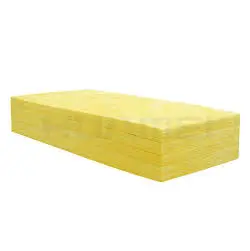
When choosing the right acoustic insulation materials, you should consider several factors. The purpose of insulation is to reduce noise pollution. Materials can range from dense foam to mineral wool or fiberglass. Each option offers varying degrees of sound absorption and noise reduction. It's essential to evaluate where the material will be used.
For instance, office spaces may benefit from sound-absorbing panels that hang from ceilings. Homes might prioritize insulation in walls and floors. Understanding your specific needs is crucial. Measure the areas that require insulation. Check the noise levels, too. It's not just about what you want but also what works best in your situation.
Remember that some materials are easier to install than others. You might face challenges in achieving the desired level of soundproofing. Also, consider the long-term impacts of the materials you choose. Will they stand the test of time? Reflect on these aspects before making a decision.
Top 10 Benefits of Acoustic Insulation for Your Home and Office
| Benefit |
Description |
Recommended Material |
| Noise Reduction |
Minimizes sound transfer between rooms and from outside. |
Mineral Wool, Acoustic Foam |
| Improved Privacy |
Enhances confidentiality in both home and office settings. |
Fiberglass, Soundproofing Panels |
| Increased Comfort |
Creates a more enjoyable and tranquil environment. |
Acoustic Carpets, Ceiling Tiles |
| Energy Efficiency |
Enhances thermal insulation, reducing heating and cooling costs. |
Spray Foam, Rigid Board Insulation |
| Aesthetic Design |
Available in various styles, can complement interior décor. |
Decorative Acoustic Panels |
| Enhanced Focus |
Reduces distractions in work environments. |
Acoustic Wall Panels, Baffles |
| Better Sleep Quality |
Minimizes disturbances from outside noise. |
Soundproofing Curtains, Acoustic Insulation Boards |
| Increased Property Value |
Sound insulation can be a selling point in real estate. |
Various Insulating Materials |
| Health Benefits |
Reduces stress and fatigue caused by noise pollution. |
Acoustic Panels, Wall Insulation |
| Adaptable Applications |
Can be used in various settings from homes to offices and studios. |
Versatile Acoustic Solutions |



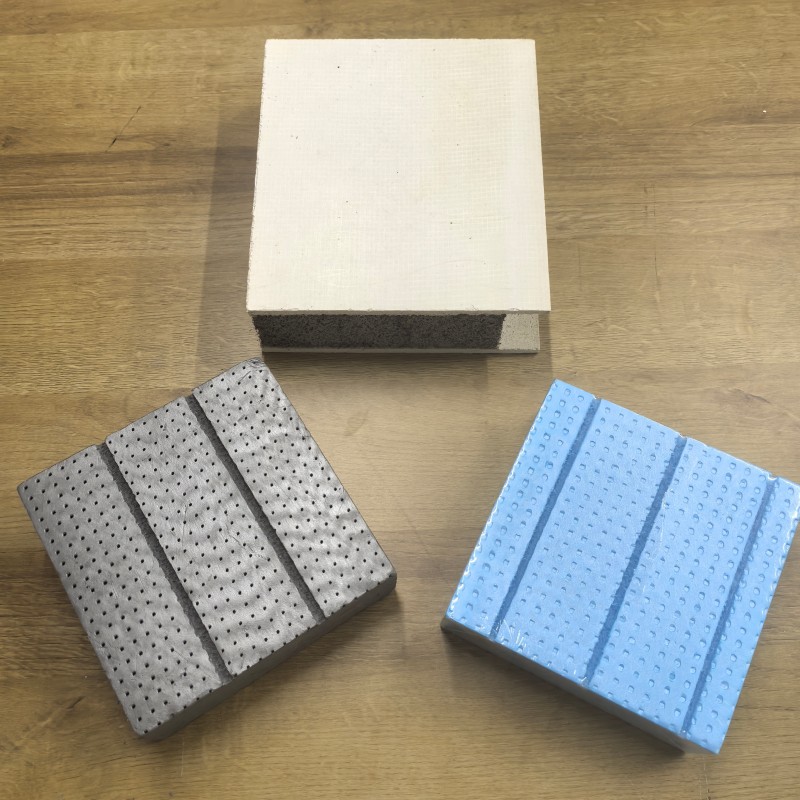 Environmental Building Board
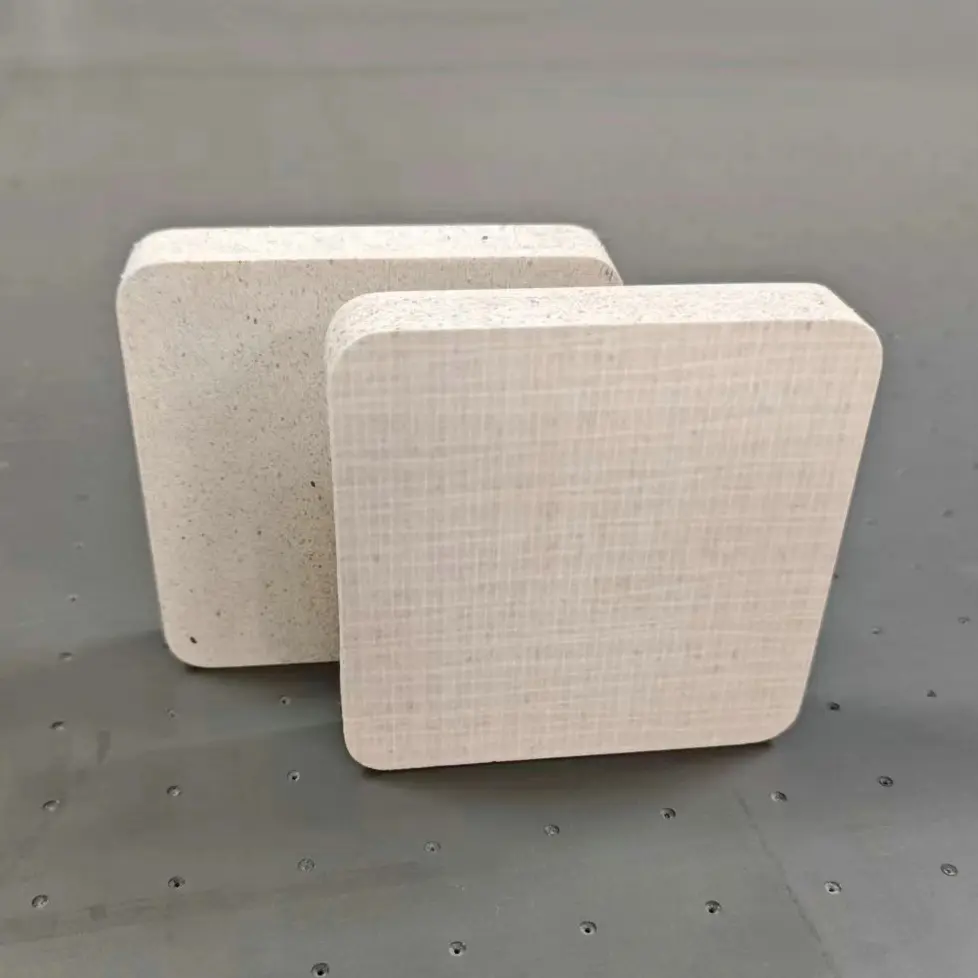 Fire-proof Board
 Sound Resistance
 Termite Resistance