Top Benefits of Using Glass Wool Board for Insulation in Construction?
The construction industry increasingly recognizes the value of Glass Wool Board as an effective insulation material. A recent report from the International Energy Agency highlights that up to 30% of energy loss in buildings can be attributed to inadequate insulation. Glass Wool Board stands out due to its superior thermal performance and sound absorption qualities, offering sustainable solutions to modern construction challenges.
Industry expert Dr. Emily Wright, a leading figure in building materials research, stated, "Glass Wool Board not only enhances energy efficiency but also contributes to indoor air quality." This statement underscores the board’s multifaceted benefits. As energy prices rise, the demand for effective insulation options like Glass Wool Board grows.
Despite its advantages, some may question its long-term durability and environmental impact. There is a need for ongoing research to address these concerns and improve manufacturing processes. Understanding the complexities of using Glass Wool Board is crucial for architects and builders aiming to make informed choices in their projects.
Advantages of Glass Wool Board: Thermal Insulation Efficiency Explained
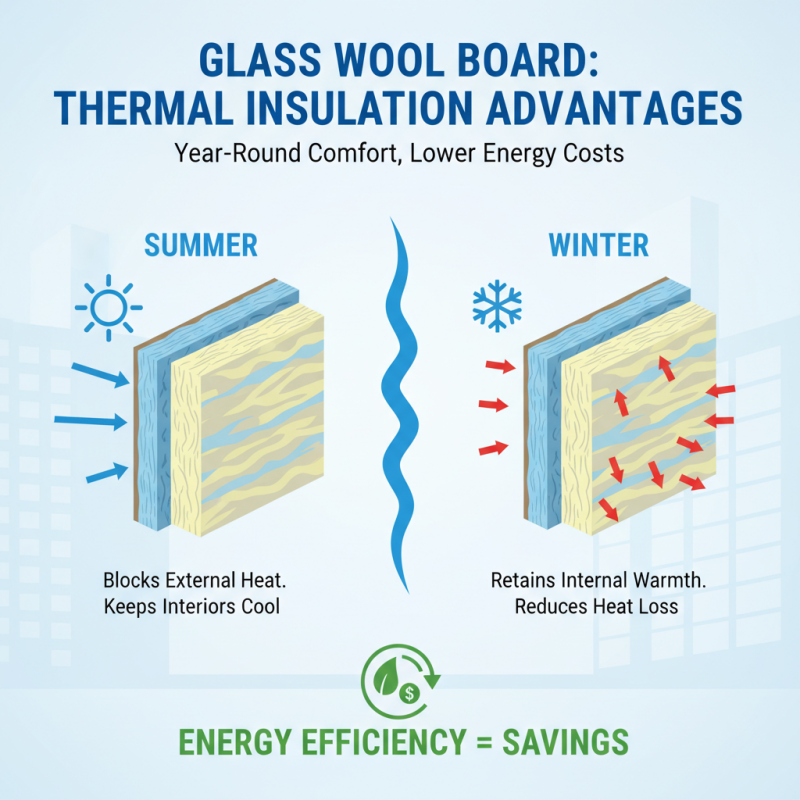
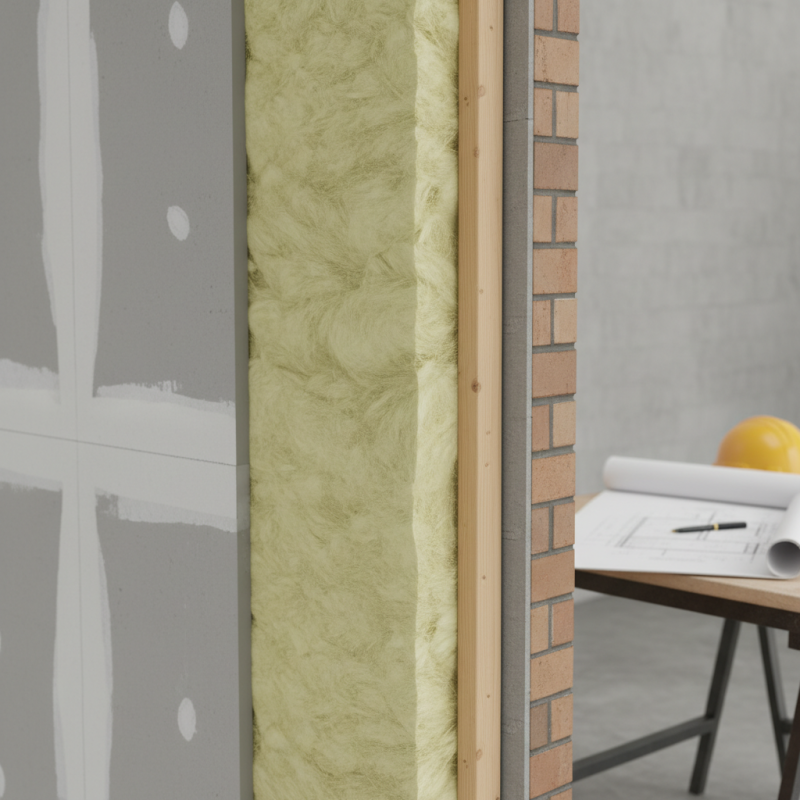
Glass wool board is an effective material for thermal insulation in construction. Its unique composition allows it to trap air, reducing heat transfer significantly. This quality makes it exceptionally efficient during both summer and winter months. Buildings insulated with glass wool remain comfortable year-round, leading to lower energy costs.
Another key advantage of glass wool board is its soundproofing capabilities. The fibers absorb sound, creating a quieter indoor environment. However, some people may find it challenging to install properly. It requires careful handling to avoid skin irritation. Workers should wear protective gear during the installation process.
In addition to energy savings, glass wool board is a versatile option. It can be used in walls, roofs, and floors. This adaptability makes it suitable for various building projects. Nevertheless, the environmental impact of production is a concern for some. Exploring sustainable alternatives might be worthwhile. Overall, glass wool board remains a popular choice for builders seeking reliable insulation.
Sound Absorption Properties: Glass Wool Board in Acoustic Insulation
Glass wool board is a popular choice for acoustic insulation in construction. Its unique structure allows it to effectively absorb sound waves. This property helps reduce noise pollution in various environments, such as offices and residential buildings. The fibrous material minimizes echoes, creating a more pleasant atmosphere.
In practical applications, glass wool boards can be installed in walls, ceilings, and floors. They provide an effective barrier against sound transmission. Many builders appreciate this versatility. However, installation requires careful attention to detail. Mistakes can lead to sound leakage and reduced effectiveness. Proper sealing is crucial for optimal performance.
While glass wool board offers significant acoustic benefits, not all installations are perfect. Variations in density and thickness can impact sound absorption. It's important to select the right type based on specific needs. Regular evaluations can uncover potential issues. These insights guide improvements for future projects. Balancing performance and cost is vital for achieving the best results.
Top Benefits of Using Glass Wool Board for Insulation in Construction - Sound Absorption Properties
| Benefit |
Description |
Impact Level |
| Sound Absorption |
Effectively reduces noise levels in buildings by absorbing sound waves. |
High |
| Thermal Insulation |
Provides excellent thermal resistance, keeping buildings warm in winter and cool in summer. |
High |
| Fire Resistance |
Inherently non-combustible, adds safety to construction projects. |
Medium |
| Lightweight |
Easier to handle and install compared to other insulation materials. |
Medium |
| Moisture Resistance |
Does not absorb water, helping to prevent mold growth and decay. |
High |
Fire Resistance of Glass Wool Board: Safety Standards and Certifications
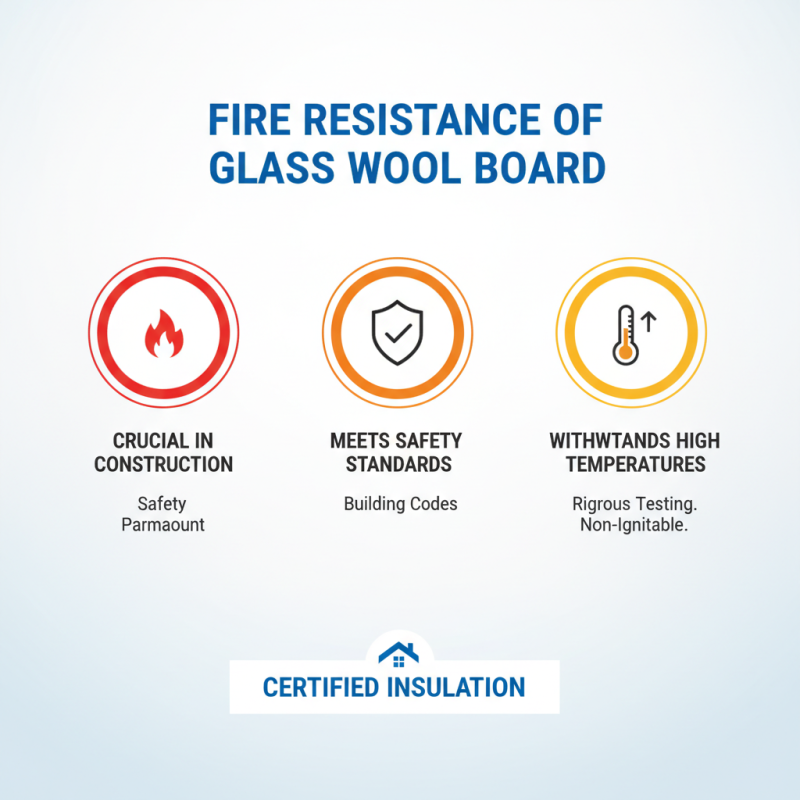
Glass wool board is gaining attention for its insulation properties. A key feature is its fire resistance. This attribute is crucial in construction, as safety is paramount. Building codes often require materials to meet specific fire safety standards. Glass wool boards are subjected to rigorous testing, ensuring they can withstand high temperatures without igniting.
The safety certifications for glass wool boards highlight their reliability. These certifications indicate compliance with industry standards. They reflect the material's ability to reduce the spread of flames. This quality enhances overall building safety. While the fire resistance is impressive, it's important to remember that it is just one aspect. Proper installation and maintenance are equally vital.
Many builders appreciate the soundproofing qualities of glass wool boards. However, some may overlook the need for proper sealing. Gaps can compromise both thermal and fire performance. Therefore, attention to detail during installation cannot be overstated. It's a reminder that the effectiveness of any insulation material largely depends on the execution.
Sustainability Aspect: Recyclability and Environmental Impact of Glass Wool
Glass wool offers an effective insulation solution while also bringing significant sustainability benefits. Made from recycled glass, it contributes to resource conservation. Approximately 70% of its raw materials come from post-consumer and industrial glass. This reduces waste and lessens the need for virgin materials.
Moreover, glass wool is fully recyclable. After its lifecycle, it can be reclaimed and reused. This aspect makes it favorable in eco-friendly building practices. In contrast, traditional insulation materials may end up in landfills. Many homeowners and builders might overlook these benefits when selecting insulation materials.
The environmental impact is another critical factor. When compared to other insulating options, glass wool has a lower carbon footprint. However, some people express concerns about its dust and irritation potential. Proper handling and installation are crucial to minimize these risks. Reflecting on the balance of benefits and potential drawbacks can lead to more informed choices in construction.
Cost-Effectiveness: Economic Benefits of Glass Wool in Construction Projects
Glass wool board is increasingly being recognized for its cost-effectiveness in construction projects. This insulation material offers a range of economic benefits that can help architects and builders stay within budget. The initial cost of glass wool is relatively low compared to other insulation materials. However, the savings extend beyond initial expenses.
Using glass wool can lead to significant reductions in energy costs. Its excellent thermal performance keeps buildings warm in winter and cool in summer. This reduces the need for heating and cooling systems, which saves money over time. Energy-efficient buildings are not only appealing to owners but also to tenants seeking lower utility bills.
Despite its advantages, there are some challenges to consider. Installation requires trained professionals to ensure effectiveness. Improper installation could lead to thermal bridges or moisture issues. It's vital to weigh these factors against long-term benefits. Ultimately, glass wool board stands out as a smart economical choice in construction when used correctly.
Top Benefits of Using Glass Wool Board for Insulation in Construction



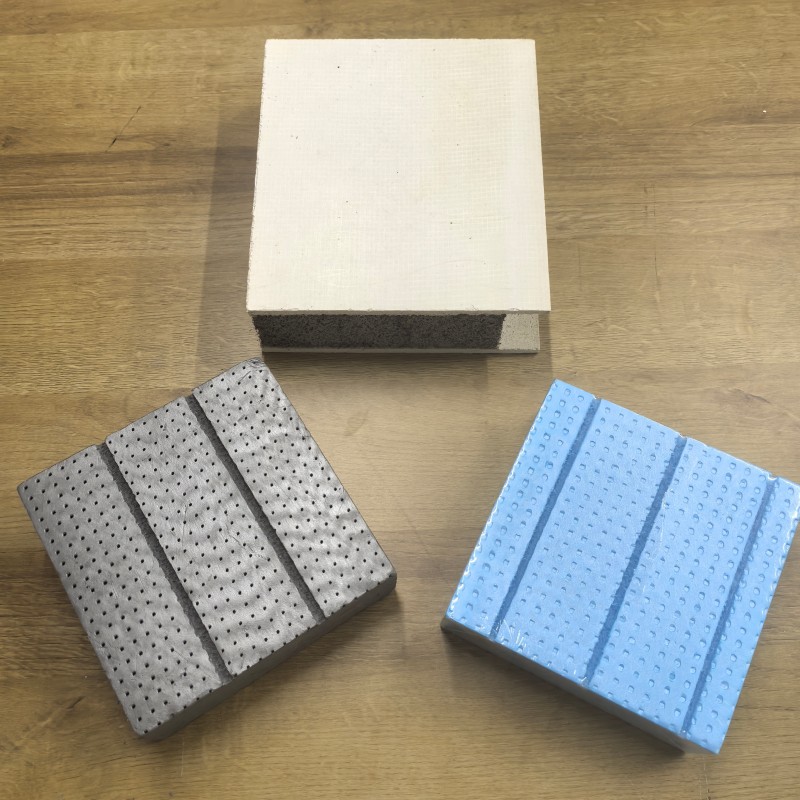 Environmental Building Board
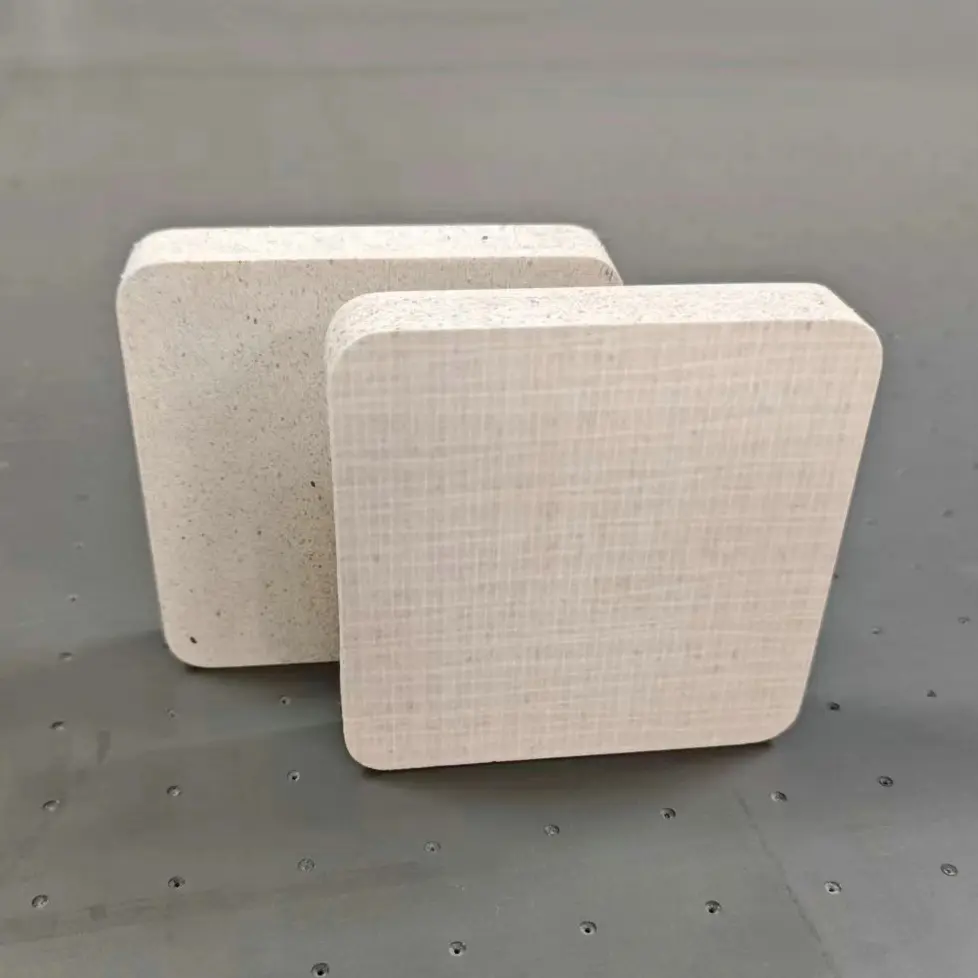 Fire-proof Board
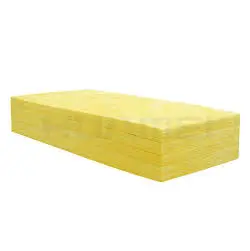 Sound Resistance
 Termite Resistance