Top 5 Benefits of High-Density Mgo Board for Your Projects?
High-Density Mgo Board is transforming the construction industry. Many professionals are realizing its potential benefits in various projects. Its strength and durability make it a preferred choice for diverse applications.
One significant advantage of High-Density Mgo Board is its fire resistance. This property enhances safety, especially in buildings. Additionally, it offers excellent moisture resistance, making it suitable for humid environments. However, some users find it challenging to cut precisely, which can lead to waste.
The board's lightweight nature is another appealing feature. This makes transportation easier and reduces labor costs. On the downside, not all contractors are familiar with installing High-Density Mgo Board correctly. Comprehensive training may be necessary. Ultimately, despite its flaws, the benefits of High-Density Mgo Board can significantly outweigh the challenges. It is essential to understand these aspects when considering it for your next project.
Overview of High-Density Mgo Board and Its Composition
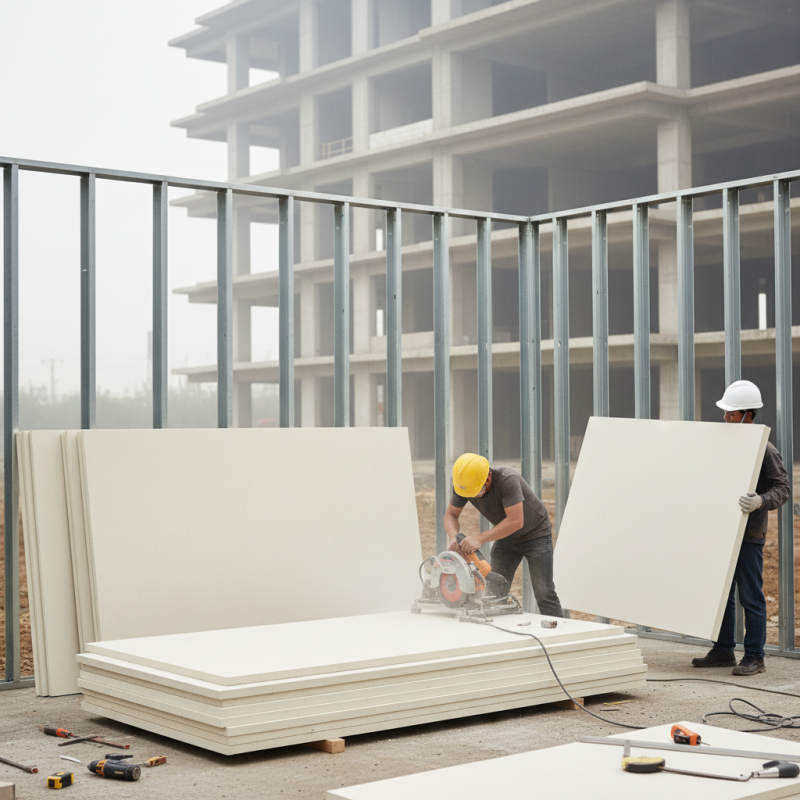
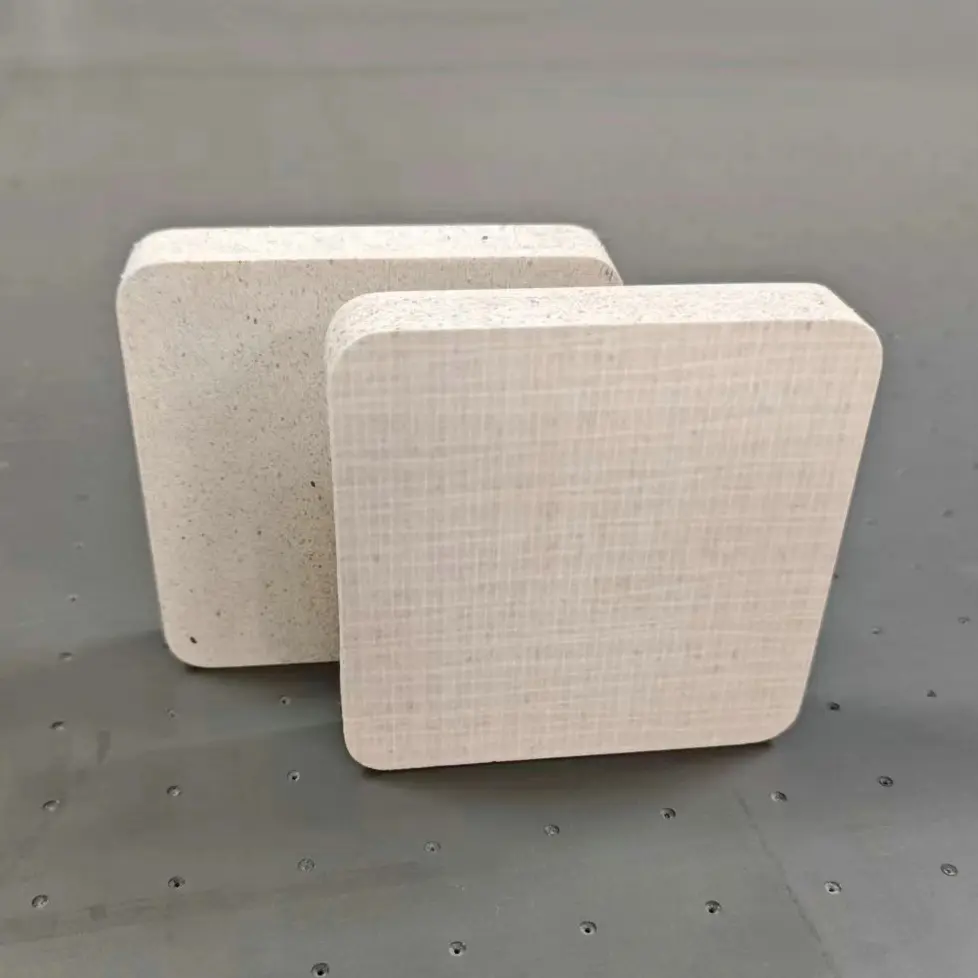
High-density Mgo board, composed mainly of magnesium oxide, offers unique advantages for various construction projects. This innovative material consists of a blend of magnesium oxide, magnesium chloride, and additives. Its robust structure lends it excellent durability and fire resistance. According to construction industry reports, this board can withstand high temperatures, outperforming traditional materials in critical situations.
It's interesting to note that high-density Mgo boards are lightweight yet strong. This characteristic can significantly reduce transportation costs. Projects using Mgo boards have reported a 20% decrease in labor costs due to easier handling and installation. The moisture resistance of Mgo boards helps prevent mold growth, a common issue in construction.
Tips: Always verify the board’s thickness at the site. Variations can affect the overall performance. Furthermore, pay close attention to the quality of the coatings used. Low-grade materials can compromise the board's integrity. High-density Mgo boards can redefine efficiency in construction, yet their application requires careful consideration. Balancing performance and cost is crucial for successful project outcomes.
Top 5 Benefits of High-Density Mgo Board for Your Projects
Enhanced Durability and Strength Compared to Traditional Materials
High-density magnesium oxide (Mgo) board stands out for its impressive strength and resilience. Compared to traditional materials, Mgo board offers remarkable durability. It resists moisture, fire, and pests, making it a reliable choice for various construction projects. Unlike wood or drywall, Mgo board doesn’t warp easily. This can save time and resources on repairs or replacements.
In today's construction landscape, strength matters. Mgo board can withstand significant pressure and impact, which enhances its lifespan. It’s often used in environments where traditional materials might fail. However, some may find it challenging to cut or install. This requires special tools and techniques. Proper knowledge is essential for optimal results. Even experienced builders may face difficulties.
Mgo board also contains eco-friendly properties. This aspect attracts environmentally-conscious projects. Still, debates about its sourcing and production exist. It's essential to weigh these factors when selecting materials. In conclusion, high-density Mgo board is a strong contender for modern construction, offering unique benefits that demand careful consideration.
Fire Resistance Properties of High-Density Mgo Board
High-density MgO board is gaining attention for its impressive fire resistance properties. This material can withstand high temperatures without compromising its structural integrity. In construction, safety is paramount. MgO board helps protect lives and property by minimizing fire risks. It does not emit toxic fumes when exposed to flame, which is a significant advantage.
Using high-density MgO board can offer peace of mind. It is suitable for various applications, including walls, ceilings, and floors. In building design, many overlook fire resistance as a critical factor. This can lead to costly mistakes in the long run. Choosing the right materials early can save time and resources later. While MgO board is not immune to challenges, its benefits are clear. It requires careful installation and consideration for best results.
Overall, the fire resistance of high-density MgO board is vital for contemporary projects. Its ability to endure extreme conditions makes it a smart choice for builders. Attention to detail during installation can enhance its effectiveness. It’s essential to evaluate your specific project needs carefully. Building responsibly starts with the right material.
Environmental Benefits and Sustainability of Mgo Board
High-density magnesium oxide (MgO) board is gaining attention for its environmental benefits. As construction seeks sustainable materials, MgO board emerges as a leading contender. It boasts a low carbon footprint, reducing greenhouse gas emissions during production. A study by the Green Building Council highlighted that using MgO board can cut carbon emissions by up to 40% compared to traditional materials.
The use of MgO board contributes significantly to waste reduction. Many MgO boards are made from recycled materials, minimizing landfill contributions. Reports indicate that around 75% of MgO board's components can be recycled after their life cycle ends. This aspect positions MgO boards as a crucial part of circular economy initiatives, promoting sustainability.
Additionally, MgO board exhibits excellent thermal and acoustic insulation properties. These qualities can lead to lower energy consumption in buildings. A building constructed with MgO board may use 30% less energy for heating and cooling. However, some concerns regarding its availability and production processes linger. Ensuring a steady supply while maintaining sustainability can be challenging.
Top 5 Benefits of High-Density Mgo Board for Your Projects
| Benefit |
Description |
Environmental Impact |
| Sustainability |
Composed of natural minerals, Mgo boards are eco-friendly and biodegradable. |
Lower carbon footprint during production compared to traditional materials. |
| Fire Resistance |
Offers superior fire-resistant properties, enhancing building safety. |
Helps reduce fire hazards, promoting safer environments. |
| Moisture Resistance |
Resists mold and mildew, making it suitable for wet environments. |
Reduced use of chemical treatments for moisture resistance, leading to less pollution. |
| Thermal Performance |
Excellent thermal insulation properties contribute to energy efficiency. |
Lower energy consumption in buildings, reducing greenhouse gas emissions. |
| Ease of Use |
Lightweight and easy to install, saving time and labor costs. |
Less waste generated from installation processes, contributing to sustainability. |
Versatility of High-Density Mgo Board in Various Applications
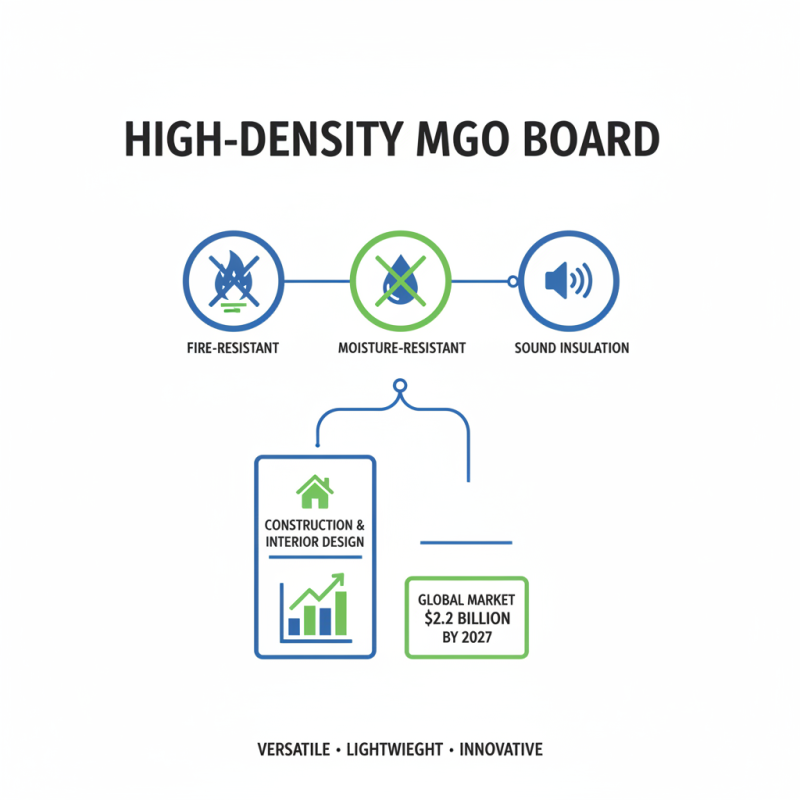
High-density MgO board is gaining popularity due to its impressive versatility in various applications. This lightweight material excels in construction and interior design. It is fire-resistant, moisture-resistant, and offers excellent sound insulation. Reports show that the global MgO board market is projected to reach $2.2 billion by 2027, reflecting a growing interest in this innovative material.
In residential settings, high-density MgO boards are becoming essential for walls and ceilings. They serve as robust underlayment for flooring systems too. Many builders appreciate the ease of installation. However, some find the learning curve challenging. Precise cutting and handling are crucial for optimal results. Mistakes can lead to protracted timelines and increased costs.
Commercial applications also leverage the power of high-density MgO boards. They are often used in office buildings and retail spaces. Their durability allows for adaptability in design. Yet, some projects may struggle with sourcing quality boards. Accessibility remains a concern for many contractors. The solution lies in educating teams on the best practices for using this versatile material efficiently.



 Environmental Building Board
 Fire-proof Board
 Sound Resistance
 Termite Resistance