Best Acoustic Insulation Solutions for Global Suppliers?
In today's world, effective Acoustic Insulation solutions are essential for various industries. Noise pollution impacts health and productivity. Manufacturers and suppliers must prioritize high-quality materials. This is vital for creating peaceful environments.
Companies are constantly searching for innovative techniques. They want to ensure comfort in residential and commercial spaces. However, selecting the right Acoustic Insulation can be challenging. Many products claim effectiveness, but results vary. Understanding material properties is crucial.
The global market for Acoustic Insulation is expanding. Yet, not all suppliers meet industry standards. Buyers must do thorough research. Assessing a supplier's reputation can guide decisions. Companies must also consider cost versus performance carefully. In this landscape, expertise becomes invaluable.
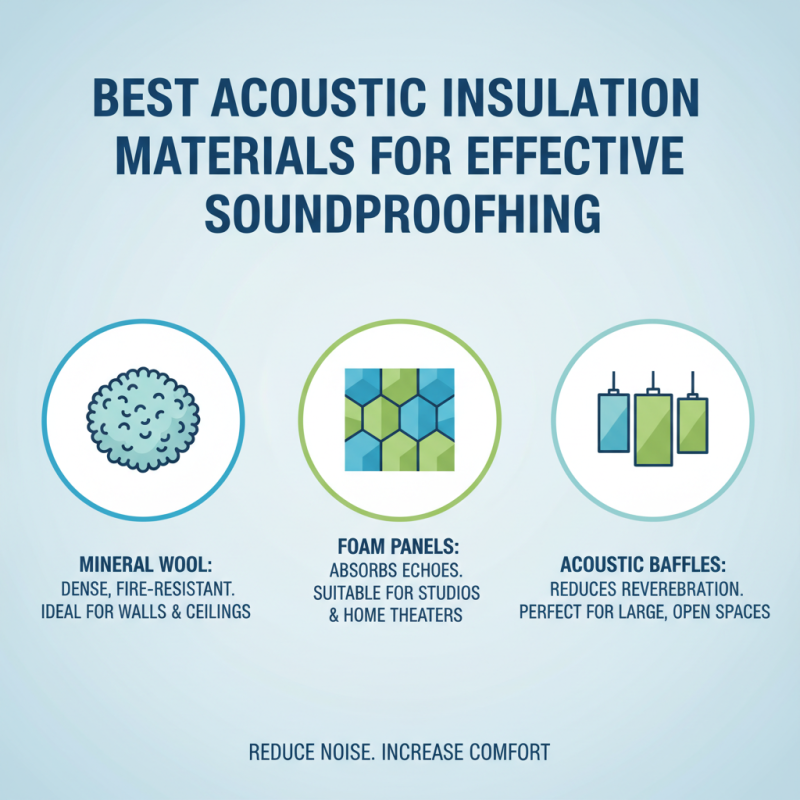
Best Acoustic Insulation Materials for Effective Soundproofing
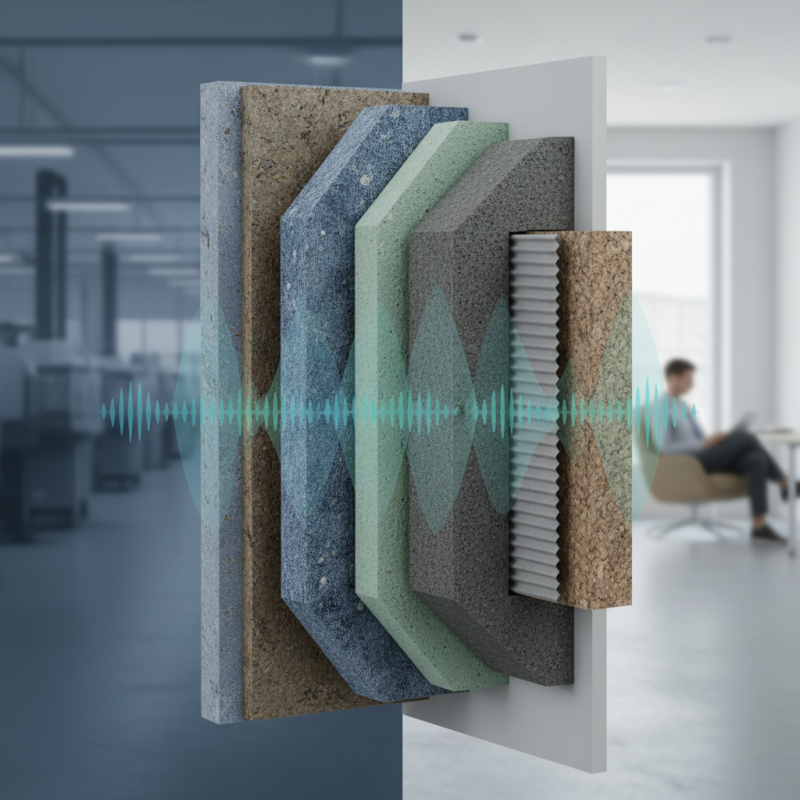
Acoustic insulation materials play a crucial role in soundproofing. These materials can significantly reduce noise pollution in various environments. Common options include mineral wool, foam panels, and acoustic baffles. Each material serves a distinct purpose, providing unique benefits depending on the application.
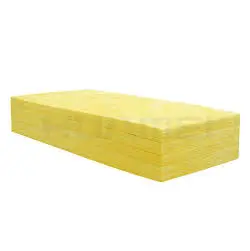
Mineral wool is known for its excellent sound-absorbing properties. It is often used in walls and ceilings. Foam panels, on the other hand, are lightweight and easy to install. They are ideal for home theaters or studios. Acoustic baffles, which hang from ceilings, can effectively control echoes in large spaces. Choosing the right material requires an understanding of the specific acoustic needs of a space.
It's important to acknowledge that not every solution fits every situation. Often, a combination of materials yields the best results. Cost and installation complexity can also impact choices. Regular evaluations are necessary to assess the effectiveness of your chosen insulation. As soundproofing needs evolve, being open to changes is vital for achieving optimal results.
Evaluating Acoustic Insulation Performance Metrics and Standards
Acoustic insulation is crucial for reducing noise pollution in various environments. Metrics such as Noise Reduction Coefficient (NRC) and Sound Transmission Class (STC) help evaluate performance. Reports suggest that materials with an NRC rating above 0.70 are effective in absorbing sound in spaces like offices and studios.
Choosing the right acoustic insulation involves understanding specific performance standards. The International Organization for Standardization (ISO) provides guidelines that can help manufacturers ensure compliance. For instance, achieving STC ratings above 50 is often required for walls in residential buildings. Despite these standards, many organizations struggle with achieving optimal acoustic performance.
In real-world applications, the complexity of sound waves and material interactions can lead to unexpected results. Inconsistencies may arise, especially in older buildings where insulation placement can be challenging. Observing the discrepancies between expected and actual performance is essential. Regular audits of acoustic properties can provide insights into improving insulation solutions.
Top Global Suppliers of Acoustic Insulation Products
When considering acoustic insulation products, the suppliers play a crucial role in achieving effective soundproofing. Various global suppliers specialize in materials like foam panels, mineral wool, and mass-loaded vinyl. Each material has unique properties, making it essential to select the right one based on specific needs.
Many suppliers provide extensive technical resources and customer support. This helps professionals understand the best applications for different products. However, not all suppliers offer the same level of expertise. It is important to research their credentials and experience. Some suppliers may have limited experience with particular acoustic challenges, which can lead to suboptimal solutions.
Assessing product testing and certifications is also vital. Many companies claim superior performance, yet not all have third-party validation. Prospective buyers should request data sheets and test results. This enhances confidence in the supplier's claims. Ultimately, choosing the right acoustic insulation requires careful consideration of supplier reliability, product quality, and support services. Be mindful of these factors to make informed decisions for your acoustic needs.
Top Acoustic Insulation Products by Performance Rating
Innovative Technologies in Acoustic Insulation Solutions
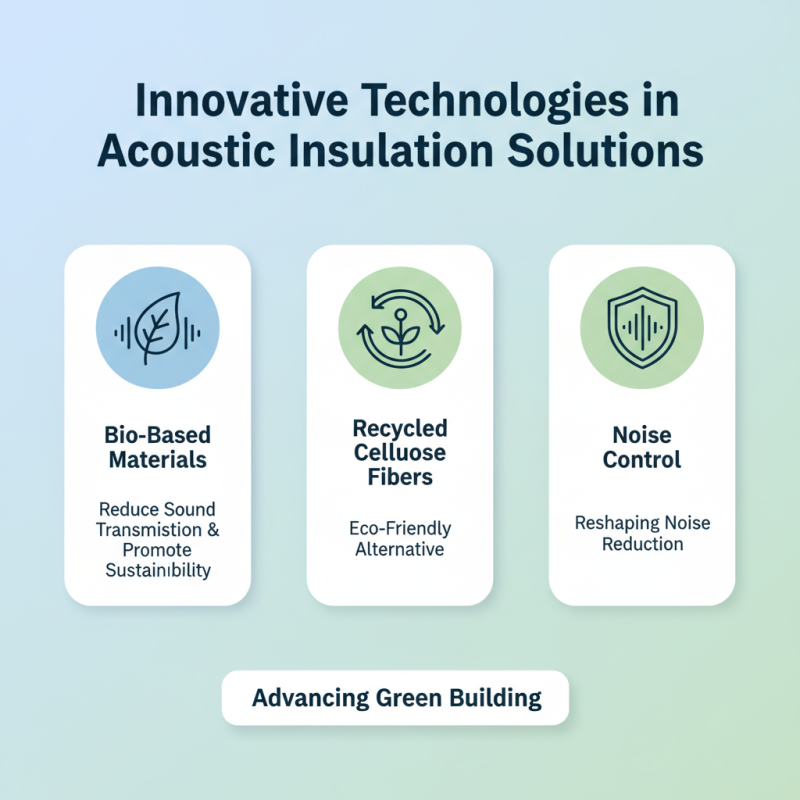
Innovative technologies in acoustic insulation are reshaping how we address noise control. One exciting development is the use of bio-based materials. These materials not only reduce sound transmission but also promote sustainability. For example, products made from recycled cellulose fibers offer an eco-friendly alternative to traditional insulation materials.
Advanced manufacturing techniques like 3D printing are also making waves. This technology allows for custom shapes and designs that fit unique spaces effectively. The precision of 3D printing can enhance soundproofing capabilities. Additionally, these techniques often result in less waste during production. However, the cost and scalability of these technologies still need evaluation.
Another area worth exploring is the integration of smart technologies in acoustic solutions. Smart sensors can monitor noise levels in real-time, providing data for optimal insulation adjustments. This offers a proactive approach to managing sound. Yet, the reliance on technology raises questions about accessibility and affordability for consumers. Are these innovations creating barriers instead of solutions? The conversation must continue as we strive for effective and inclusive acoustic solutions.
Cost Considerations for Acoustic Insulation Installation and Maintenance
When considering acoustic insulation, cost is a crucial factor. Installation expenses can vary widely. The materials used, labor costs, and the project's size all influence the final price. Acoustic panels, for instance, may appear costly but can yield significant long-term benefits. These panels effectively reduce noise pollution, enhancing comfort in various environments.
Maintenance costs also warrant attention. Over time, insulation materials can degrade, necessitating replacement or repairs. Regular inspections can help identify issues early. However, not all property owners prioritize this. Failure to maintain insulation can lead to escalating noise problems, ultimately costing more in the long run.
It's important to balance quality with budget constraints. While cheaper options are available, they may not perform as expected. Investing in high-quality materials can deliver better soundproofing and durability. Property owners should be aware of hidden costs, such as energy efficiency impacts from poor insulation. Exploring various solutions and gathering expert opinions can lead to better decisions. Careful planning will ultimately aid in achieving effective sound control.
Best Acoustic Insulation Solutions for Global Suppliers
| Solution Type |
Material |
Cost per Square Meter (USD) |
Installation Time (Hours) |
Maintenance Frequency (Years) |
| Acoustic Panels |
Mineral Fiber |
15 |
3 |
5 |
| Soundproof Drywall |
Gypsum |
25 |
5 |
15 |
| Sound Barrier Curtains |
PVC |
20 |
2 |
3 |
| Acoustic Foam |
Polyurethane |
10 |
1 |
7 |
| Insulated Glazing |
Double Glazed |
50 |
4 |
20 |



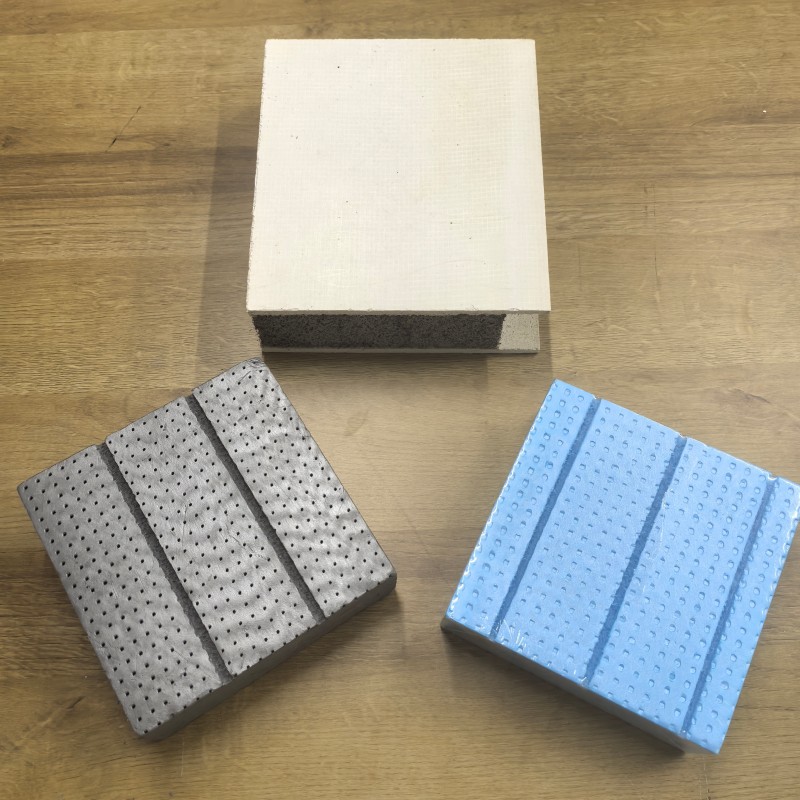 Environmental Building Board
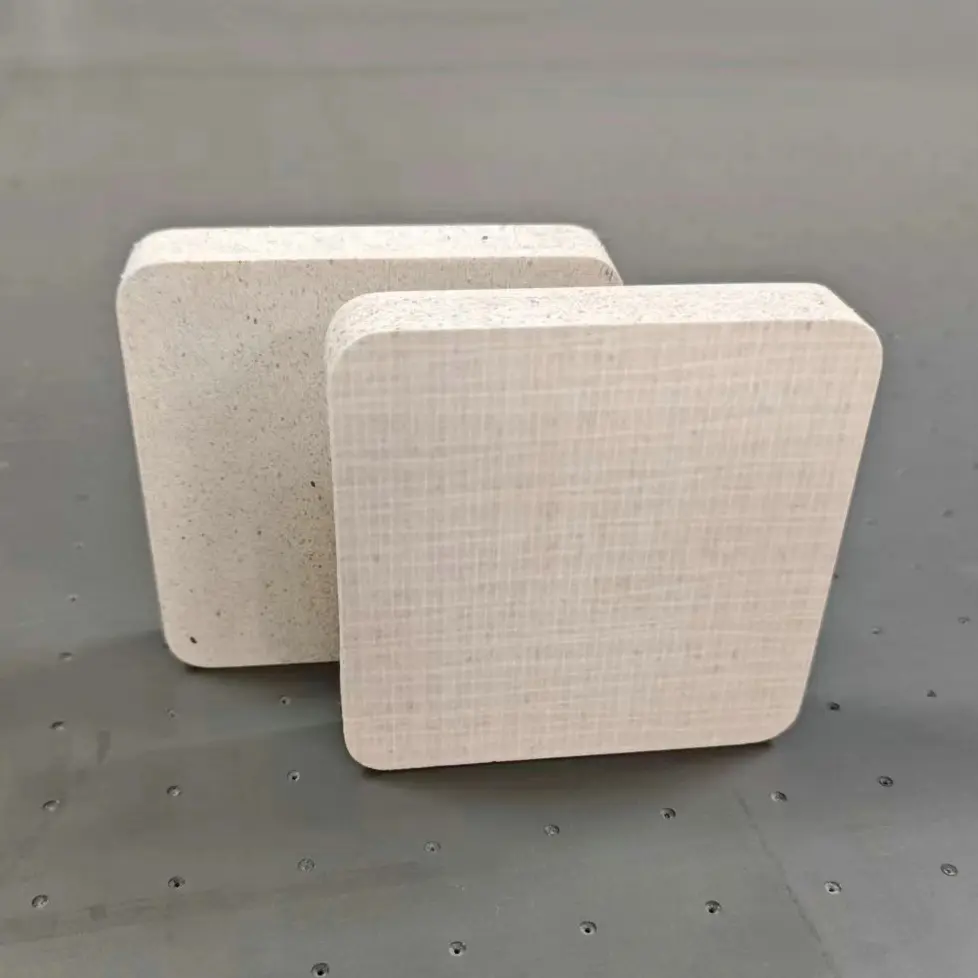 Fire-proof Board
 Sound Resistance
 Termite Resistance