2026 Best Cement Panel Options for Sustainable Construction?
In the ever-evolving field of sustainable construction, cement panels are emerging as a crucial component. Experts highlight their potential to reduce waste and enhance efficiency. As noted by industry leader Dr. Henry Lawson, "Cement panels offer a promising path to sustainable building practices." This insight reflects the growing recognition of these materials in modern architecture.
Cement panels are not only versatile but also durable. They can withstand extreme weather conditions, making them ideal for diverse environments. Yet, challenges remain. The production process of cement panels can produce significant carbon emissions. The industry struggles to balance sustainability with practicality.
As we explore the best cement panel options for 2026, it's essential to consider both benefits and drawbacks. Innovations continue to emerge, but questions linger about long-term sustainability. Are current practices enough to ensure a greener future? The journey towards effective solutions requires ongoing reflection and commitment from all stakeholders.
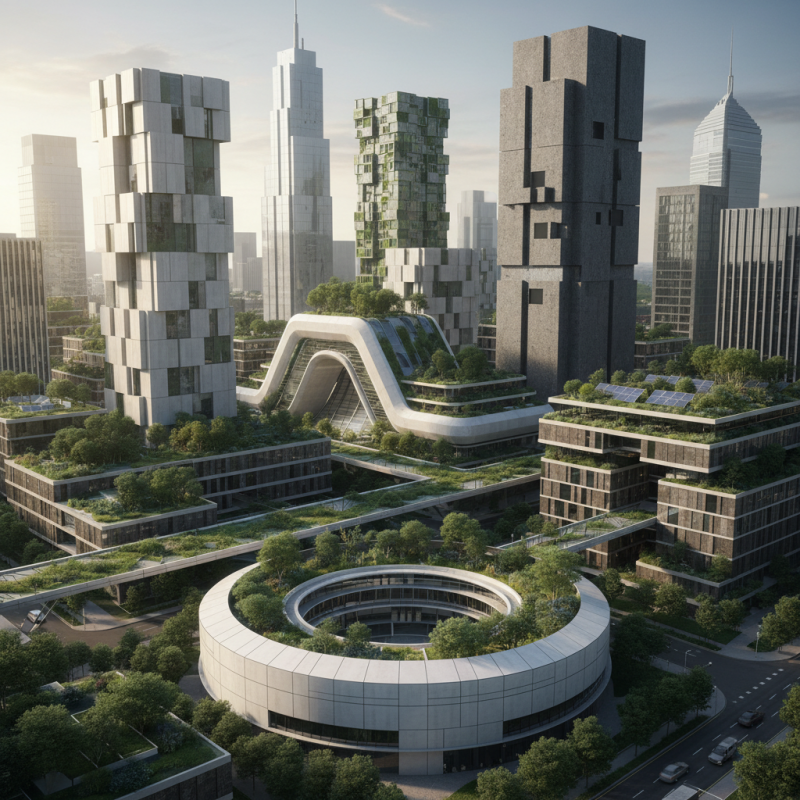
2026 Sustainable Construction Trends: The Role of Cement Panels
The rise of sustainable construction is changing the way we think about building materials.
Cement panels have emerged as a notable option in this trend. They are versatile, lightweight,
and have a solid lifespan. Their adaptability makes them suitable for various architectural styles. However, their production still poses some
environmental concerns, particularly regarding carbon emissions. The industry must keep pushing for greener
manufacturing practices, ensuring that the production process aligns with sustainability goals.
When considering cement panels, one should also think about their recyclability. While they offer durability, not
all panels are created equal in terms of end-of-life options. A shift towards bio-based or composite materials in cement panels could significantly reduce
their carbon footprint. This shift would require innovation and collaboration across the construction sector.
Builders must be aware that implementing sustainable materials is a continuous journey, not a destination. There’s much to learn from emerging technologies
and practices. Engaging architects and engineers in this dialogue is essential.
Overview of Cement Panel Types and Their Environmental Impact
Cement panels offer a range of options for sustainable construction. They come in various types, each with unique characteristics. Some panels are made with lower carbon emissions, while others incorporate recycled materials. This diversity allows builders to choose products that align with their sustainability goals.
The environmental impact of cement panels can vary significantly. For instance, traditional cement production releases a large amount of CO2. However, newer alternatives, like fiber cement panels, attempt to reduce this footprint. These alternatives often lack clarity on lifecycle assessments. It's crucial to consider not just the production process but also how panels perform over time.
While many panels boast sustainability features, questions remain. Are they truly durable? Do they weather well over time? There can be discrepancies in performance during extreme weather conditions. Therefore, construction professionals must weigh these factors carefully. Embracing sustainable options is essential, but it’s equally important to reflect on their long-term implications.
Comparative Analysis of Energy Efficiency in Cement Panel Manufacturing
When analyzing energy efficiency in cement panel manufacturing, various factors come into play. The production process often involves significant energy consumption. This can lead to higher carbon emissions, impacting overall sustainability. Many manufacturers are exploring alternatives to reduce these footprints.
Using renewable energy sources is one approach. Solar and wind power can supplement traditional energy in cement manufacturing. However, the transition may come with challenges. Initial costs can be high, and not all locations have access to these resources.
Another consideration is the sourcing of raw materials. Some companies are now utilizing industrial by-products. This not only reduces waste but also can lower energy requirements. Yet, this method needs rigorous evaluation for potential environmental impacts. Continuous improvement in energy efficiency remains a critical goal in the cement industry. The path to sustainable construction is still evolving, requiring further reflection and adaptation.
Recycling and Reusability of Cement Panels in Sustainable Practices
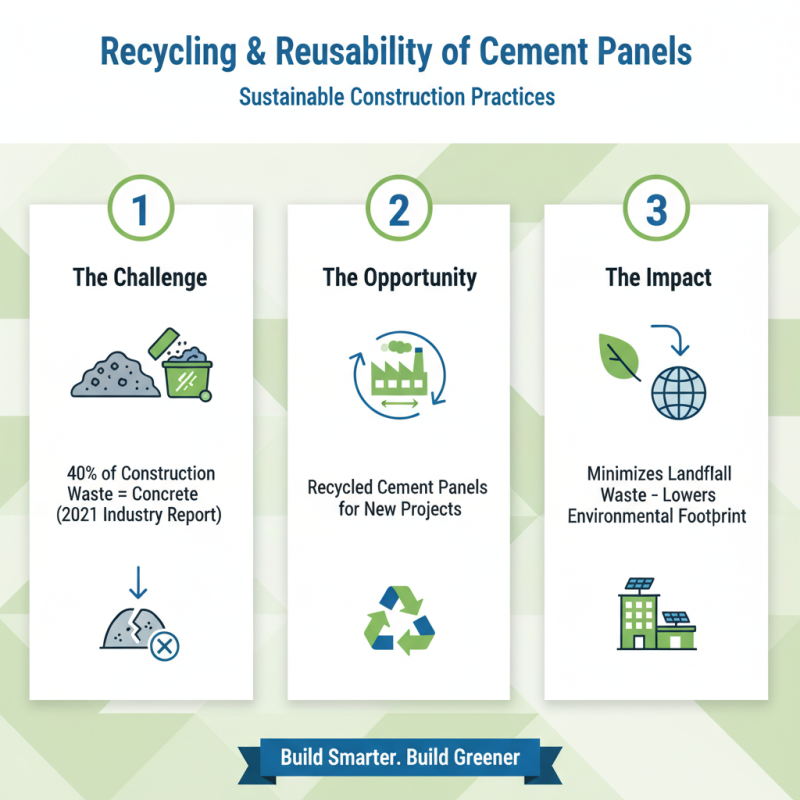
Cement panels have gained attention in sustainable construction due to their potential for recycling and reusability. According to a 2021 industry report, nearly 40% of construction and demolition waste consists of concrete. This presents a significant opportunity for using recycled cement panels in new projects. Utilizing these materials can minimize landfill waste, lowering environmental impact.
Recycling cement panels involves crushing the used panels into aggregate form. This process not only reduces waste but also conserves resources. Studies indicate that using recycled materials in construction can cut carbon emissions by up to 30%. However, this isn't a flawless solution. The quality of recycled cement can vary, impacting structural integrity. Ensuring the reliability of recycled materials requires additional scrutiny and testing.
Reusability of cement panels also raises concerns. While panels can be repurposed for various applications, not all are suited for new contexts. For instance, exposure to harsh environmental factors might reduce their durability. This limitation requires innovative design strategies. Investing in research and technology can help overcome these challenges, improving the sustainability of cement panels in the long run.
Market Share and Growth Projections for Cement Panels in 2026
The cement panel market is set for significant growth by 2026. Recent reports indicate a projected annual growth rate of approximately 7.5%. This growth is driven by the rising demand for sustainable construction solutions. As urbanization continues, eco-friendly materials gain popularity.
Industry experts forecast that cement panels will capture about 20% of the overall construction material market share by 2026. These panels are favored for their durability and energy efficiency. They offer a robust alternative to traditional materials. However, challenges remain in the production process. Carbon emissions during cement manufacturing are still a concern.
Innovative practices are emerging to address these issues. Utilizing alternative raw materials could lower the environmental impact. This approach invites further research and development. Companies need to focus on improving processes for a more sustainable future. Without addressing these challenges, the industry's growth may face hurdles.



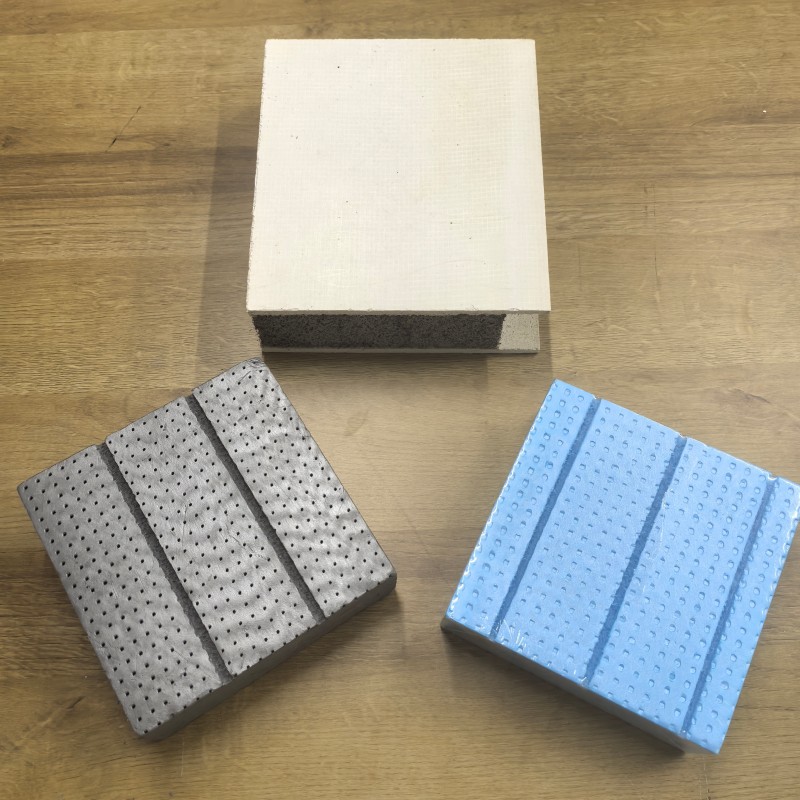 Environmental Building Board
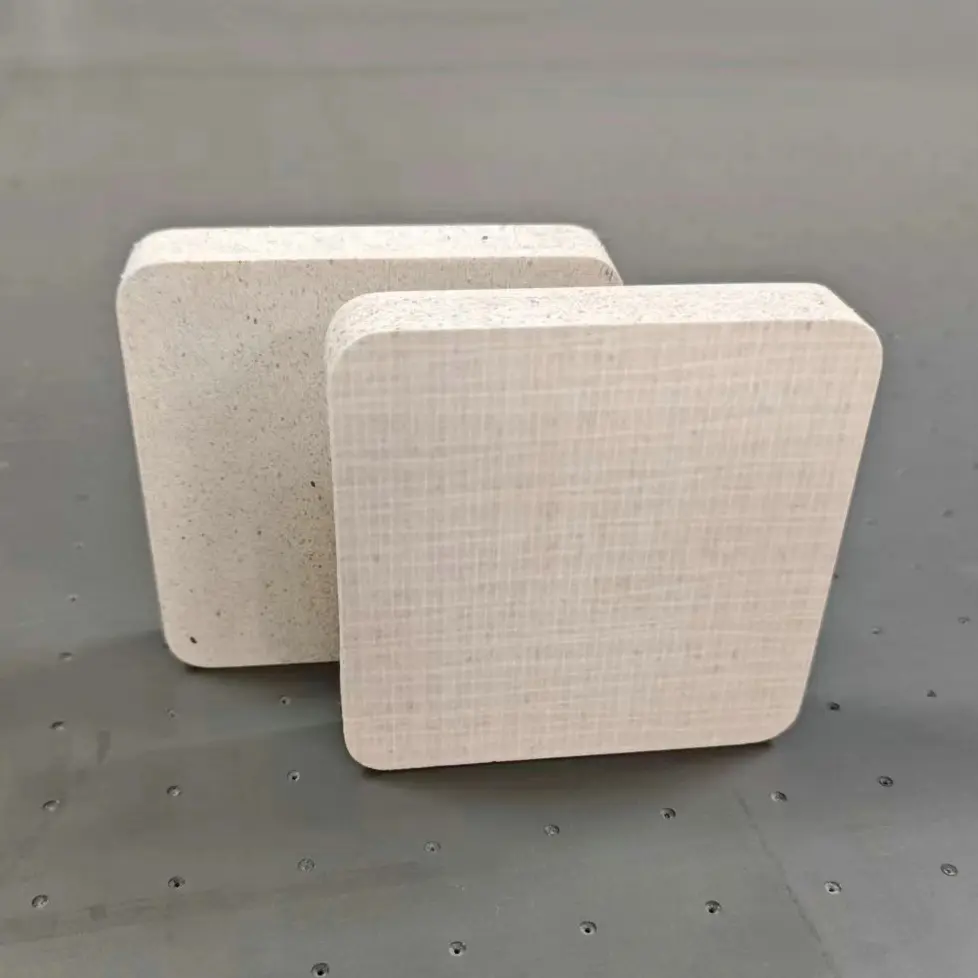 Fire-proof Board
 Sound Resistance
 Termite Resistance