10 Best Glass Wool Insulation Options for Your Home Improvement Needs?
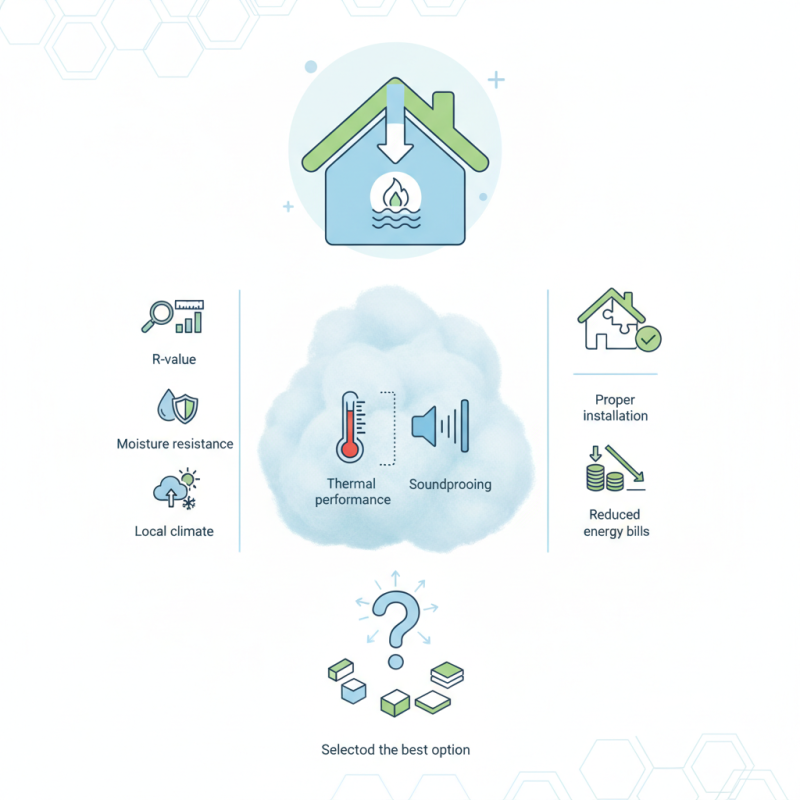
When it comes to home improvement, choosing the right insulation is crucial. Glass Wool Insulation stands out as an efficient option. This insulation type provides excellent thermal performance and soundproofing capabilities. It is made from fine strands of glass, creating a lightweight and effective barrier against heat loss.
Many homeowners underestimate the importance of proper installation. Poor installation can lead to gaps and reduced efficiency. Thus, it’s essential to follow guidelines closely. The right glass wool insulation can significantly enhance energy efficiency in your home. You may even notice a drop in energy bills.
However, selecting the best option can be overwhelming. With numerous products on the market, it’s important to consider factors like R-value and moisture resistance. Your needs may vary based on local climate conditions. Each option has its pros and cons, highlighting the need for careful evaluation. Understanding these details can help in making an informed decision.
Understanding Glass Wool Insulation: What It Is and How It Works
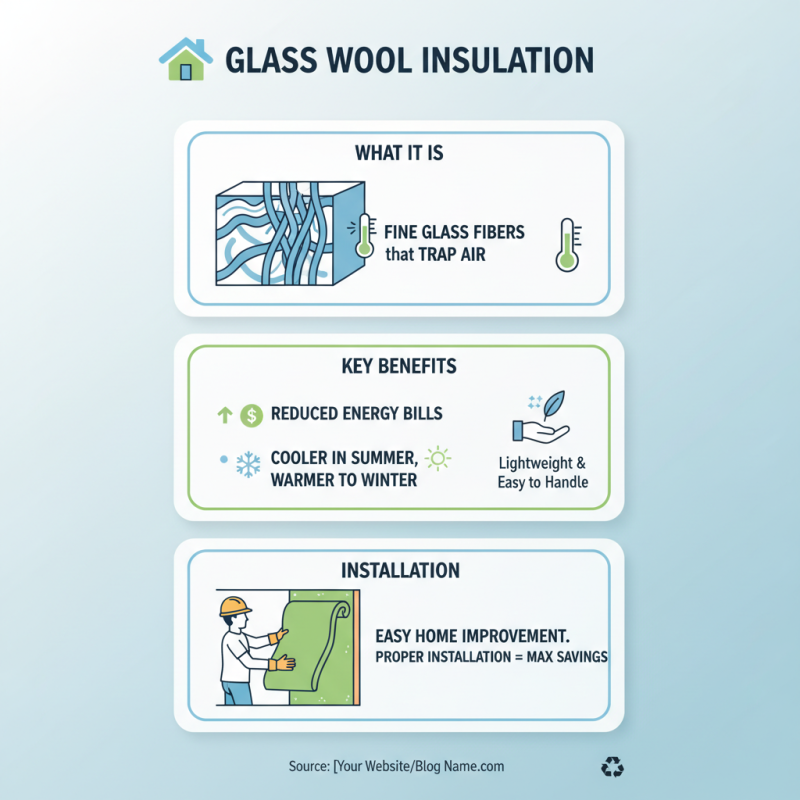
Glass wool insulation is a popular choice for many homeowners. It consists of fine glass fibers, which trap air and help to regulate temperature. This material is lightweight and easy to handle, making it a go-to for various home improvement projects. When installed correctly, glass wool can significantly reduce energy bills by keeping homes cooler in summer and warmer in winter.
One might think all glass wool insulation options are similar, but there can be differences. Some products have a higher R-value, indicating better thermal resistance. Others may have noise-canceling properties, which can be beneficial in noisy environments. However, the installation process can sometimes be tricky. Proper protective gear is essential; inhaling fibers is not ideal.
DIY enthusiasts may find it challenging to achieve a perfect fit. Gaps in insulation can lead to energy loss. Regular checks are also necessary, as settling over time can reduce effectiveness. Homeowners should reflect on their insulation choices. While glass wool is often effective, considering the installation method and maintenance is crucial for long-term benefits.
Key Benefits of Using Glass Wool Insulation in Your Home
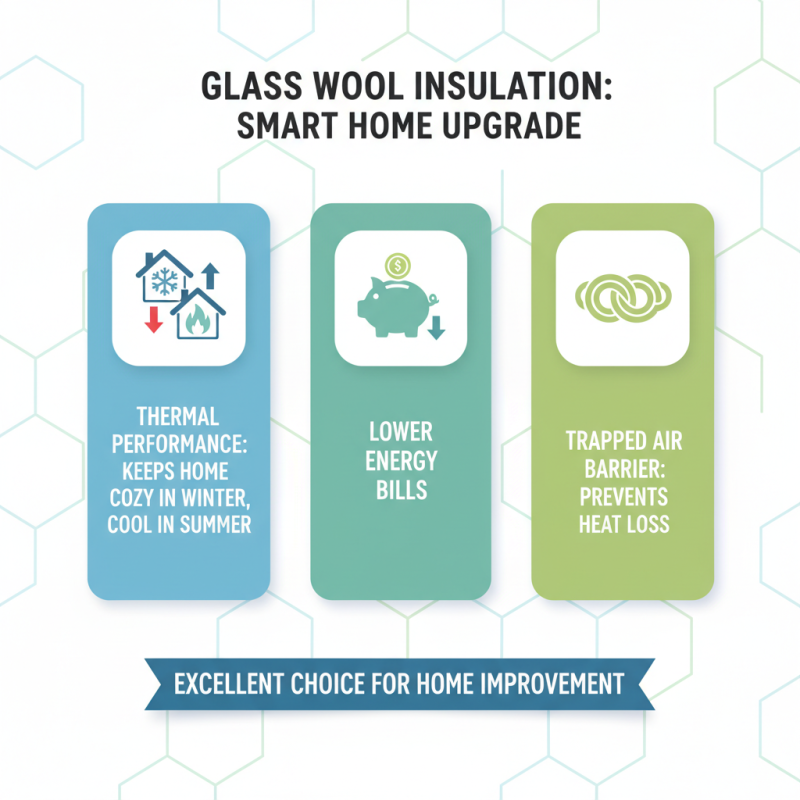
Glass wool insulation is an excellent choice for home improvement. It provides numerous benefits that make it a popular option among homeowners. One major advantage is its thermal performance. This insulation material traps air within its fibers, creating a barrier that prevents heat loss in winter and keeps your home cool in summer. Lower energy bills become a reality with effective insulation.
Another significant benefit is noise reduction. Glass wool absorbs sound, making rooms quieter. This is particularly useful in busy households or near noisy streets. However, installation can be challenging. It’s essential to ensure a proper fit to maximize its effectiveness. Gaps or improper handling can lead to reduced performance. Also, while glass wool is generally safe, irritation can occur during installation. Protective measures are necessary.
Durability is another plus. Glass wool does not rot or degrade over time, ensuring long-lasting benefits. However, it requires careful storage and handling to avoid moisture, which can compromise its effectiveness. While it is effective in improving comfort, some may find the installation process daunting. Weighing the pros and cons can help you decide if glass wool insulation fits your needs.
Top 10 Glass Wool Insulation Products for Improved Energy Efficiency
When it comes to energy efficiency, choosing the right insulation is critical. Glass wool insulation is a popular option for homeowners. It excels at keeping homes warm in winter and cool in summer. This material is made from recycled glass and is eco-friendly. Its fibers can trap air, creating excellent thermal resistance. This contributes to lower energy bills over time.
Differences in performance among glass wool products exist. Not all options deliver the same level of insulation. Homeowners should consider factors like thickness and density. Not everyone realizes that proper installation is just as important. Gaps or improper sealing can lead to energy loss. Measures to ensure complete coverage are essential.
When selecting insulation, sustainability is a vital aspect. Some types of glass wool use more recycled content. This choice reduces environmental impact. However, not all products are created equal. Some may lack sufficient fire resistance or soundproofing qualities. This can be a concern in certain areas. It's wise to do thorough research before making a final decision.
Installation Tips for Optimal Performance of Glass Wool Insulation
When installing glass wool insulation, proper technique is crucial for achieving optimal performance. Start by wearing protective gear. Use gloves and masks to avoid irritation. Measure the area you wish to insulate precisely. Miscalculations can lead to gaps that undermine insulation efficiency. Cut the glass wool to fit snugly between wall studs or ceiling joists. A tight fit ensures that cold air doesn’t sneak in.
Ensure your workspace is well-ventilated. Dust from the insulation can cause discomfort. Consider using a staple gun to secure the insulation in place. This helps maintain its position over time, especially in vertical installations. Check for any signs of compression. Compressed insulation loses effectiveness. Always leave some space for your vapor barrier to avoid moisture buildup. This crucial step can often be overlooked, but it can protect against mold growth.
After installation, inspect the work done. Gaps or uneven surfaces may require adjustment. Don't rush this final check. It can save you money on energy bills later. A good finish is essential. Remember, every small detail contributes to the overall thermal performance. Mistakes can happen, but learning from them is part of the process.
10 Best Glass Wool Insulation Options for Home Improvement
Comparing Glass Wool to Other Insulation Materials: Pros and Cons
When comparing glass wool to other insulation materials, it’s essential to look at key factors. Glass wool offers excellent thermal performance, with an R-value typically ranging from 2.9 to 3.8 per inch. This makes it a competitive choice for energy efficiency. In contrast, materials like fiberglass batts and foam boards often have similar R-values but differ in soundproofing capabilities. Glass wool excels in sound absorption, which can enhance comfort in residential spaces.
However, there are drawbacks to consider. Glass wool can irritate skin and lungs if not handled properly. While some studies show it to be non-combustible, other materials like cellulose may offer better fire resistance. Additionally, glass wool has a lower vapor permeability compared to rock wool, potentially leading to moisture issues if not installed correctly. Home improvement reports suggest that around 70% of insulation issues stem from improper installation—underscoring the need for professional assistance.
In terms of environmental impact, glass wool is recyclable, aligning with sustainability trends. Other materials, such as spray foam, may offer superior insulation but have higher environmental costs due to their chemical composition. Weighing these factors can help in making the right insulation choice for your home.



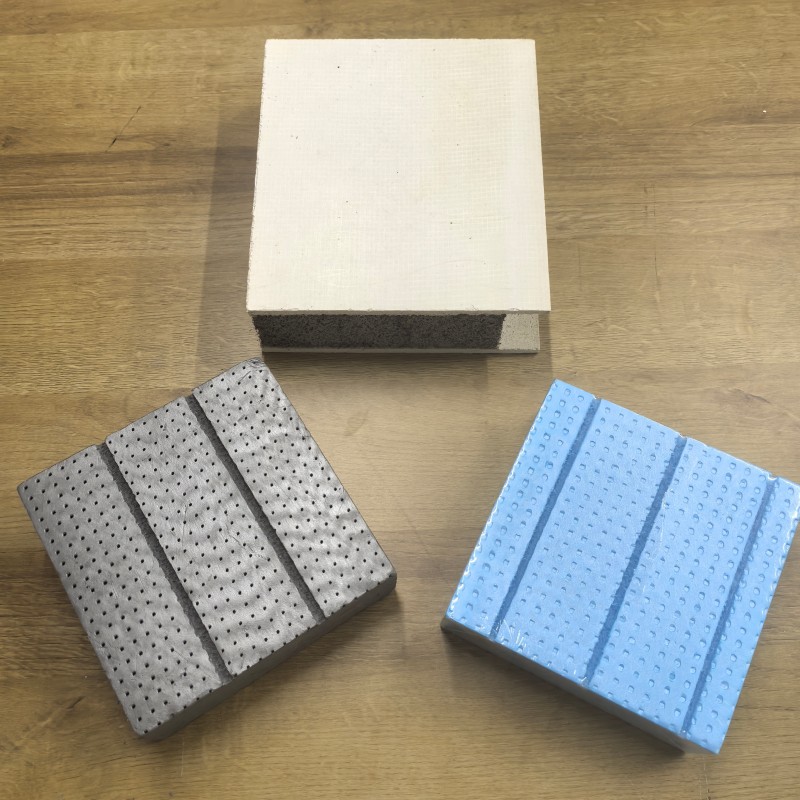 Environmental Building Board
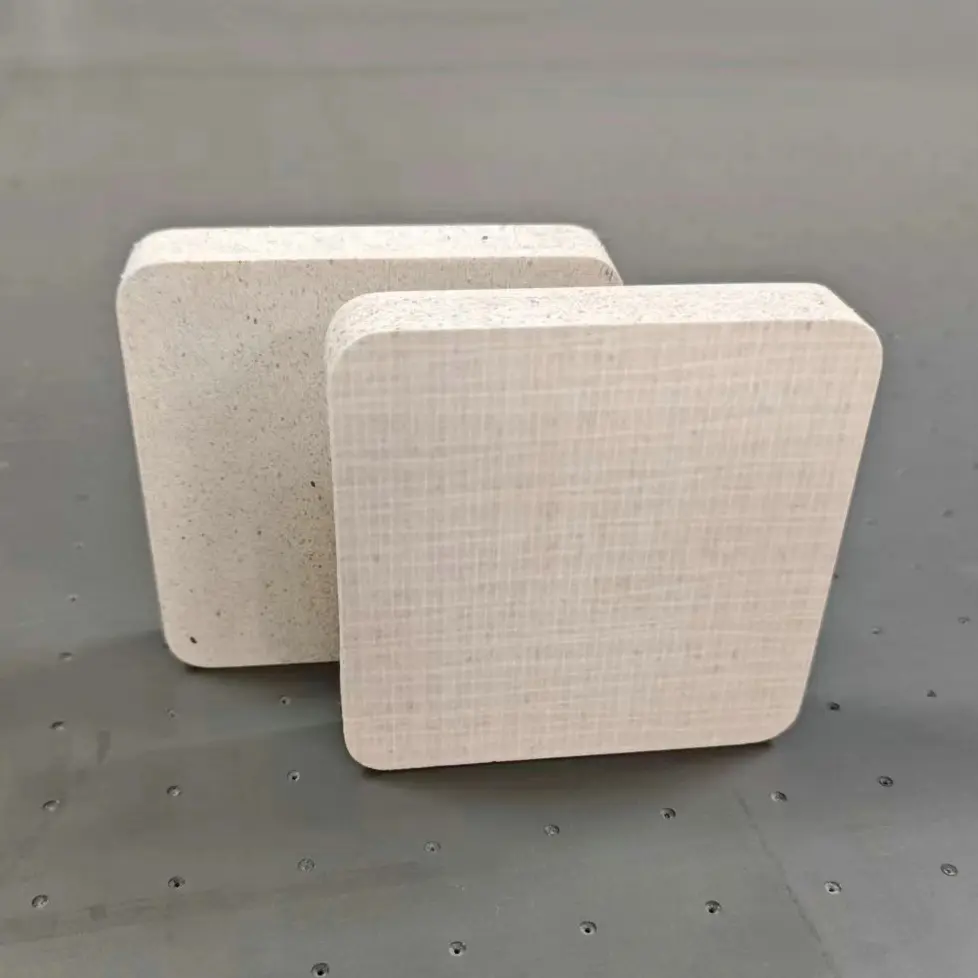 Fire-proof Board
 Sound Resistance
 Termite Resistance