What is Cement Panel and How is it Used in Construction?
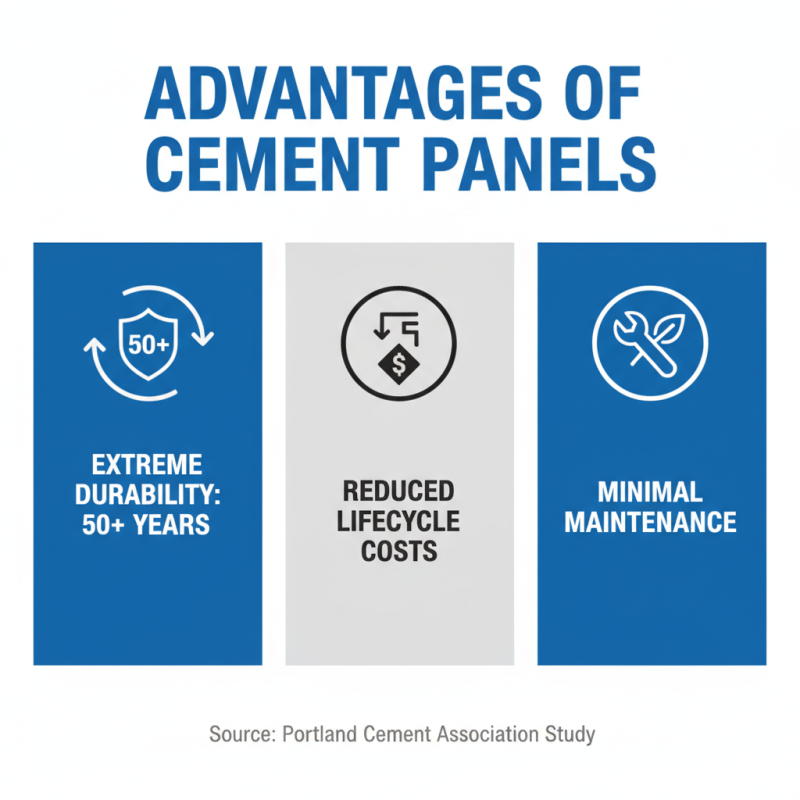
Cement panel is gaining popularity in the construction industry. Its versatility and durability make it an excellent choice for various applications. John Smith, a renowned expert in construction materials, stated, "Cement panels revolutionize modern building techniques."
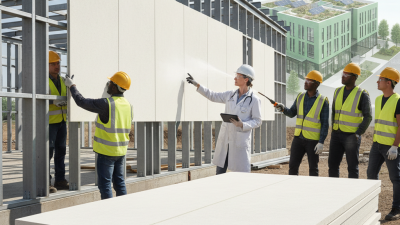
These panels are used in residential and commercial projects. They offer an aesthetic appeal while providing structural integrity. However, not all cement panels are created equal. Quality can vary between manufacturers. This inconsistency can lead to challenges on-site.
As we explore the uses of cement panels, we must consider these factors. What are the long-term implications of using subpar materials? Understanding this is crucial for builders and architects alike. Quality should never be compromised in construction.
What is a Cement Panel?
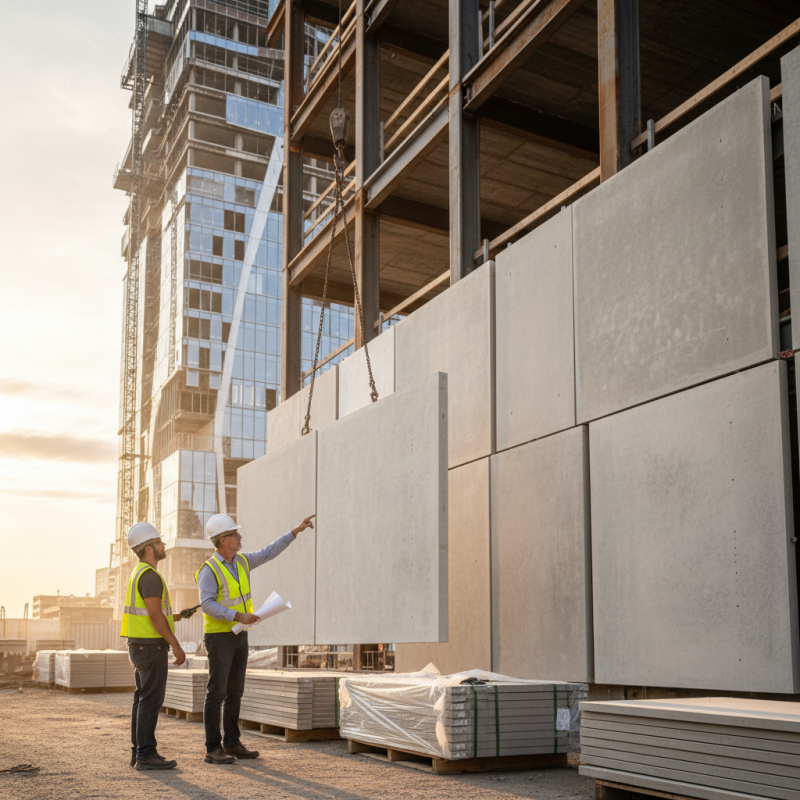
Cement panels are increasingly popular in modern construction. They are created from a mixture of cement, aggregates, and reinforcement materials. This combination results in a durable product ideal for various building applications. Typically, cement panels are used for external walls, facades, and partitions. Their robust nature ensures they can withstand harsh weather conditions.
The versatility of cement panels stands out. They can be molded into different shapes and sizes. This adaptability allows architects to explore unique designs. Moreover, cement panels are resistant to fire and mold, making them a safe option for construction. However, there are considerations to keep in mind. The installation process can be complex, requiring skilled labor. Additionally, proper maintenance is essential to preserve their appearance over time.
Reflecting on cement panels’ impact, it's clear they offer both benefits and challenges. While they enhance aesthetic appeal, attention to detail during installation is crucial. Any oversight can lead to future problems. Overall, cement panels represent a balance between innovation and practicality in construction.
Composition and Manufacturing Process of Cement Panels
Cement panels are becoming increasingly popular in construction. Their composition typically includes Portland cement, aggregates, and water. The mixture is cast into panels that can be used as walls, floors, and ceilings. The manufacturing process involves mixing the raw materials, pouring them into molds, and curing them to achieve desired strength.
According to industry reports, cement panels can have compressive strengths of over 40 MPa, making them suitable for various applications.
Tips: Consider the thickness and density of cement panels. Thicker panels may provide better insulation and durability.
The curing process is crucial. It allows the panels to develop strength. Improper curing can lead to issues such as cracking or reduced lifespan. Additionally, the choice of aggregates influences the final quality. Not all aggregates perform equally well. For instance, using lightweight aggregates can reduce the overall weight of the panels.
Tips: Always evaluate raw material quality. Inadequate materials may compromise panel integrity.
Understanding the features of cement panels is essential. They offer fire resistance and sound insulation. However, the environmental impact of cement production is a concern. Reports indicate that cement accounts for about 8% of global CO2 emissions. Thus, developers must consider more sustainable practices in their manufacturing processes.
Applications of Cement Panels in Construction
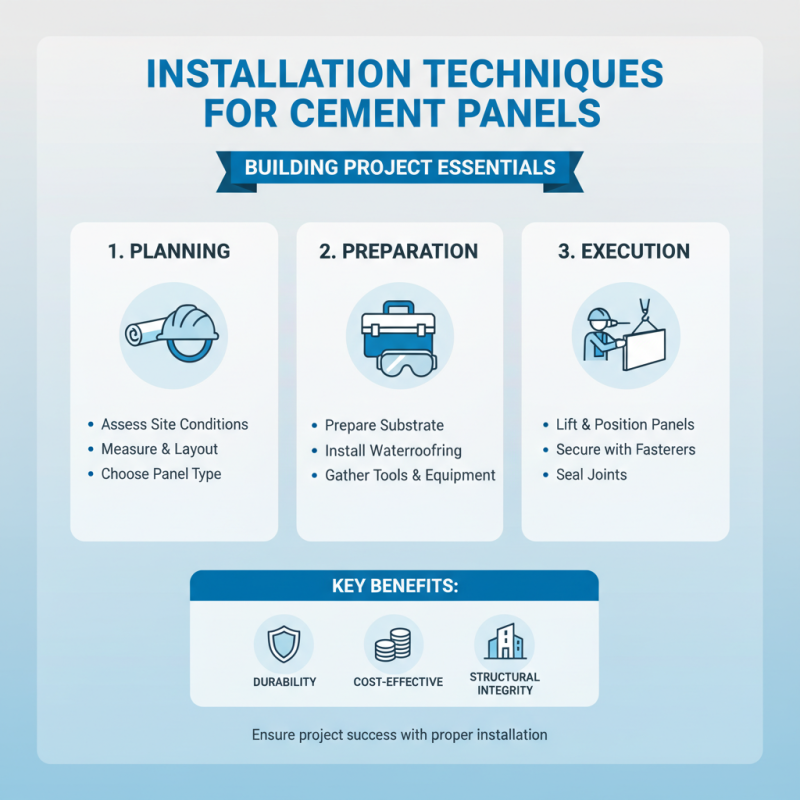
Cement panels are increasingly popular in construction due to their versatility. They are used for both exterior and interior applications. One common use is in wall systems. These panels provide excellent insulation and durability. They resist weather and pest damage, making them ideal for various climates. Their lightweight nature also simplifies transportation and installation processes.
In modern architecture, cement panels can be seen as facade cladding. They can mimic the appearance of wood or stone. This creates an aesthetic appeal without the drawbacks of natural materials. In addition, cement panels are used in flooring systems. Their smooth surfaces enable easy maintenance.
However, there are considerations to keep in mind. The initial installation cost can be higher than traditional materials. Some workers may need special training to handle these panels properly. Projects might face delays if the supply chain falters. It’s important to weigh these factors against the long-term benefits. This approach will help ensure that the use of cement panels is both effective and efficient.
Applications of Cement Panels in Construction



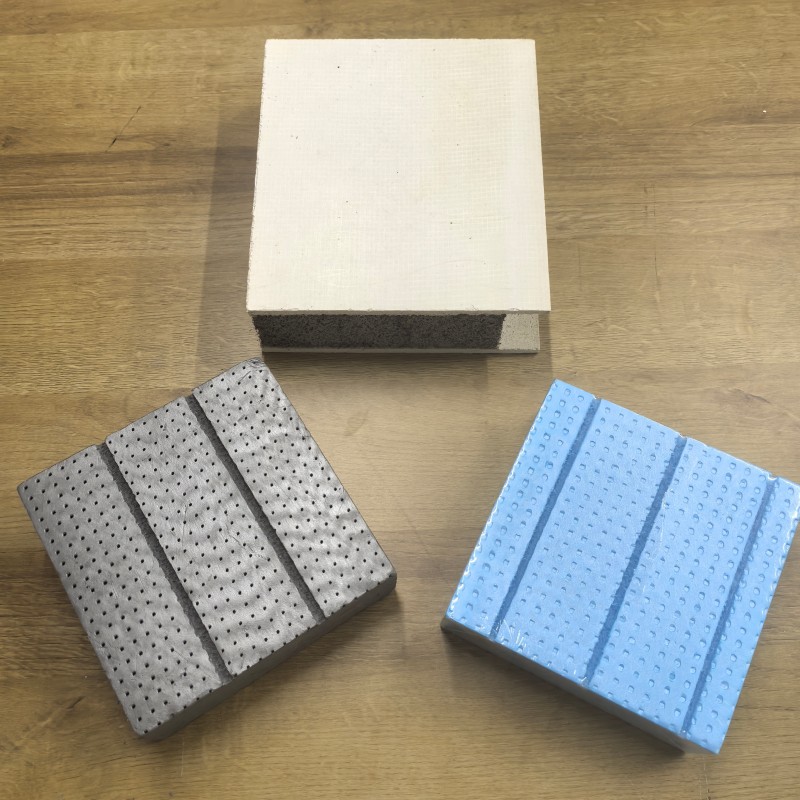 Environmental Building Board
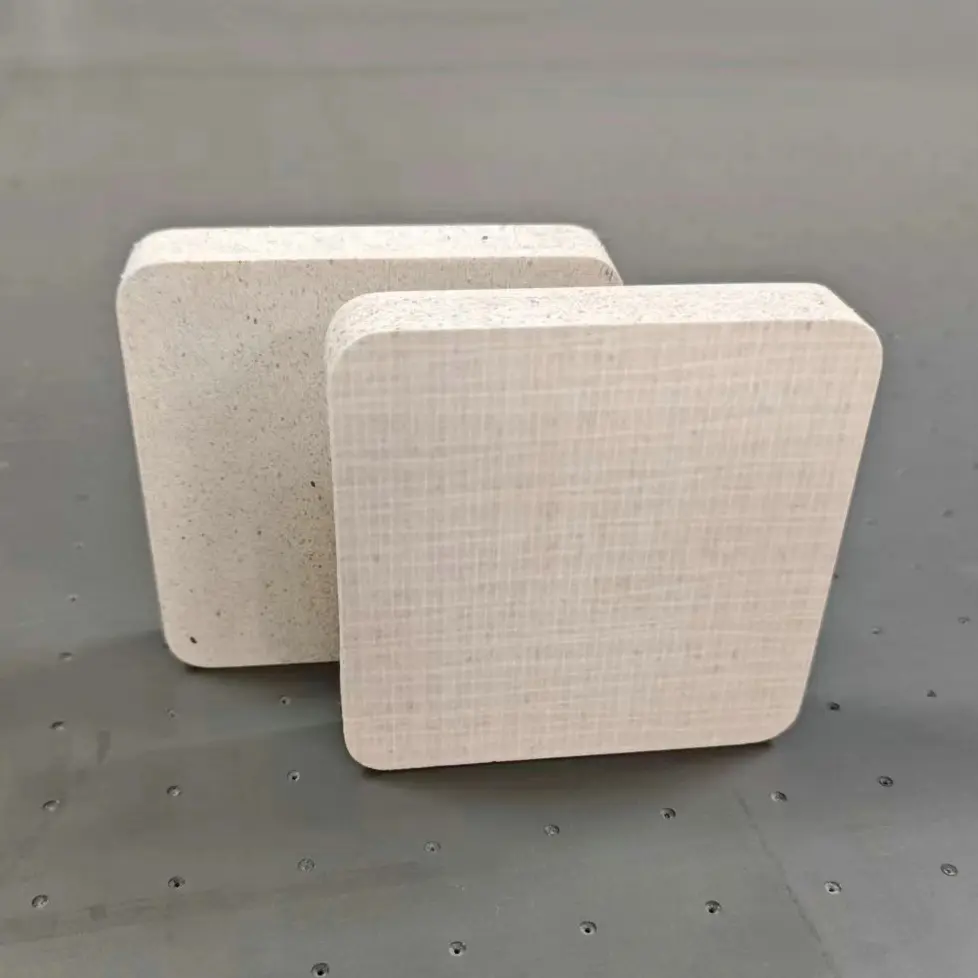 Fire-proof Board
 Sound Resistance
 Termite Resistance