China Best Construction Boards for Your Global Sourcing Needs?
When considering global sourcing needs, China stands out for its diverse range of Construction Boards. These boards are crucial in various construction projects. They offer durability and versatility. The selection is vast, catering to different applications and budgets. Understanding the specifications of these boards is essential in making informed decisions.
China's Construction Boards can vary significantly in quality and price. Factors such as material type and testing standards greatly influence performance. It's vital to assess your project requirements before sourcing. Some boards may not meet international standards, leading to unforeseen issues. Building relationships with trusted suppliers can enhance reliability in your procurement process.
Exploring the market reveals potential challenges. While many manufacturers promise high-quality products, not all can deliver. It's important to conduct thorough research and due diligence. Engaging with knowledgeable industry professionals can provide valuable insights. Ultimately, finding the right Construction Boards requires careful consideration and an understanding of your unique sourcing needs.
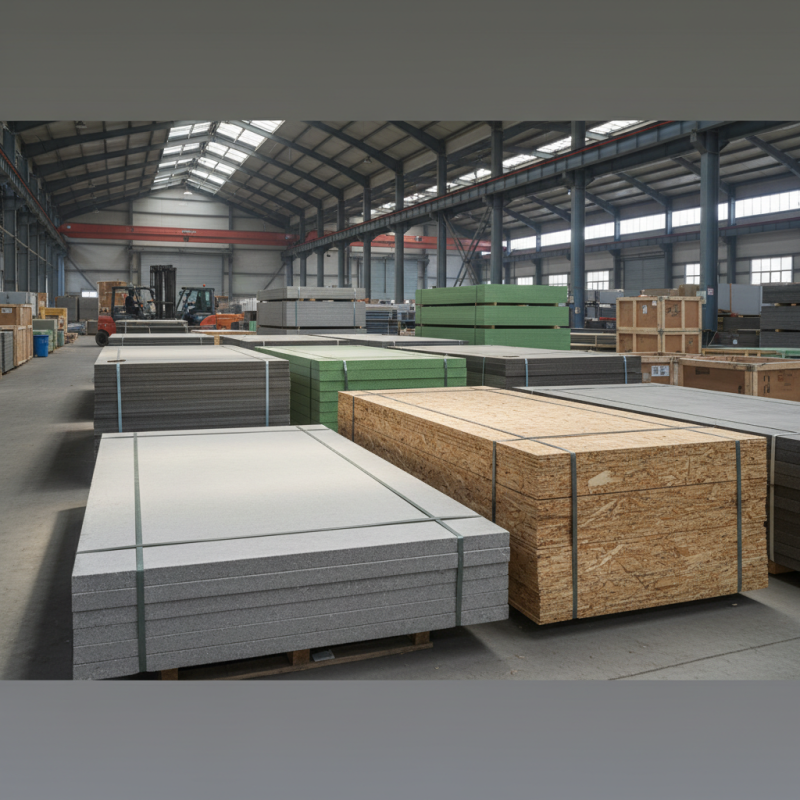
Overview of Construction Boards in China
China has emerged as a significant player in the global supply of construction boards. These boards are vital for various applications, including residential, commercial, and industrial constructions. The wide range of materials available ensures that builders can find options that meet specific project needs.
When sourcing construction boards, quality is paramount. It's essential to consider different materials like plywood, particle board, and oriented strand board. Each type comes with unique characteristics, making some better suited for certain applications than others. Understanding these nuances can help in selecting the most efficient and economical choice.
Tip: Always request samples before purchase. This allows for hands-on evaluation of quality and durability.
Another crucial aspect is compliance with local building regulations. Not all products meet international standards. Staying informed about the latest safety and environmental guidelines is beneficial as it helps avoid costly mistakes.
Tip: Regularly consult local construction experts. They can provide insights and updates on material compliance, making sourcing smoother.
In a market as vast as China's, being aware of potential challenges is important. Sourcing from multiple suppliers may seem efficient, but it can lead to inconsistencies in quality. Balancing cost and reliability is an ongoing challenge that requires careful consideration.
Types of Construction Boards Available in China
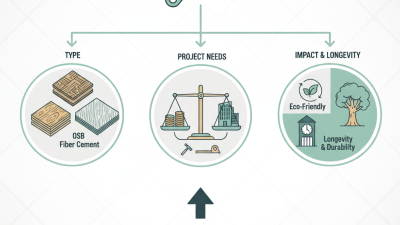
When sourcing construction boards from China, understanding the types available is crucial. The industry offers various options, including plywood, oriented strand board (OSB), and medium-density fiberboard (MDF). Each type serves different purposes, with plywood being favored for its strength and versatility. According to a 2023 market report, demand for plywood is projected to grow by 5% annually.
OSB is often used for structural applications. It is cost-effective and provides excellent durability. Data shows that OSB accounts for about 25% of the total board market. MDF, on the other hand, is popular for furniture and interior design due to its smooth finish. However, it may lack the structural integrity needed for heavy applications.
Tips: Consider the specific requirements of your project when choosing a board type. Analyze factors like weight, moisture resistance, and ease of use. Quality varies, so it’s wise to check certifications and wood sourcing practices. Opting for certified materials can enhance the overall reliability of your construction.
It's essential to evaluate the strengths and weaknesses of each board type. For instance, while plywood is robust, it can be sensitive to moisture if not treated properly. Understanding these nuances can prevent unforeseen challenges in your sourcing journey.
Types of Construction Boards Available in China
Key Suppliers and Manufacturers of Construction Boards
When sourcing construction boards, it's crucial to identify key suppliers and manufacturers. These companies aid in providing quality materials that meet stringent building standards. Many of these manufacturers have years of experience in the industry. They know the local and international regulations governing construction standards.
Several notable suppliers specialize in different types of construction boards. Some focus on eco-friendly materials, which are increasingly in demand. Others offer fire-resistant options and boards that cater to specific environmental conditions. Sourcing from these experts ensures you receive reliable products suitable for diverse applications. Engaging with suppliers that provide detailed specifications can enhance project outcomes.
However, not all manufacturers maintain the same level of quality control. It's essential to conduct thorough research and find those with a solid reputation. Peer reviews and testimonials help highlight manufacturers with consistent quality. Always consider the long-term implications of sourcing decisions. Potential compromises in quality can lead to increased costs and safety risks down the line.
China Best Construction Boards for Your Global Sourcing Needs
| Product Type |
Material |
Thickness (mm) |
Width (mm) |
Length (mm) |
Minimum Order Quantity |
Lead Time (days) |
| Plywood |
Bamboo |
18 |
1220 |
2440 |
500 sheets |
30 |
| OSB (Oriented Strand Board) |
Wood Chips |
15 |
1220 |
2440 |
300 sheets |
25 |
| MDF (Medium Density Fiberboard) |
Wood Fibers |
12 |
1220 |
2440 |
200 sheets |
20 |
| HDF (High Density Fiberboard) |
Wood Fibers |
8 |
1200 |
2400 |
250 sheets |
15 |
Quality Standards and Certifications for Construction Boards
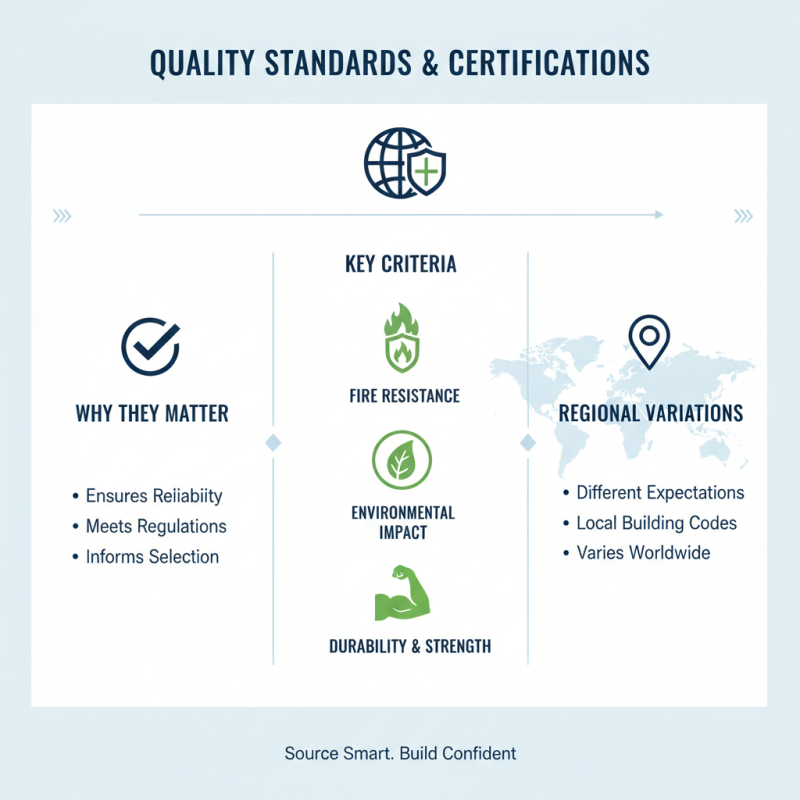
Quality standards and certifications play a vital role in sourcing construction boards worldwide. When selecting materials, understanding these standards is essential. Each region may have different expectations. Certifications often include fire resistance, environmental impact, and durability.
Manufacturers frequently seek third-party certifications. These validate the quality and safety of their products. Without proper certifications, buyers risk using subpar materials. This could lead to structural failures. Inconsistent quality can also harm a company's reputation. Regular audits and tests become necessary to ensure compliance.
However, not all certifications are created equal. Some may lack rigorous assessments. This variance can confuse buyers. It's crucial to research and confirm the credibility of certifications. Relying solely on labels might not be sufficient. Therefore, developing a keen understanding of different certifications is invaluable for informed sourcing decisions.
Benefits of Sourcing Construction Boards from China
Sourcing construction boards from China provides numerous advantages. The nation stands as a major supplier, offering a variety of materials that meet international standards. According to a recent industry report, about 25% of global construction boards come from China. This significant share indicates not only competitiveness but also a robust supply chain.
Cost savings are a primary reason many companies source from China. The average manufacturing cost for construction boards in China is approximately 30% lower than in Western countries. However, importing can involve complexities such as compliance with quality regulations. Therefore, conducting thorough quality checks is essential before finalizing orders.
Tip: Utilize third-party inspection services to ensure product quality before shipment. Additionally, engage with local suppliers for insights on market trends to avoid common pitfalls. Quality assurance can help mitigate potential issues.
When considering sourcing options, assess the reliability of the supplier. Reviews from other businesses can offer valuable insights. It's wise to request samples to understand product characteristics deeply. Not all suppliers adhere to the same standards, and some may not explicitly state production practices. Being proactive in this regard will pay off in long-term partnerships.



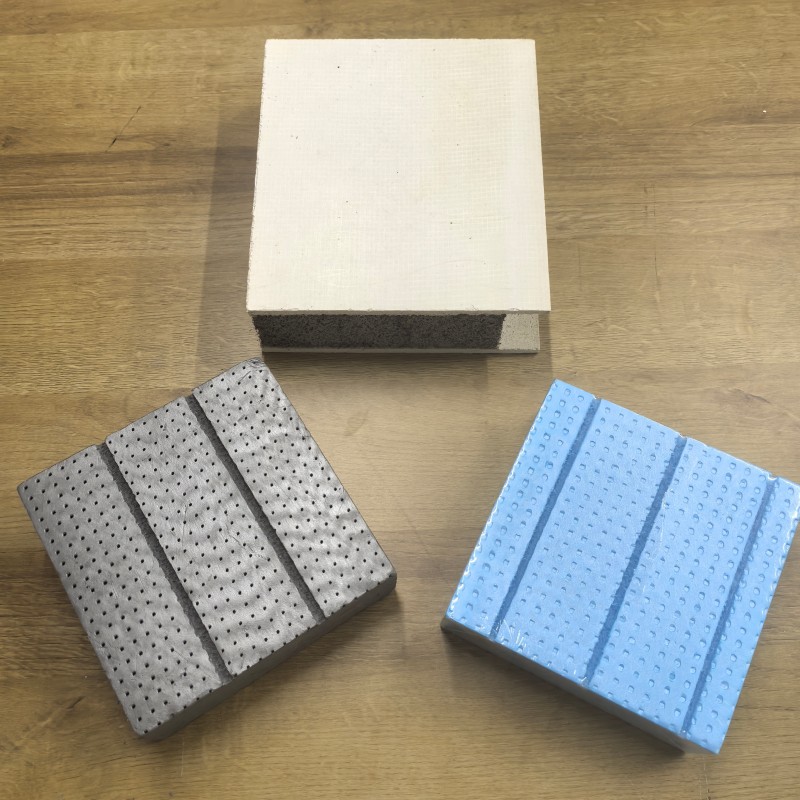 Environmental Building Board
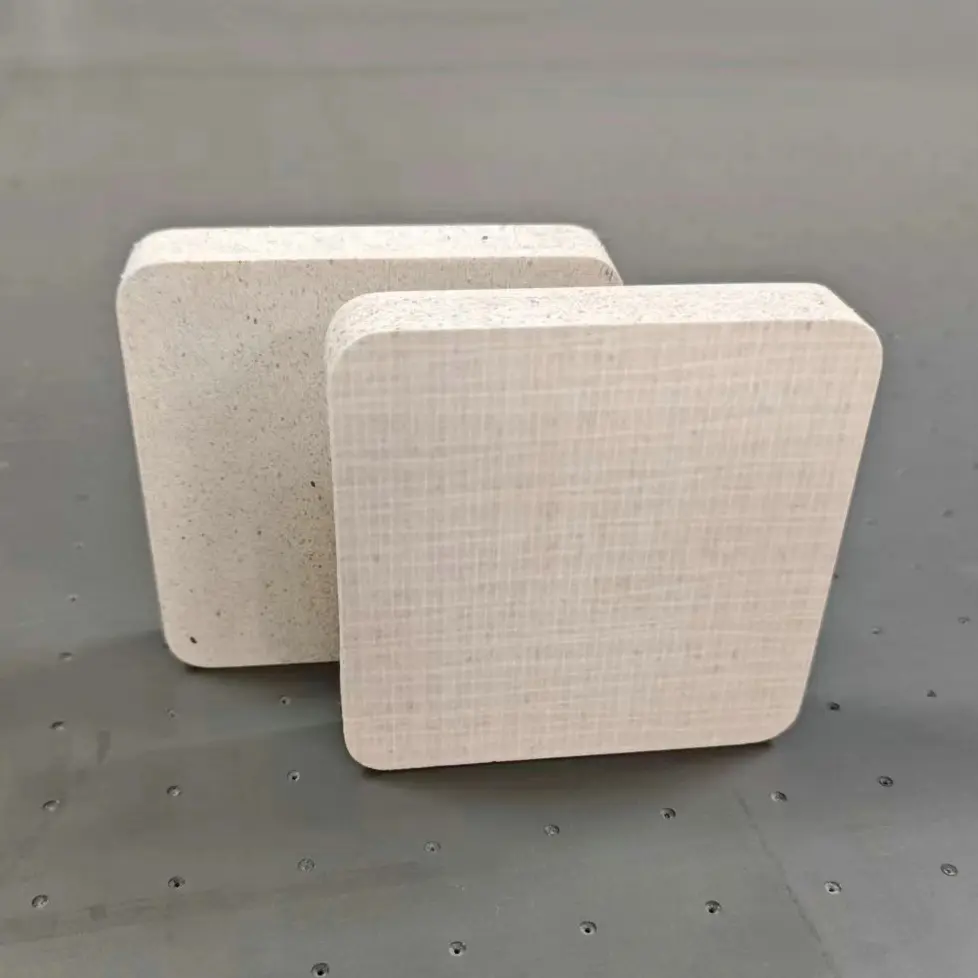 Fire-proof Board
 Sound Resistance
 Termite Resistance