China Top Construction Material Trends and Innovations Today
The construction industry is rapidly evolving, driven by the need for sustainable solutions and innovative techniques. Construction materials play a crucial role in this transformation. They can enhance efficiency, reduce waste, and contribute to overall project success. As China continues to invest in infrastructure, the selection of materials has become increasingly important.
In recent years, many trends have emerged in the construction material sector. From eco-friendly options to advanced composites, these materials aim to meet both performance and environmental standards. However, navigating these options can be challenging. Not all innovations are practical or widely accepted, and their application can vary greatly depending on local conditions.
Moreover, the focus on sustainability raises questions about resource availability. Are these new materials truly environmentally friendly, or do they come with hidden costs? As we explore the current trends and innovations, it's essential to critically assess their impact on the construction industry. Understanding the complexities of these construction materials is key to making informed decisions for future projects.
Current Trends in China's Construction Material Industry
The construction material industry in China is undergoing significant changes. Sustainability is a key focus. Many companies now prioritize eco-friendly materials. Recycled plastics and bio-based alternatives are gaining popularity. These options reduce waste and carbon footprints. However, challenges remain in sourcing and processing these materials.
Innovation is driving the sector forward. Advanced technology, such as 3D printing, is transforming construction practices. This technique allows for faster project execution and greater design flexibility. Still, quality control in 3D printing needs improvement. Ensuring structural integrity is crucial.
The demand for high-performance materials is rising. These include insulated concrete forms and prefabricated components. They enhance energy efficiency and reduce construction times. Yet, the cost of these materials can be a barrier for smaller projects. Understanding the balance between cost and performance is an ongoing challenge for industry players.
Current Trends in China's Construction Material Industry
Key Innovations Shaping Modern Construction in China
China's construction industry is witnessing major innovations driven by technology and sustainability. The adoption of green building materials is on the rise, with a reported 30% increase in demand over the past two years. These materials significantly reduce carbon footprints and enhance energy efficiency. Products like recycled concrete and eco-friendly insulation are leading the way. They not only fulfill environmental standards but also meet the performance expectations of modern construction.
Prefabrication is another trend making waves. This approach allows for quicker assembly times, reducing labor costs by up to 15%. Research indicates that prefabricated components can lead to better quality control. However, challenges remain in supply chain management and logistics. The integration of Building Information Modeling (BIM) has also proved essential. It enhances design accuracy and project coordination, although some teams still struggle to adopt it effectively.
Additionally, smart construction technologies are gaining traction. Drones monitor project sites for efficiency and safety. AI tools predict maintenance needs, minimizing downtime. Yet, as reliance on technology grows, the industry must address data security and privacy concerns. Balancing innovation with these challenges is crucial for shaping the future of construction in China.
Sustainability in Construction Materials: China’s Approach
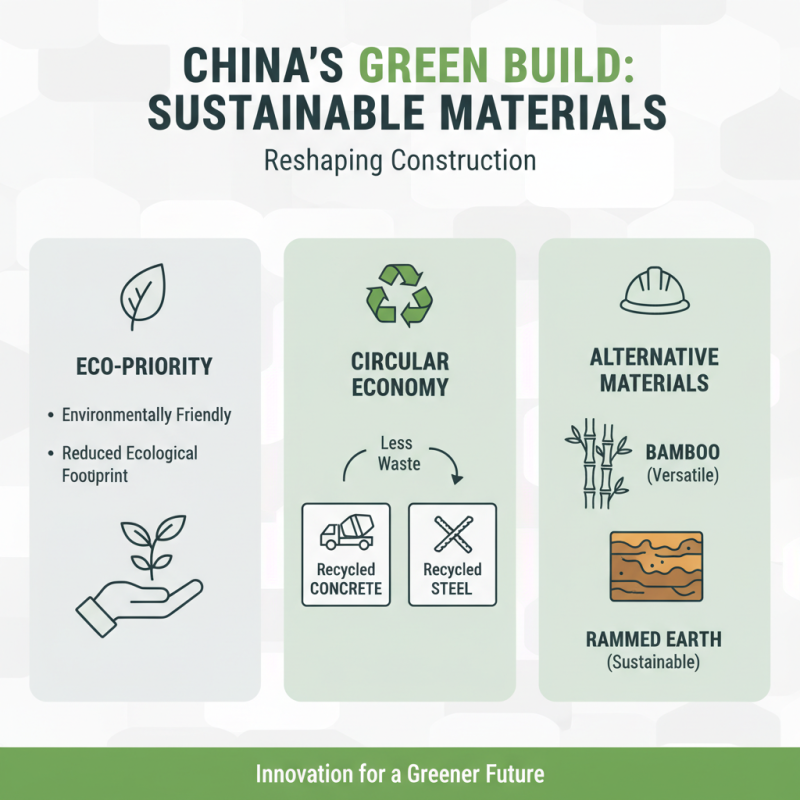
Sustainability is reshaping the construction materials industry in China. A focus on environmentally friendly materials is becoming a priority. There is a growing movement towards using recycled content in concrete and steel. This reduces waste and minimizes the ecological footprint. Many builders are experimenting with alternative materials, like bamboo and rammed earth. These materials are not only sustainable but also versatile.
However, challenges remain. The supply chain for sustainable materials is not fully developed. Access to high-quality recycled materials is sometimes limited. Moreover, there’s a need for better training in sustainable practices. Many construction professionals lack awareness of the benefits of using eco-friendly materials. Education and innovation are crucial for overcoming these barriers.
The impact of this shift is significant. Sustainable practices can lead to lower energy costs in construction. Building longevity can also improve with greener materials. Yet, the construction industry must reflect on its previous habits. Balancing sustainability with performance remains a critical discussion point. As the industry evolves, finding this balance will be essential for future success.
The Role of Technology in Advancing Construction Materials
Emerging technologies are reshaping construction materials in China. Innovations in this space have profound impacts. The integration of smart manufacturing techniques optimizes processes. This leads to higher quality materials and reduced waste. Advanced materials such as self-healing concrete are making waves, increasing durability and lifespan.
Technology facilitates better monitoring during construction. Drones and sensors can track material conditions in real time. This ensures that each component meets safety standards. Furthermore, AI helps analyze structural behavior, providing insights that conventional methods may miss. However, adopting these technologies can be challenging. Some companies struggle to keep pace.
Tips for staying ahead include investing in training. Equip teams with knowledge about new materials. Establish partnerships with tech firms to access advanced tools. Embracing a culture of innovation can also foster creativity. Ultimately, continuous learning and adaptation are essential to thrive in the evolving landscape of construction materials.
Emerging Market Demands and Their Impact on Material Trends
Emerging market demands significantly shape the construction materials sector in China. For instance, the growing emphasis on sustainability drives developers to seek eco-friendly materials. According to a recent report by the China National Building Materials Group, 45% of industry players now prioritize green materials. This shift reflects a broader trend where environmental concerns are influencing construction strategies.
Moreover, urbanization accelerates demand for innovative construction solutions. Data shows that China's urban population is expected to exceed 1 billion by 2030. This sudden influx creates pressures on material suppliers. They struggle to keep up with the rapid growth while maintaining quality. Such dynamics lead to a rise in prefabrication techniques. Industry insights suggest that prefabricated structures may account for over 20% of new constructions in the next few years.
Despite advancements, challenges persist. Material shortages and fluctuating costs complicate project timelines. Some suppliers fail to adapt quickly, causing delays and budget overruns. Additionally, quality control remains a concern as new materials come to market. As demand for unique solutions rises, maintaining standards is crucial. Stakeholders must balance innovation with reliability to meet these evolving market expectations.
China Top Construction Material Trends and Innovations Today - Emerging Market Demands and Their Impact on Material Trends
| Material Type |
Trend |
Emerging Demand |
Impact on Construction |
| Cross-Laminated Timber (CLT) |
Sustainable Building |
High demand for eco-friendly materials |
Reduction in carbon footprint |
| Smart Glass |
Energy Efficiency |
Growing interest in energy-saving solutions |
Lower energy costs |
| Recycled Steel |
Resource Conservation |
Popularity in sustainable practices |
Decrease in raw material usage |
| 3D Printed Materials |
Innovative Manufacturing |
Demand for cost-effective construction |
Faster construction timelines |
| Bio-Based Materials |
Natural Sourcing |
Increase in health-conscious building |
Improved indoor air quality |



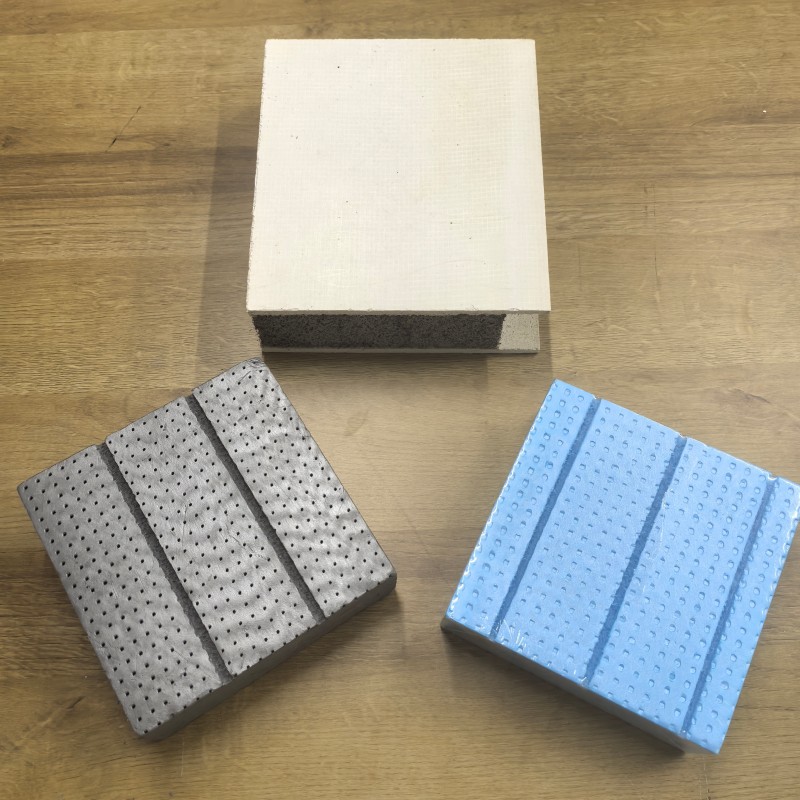 Environmental Building Board
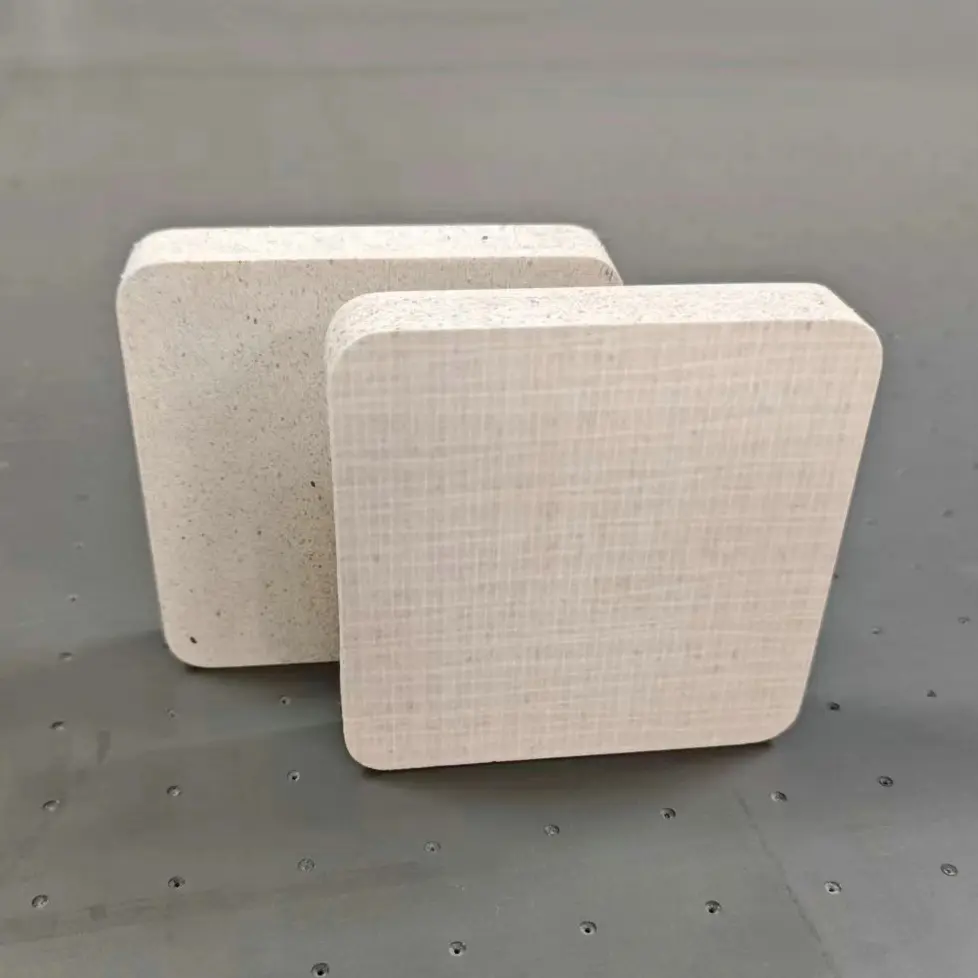 Fire-proof Board
 Sound Resistance
 Termite Resistance