China Top Moisture Resistant Panels For Bathrooms Essential Guide?
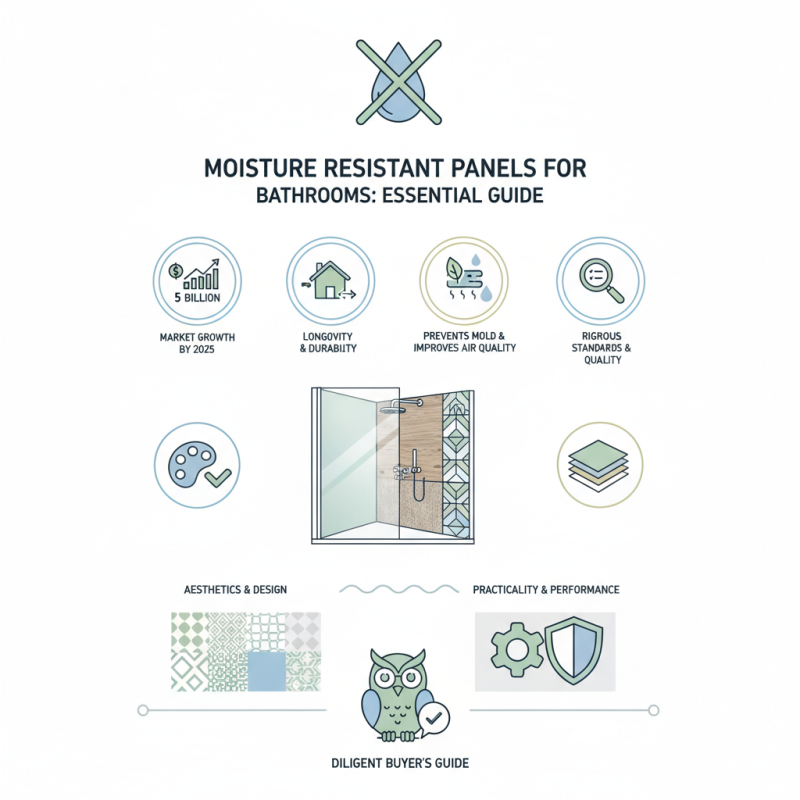
In the realm of bathroom design, the choice of materials is crucial, especially when it comes to moisture resistance. Moisture-resistant panels for bathrooms are increasingly recognized for their ability to withstand high humidity and prevent mold growth. According to a recent industry report by Global Market Insights, the market for moisture-resistant materials is expected to reach USD 5 billion by 2025, highlighting their growing importance.
Expert Heather Simmons, a leading figure in bathroom design, emphasizes, "Choosing the right moisture-resistant panels for bathrooms can drastically improve the longevity of your space." This speaks to the significance of quality materials in ensuring durability and aesthetic appeal. Traditional materials often fall short against the relentless threat of dampness. They may lead to costly repairs and poor air quality.
Moreover, while many homeowners prioritize aesthetics, the underlying practicality of moisture-resistant panels cannot be overlooked. Some panels boast unique designs that blend functionality with style. Yet, not all products on the market meet rigorous standards. Buyers must be diligent. Selecting the best options requires careful consideration of both design and performance.
Understanding Moisture Resistant Panels and Their Importance in Bathrooms
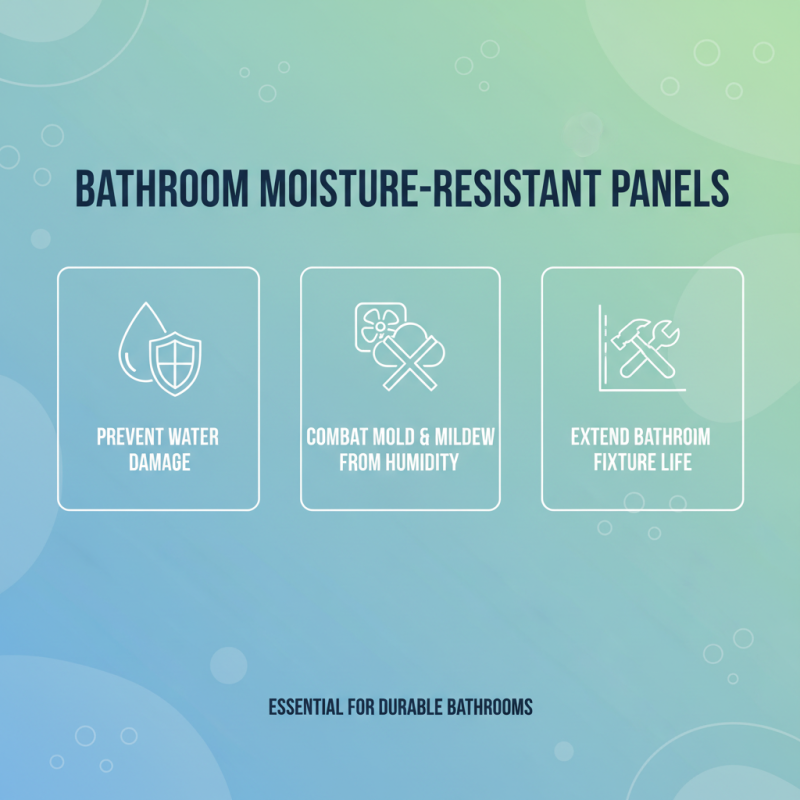
Moisture-resistant panels are essential in bathroom design. These materials help prevent water damage, which is crucial in a humid environment. Bathrooms face constant exposure to steam and humidity, making them prone to mold and mildew. Using the right panels can significantly extend the life of your bathroom fixtures.
When considering moisture-resistant panels, several factors come into play. Look for panels made of high-density materials. These materials typically resist warping and deterioration. Additionally, proper installation techniques are vital. Even the best products can fail if not installed correctly. Addressing hidden leaks and ensuring proper ventilation can further enhance their effectiveness.
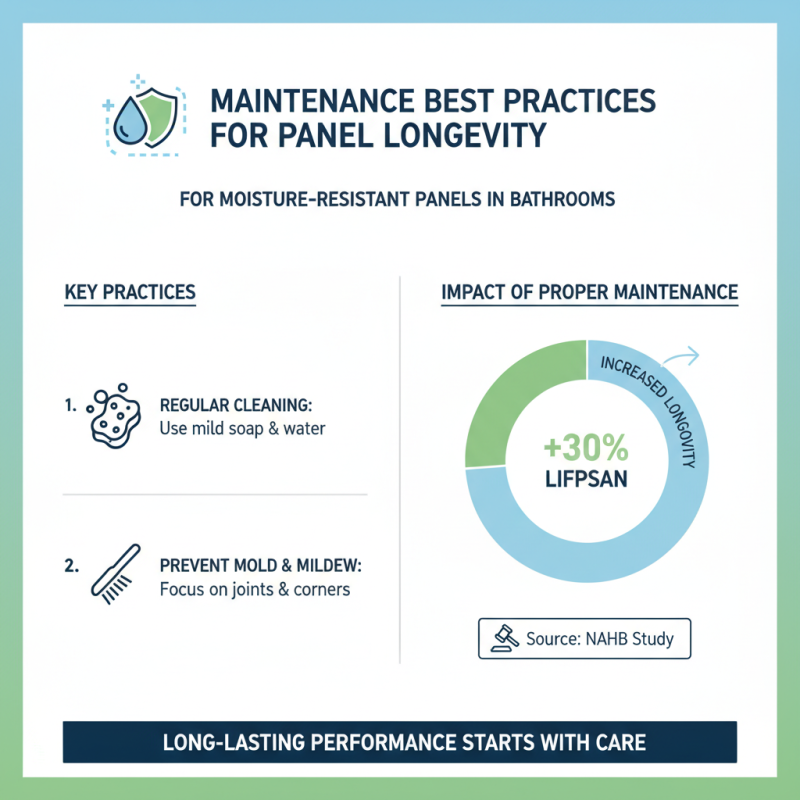
Despite the advantages, some might overlook the importance of ongoing maintenance. Regularly inspecting for signs of wear can prevent costly repairs in the long run. Not every panel type suits every bathroom. Choosing the right one requires thoughtful consideration of your specific needs.
Types of Moisture Resistant Panels Suitable for Bathroom Use
When renovating or building bathrooms, moisture resistant panels are critical. They protect against mold and water damage. Different types of panels cater to specific needs. Here’s a closer look at the options.
One popular choice is fiberglass reinforced plastic (FRP) panels. These panels are lightweight and offer excellent moisture resistance. According to a 2022 report by the National Bureau of Standards, FRP demonstrates over 95% water repellency. Another option is cement board, known for its durability under wet conditions. A study by the Building Research Institute states that cement boards reduce moisture absorption by up to 70%.
Tips: Always check the panel’s specifications before buying. Not all products are truly water resistant. Avoid using panels that lack certifications or data on moisture performance. For easier maintenance, consider panels with a smooth finish. They minimize dirt buildup and simplify cleaning.
It's important to reflect on your choice. Panels may have high moisture resistance, but improper installation can lead to leaks. A poorly sealed edge can compromise even the best materials. Investing in expert installation can mitigate these risks. Consider consulting professionals for better long-term results.
China Top Moisture Resistant Panels For Bathrooms Essential Guide
| Panel Type |
Material Composition |
Water Resistance Rating |
Common Uses |
Lifespan |
| PVC Panels |
Polyvinyl Chloride |
Excellent |
Shower walls, ceiling linings |
10-15 years |
| Fiberglass Reinforced Panels (FRP) |
Fiberglass and resin |
Very Good |
Commercial bathrooms, kitchens |
20-25 years |
| MDF with Moisture Resistant Coating |
Medium Density Fiberboard |
Good |
Cabinetry, wall paneling |
5-10 years |
| Plywood with Water-Resistant Treatment |
Plywood with special coatings |
Good |
Bathroom vanities, wall studs |
10-15 years |
| Cement Board |
Cement and reinforcement fibers |
Excellent |
Tile backer for showers |
30+ years |
Key Features to Look for in Bathroom Moisture Resistant Panels
When selecting moisture-resistant panels for bathrooms, focus on specific features that enhance durability and functionality. First, consider the material. High-density fiberboard (HDF) or PVC panels can offer excellent moisture resistance. These materials prevent warping, which is crucial in a humid environment.
Another important feature is the surface finish. Look for panels with protective coatings that resist mold and mildew. A smooth, non-porous surface is easier to clean. This detail can save time and effort in your maintenance routine.
Tips for installation include ensuring a proper seal at joints. This step prevents water from seeping in, which can lead to damage over time. Also, consider the panel's thickness. Thicker panels usually provide better insulation and sturdiness.
While these features are essential, not all panels are perfect. Some may crack or fade under extreme conditions. It's wise to research different products. Compare user reviews for real-world experiences. Always weigh the pros and cons before making a decision.
Installation Tips for Maximizing the Benefits of Moisture Resistant Panels
Installing moisture resistant panels in bathrooms is key for enhancing durability and aesthetics.
These panels resist water damage, mold, and mildew, making them an ideal choice for high-humidity areas.
According to industry reports, moisture-resistant panels can reduce water damage by 60% compared to standard materials.
Proper installation maximizes these benefits, ensuring longevity and function.
Begin by preparing the wall surface. It should be clean and dry.
Consider adding a waterproof barrier for added protection. Align the panels correctly to prevent gaps. A common mistake is not sealing edges properly.
This can lead to moisture seeping through over time. Use construction adhesive where recommended for additional stability.
Ensure that the installation is straight and secure.
Ventilation is also crucial. Even moisture-resistant materials need airflow to maintain their integrity.
Installation near a vent or window can alleviate humidity issues. Regular maintenance checks are vital.
Look for signs of wear or damage periodically, as even the best panels may show signs of aging.
Despite their durability, be proactive instead of reactive. This approach maximizes the lifespan and effectiveness of moisture resistant panels.



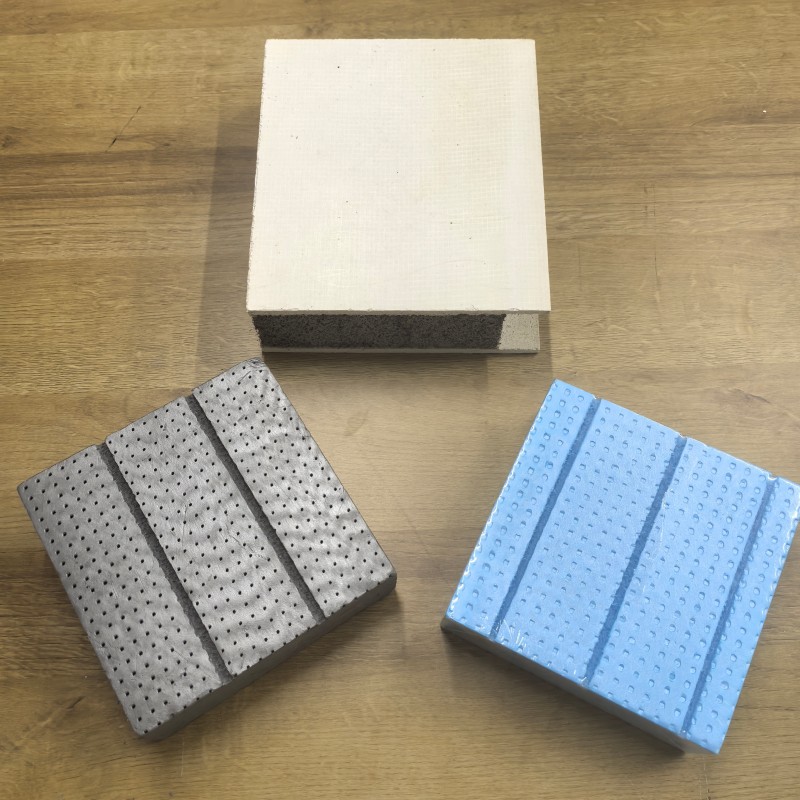 Environmental Building Board
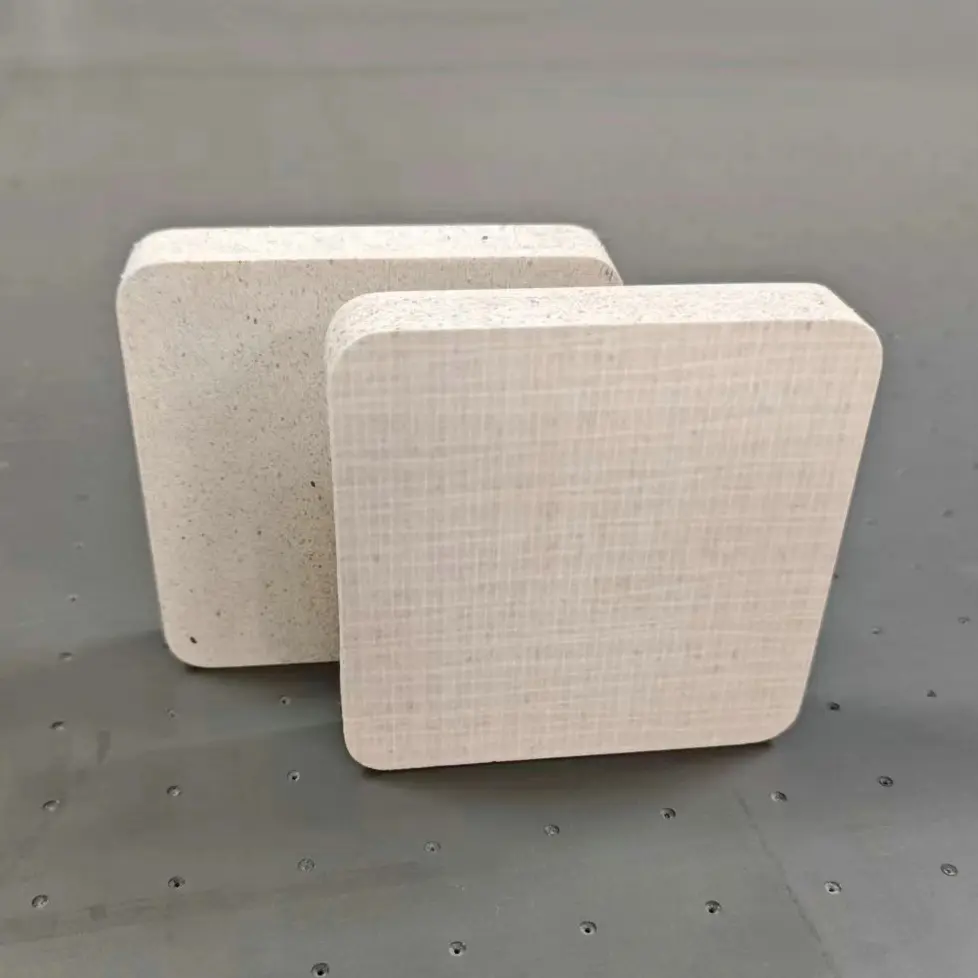 Fire-proof Board
 Sound Resistance
 Termite Resistance