How to Choose the Best Non-Toxic Board for Safe Crafting and Building
Crafting should be a fun and safe activity for everyone. When choosing materials, safety is key. This is where the Non-Toxic Board comes into play. It offers a way for creatives to build and craft without harmful chemicals.
Consider the daily exposure to toxins in our environment. Conventional boards can often release harmful substances. This makes the choice of a Non-Toxic Board more crucial. Look for options that are free from formaldehyde and other harmful chemicals. These boards are better for your health and the planet.
Yet, selecting the right non-toxic materials can be challenging. There are many brands available, each claiming to be safe. Do your research. Read reviews and seek certifications. It can be daunting but essential for peace of mind. After all, your creations should enhance your space, not compromise your health.
Understanding Non-Toxic Materials: What Makes a Board Safe?
When choosing a board for crafting, understanding non-toxic materials is crucial. Many boards contain harmful chemicals like formaldehyde, which can release toxins into the air. According to a report by the Consumer Product Safety Commission, over 15,000 people seek medical treatment annually due to inhalation of harmful chemicals from building materials.
Non-toxic boards usually contain natural substances. Options like bamboo, recycled paper, or cork are safer choices. Bamboo grows rapidly and absorbs carbon, making it environmentally friendly. Meanwhile, recycled paper boards are made from post-consumer waste, reducing landfill impact. The Green Building Council emphasizes that using such materials can improve indoor air quality by reducing harmful emissions.
However, not all non-toxic claims are equal. Some boards may market themselves as "green" without sufficient testing. It's important to look for certifications like GREENGUARD or FSC. These certifications ensure materials meet strict standards for chemical emissions. Always research before making a purchase. Choosing non-toxic materials can feel overwhelming, but it is essential for health and environment. Reflect on what matters most to you in your crafting projects.
Types of Non-Toxic Boards: Comparisons of Options for Crafting
When choosing a non-toxic board for crafting, consider the materials available. Plywood is a popular option. It’s sturdy and widely used. Look for plywood that uses non-toxic adhesives. This helps minimize harmful emissions.
MDF, or medium-density fiberboard, presents another choice. It often has a smooth surface, making it great for painting. However, be cautious. Some MDF can contain formaldehyde. Always check labels carefully.
Bamboo boards are gaining popularity. They are eco-friendly and lightweight. These boards can be cut easily and have a unique aesthetic. However, they may not be as durable as plywood. Depending on your crafting needs, weigh the pros and cons. Each has its strengths and weaknesses to consider.
Comparison of Non-Toxic Boards for Crafting
Key Features to Look for in Non-Toxic Boards for Building Projects
When selecting non-toxic boards for crafting and building, key features are crucial. Look for materials labeled as low-VOC or VOC-free. These substances emit fewer harmful fumes. According to the U.S. Environmental Protection Agency, reducing VOC exposure can significantly lower health risks. Not all boards meet these standards, and careful research is essential.
Durability is another critical factor. Choose boards that can withstand wear without degrading. High-quality non-toxic boards should endure moisture and temperature changes without producing harmful particles. For example, bamboo is a resilient option. Bamboo composites have shown strong performance in various building applications, standing up to moisture better than traditional wood.
Check for certifications. Look for boards tested by independent organizations. Certifications like Greenguard Gold indicate low chemical emissions. Reports suggest that products with these seals are safer for indoor use. However, it’s vital to remain vigilant, as not all claims are credible. Conduct thorough checks before making purchases, ensuring that the product aligns with your health standards.
Safety Standards and Certifications for Non-Toxic Crafting Materials
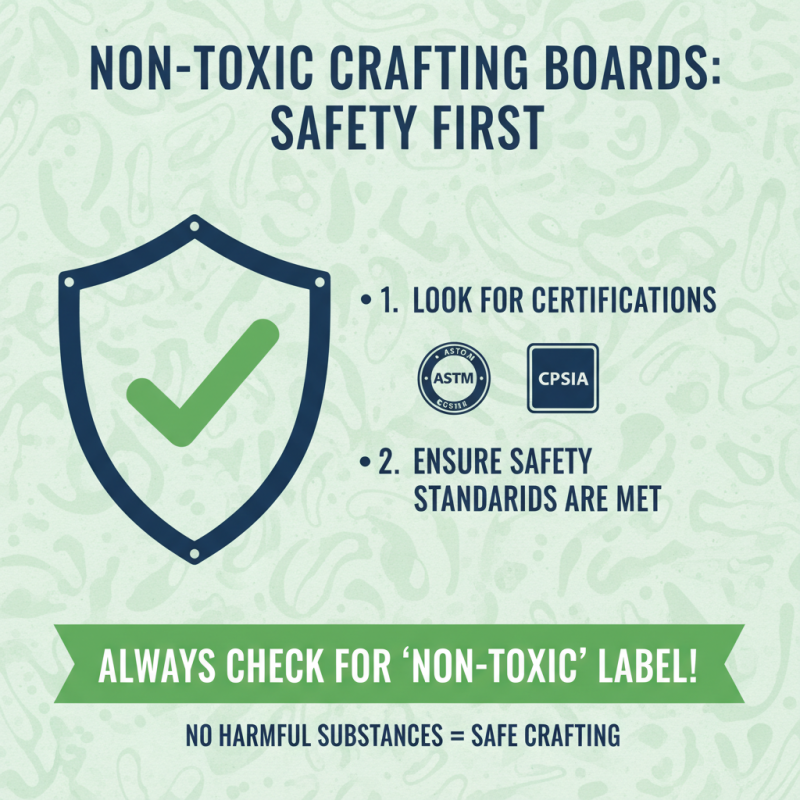
When selecting non-toxic boards for crafting, safety standards are crucial. Look for certifications like ASTM and CPSIA. These standards ensure that materials meet specific safety requirements designed to protect both children and adults. Always check if the board is labeled as non-toxic. The absence of harmful substances is what makes these materials safe for crafting.
Not all non-toxic boards are created equal. Some may still contain trace chemicals. It’s essential to research different materials and their compositions. For example, bamboo and reclaimed wood are often considered safer options because they have lower chemical exposure. Yet, even these can vary greatly between manufacturers.
Before purchasing, ask questions or seek out reputable sources. Product reviews can sometimes be misleading. They might not highlight potential risks. Consider examining boards in person if possible. Smell and texture can indicate the quality and safety of the material. Crafting should be an enjoyable experience, free from worry about harmful substances. Make informed choices to ensure safety in your projects.
Tips for Testing and Ensuring Board Safety Before Use
Choosing a safe crafting board is crucial. Many boards can contain harmful chemicals like formaldehyde and volatile organic compounds (VOCs). When selecting materials, scrutinize labels carefully. The Environmental Protection Agency (EPA) reports that indoor air quality can be significantly affected by these substances.
Testing a board's safety before use is essential. A simple method is the sniff test. If a board emits a strong chemical odor, it's likely unsafe. Additionally, consider using a handheld VOC meter. Studies indicate that these meters can detect harmful levels of VOCs, which may not be visible or noticeable otherwise.
Not all boards are created equal. Some may seem fine but might release toxins when cut or heated. Look for certifications confirming low emissions. The American National Standards Institute (ANSI) suggests checking for third-party endorsements. Remember, safety isn't guaranteed. Always research and stay informed about the materials you work with. It’s a work in progress to create a safer crafting environment.
How to Choose the Best Non-Toxic Board for Safe Crafting and Building - Tips for Testing and Ensuring Board Safety Before Use
| Board Type |
Material |
Toxicity Level |
Safety Certifications |
Recommended Uses |
| Bamboo Board |
Bamboo |
Low |
FSC Certified |
Crafting, DIY Projects |
| Cork Board |
Cork |
Very Low |
Natural Product Certification |
Bulletin Boards, Crafting |
| MDF Board |
Medium Density Fiberboard |
Moderate |
E1 Standard for Low Formaldehyde Emission |
Furniture, Crafting |
| Plywood |
Wood Veneer |
Low |
CARB Compliant, FSC Certified |
Construction, Crafting |
| Particle Board |
Recycled Wood Particles |
High |
E0 Standard for Low Emissions |
Furniture, Indoor Use |



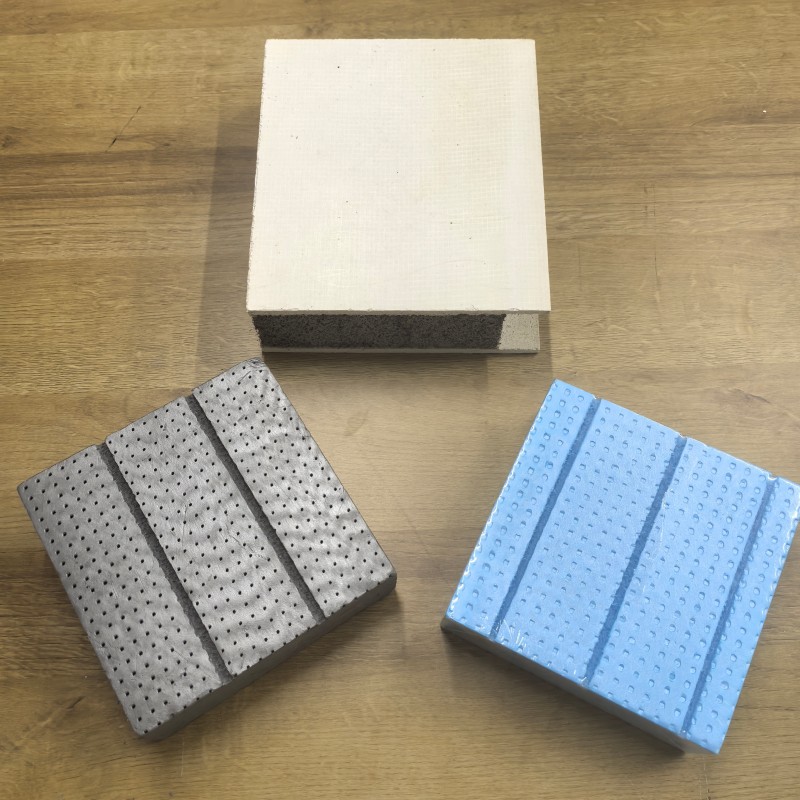 Environmental Building Board
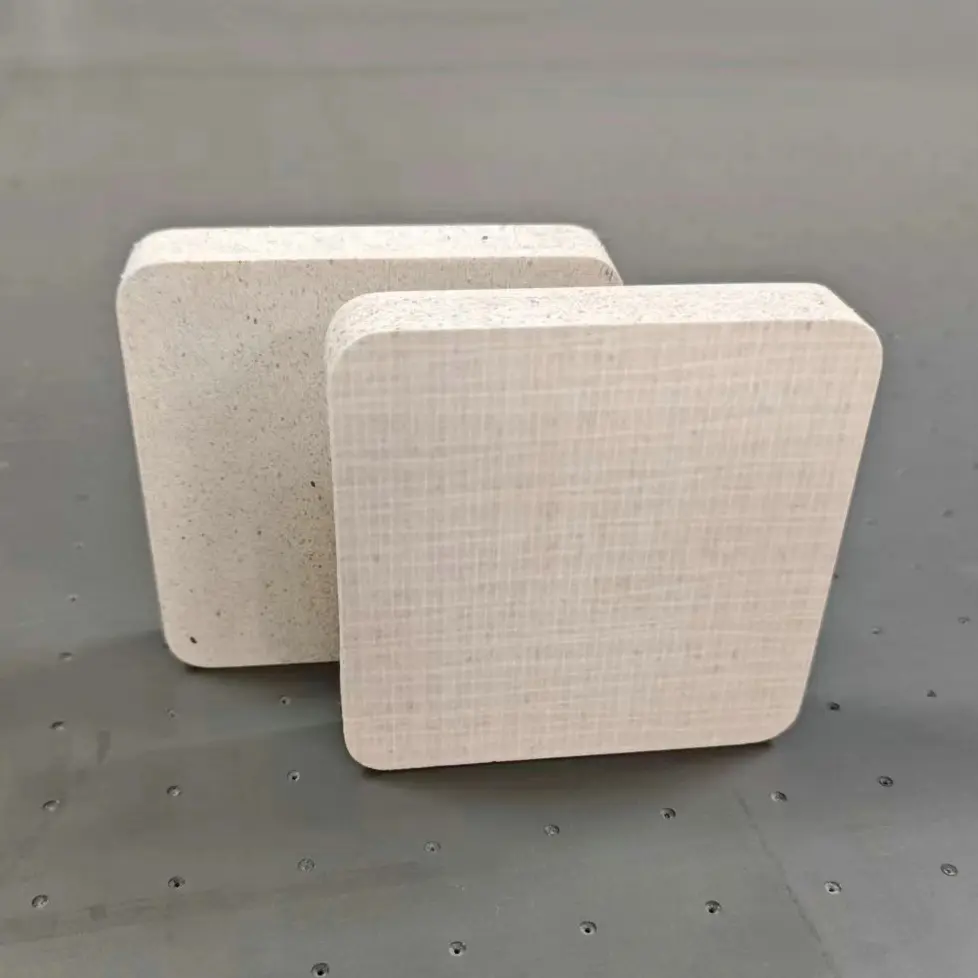 Fire-proof Board
 Sound Resistance
 Termite Resistance