How to Choose the Right Glass Wool Board for Your Insulation Needs?
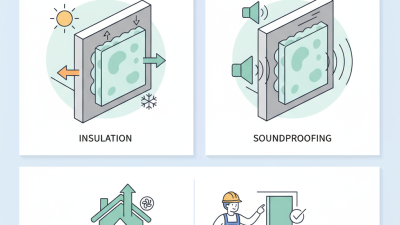
When selecting the right Glass Wool Board for insulation, various factors come into play. John Smith, an industry expert, emphasizes, "The right choice can make or break your insulation effectiveness." Glass Wool Boards are pivotal in energy efficiency and soundproofing.
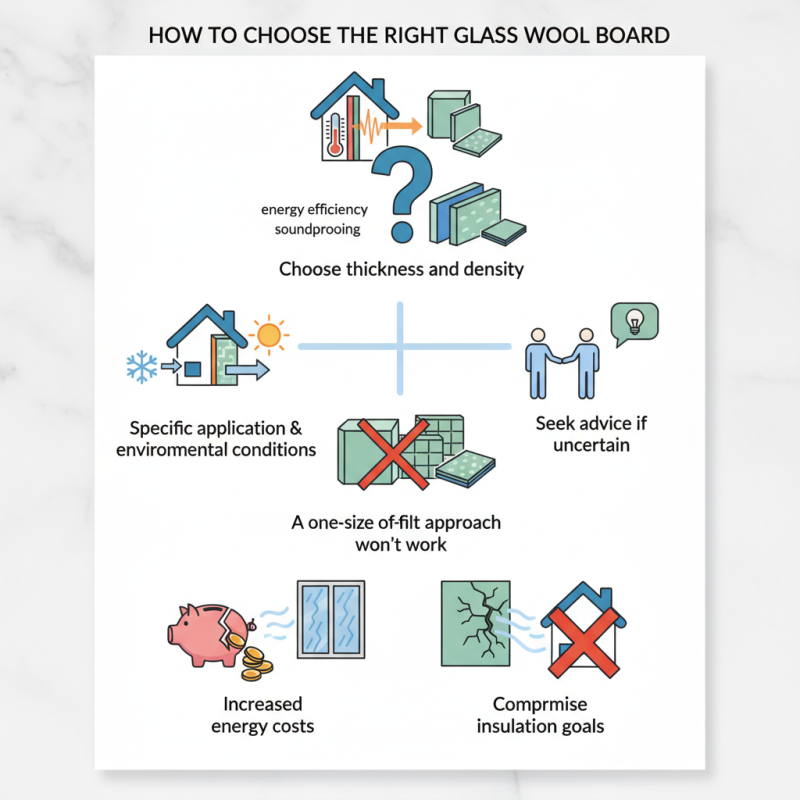
Choosing the correct thickness and density can be challenging. Different projects require different specifications. A poorly chosen board can lead to increased energy costs. This reflects the need for informed decisions.
Consider your specific application and environmental conditions. Seek advice if uncertain. A one-size-fits-all approach simply won't work. Remember, the wrong Glass Wool Board might compromise your insulation goals. Reflect on the implications of your choices.
Understanding Glass Wool Board and Its Benefits for Insulation
Glass wool board is a popular choice for insulation in various applications. It's made from fine glass fibers, offering excellent thermal resistance. This material is lightweight and easy to handle. According to a report by the U.S. Department of Energy, fiberglass insulation, including glass wool, can achieve an R-value of around 3.2 to 4.0 per inch of thickness. This means it effectively reduces heat loss in buildings.
Using glass wool board can lead to significant energy savings. Buildings insulated with this material often see a reduction in heating and cooling costs by 20% or more. However, it's essential to consider potential drawbacks. For instance, improper installation can lead to gaps and reduce its effectiveness. Additionally, glass wool can irritate the skin, eyes, and respiratory system if not handled carefully. Proper safety measures should always be taken during installation.
Beyond its insulation properties, glass wool board is also environmentally friendly. It’s made from recycled materials, contributing to sustainability efforts. However, you should weigh these benefits against the need for proper maintenance and ongoing checks. Eventually, the performance of any insulation material can decline over time if not properly integrated into a building's design.
Identifying Your Insulation Needs: Factors to Consider
When it comes to choosing the right glass wool board for insulation, identifying your specific needs is crucial. Start by evaluating the areas in your home that require insulation. Is it the attic, walls, or floors? Each space has unique demands. For instance, an attic may benefit from higher thermal resistance, while walls may require soundproofing properties.
Consider the climate in your area. In colder regions, thicker boards could provide better insulation. In contrast, a milder climate might only need thinner options. Also, reflect on your budget. Higher density boards can be more effective but also more expensive.
Don’t overlook the installation process. Ensure you have the resources and skills needed for proper setup. Improper installation can negate the benefits of insulation. Lastly, take a moment to assess the long-term impact of your choice. Will it meet future needs? Making these considerations thoughtfully can guide you to a glass wool board that truly fits your insulation needs.
Types of Glass Wool Boards: A Comparative Overview
When selecting a glass wool board for insulation, understanding the different types is crucial. There are mainly two types: quilted and rigid boards. Each type serves specific needs and applications, which can greatly affect insulation performance.
Quilted glass wool boards are lightweight and flexible. They are ideal for walls and ceilings in residential buildings. Their thermal resistance can reach R-values of 3.0 to 4.0 per inch. Rigid boards, on the other hand, provide superior structural support. They are often used in commercial applications. Rigid boards can offer R-values of 4.0 to 6.0 per inch, making them more energy-efficient in certain contexts.
Despite the advantages, installation can be tricky. Gaps and seams during setup can lead to significant thermal losses. Studies show that improper installation can reduce insulation effectiveness by up to 30%. This is a common area where users need to reflect on their methods. Choosing the right type doesn't only depend on insulation value but also on installation practices, ensuring that the selected glass wool board meets both the physical and thermal demands of your project.
Key Specifications to Look for in Glass Wool Boards
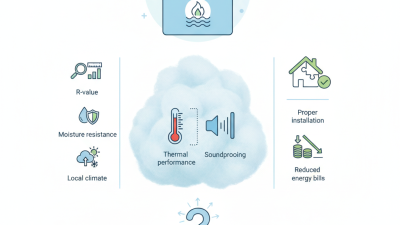
When selecting the right glass wool board for insulation, specific key specifications should be prioritized. One of the most critical factors is the thermal conductivity rating, typically measured in K-value. A lower K-value indicates better insulation performance. Industry standards suggest that quality glass wool boards have a K-value ranging from 0.032 to 0.040 W/mK. This means they can significantly reduce heat transfer in both residential and commercial buildings.
Another vital aspect is the moisture resistance of the glass wool board. Boards with higher moisture resistance prevent mold growth and degradation, which can compromise insulation performance. Look for products with a water vapor permeability value of less than 0.5 mg/(m·h·Pa). Insufficient moisture control can lead to increased energy costs.
**Tip:** Always review the product datasheet for these specifications.
Furthermore, consider the thickness of the board, as it directly affects insulation effectiveness. Generally, thicker boards provide superior thermal comfort. Thickness can range from 25mm to over 100mm for specific applications. However, practical installation space might limit choices.
**Tip:** Analyze your installation area before selecting board thickness.
Understanding these specifications helps you choose the right glass wool board effectively. Each project has unique requirements. Adjust your choices according to specific insulation needs. Not all products will meet every requirement. Prioritize based on your situation.
How to Choose the Right Glass Wool Board for Your Insulation Needs?
| Specification |
Value |
| Thermal Conductivity (Lambda Value) |
0.032 - 0.040 W/mK |
| Density |
10 - 50 kg/m³ |
| Thickness |
25 - 100 mm |
| Fire Resistance Class |
A1 (non-combustible) |
| Sound Absorption |
NRC 0.9 - 1.0 |
| Moisture Resistance |
Hydrophobic treatment available |
| Application Areas |
Walls, Roofs, Floors, Ductwork |
Installation and Maintenance Tips for Optimal Performance
When installing glass wool boards, proper handling is crucial. Ensure you wear gloves and a mask to protect against particles. Measure the area accurately before cutting the boards. A utility knife works well, but be careful. Rough edges can lead to gaps in insulation. These gaps might decrease efficiency over time.
After installation, regular maintenance is key for performance. Check for any moisture buildup or damage periodically. If you find dampness, address it quickly to prevent mold growth. Ensure that the area remains dry. Airflow around the glass wool is important. Ensure there are no obstructions. A clean space helps maintain insulation performance.
Sometimes, people overlook minor issues until they become major problems. Inspect your insulation at least once a year. If you spot anything concerning, consider consulting a professional. Small adjustments can lead to better energy savings down the line. Staying proactive pays off in the long run.



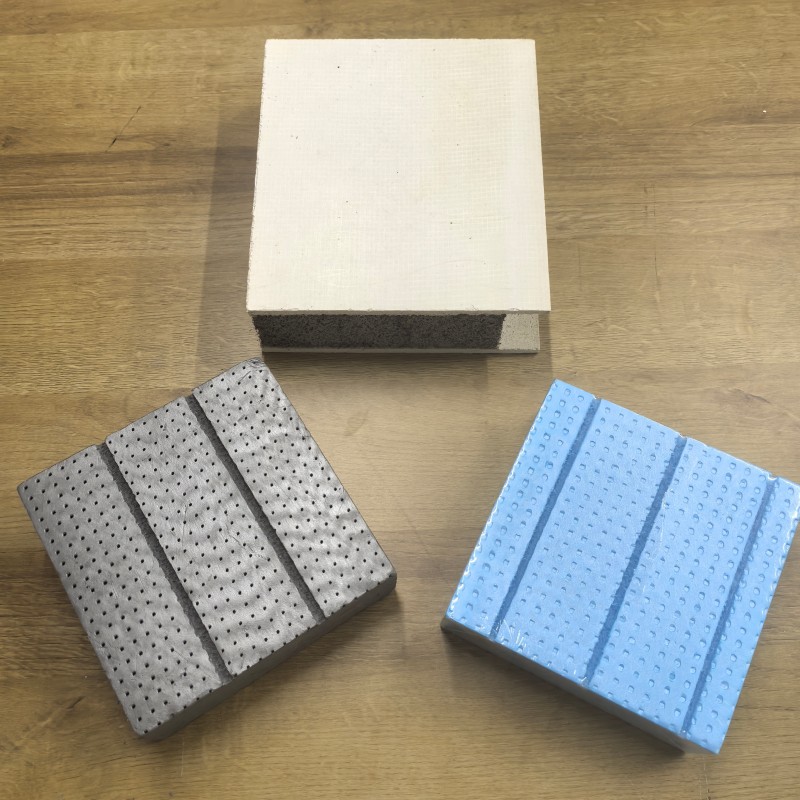 Environmental Building Board
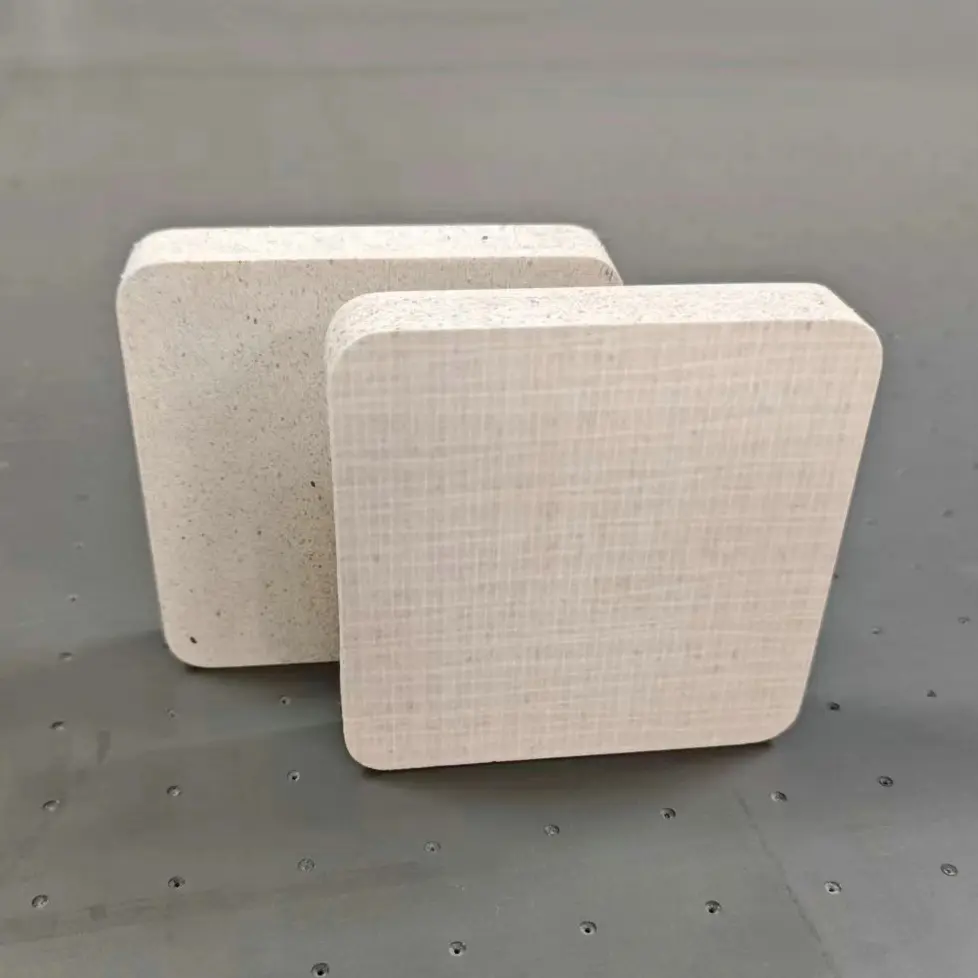 Fire-proof Board
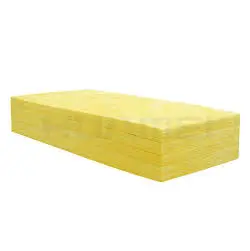 Sound Resistance
 Termite Resistance