Leave Your Message

Why Choose Roof Board for Your Home Roofing Needs?

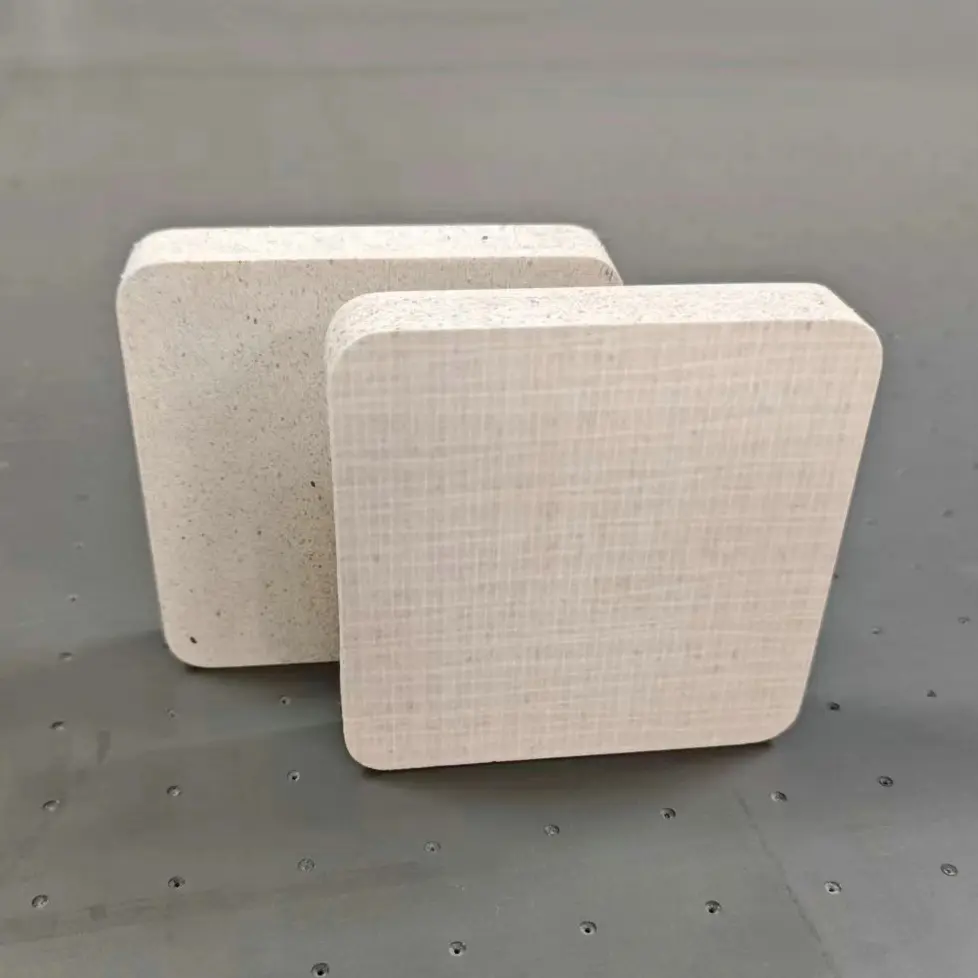
When considering roofing options, selecting the right materials is crucial. One material that stands out is Roof Board. This product offers durability and insulation, making it a popular choice among homeowners. Roof Board can protect your house from the elements effectively.

Roof Boards come in various types, providing flexibility to meet diverse roofing needs. There are boards designed for flat and sloped roofs. They provide excellent thermal resistance. However, it is vital to choose the right type for your specific climate. Poor choices can lead to issues like leaks or poor insulation.

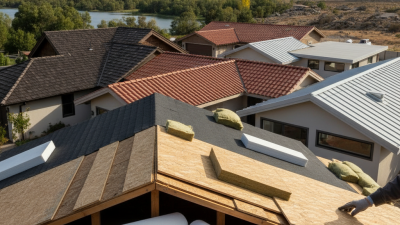
Additionally, installing Roof Board requires careful planning and expertise. A hasty installation can result in damage and a shorter lifespan for your roof. While the upfront cost may seem high, the long-term benefits and energy savings are significant. It's worth reflecting on the importance of selecting high-quality roofing materials like Roof Board for your home.
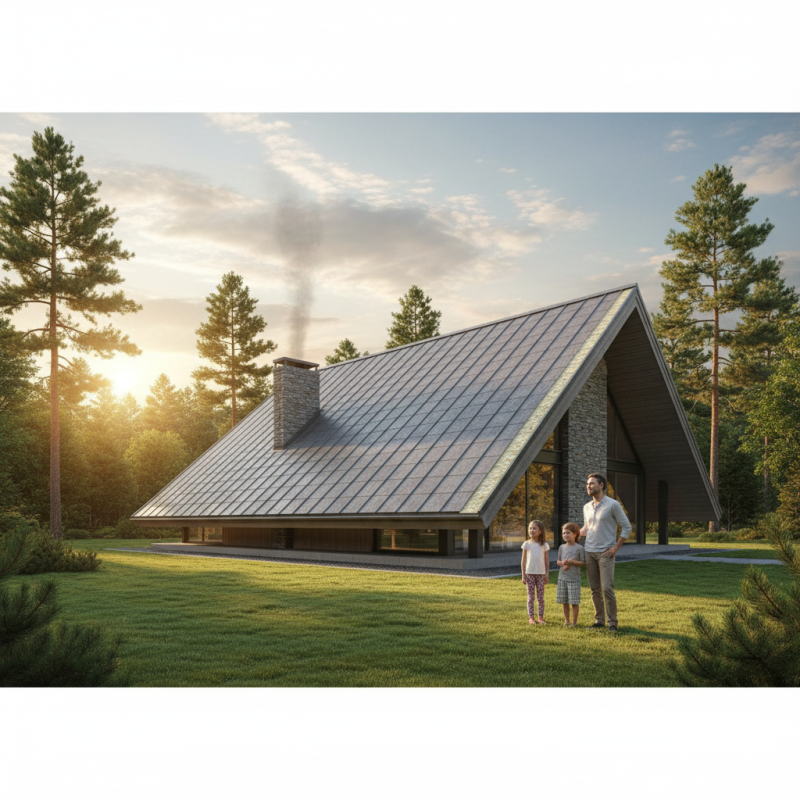
Why Choose Roof Board for Your Home Roofing Needs?

Understanding the Composition and Types of Roof Boards Available

Why Choose Roof Board for Your Home Roofing Needs?

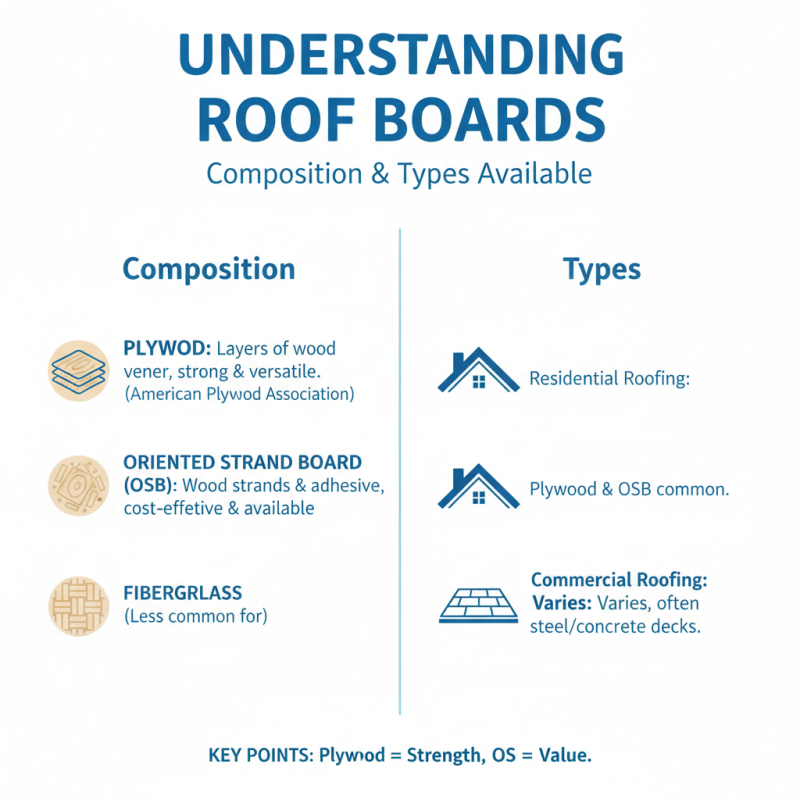
When it comes to roofing materials, understanding the composition of roof boards is essential. Roof boards are typically made from materials like plywood, oriented strand board (OSB), and fiberglass. According to the American Plywood Association, plywood remains popular due to its strength and versatility. However, OSB is often chosen for its cost-effectiveness and availability.

In recent years, innovations in roof board materials have emerged. Some products now incorporate recycled materials, appealing to environmentally conscious homeowners. A study by the National Association of Home Builders (NAHB) found that nearly 50% of new builds use eco-friendly materials. Despite these advancements, not all materials meet the same durability standards. Homeowners should consider factors like moisture resistance and weight, which can vary significantly.

Ultimately, selecting the right roof board requires careful consideration. Each type has distinct pros and cons. For instance, OSB may warp if exposed to moisture, while plywood generally stands up better. This highlights the need for thorough research and assessment before making a decision.
The Benefits of Roof Boards: Durability and Insulation Performance

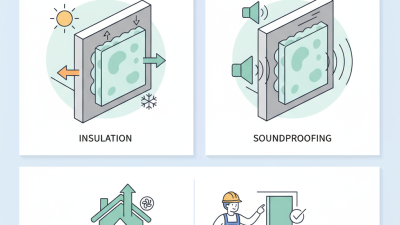
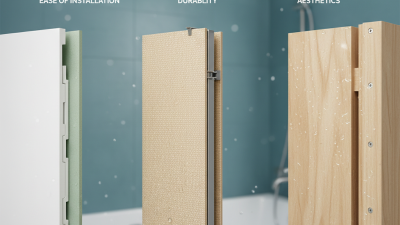
Roof boards are an essential aspect of any home roofing system. Their ability to provide durability and insulation makes them a popular choice. When considering home improvement, the benefits of roof boards should not be overlooked. They can withstand the test of time, resisting damage from harsh weather conditions, and UV rays.

Durability is a standout feature of roof boards. Many materials offer excellent strength and longevity. Some options even resist mold and mildew, which can be a significant concern. However, the choice of material is crucial. Some homeowners may overlook this, opting for cheaper options that don’t hold up well in the long run. Investing in quality materials will ultimately pay off.

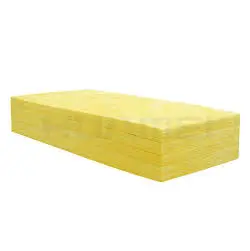
Insulation performance is another significant advantage. Roof boards can enhance a home’s energy efficiency. They help regulate indoor temperatures, making homes more comfortable year-round. This can lead to lower energy costs. Yet, many people fail to realize that not all roof boards provide the same level of insulation. Researching and selecting the right options can dramatically improve overall performance.

Cost Analysis: Comparing Roof Board Options for Homeowners

When it comes to roofing, homeowners face many choices. Roof boards are increasingly popular due to their versatility. However, their cost can vary widely. Understanding these differences is essential for making informed decisions.

For instance, plywood roof boards may be more budget-friendly but can lack durability. OSB boards are often cheaper, yet they might not hold up against extreme weather. Investing in high-quality materials often saves money in the long run. It's vital to compare the initial costs against the expected lifespan.

Another factor to consider is installation. Labor costs can significantly impact the overall budget. Some roof boards are easier to install and require less skilled labor. This may lead to lower installation expenses. Look for options that offer a balance between cost and quality. Evaluate your budget carefully before making a choice, as saving a bit initially could lead to higher future expenses.

Industry Standards and Certifications for Quality Roof Boards

When selecting roof boards, understanding industry standards and certifications is crucial. Quality roof boards must meet specific guidelines that ensure durability and safety. These certifications are indicators of a product's reliability. A roof board may carry marks showing it has undergone rigorous testing. This testing often evaluates fire resistance, moisture tolerance, and thermal performance.

Manufacturers may boast of meeting high standards, but it’s wise to verify. Not all certifications are equal. Some may reflect minimal testing, while others require extensive evaluations. Look for well-known organizations involved in the certification process. Trusted labels can guide homeowners toward better choices.

Consider the installation aspects as well. Quality roof boards should be easy to handle but secure upon placement. A weak board can compromise the entire roofing structure. Reflecting on installation experiences is important. Sometimes, even certified products fall short in real-world scenarios. Homeowners should weigh both the certifications and their personal insights before making a decision.

Installation Best Practices for Maximizing Roof Board Efficiency

When considering roof board installation, best practices can significantly impact durability and energy efficiency. According to the National Roofing Contractors Association, using high-quality roof boards can enhance insulation properties by 30% or more. Proper installation is critical. Ensure the boards fit snugly together without gaps. Gaps can lead to heat loss, moisture invasion, and reduced lifespan.

Another essential practice is to focus on the installation environment. Roof boards should be stored flat and protected from moisture before use. If they absorb water, their structural integrity may weaken. Research by the American Society for Testing and Materials shows that wet roof boards can lead to mold growth and premature failure. Fastening methods are also vital. Use appropriate fasteners and follow the guidelines to secure the boards firmly. Improperly fastened boards can lead to unnecessary movement and damage over time.

Regular inspections post-installation are important to maintain the system's efficiency. Look for signs of wear or moisture intrusion. Addressing these issues early can prevent costly repairs later. Yet, many homeowners overlook this step, potentially leading to bigger problems down the road. Prioritizing these installation practices ensures your roof board system performs at its best while preventing future headaches.

Roof Board Efficiency Comparison: Types of Roofing Boards