2026 How to Choose the Best Decorative Board for Your Home декор?
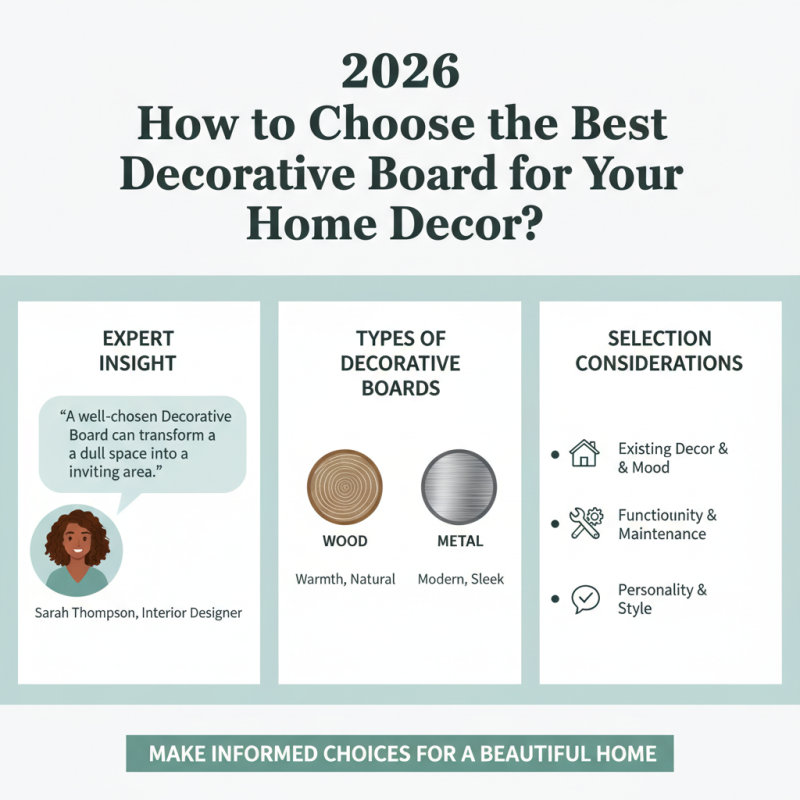
When it comes to home decor, choosing the right Decorative Board is crucial. Sarah Thompson, a renowned interior design expert, once said, "A well-chosen Decorative Board can transform a dull space into an inviting area." This statement captures the essence of how this element impacts overall aesthetics.
Decorative Boards come in various styles, materials, and sizes. Each option can reflect your personality and enhance your home’s ambiance. For instance, a wooden board can add warmth, while a metal board imparts a modern touch. However, with so many choices, the selection process can become overwhelming. It's common for people to second-guess their decisions, wondering if they chose the right texture or color.
Understanding the basics of Decorative Boards is essential. Think about your home’s existing decor and the mood you want to convey. It’s also important to consider functionality and maintenance. Some boards require special care, which might not suit everyone’s lifestyle. Reflecting on these factors can lead to a more confident choice that complements your living space.
Understanding Different Types of Decorative Boards Available for Home Decor
When selecting decorative boards for your home, understanding the variety available is essential. Decorative boards come in multiple materials, such as wood, MDF, and particle board. Each type offers unique aesthetic qualities and durability levels. For instance, wood boards bring warmth but can be pricey. MDF is cost-effective and versatile, suitable for painted finishes.
Different finishes also impact the final look. Textured boards add depth, while smooth surfaces offer a sleek appearance. In contrast, vinyl-wrapped boards resist scratches but may not provide the same warmth as wood. It's important to consider your space's overall style. A board that clashes with your existing decor can disrupt harmony.
You might find that some options do not meet your expectations. Researching and sampling materials can lead to unexpected insights. Sometimes, boards may warp or fade over time. Anticipating potential issues ensures your choice remains reliable. As you explore various types, keep an open mind about what works best for your home.
Evaluating the Aesthetic Appeal of Decorative Boards in Interior Design
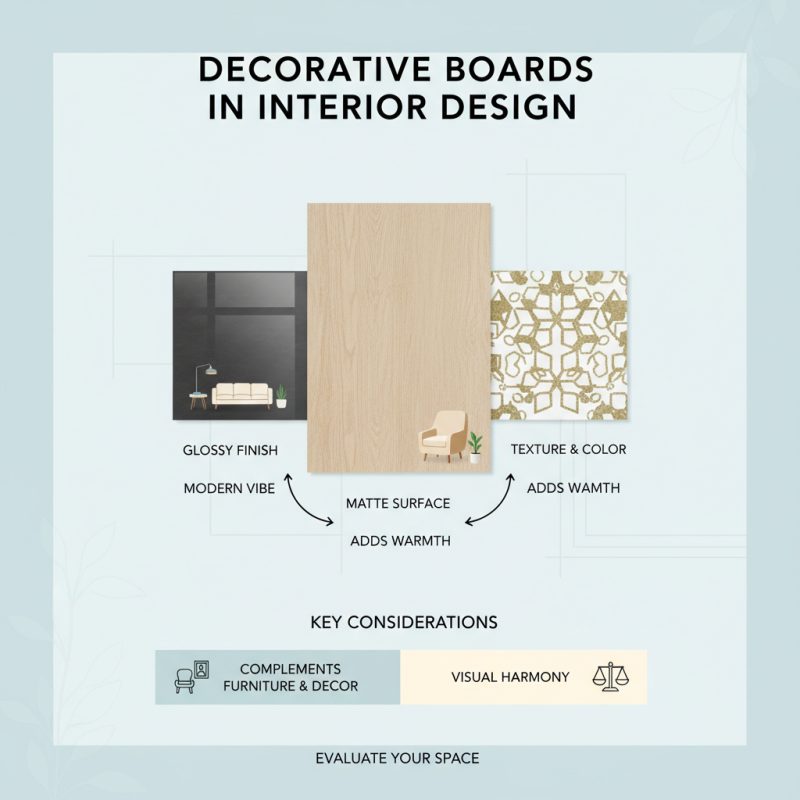
When it comes to interior design, decorative boards play a crucial role in achieving a harmonious aesthetic. These boards can enhance the visual appeal of any room, but choosing the right one can be challenging. Consider the texture and color carefully. A glossy finish might create a modern vibe, but a matte surface can add warmth. You need to assess how the boards complement existing furniture and decor.
The arrangement of these boards should not be overlooked. A well-placed decorative board can serve as a focal point. Think about scale: oversized boards can dominate a space, while smaller pieces may get lost. Artful layering creates depth. Be mindful of balance, too; symmetrical designs foster tranquility, while asymmetrical ones can spark interest.
While decorative boards add charm, the journey to find the perfect one may lead to unexpected challenges. You might find yourself torn between various styles. An often-neglected aspect is maintenance; some materials require more care. Always weigh the pros and cons. Reflecting on your choices can help you create a space that resonates with your unique aesthetic.
Assessing Durability and Maintenance of Various Decorative Board Materials
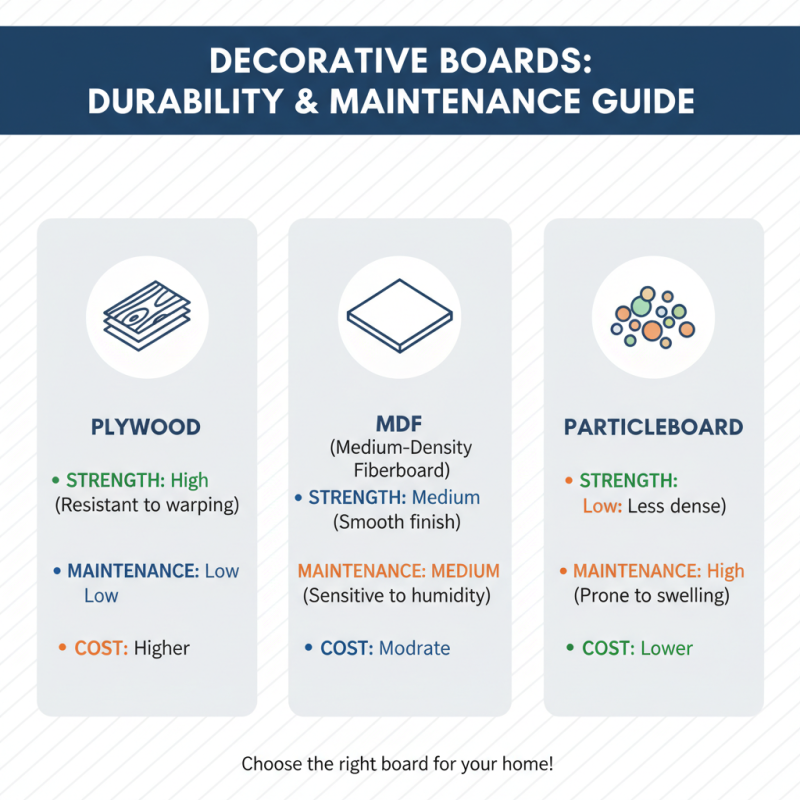
When choosing decorative boards for your home, assessing durability is crucial. Common materials include plywood, MDF, and particleboard. Each has its own strengths and weaknesses. For example, plywood is known for its strength and resistance to warping. However, it can be more expensive. On the other hand, MDF offers a smooth finish but is less durable in humid conditions.
Maintenance is another key factor. MDF requires careful handling, as it can swell when exposed to water. A research report by the Wood Products Council reveals that around 35% of homeowners prefer materials that need low maintenance. This trend indicates an increasing demand for durable options. Particleboard, while economical, suffers from lower lifespan and requires more frequent replacement, raising long-term costs.
Choosing a decorative board is not just about aesthetics. Testing for scratch resistance and ease of cleaning can make a significant difference. Understanding these properties will help you select materials that stand the test of time. Reflecting on your priorities can also lead to better choices. A balance between style and function is essential for lasting satisfaction.
Examining Cost-Effectiveness and Budget Considerations for Decorative Boards
When selecting decorative boards for your home, consider the cost-effectiveness carefully. There are many types of decorative boards available, and prices vary widely. Wooden boards might seem more expensive initially, but they often provide durability and timeless appeal. On the other hand, synthetic options can be cheaper but may wear out quicker. Think about your budget and the long-term value of your choice.
A well-planned budget is essential. Before shopping, calculate how much you can afford. Factor in installation costs if you hire professionals. You might find DIY options that save money, but be honest about your skills. A poorly installed board can end up costing more in repairs.
Also, consider the maintenance costs. Some materials require ongoing care, while others demand little attention. Take the time to research different materials. Visit showrooms or browse online for ideas. Visualizing how selections fit your space may lead to surprising insights. Remember, the best choice aligns with your needs and respects your financial limits, even if it takes time to reflect on what those truly are.
Cost-Effectiveness of Decorative Boards (2026)
Tips for Proper Installation and Placement of Decorative Boards in Your Home
When choosing decorative boards for your home, installation and placement are critical. A well-placed decorative board can transform a space. Industry reports indicate that homes with well-designed board placements can see a boost in aesthetic value by up to 30%. Understanding your room's dimensions and flow can guide placement.
Consider the room's lighting. Natural light affects how colors appear. For instance, a board in a bright area may look different than in shadow. Research shows that warm colors in sunny rooms increase mood. Measure carefully. A board that's too large can overwhelm a space, while a small one might get lost. Aim for balance.
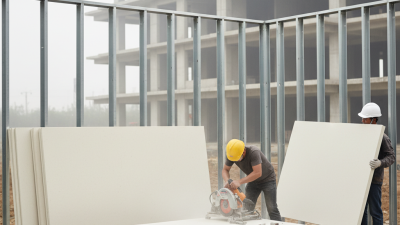
Installation demands patience. Wall preparation is key—clean, level surfaces ensure durability. Some reports suggest that improperly installed boards have a 15% higher risk of damage. Use appropriate adhesives or fasteners. Not all methods are foolproof. Always test a small area first. Reflect on adjustments as your decor evolves.



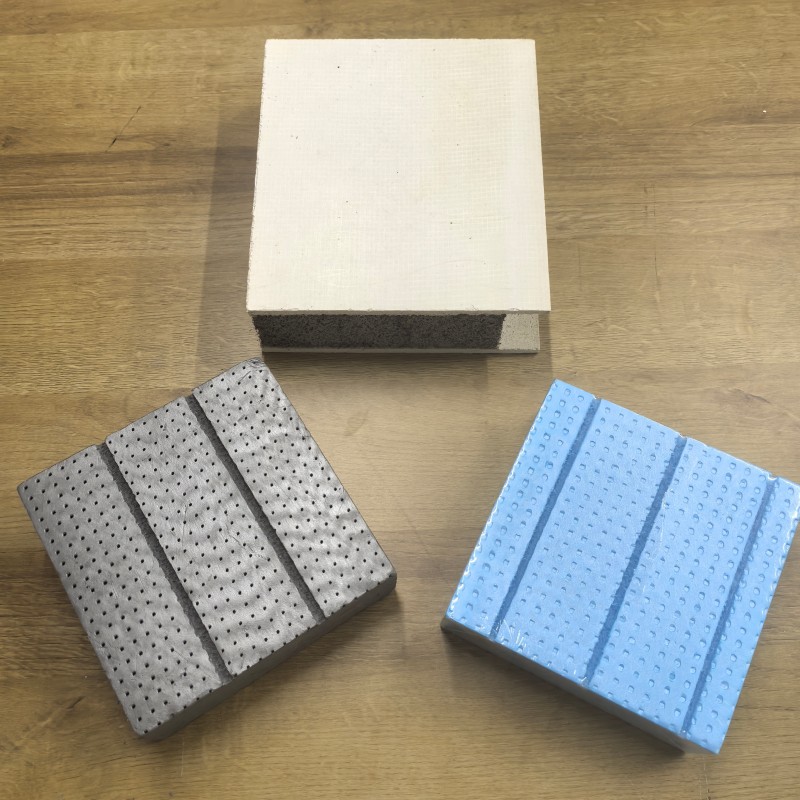 Environmental Building Board
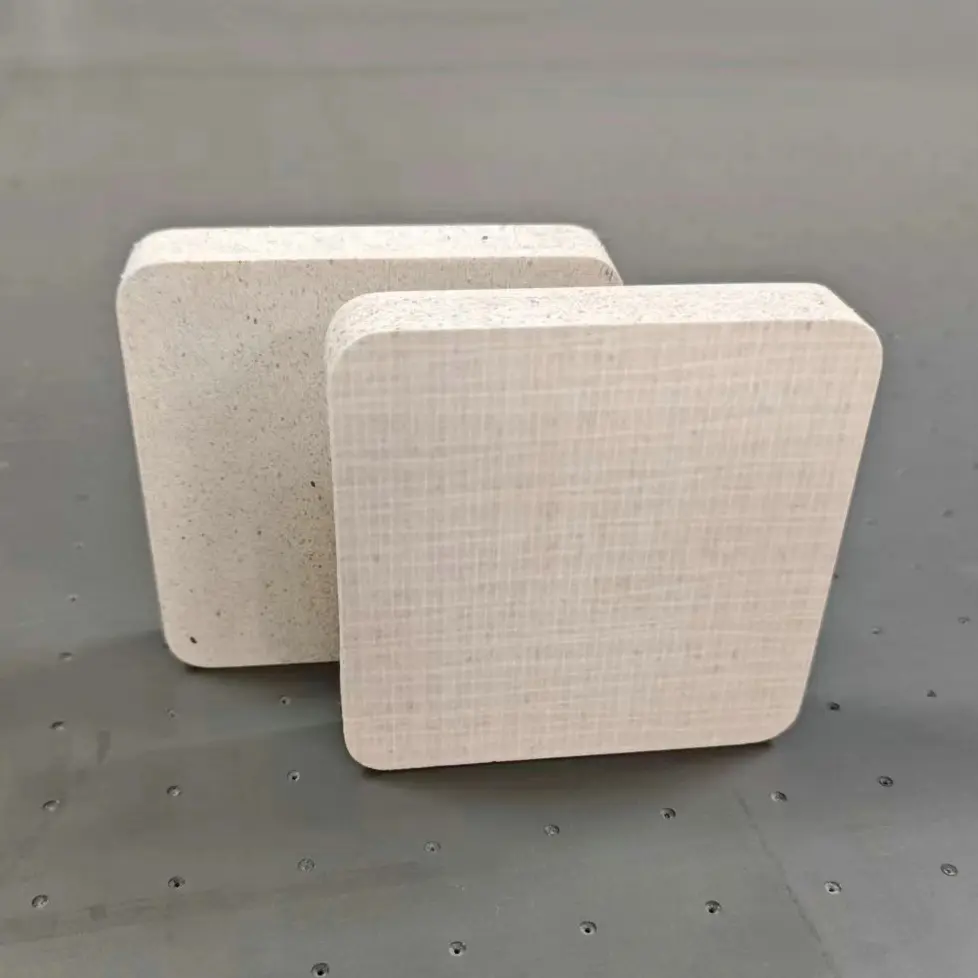 Fire-proof Board
 Sound Resistance
 Termite Resistance