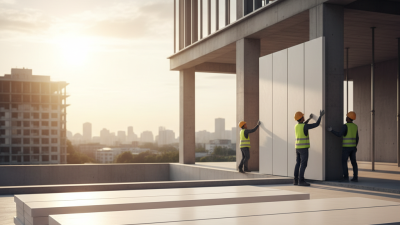
How to Choose the Best Construction Boards for Your Projects?
When embarking on a construction project, choosing the right Construction Boards is crucial. These boards serve as the foundation for your work, impacting durability and aesthetics. Understanding the different types of Construction Boards available can simplify your decision.
Many options exist, each suited for specific needs. Plywood, for example, is versatile and strong. However, it may warp under moisture. MDF offers a smooth surface, but lacks the strength for heavy-duty tasks. These are the kinds of considerations that can make or break your project.
Selecting the best Construction Boards requires careful thought. Think about the materials in relation to your project’s demands. Lightweight boards may be easier to handle, but might compromise on strength. Evaluating your unique situation will enhance your results. The right choices ensure your project stands the test of time.
Understanding Different Types of Construction Boards Available
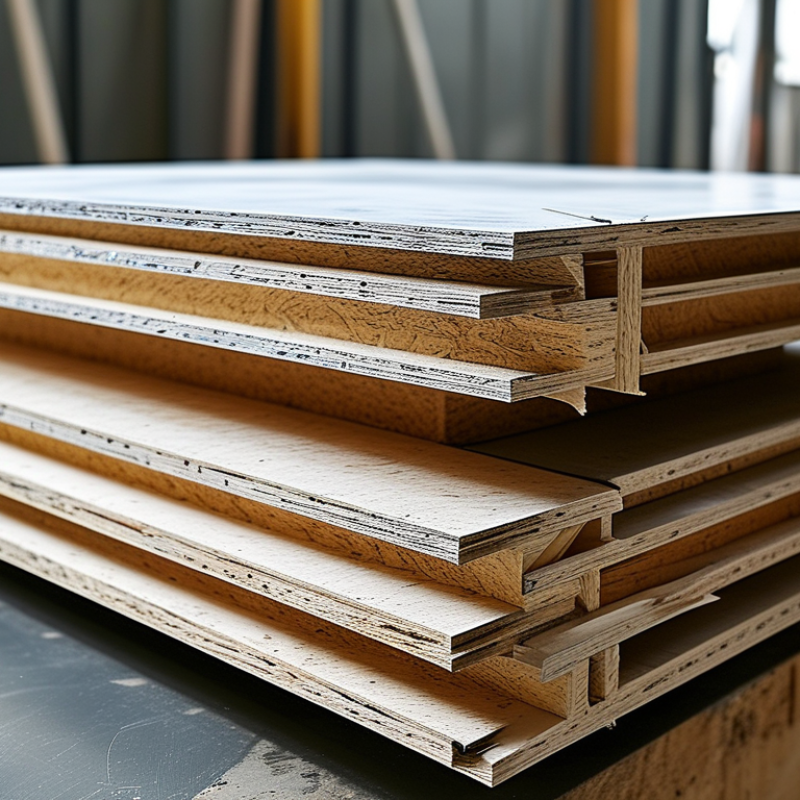
When selecting construction boards, it's essential to understand the various types available. Plywood is a versatile choice, often used for flooring and roofing. It's strong but can be affected by moisture. On the other hand, oriented strand board (OSB) serves as a cost-effective alternative, ideal for sheathing and subflooring. However, its strength can diminish when exposed to water.
Another common type is particle board. This is made from wood chips and adhesives. It is suitable for indoor use but lacks durability in wet conditions. Medium-density fiberboard (MDF) is another option that provides a smooth surface, making it perfect for cabinetry. The downside? It can warp under high humidity. Choosing the right board means weighing the pros and cons. It's a challenge, especially for beginners. Consider what your project requires before making a decision.
Comparison of Different Types of Construction Boards
Assessing the Strength and Durability of Construction Boards
When evaluating construction boards, strength and durability are paramount. You want materials that can withstand heavy loads and resist wear over time. Different types of boards offer varied strength levels. Some are better suited for structural support, while others excel in surface applications. Ensuring that your chosen board meets the required specifications is essential.
Testing the durability of construction boards can be tricky. Age, moisture, and environmental factors all play a role. For instance, water exposure can significantly weaken certain boards. Look for products that resist warping and swelling. It’s important to consult material data sheets. They provide insights into how boards perform under different conditions.
Consider integrating feedback from contractors or engineers experienced in using these materials. Their real-world insights can highlight strengths and weaknesses not evident on paper. Regularly review and reflect on your material choices. This iterative process can lead to improved project outcomes. Knowledge gained from past experiences shapes future decisions.
How to Choose the Best Construction Boards for Your Projects? - Assessing the Strength and Durability of Construction Boards
| Type of Board |
Material Composition |
Compressive Strength (MPa) |
Flexural Strength (MPa) |
Water Resistance |
Weight (kg/m²) |
| Plywood |
Wood Veneer Layers |
30 |
50 |
Moderate |
6-12 |
| Particle Board |
Wood Particles and Adhesive |
20 |
35 |
Low |
8-10 |
| Oriented Strand Board (OSB) |
Wood Strands and Adhesive |
22 |
42 |
Moderate |
9-11 |
| Medium Density Fiberboard (MDF) |
Wood Fibers and Adhesive |
18 |
30 |
Low |
10-12 |
| Gypsum Board |
Gypsum Core with Paper Facing |
16 |
25 |
High |
8-9 |
Evaluating Cost-Effectiveness for Your Construction Projects
When evaluating cost-effectiveness for construction boards, consider multiple factors beyond just price. The type of material used can influence long-term expenses. For instance, while plywood may be cheaper upfront, engineered wood may save you money in maintenance over time. Assess the project's specific needs and future potential.
Tips: Choose materials that match your project's requirements. A lower-priced option might lead to higher costs later due to repairs or replacements. Additionally, factor in labor costs. Some boards are easier to work with, reducing the overall expense.
Don't overlook the importance of durability. Boards exposed to moisture or heavy wear may need replacement sooner than anticipated. Sometimes, investing more initially can lead to savings down the road. It’s essential to reflect on past projects and evaluate material performance.
The decision isn't just about cost. Think about how each choice aligns with your project goals. Prioritize quality over merely chasing the lowest price. A thoughtful approach today can prevent costly mistakes in the future.
Choosing Boards Based on Environmental Conditions
When choosing construction boards, environmental conditions play a crucial role. Different climates and settings affect the durability and performance of boards. For instance, areas with high humidity require moisture-resistant materials. Similarly, regions with extreme temperatures need boards that can withstand expansion and contraction. Wood boards may warp or crack if not suited for local weather conditions.
Consider the location of your project. Coastal areas face salty air, which can degrade certain materials faster. This calls for boards that are treated for corrosion resistance. Urban environments introduce pollution, which can wear down materials. Look for boards designed with protective coatings. Reflect on how environmental factors impact your choices and the lifespan of your construction.
Many builders overlook the importance of testing. Some boards may seem durable, but may not perform well long-term. It’s wise to research and consult experts on regional material performance. What seems like a good choice today may lead to issues later. Testing boards in real conditions can reveal hidden weaknesses. Always aim for informed decisions to ensure project success.
Identifying Specific Project Requirements for Material Selection
When choosing construction boards, project requirements dictate material selection. Understanding the specific needs of your project is essential. In recent studies, over 70% of construction failures are linked to improper material choices. This emphasizes the importance of aligning materials with project demands.
Consider the environmental impact. Reports indicate that sustainable materials reduce carbon footprints by up to 30%. However, sourcing eco-friendly options can increase costs. Evaluate whether your project's budget allows for higher upfront investments for long-term benefits. Moreover, some materials, like plywood, may not perform well in humid environments, leading to problems down the line.
Project timelines also play a crucial role. Some boards require longer installation times, which can cause delays. According to industry data, tight schedules lead to rushed decisions. This often results in suboptimal material choices. Engage with experts who understand the nuances of material performance in your specific context. Balancing cost, sustainability, and durability can be complex, yet it is vital for successful project outcomes.



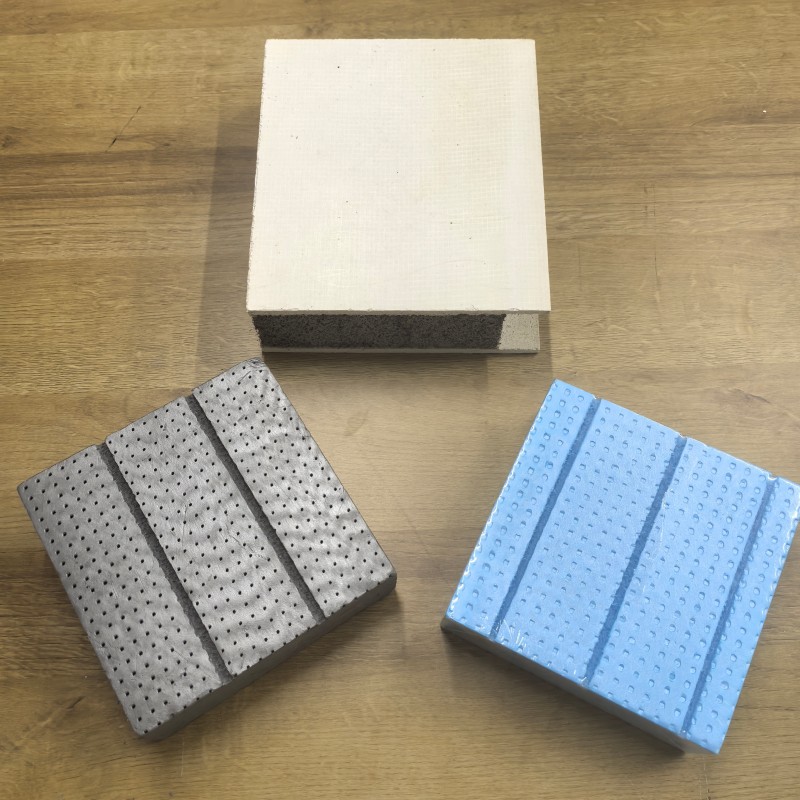 Environmental Building Board
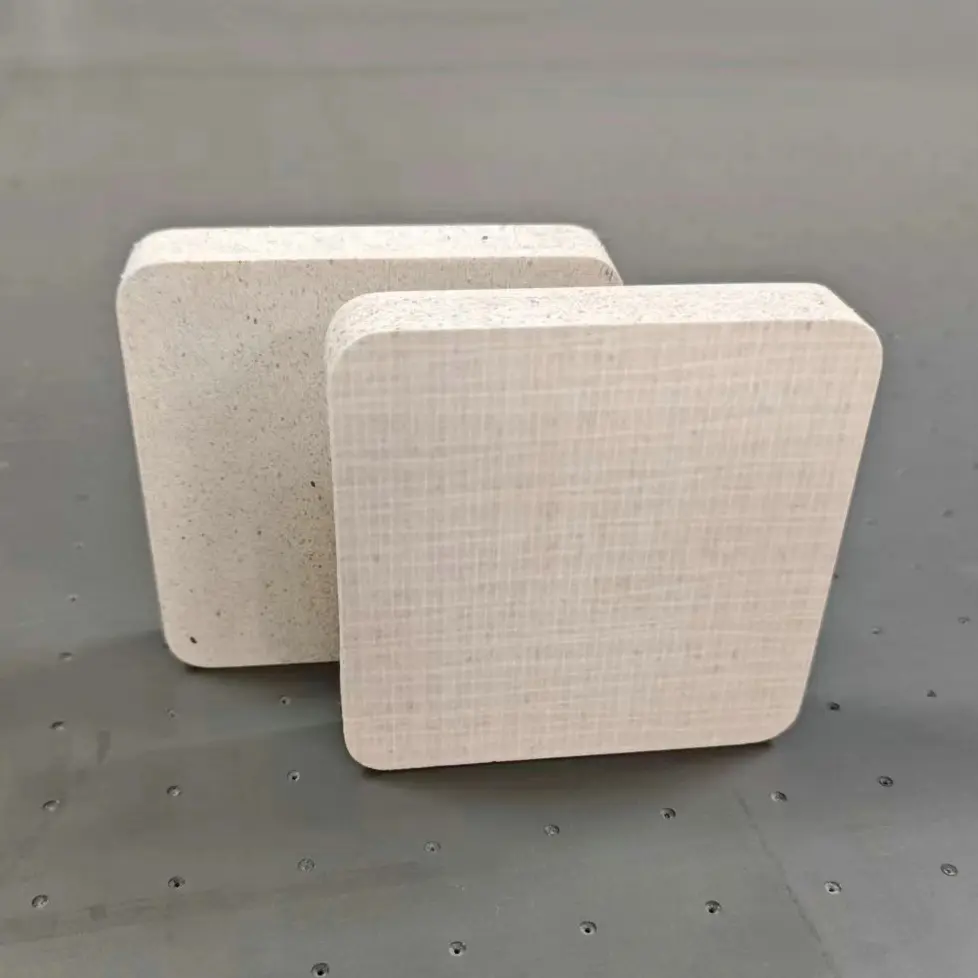 Fire-proof Board
 Sound Resistance
 Termite Resistance