How to Choose the Best Construction Boards for Your Project?
When embarking on a construction project, the choice of materials can significantly impact the outcome. As James Anderson, a renowned expert in the construction materials industry, once stated, "Selecting the right construction boards is crucial for a successful build." This wisdom resonates deeply in the realm of construction boards, where versatility and quality define the options available.
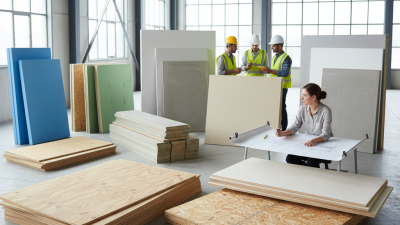
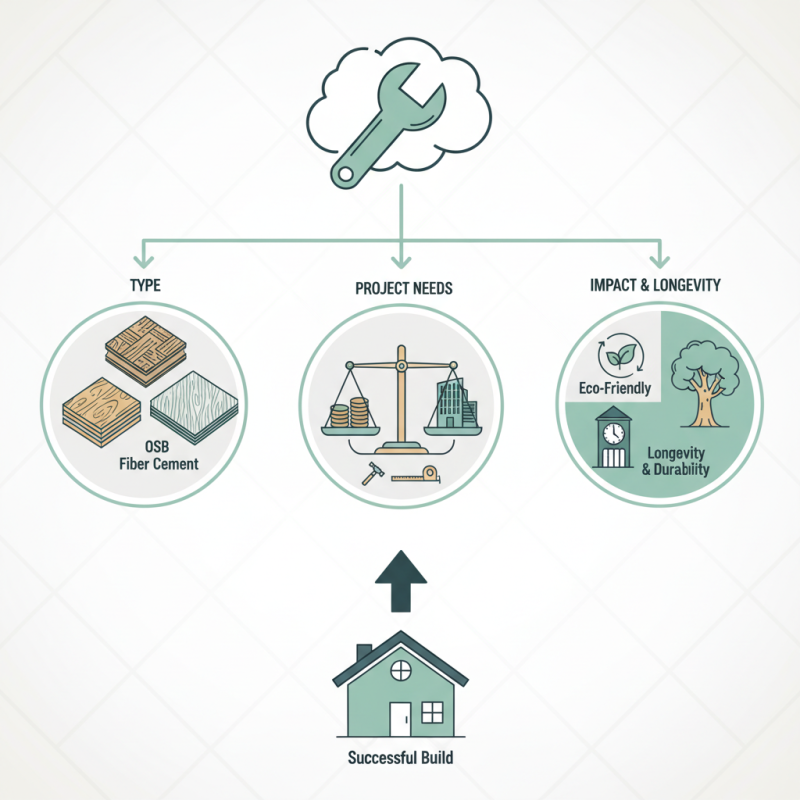
Construction boards come in various types, each designed for specific applications. From plywood to oriented strand board (OSB), understanding their properties is essential. For example, plywood offers strength, while OSB is cost-effective. It's important to evaluate your project's needs before making a choice. Often, builders face the dilemma of balancing cost and quality. Choosing less expensive boards might save money initially, but could lead to structural issues later.
Many overlook the environmental implications of their choices. Eco-friendly construction boards are becoming increasingly available, yet not always prioritized. Builders must also consider the longevity of materials. A seemingly perfect option today might not stand the test of time. Therefore, reflection on these aspects is crucial for ensuring both the quality and sustainability of your project.
Factors to Consider When Choosing Construction Boards
When choosing construction boards, several critical factors should be considered. The material type is essential. Options include plywood, MDF, and particleboard. Each has unique properties affecting strength, durability, and cost. For instance, plywood is often sturdier and more resistant to moisture compared to the others. However, it can also be more expensive. Noting the balance between price and quality is crucial.
Size and thickness are also vital in decision-making. Boards come in various sizes, and specific projects may demand custom dimensions. Keep in mind how these dimensions affect the structural integrity. A thicker board may provide more support, but it also adds weight. Weight can complicate handling and installation. Reflecting on your project’s unique requirements helps in making the right choice.
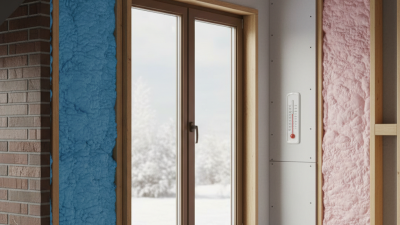
Environmental conditions should not be overlooked. Boards may react differently in various climates. For example, humidity can lead to warping in some materials. Also, consider the eco-friendliness of the boards. Sustainable materials may be a priority for some projects. However, these can sometimes be harder to source. Balancing ecological concerns with practical needs often requires reflection and adjustment in expectations.
Comparing Different Types of Construction Boards
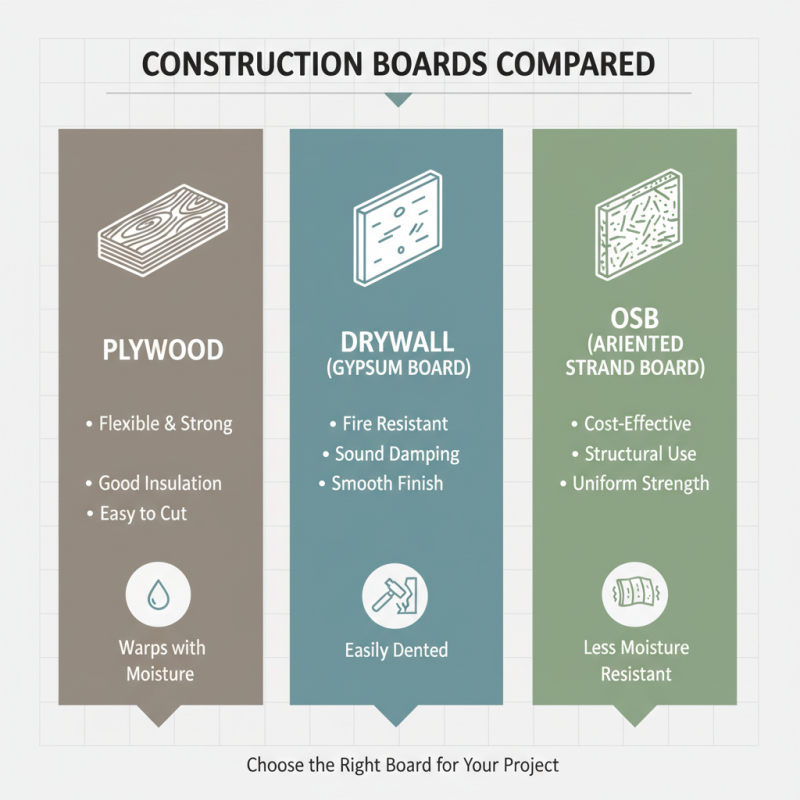
When comparing different types of construction boards, it’s essential to consider the project’s specific needs. Plywood is often a go-to choice for many builders due to its flexibility and strength. It provides good insulation and is fairly easy to cut. However, it can warp over time if exposed to moisture.
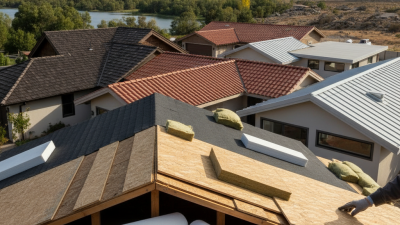
Alternatively, oriented strand board (OSB) offers enhanced durability. OSB is made from wood strands and adhesives. It stands up well in humid conditions, making it suitable for structural applications. Yet, some users find its surface finish less appealing.
Gypsum boards, or drywall, are popular for interior walls. They are lightweight and easy to install. Still, they require careful handling as they can be easily damaged. Additionally, there are composite options that combine different materials for superior characteristics. Each board type has pros and cons that demand careful thought before making a choice.
Evaluating Durability and Strength for Your Project Needs
When selecting construction boards, durability and strength are crucial factors. Different projects require different materials. According to reports from construction industry experts, certain boards can withstand higher stress and environmental conditions. For example, marine-grade plywood offers superior moisture resistance compared to standard plywood. This makes it ideal for outdoor projects or areas with high humidity.
Tips: Always consider the type of load your boards will bear. Heavy-duty boards can prevent warping and splitting over time. Investing in quality materials often pays off in the long run, as they require less maintenance.
It's also important to evaluate the thickness of your boards. Thicker boards generally demonstrate greater strength. However, be mindful that increased thickness may lead to additional costs. Balancing budget with durability is often a challenge. Many contractors often find themselves reflecting on their material choices after a project. Missteps can lead to costly repairs, so ensure you choose wisely.
Cost-Effectiveness of Various Construction Board Options
When choosing construction boards, cost-effectiveness is crucial. Various options exist, each with its own price point and benefits. For instance, plywood is often affordable, but it may not be as durable as more expensive materials. It can swell when exposed to moisture, leading to potential issues down the line.
Consider alternatives like oriented strand board (OSB). OSB is generally cheaper than plywood and offers good strength. However, it can warp if not protected properly. Assess how long you need the boards to last. Short-term projects may benefit from lower-cost options, but long-term projects require sturdier choices.
Another factor involves installation costs. Sometimes, cheaper boards lead to higher labor expenses. If a material is challenging to work with, those extra hours add up. A thorough evaluation involves balancing initial costs against long-term performance and installation requirements.
How to Choose the Best Construction Boards for Your Project? - Cost-Effectiveness of Various Construction Board Options
| Board Type |
Material |
Cost per Square Foot |
Durability |
Water Resistance |
Typical Applications |
| Plywood |
Wood Veneer |
$1.50 |
High |
Medium |
Flooring, Cabinetry |
| OSB (Oriented Strand Board) |
Wood Strands |
$1.00 |
Medium |
Low |
Sheathing, Subfloors |
| MDF (Medium-Density Fiberboard) |
Wood Fibers |
$1.75 |
Medium |
Low |
Furniture, Decor |
| Cement Board |
Cement-Fiber |
$2.50 |
Very High |
High |
Tiling, Showers |
| Gypsum Board |
Gypsum Core |
$0.75 |
Medium |
Medium |
Drywall, Interior Walls |
Understanding Environmental Impact and Sustainability in Materials
When choosing construction boards, understanding the environmental impact is essential. According to a 2022 report by the World Resources Institute, construction accounts for 39% of global carbon emissions. This statistic highlights the urgency of selecting sustainable materials. Many construction boards are made from wood, but sourcing practices can vary significantly. Unsustainable logging practices deplete forests and harm ecosystems.
Recycled materials present a viable alternative. For example, boards made from reclaimed wood reduce waste and have a lower carbon footprint. The U.S. Green Building Council notes that using recycled content can significantly minimize environmental impact. However, not all recycled materials meet safety and quality standards. It is crucial to scrutinize certifications and testing results.
Moreover, some construction boards contain harmful chemicals. These substances can leach into the environment and affect air quality. Using eco-friendly adhesives and finishes can mitigate these issues. A report by the Environmental Protection Agency emphasizes the importance of Low-VOC options in ensuring healthier indoor air. Thoughtful choices in material selection are vital, yet many projects overlook these details. Striving for sustainability requires vigilance and ongoing education in material choices.



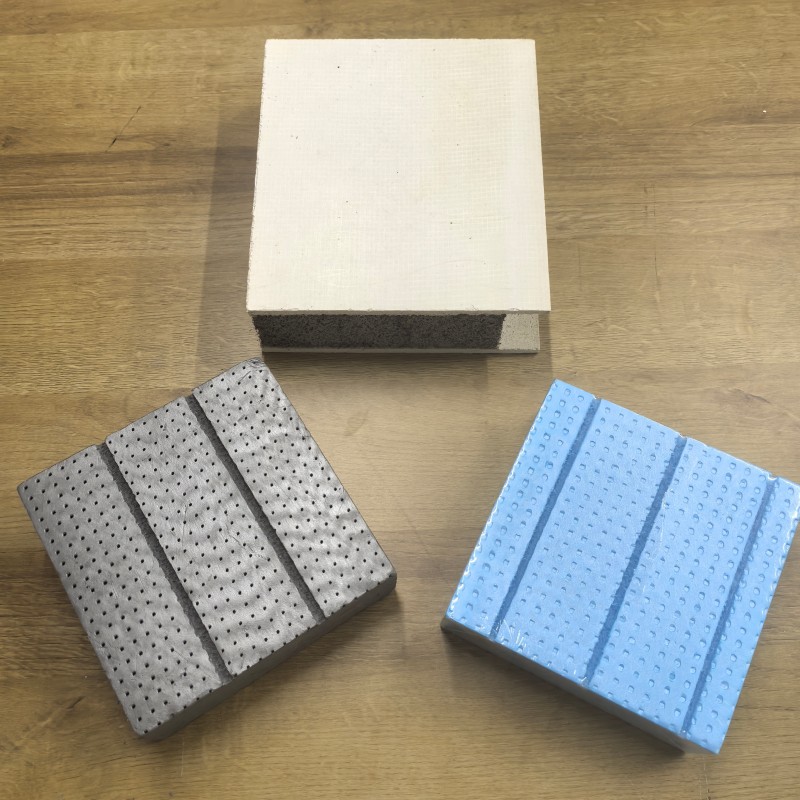 Environmental Building Board
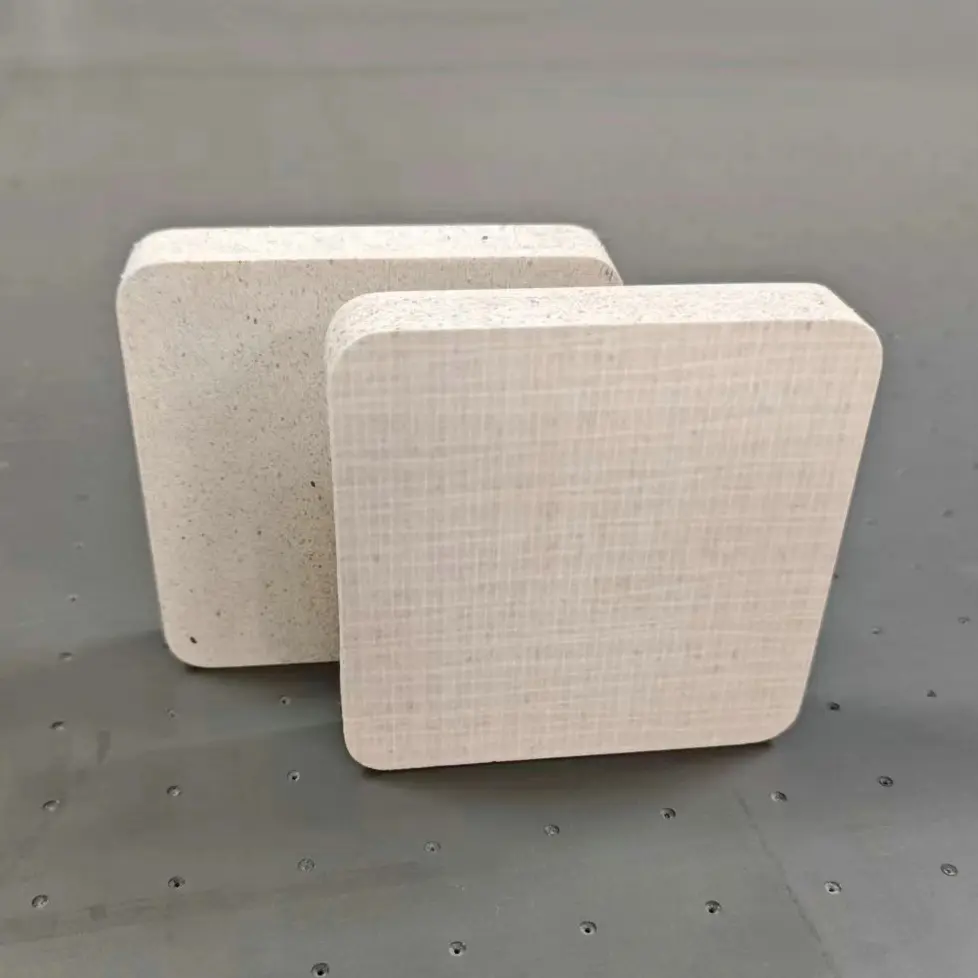 Fire-proof Board
 Sound Resistance
 Termite Resistance