How to Choose the Best Fireproof Insulation for Your Needs?
Fireproof insulation is crucial for ensuring safety and efficiency in various structures. According to David Thompson, a leading expert in fire safety, "Choosing the right fireproof insulation can save lives and property." Fireproof insulation materials play a vital role in preventing the spread of fire. Understanding their features is essential for both homeowners and industry professionals.
When selecting fireproof insulation, factors such as material type, R-value, and installation process matter significantly. Each type of insulation has unique properties, influencing its effectiveness in fire resistance. The right choice not only enhances safety but can also improve energy efficiency. Without proper knowledge, decisions could lead to increased risks or higher costs.
The market offers diverse options, making it challenging to determine the best fit. Fireproof insulation requires careful consideration of specific needs. While some materials excel in fire resistance, others may lack performance in insulation. It’s essential to evaluate each option thoughtfully. Engaging with experts can provide clarity in making informed choices.

Understanding the Importance of Fireproof Insulation
Fireproof insulation plays a crucial role in any building's safety. It not only helps to contain fires but also slows their spread. This gives occupants more time to escape. Proper insulation materials can significantly enhance a structure's fire resistance. Many types exist, from mineral wool to cellulose. Understanding each type is essential for making informed decisions.
When selecting fireproof insulation, consider your building's specifics. Each material has unique properties. For example, mineral wool can withstand high temperatures and prevent smoke penetration. On the other hand, some cellulose products may provide good fire resistance but require careful installation. Missteps can lead to vulnerabilities.
It's also vital to consider local building codes and standards. They often dictate the minimum fire safety requirements. If these codes are not met, the consequences can be severe. Fire safety should be a priority, not an afterthought. As you evaluate options, aim for materials that combine insulation efficiency with robust fireproofing qualities. Small details can make a significant difference in overall safety.
Types of Fireproof Insulation Materials Available
When selecting fireproof insulation, understanding the types available is crucial. There are several materials to consider.
Mineral wool is one popular option. It's effective at resisting flames and heat. This material also helps dampen sound, making it suitable for shared walls.
Another choice is fiberglass insulation. This type is lightweight and relatively inexpensive. However, it doesn't perform as well as mineral wool when exposed to extreme heat.
It's critical to assess your specific needs before making a decision.
There are also innovative options like spray foam insulation. This material expands to fill gaps, providing an excellent seal against fire. However, it can be challenging to install. You might need professional help, which adds to the cost.
In many cases, weighing the pros and cons of each type will lead to a better choice. Fireproof insulation is an investment in safety. Consider all factors carefully.
Evaluating Fire Ratings and Safety Certifications
When selecting fireproof insulation, understanding fire ratings and safety certifications is crucial. Fire ratings indicate the material's ability to resist combustion and withstand high temperatures. Many building codes require materials to meet specific ratings, often categorized as Class A, Class B, or Class C. For instance, Class A materials can withstand severe fire exposure, making them suitable for commercial spaces. According to industry data, approximately 70% of fire-related deaths occur in buildings with inadequate insulation.
Safety certifications further confirm a product's reliability. Look for certifications from recognized organizations, such as Underwriters Laboratories (UL) or the National Fire Protection Association (NFPA). These endorsements assure that the materials have undergone rigorous testing. A detailed inspection of the product's certification documentation is essential. Some materials may appear fireproof but lack the necessary endorsements.
Tips: Always check for the most recent test results. Insulation materials can deteriorate or become less effective over time. Engaging a professional to assess your insulation needs can offer significant benefits. They can identify potential fire hazards specific to your environment. Ensuring you have the right combination of fire ratings and certifications will enhance safety and build confidence in your choices. Prioritizing these factors protects not just property but lives as well.
Factors to Consider When Choosing Fireproof Insulation
Choosing the right fireproof insulation is crucial for safety and efficiency. There are several factors to consider. The first is the material type. Some materials perform better than others in resisting flames. Common options include fiberglass and mineral wool. Each type has unique benefits and limitations regarding heat resistance and soundproofing.
Next, consider the insulation's R-value, which measures thermal resistance. Higher R-values typically indicate better insulation properties. However, you should also evaluate the thickness available for installation. Thicker insulation may not fit in all spaces. Pay attention to fire ratings too. These ratings indicate how long a material can withstand fire exposure.
Additionally, think about the installation process. Some types of insulation are easier to install than others. Ensure you have the necessary expertise to do so, or hire professionals. Reflect on the long-term effects of your choice. Fireproof insulation can save lives, but poor installation can create hazards. Weigh your options carefully. Each decision affects both safety and energy efficiency.
Installation Tips for Optimal Fireproof Insulation Performance
When installing fireproof insulation, proper techniques are crucial for optimal performance. Begin by ensuring your workspace is clean and dry. Any moisture can reduce the effectiveness of the insulation material. It’s important to study the specific installation guidelines for the type of insulation you choose. Remember, not all fireproof materials are interchangeable.
Cut the insulation to fit snugly into spaces. Gaps can allow heat and smoke to pass through, undermining the fire resistance. Secure the insulation firmly, but avoid compressing it. Over-compression can diminish its insulating properties. Consider wearing protective gear, such as gloves and masks, during installation. Fireproof insulation can contain irritants.
Lastly, double-check for any overlooked areas after installation. Small gaps can often be missed. Rethink your methods if you find thermal weaknesses. Continuous improvement in installation strategies ensures better fire safety. Proper installation is just as vital as choosing the right material. Stay informed and adjust your techniques accordingly for the best results.
How to Choose the Best Fireproof Insulation for Your Needs? - Installation Tips for Optimal Fireproof Insulation Performance
| Insulation Type |
Fire Rating |
R-Value |
Material Cost ($/sq ft) |
Installation Difficulty |
| Mineral Wool |
A1 (Non-combustible) |
3.7 - 4.2 |
0.80 - 1.20 |
Medium |
| Fiberglass |
Class A (Fire Resistant) |
2.9 - 4.0 |
0.50 - 1.00 |
Easy |
| Cellulose |
Class A (Fire Resistant) |
3.2 - 4.0 |
0.70 - 1.50 |
Medium |
| Spray Foam |
Class A (Fire Resistant) |
6.0 - 7.0 |
1.50 - 3.00 |
Difficult |
| Rock Wool |
A1 (Non-combustible) |
3.0 - 4.0 |
0.90 - 1.50 |
Medium |



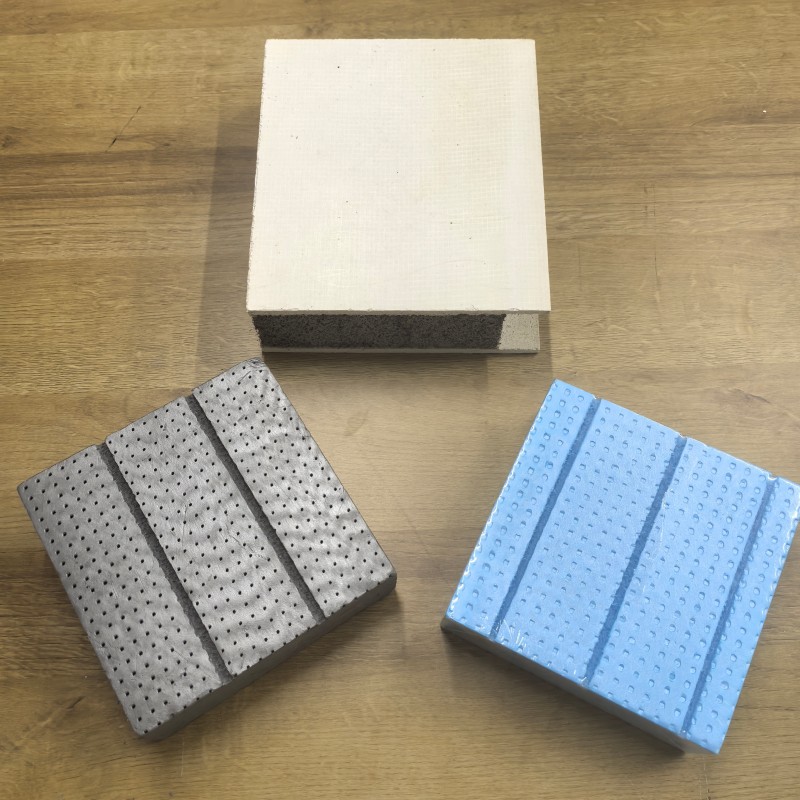 Environmental Building Board
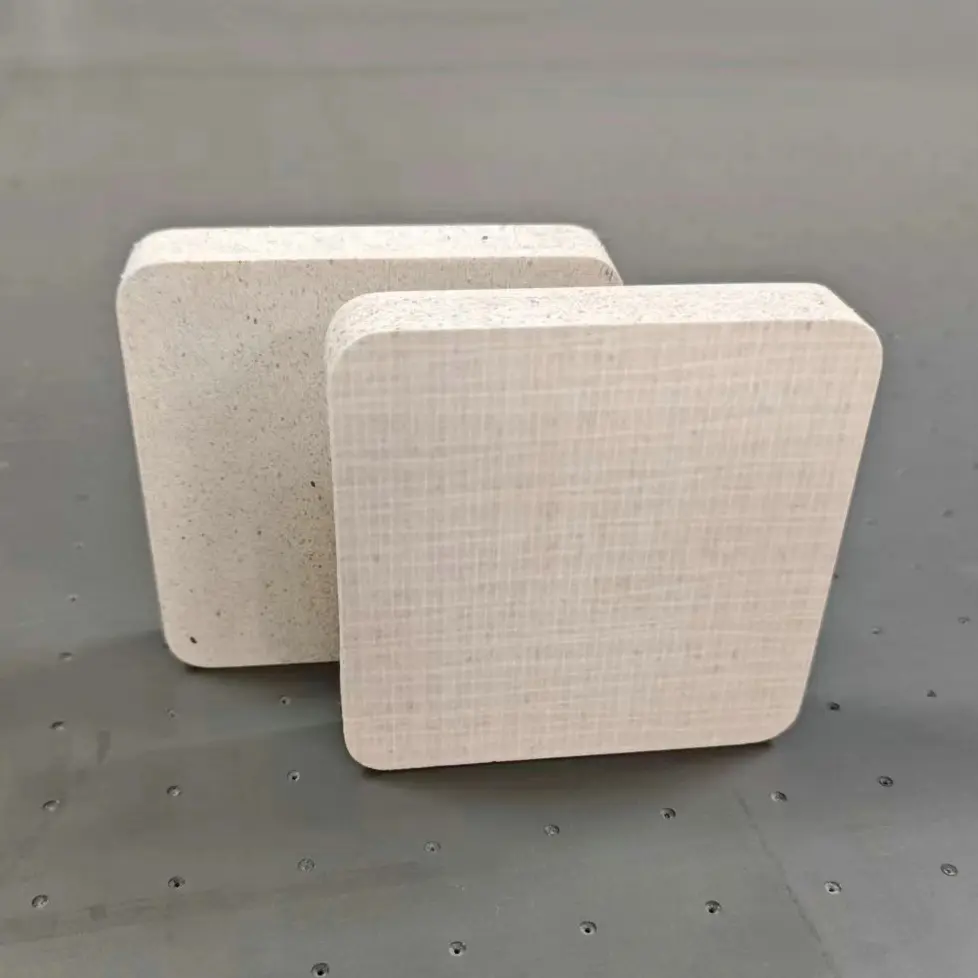 Fire-proof Board
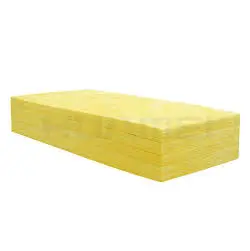 Sound Resistance
 Termite Resistance