How to Choose the Best Roof Board for Your Home?
Choosing the right Roof Board for your home can feel overwhelming. According to roofing expert John Miller, "The right Roof Board is crucial for durability and insulation." Your choice may impact energy efficiency and overall comfort.
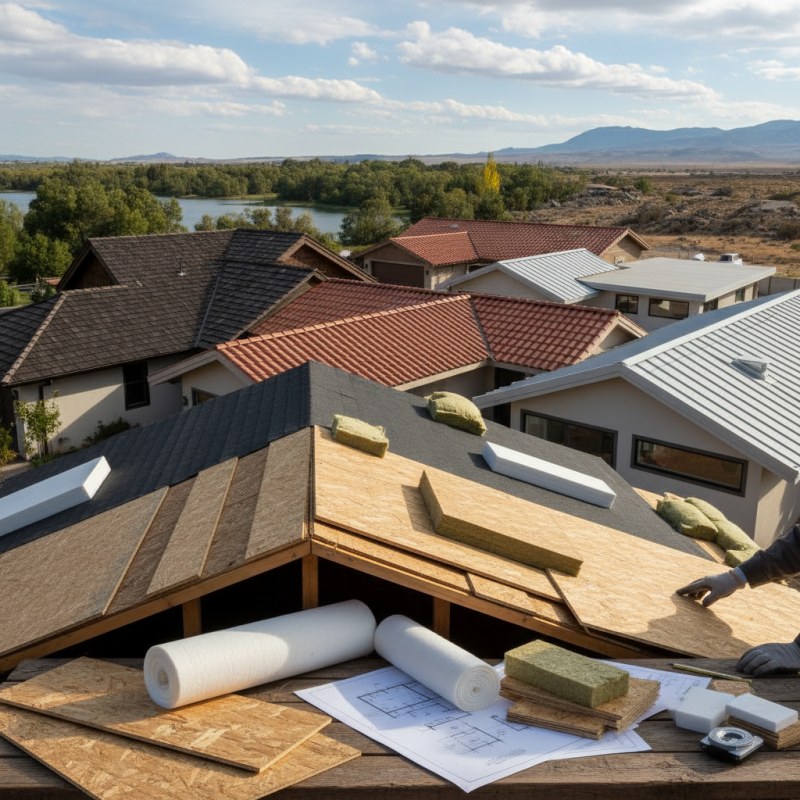
Different types of Roof Boards exist, each with unique benefits. You might find options like plywood, OSB, or fiberglass. Each material has its pros and cons. Keep in mind the climate in your area. A board that works well in one region may not be ideal in another.
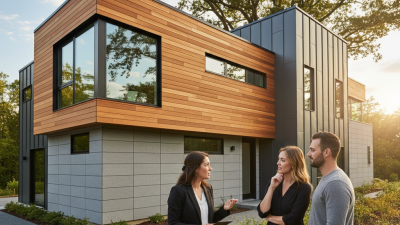
Consider your home's structure and design. Some homeowners prioritize aesthetics, while others focus on longevity. Think about your insulation needs and how a good Roof Board can play a role. Reflect on your priorities. It’s important to find a balanced choice that suits your requirements.
Factors to Consider When Selecting Roof Boards for Your Home
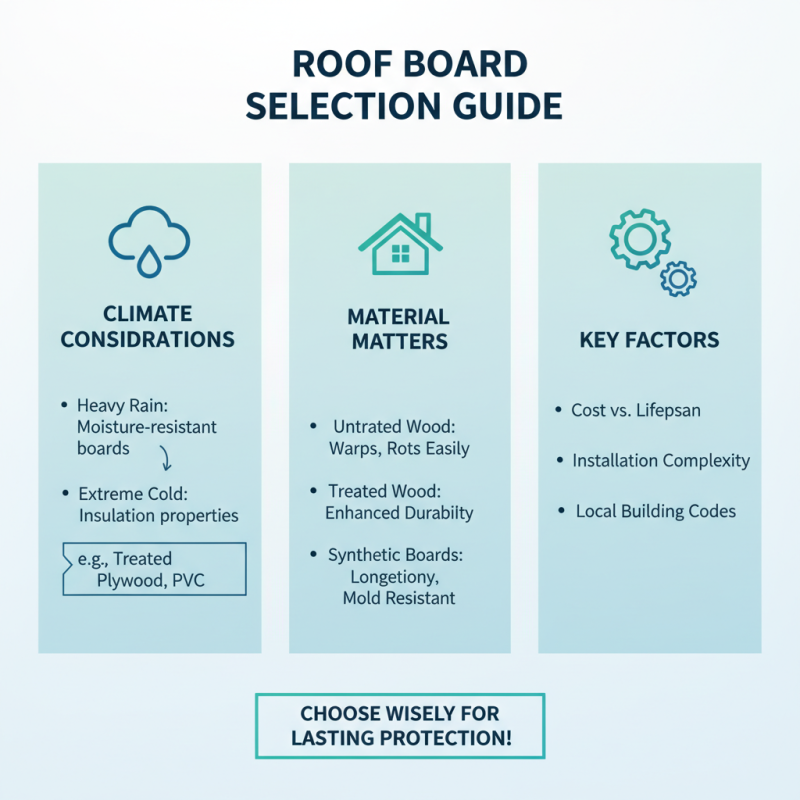
Choosing the right roof board is a crucial decision for homeowners. Various factors must be considered to ensure optimal performance. One vital aspect is the climate in your region. For instance, homes in areas with heavy rainfall need boards that resist moisture. Reports indicate that untreated wood may warp or rot, drastically shortening its lifespan.
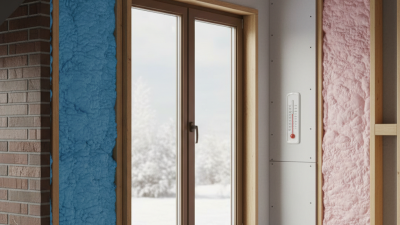
Another important factor is insulation properties. Proper insulation can lead to significant energy savings. A study by the U.S. Department of Energy shows that homes with effective insulation can reduce heating and cooling expenses by up to 30%. Choosing boards with good thermal resistance helps maintain a stable indoor temperature.
Cost is also a critical consideration. While high-quality materials may require a larger upfront investment, they often prove more economical in the long run. It’s essential to balance budget constraints with long-term benefits. Many homeowners overlook this aspect, leading to frequent replacements and higher costs. Each choice should reflect your priorities, whether it’s sustainability, durability, or budget-consciousness.
Types of Roofing Materials and Their Suitability for Different Climates
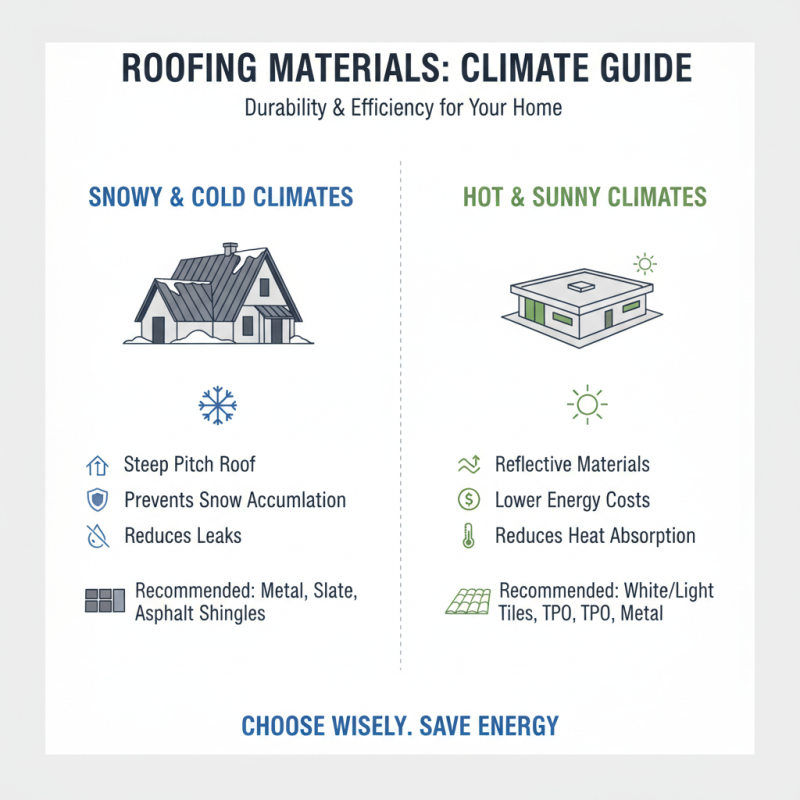
Choosing the right roofing material is crucial for your home. Different climates require specific types of roofing to ensure durability and efficiency. For example, in snowy regions, a steep pitch roof is advantageous. It helps prevent snow accumulation that can lead to leaks. On the other hand, in hot climates, reflective materials can significantly reduce energy costs.
Consider asphalt shingles for affordability in mild climates. They are easy to install and repair. Metal roofing is a lighter option. It withstands high winds and can last over 50 years. Slate tiles are beautiful but heavy. They work well in temperate regions.
Tips: Always inspect your attic for ventilation. Proper airflow can prolong your roof's life. Evaluate local climate trends before making a decision. Understanding weather patterns can guide your choices. Remember, it’s essential to balance aesthetics with practicality. Small details, like color and shape, can impact energy efficiency on sunny days.
Comparing Durability and Lifespan of Common Roof Board Options
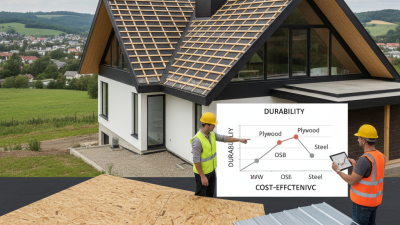
When choosing a roof board, durability and lifespan are crucial factors. Roof boards vary significantly in their resilience to weather and wear. For instance, plywood, a common choice, typically lasts 20 to 30 years if properly maintained. However, it can warp or deteriorate when exposed to moisture over time. In contrast, oriented strand board (OSB) may last about 25 years but has similar moisture-related concerns.
Some homeowners prefer metal roof boards for their exceptional durability. Metal can withstand harsh weather conditions and may last 40 to 70 years. However, initial costs can be prohibitive. Moreover, they're vulnerable to denting and scratches, which require attention. A study by Roof Consulting Services reveals that while metal roofs are long-lasting, their maintenance implications can be significant, revealing a potential downside to their durability.
Longevity is essential, but it's not the only consideration. A board’s installation and the local climate can influence its performance. Selecting a roof board isn’t just about durability; it’s also about balance. Finding the right material that fits your needs requires careful thought. Understanding the trade-offs can lead to better decision-making.
Cost Analysis: Budgeting for Your Roof Board Selection
Budgeting for your roof board selection can be a challenging task. Prices vary widely based on materials, style, and installation costs. Start by determining your overall budget. It’s crucial to know how much you can spend without stretching your finances. Remember, investing in quality materials can save money in the long run.
When evaluating options, consider the lifespan of each material. Cheaper boards may result in higher repair or replacement costs. This is often overlooked because of immediate savings. Take a moment to compare costs and potential long-term expenses. It’s also wise to factor in installation fees. Prices can vary significantly depending on complexity.
Don’t forget to account for maintenance. Some roof boards require more upkeep, impacting your budget. Choosing a low-maintenance option could ease future financial burdens. Reflect on your choices carefully. Balancing cost, quality, and functionality is essential. Make sure your selection aligns with overall home needs and future plans.
Cost Analysis of Different Roof Board Materials
Installation and Maintenance Requirements for Different Roof Boards
Choosing the right roof board involves understanding installation and maintenance needs. Different materials, like plywood, OSB, or metal, have unique requirements. Consider your climate and roof structure when selecting.
Installation can vary significantly among roof boards. Plywood requires special adhesives for roof sheathing. Metal boards may need professional installation. Make sure you have the right tools. A slight mistake can lead to leaks. Remember, improper installation might mean extra costs later.
Maintenance also differs by material. Some boards need regular inspection and painting. Others might be more durable and low maintenance. It’s crucial to check for signs of damage regularly. Small issues can escalate quickly.
Tips: Invest in a moisture meter for accurate readings. It may feel tedious, but knowing your roof's condition is vital. Don't overlook the gutters; they play a role in roof longevity. Cleaning them regularly can help prevent unnecessary repairs.
How to Choose the Best Roof Board for Your Home? - Installation and Maintenance Requirements for Different Roof Boards
| Roof Board Type |
Material |
Installation Requirements |
Maintenance Requirements |
Lifespan |
| Plywood |
Wood |
Requires framing support and waterproofing |
Periodic sealing and inspections for mold |
20-30 years |
| OSB (Oriented Strand Board) |
Wood-based composite |
Easy installation; requires proper ventilation |
Keep dry, inspect for rot |
15-20 years |
| Metal |
Aluminum or Steel |
Requires special tools for cutting and fastening |
Periodic cleaning; check for rust |
40-70 years |
| Concrete |
Cement-based |
Requires a strong structural support |
Minimal maintenance; occasional cleaning |
50+ years |
| Fiberglass |
Reinforced plastic |
Lightweight; easy to install |
Inspect for cracks and UV damage |
25-30 years |



 Environmental Building Board
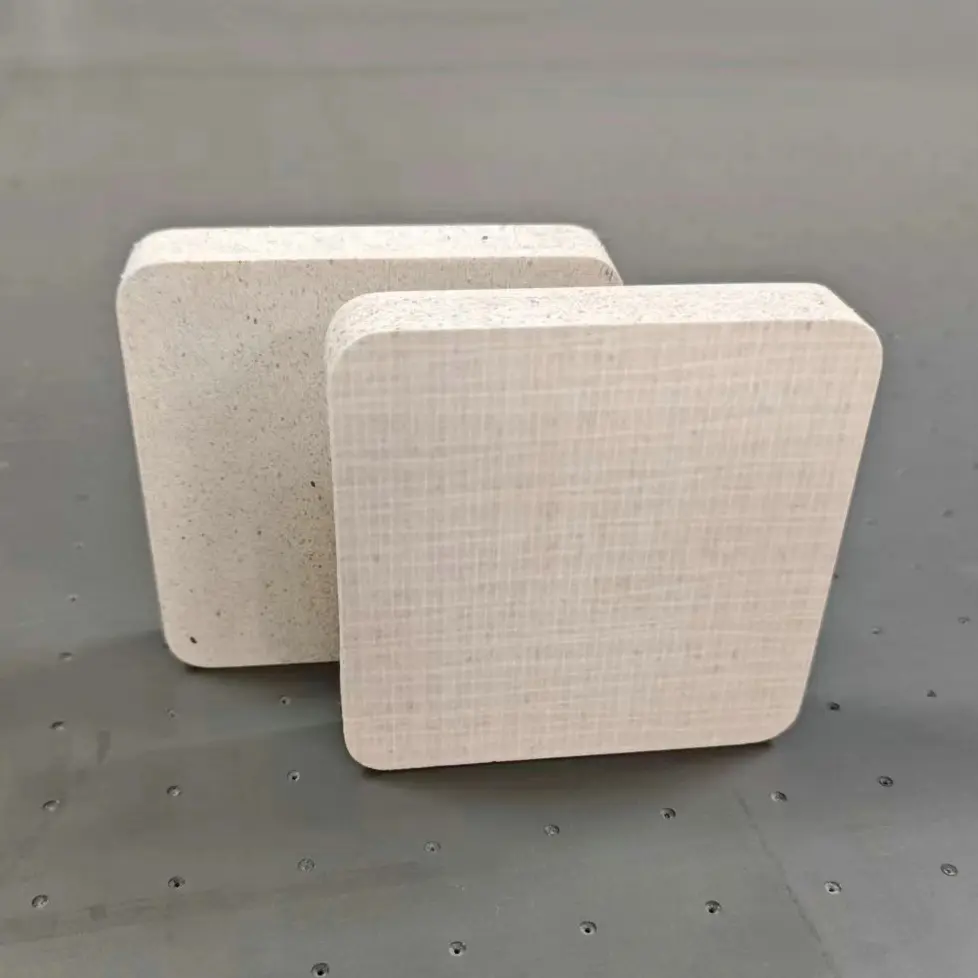 Fire-proof Board
 Sound Resistance
 Termite Resistance