How to Choose the Right Waterproof Mgo Board for Your Project?
Choosing the right Waterproof Mgo Board can significantly impact your project's success. Industry expert Dr. John Smith, a leading authority in construction materials, emphasizes, “Selecting the right Mgo board is crucial for durability and performance.” His experience highlights the necessity of careful evaluation.
Waterproof Mgo Boards are not all the same. Different projects have varying requirements. Some may need higher moisture resistance. Others focus on fire safety or insulation properties. Understanding these distinctions is vital.
Many people underestimate the importance of board thickness and density. These factors influence overall strength. A lightweight board might be easier to handle but may compromise durability. Reflecting on past projects can guide choice. Learning from mistakes is invaluable. Seeking expert advice will enhance decision-making.
Understanding Waterproof Mgo Boards: Composition and Properties
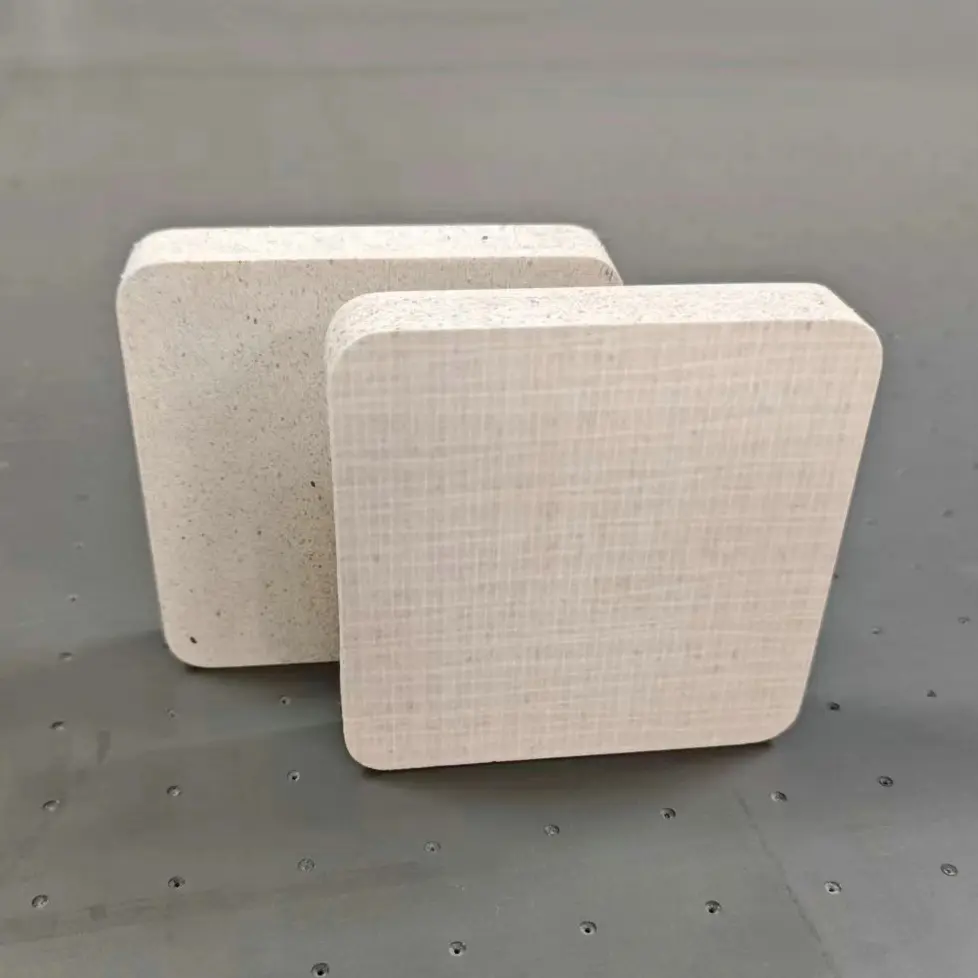
Waterproof magnesium oxide (Mgo) boards are increasingly popular in construction and design. Their unique composition includes magnesium oxide, reinforcing fibers, and additives. This combination provides a durable, water-resistant surface that withstands moisture and prevents mold growth. The lightweight nature of Mgo boards makes them easy to handle and install, adding to their appeal for various projects.
When selecting an Mgo board, consider thickness and density. Thicker boards offer better impact resistance. However, higher density boards may come with added weight, making installation more challenging. It's essential to balance durability with manageability. Researching board certifications can also ensure compliance with building codes and safety standards. Different manufacturers may have subtle differences in composition, impacting performance.
Not all Mgo boards are created equal. Some may not provide adequate waterproofing, especially in extreme conditions. Testing samples in specific project environments can help identify the right product. Reflect on the specific needs of your project and how the chosen Mgo board meets those requirements. This thoughtful analysis can enhance overall performance and longevity.
Key Factors to Consider When Selecting Waterproof Mgo Boards
Selecting the right waterproof Mgo board requires careful consideration of several key factors. First, understand the specific needs of your project. The thickness of the board can influence durability and insulation. A thicker board may provide better water resistance and stability, but consider weight limitations as well.
Next, check the board's composition. Not all Mgo boards are created equal. Some may contain additives that enhance performance while others may not be as reliable. Look for boards with high magnesium oxide content. This can increase both strength and moisture resistance. Additionally, the manufacturing process matters. Boards made with advanced technology often offer better quality and performance.
Pay attention to certifications and testing standards. Trusted boards will often have certifications indicating compliance with specific industry standards. However, be cautious. Certificates alone don’t guarantee quality. Evaluate feedback from past users. Look for patterns in reviews. Did others face issues with mold or water damage? If so, this is a sign to reconsider. Always remain critical. Choosing a waterproof Mgo board is not just about features; it’s about ensuring it meets long-term expectations for your project.
Comparative Analysis of Waterproof Ratings in Mgo Boards
When selecting waterproof MgO boards, understanding waterproof ratings is crucial. These ratings determine how well the boards resist moisture and protect against potential damage. Many manufacturers employ various testing methods, leading to differing results in performance. Knowing these differences can help you make an informed choice.
Some boards may claim to be "water-resistant" but lack rigorous testing. This can create ambiguity about their true capabilities. It's important to look for boards with clearly stated waterproof ratings. A reliable board should withstand prolonged exposure to water without degrading. Testing also varies, with some methods providing a clearer picture than others. Third-party evaluations can enhance reliability.
Not all waterproof boards perform the same under specific conditions. Some might excel in humid climates, while others struggle. It's essential to assess your project requirements carefully. Consider the environment and exposure levels. Understanding these nuances can help you avoid unexpected failures or costly repairs. Ultimately, thorough research and evaluation of waterproof ratings will lead to better selection for your construct.
How to Choose the Right Waterproof Mgo Board for Your Project? - Comparative Analysis of Waterproof Ratings in Mgo Boards
| Mgo Board Model |
Waterproof Rating (ASTM) |
Thickness (mm) |
Weight (kg/m²) |
Fire Rating |
Applications |
| Model A |
W6 |
12 |
9.5 |
Class A |
Interior Walls |
| Model B |
W4 |
15 |
11.0 |
Class B |
Exterior Cladding |
| Model C |
W8 |
10 |
8.5 |
Class A |
Wet Areas |
| Model D |
W5 |
12 |
10.2 |
Class B |
Commercial Spaces |
| Model E |
W7 |
14 |
13.0 |
Class A |
Roofing Systems |
Common Applications and Industry Standards for Waterproof Mgo Boards
Waterproof magnesium oxide (Mgo) boards are widely used across various industries due to their versatile applications. In construction, they are favored for their durability and moisture resistance. According to a recent report by MarketsandMarkets, the global Mgo board market is projected to grow at a CAGR of 4.2% from 2021 to 2026. This growth is driven by increasing demand in commercial and residential sectors.
Common applications include interior wall sheathing, fire-rated assemblies, and flooring underlayment. The boards comply with ASTM C1278 standards, which emphasize performance in moisture resistance and fire resistance. However, it is essential to assess specific project requirements. Variations in thickness and density can affect strength and durability. Some projects may need high-density boards to withstand additional loads.
Quality assurance is crucial. Always consider certifications and testing standards, such as those from the International Code Council (ICC). Evaluating supplier reliability can help ensure compliance with safety regulations. Some boards may appear flawless but lack performance in unexpected conditions. It's vital to conduct thorough research and consider your project's unique demands before selection.
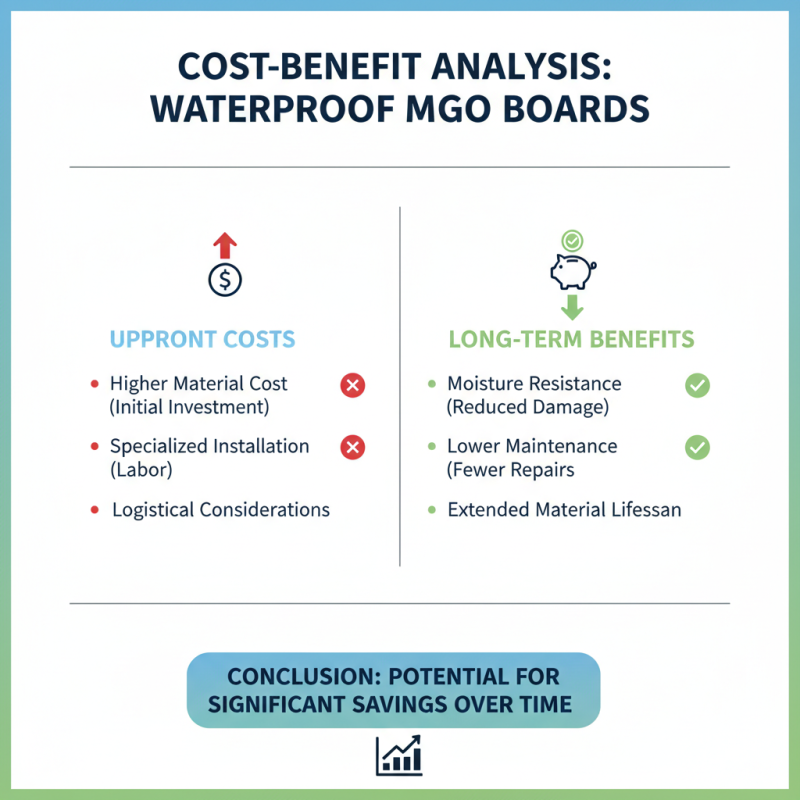
Cost-Benefit Analysis of Waterproof Mgo Boards in Construction Projects
When considering waterproof Mgo boards for construction projects, a cost-benefit analysis is vital. Initially, the upfront costs can seem higher compared to traditional materials. However, evaluating long-term benefits reveals their potential for savings. Waterproof Mgo boards resist moisture, reducing maintenance costs significantly. This characteristic can lead to fewer repairs and longer material life.
In a project requiring durability, the choice of waterproof Mgo boards pays off. Their lightweight nature makes installation easier, which can lower labor costs. Yet, some professionals express concern over the initial investment. The price might deter smaller contractors. However, weighing durability against price helps clarify the decision.
Performance in various climates is another key consideration. Some regions face extreme weather, where waterproof Mgo boards can outperform standard materials. This resilience leads to enhanced structural integrity over time. Yet, decision-makers should conduct a thorough evaluation of their specific needs. It’s essential to reflect on potential challenges. Each project has unique requirements, so understanding the balance of cost and benefits becomes crucial.



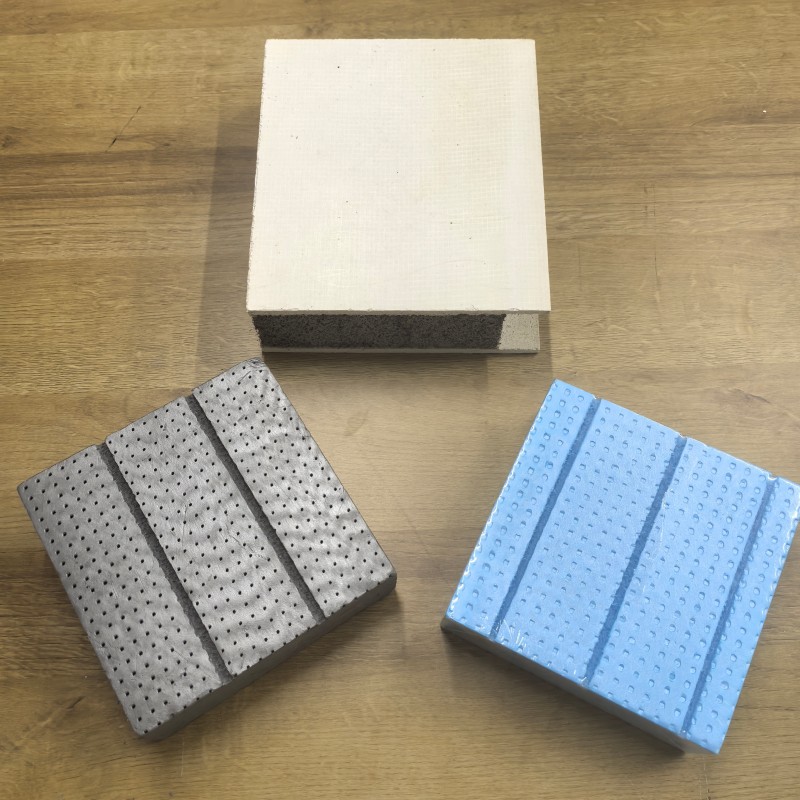 Environmental Building Board
 Fire-proof Board
 Sound Resistance
 Termite Resistance