Top Construction Material Trends Shaping the Industry in 2026?
As we approach 2026, the construction industry is evolving rapidly, driven by innovative trends in Construction Material. According to the Global Construction Materials Market Report, the sector is projected to grow at a CAGR of 5.4%, reflecting increasing demand for sustainable solutions. Industry expert Dr. Emily Richards states, “The future of construction depends on materials that enhance both performance and sustainability.” Her insight underscores the critical role of materials in meeting new regulatory and environmental standards.
Emerging technologies are reshaping what we consider essential in Construction Material. Recycled content, smart materials, and bio-based options are gaining traction. For example, the use of recycled concrete can reduce carbon footprints significantly. Furthermore, the integration of technology, such as 3D printing, is revolutionizing material applications in construction. Yet, these advancements come with challenges. Implementing new materials often requires substantial investment and skilled labor.
The industry must reflect on these trends, identifying obstacles while embracing innovation. The success of these materials hinges not only on their properties but also on market acceptance. As the focus shifts towards resilience and sustainability, the path ahead will demand adaptability from all stakeholders.
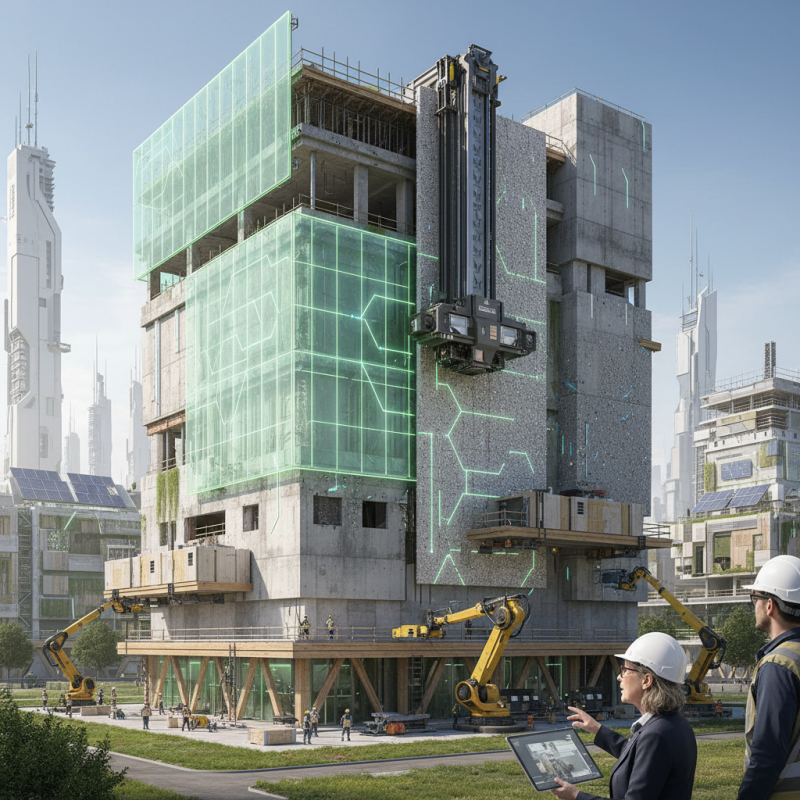
Emerging Sustainable Materials Transforming Construction in 2026
As we approach 2026, the construction industry is experiencing a significant shift toward
sustainable materials. Reports indicate that
sustainable building materials are expected to account for 60% of the market by 2026. This trend reflects
a growing awareness of environmental impacts and the need for eco-friendly practices.
Recycled metals, bamboo, and engineered wood are gaining traction. For instance,
engineered wood can replace traditional timber, helping to conserve forests. Similarly, recycled metals reduce the need
for new mining operations, which often deplete natural resources. These materials not only enhance sustainability but
also provide durability, often exceeding the lifespan of conventional
options.
However, the integration of these materials is not without challenges. Many builders face hurdles in sourcing
sustainable options. Cost considerations often complicate procurement. Moreover, there can be inconsistencies in
material quality. Industry stakeholders must navigate these issues to achieve the benefits of sustainable materials fully.
Addressing these gaps in knowledge and supply is crucial for a
successful transition.
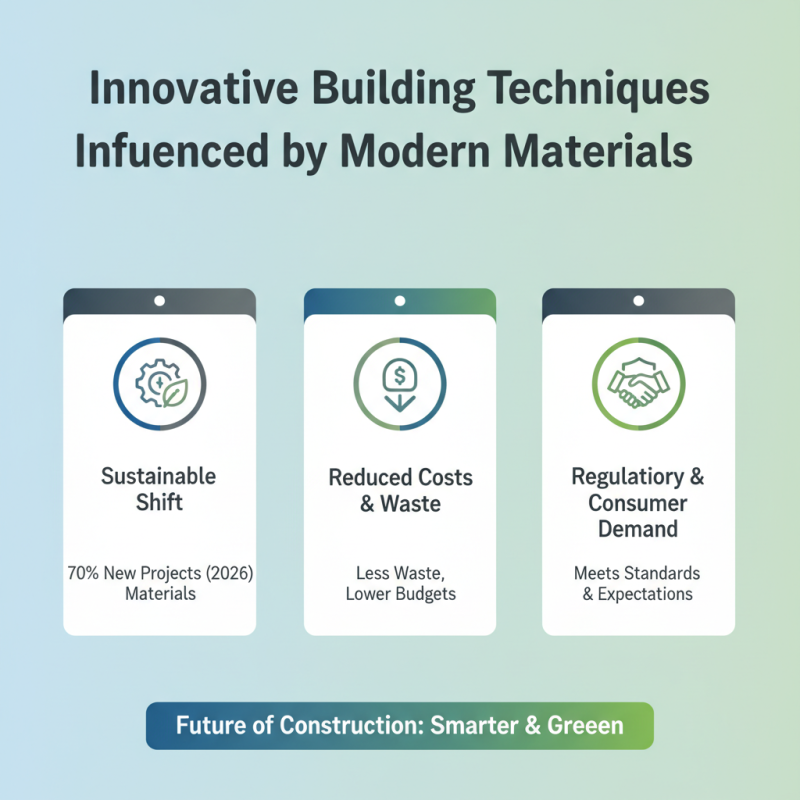
Innovative Building Techniques Influenced by Modern Materials
The construction industry is rapidly evolving, driven by innovative materials and techniques. In 2026, we will see a significant shift towards sustainability. Reports indicate that up to 70% of new projects will use recycled materials. This approach not only reduces waste but also lowers costs. Incorporating sustainable materials is vital for meeting regulatory standards and consumer demand.
Modern building techniques are increasingly influenced by advancements in material science. For example, 3D printing technology is revolutionizing the construction process. It allows for faster builds and reduced labor costs. Data suggests that projects utilizing 3D printing can finish up to 60% faster than traditional methods. However, there are challenges. The long-term durability of 3D-printed structures still needs extensive research.
Another trend is the use of innovative insulation materials. Products like aerogel and phase-changing materials enhance energy efficiency. Studies reveal that buildings with advanced insulation can reduce energy consumption by over 30%. While these materials are promising, they often come with higher upfront costs. Balancing budget constraints with sustainability remains a critical consideration for construction professionals.
The Rise of Smart Materials in Construction Industry Practices
The construction industry is witnessing a transformative shift with the rise of smart materials. By 2026, these materials are projected to dominate project designs. They not only enhance building performance but also offer sustainable alternatives to traditional materials. According to industry reports, smart materials can contribute to a 30% reduction in energy consumption during a building's lifecycle.
Smart materials, like self-healing concrete and thermochromic glasses, respond dynamically to environmental changes. For example, self-healing concrete uses bacteria to repair cracks autonomously. Innovations in this area could reduce maintenance costs significantly. Reports forecast that integrating such materials may lead to cost savings of up to 25% on repairs and upkeep.
Tips: When selecting materials, consider their environmental impact. Look for options with a proven track record in sustainability. Test new materials in smaller projects before a full-scale rollout. Always evaluate performance metrics to ensure you are making informed decisions. Smart materials offer exciting possibilities, yet their implementation requires careful planning. Challenge existing practices and remain open to innovative solutions.
Top Construction Material Trends Shaping the Industry in 2026
This chart illustrates the projected growth of various smart materials in the construction industry by 2026. The four categories highlighted are Self-Healing Concrete, Phase-Change Materials, Aerogels, and Smart Glass, showcasing their increasing adoption due to advancements in technology and sustainability demands.
Impact of Technology on Material Selection and Usage in 2026
Technology is transforming material selection in the construction industry. In 2026, we can expect smart materials to play a crucial role. These materials can adapt to environmental changes, enhancing energy efficiency. For instance, photochromic materials change color with light intensity. This innovation can reduce the need for artificial lighting. Furthermore, the integration of sensor technology allows for real-time monitoring of materials' performance.
Sustainability is also a major focus. The use of recycled materials will continue to rise. Advanced technologies facilitate the reclamation of materials from old structures. However, relying on recycled content can pose challenges. Not all recycled materials meet the required strength standards for new structures. This requires careful testing and refinement.
Automation impacts how materials are used on-site. Drones and robotics are becoming commonplace for material handling. These technologies can streamline processes and reduce waste. Yet, many contractors may struggle to adapt to these changes. Training and investment are necessary for unlocking the benefits of advanced technology. The construction industry must embrace innovation while also addressing its inherent challenges.
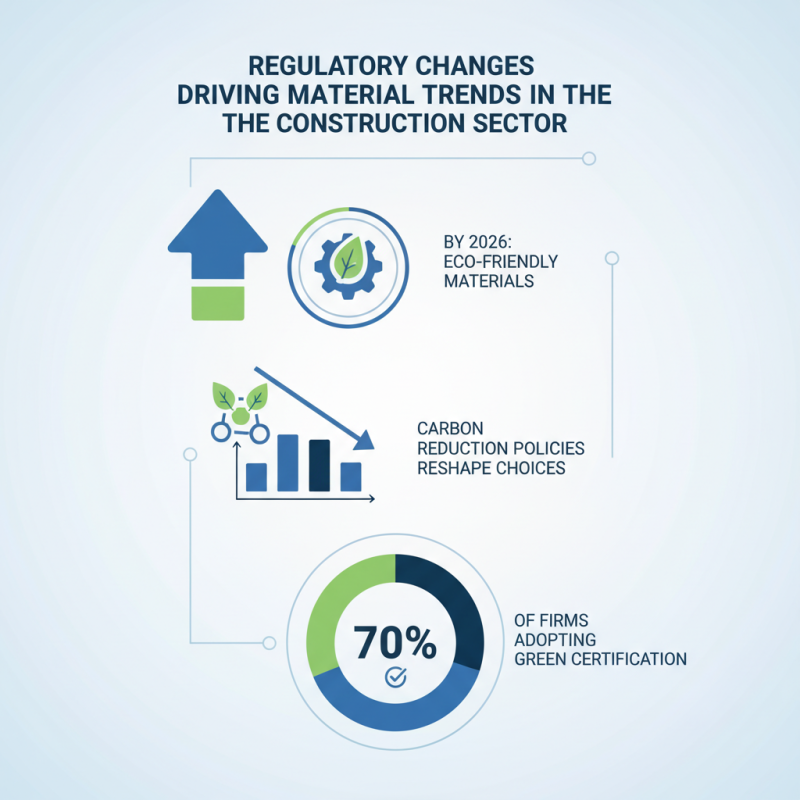
Regulatory Changes Driving Material Trends in the Construction Sector
Regulatory changes are significantly influencing trends in construction materials. By 2026, the need for sustainable practices will lead to increased use of eco-friendly materials. Policies focusing on carbon reduction are reshaping choices in construction. A recent industry report indicates that 70% of firms are adopting green certification criteria in their material selections.
The growing emphasis on building safety standards is also steering material innovation. Codes are evolving to include stringent fire-resistance and energy efficiency criteria. This shift encourages builders to explore advanced composites that meet these demands. For instance, research shows that the use of fire-rated gypsum boards has risen by 30% as regulations tighten.
The integration of technology in compliance is worth noting. Digital tools are being utilized for monitoring material performance and adherence to standards. However, the reliance on these technologies invites some skepticism. Some stakeholders question whether they genuinely enhance safety or simply add complexity. Ultimately, these updates highlight the dynamic nature of the construction sector, where regulatory influence shapes material trends.



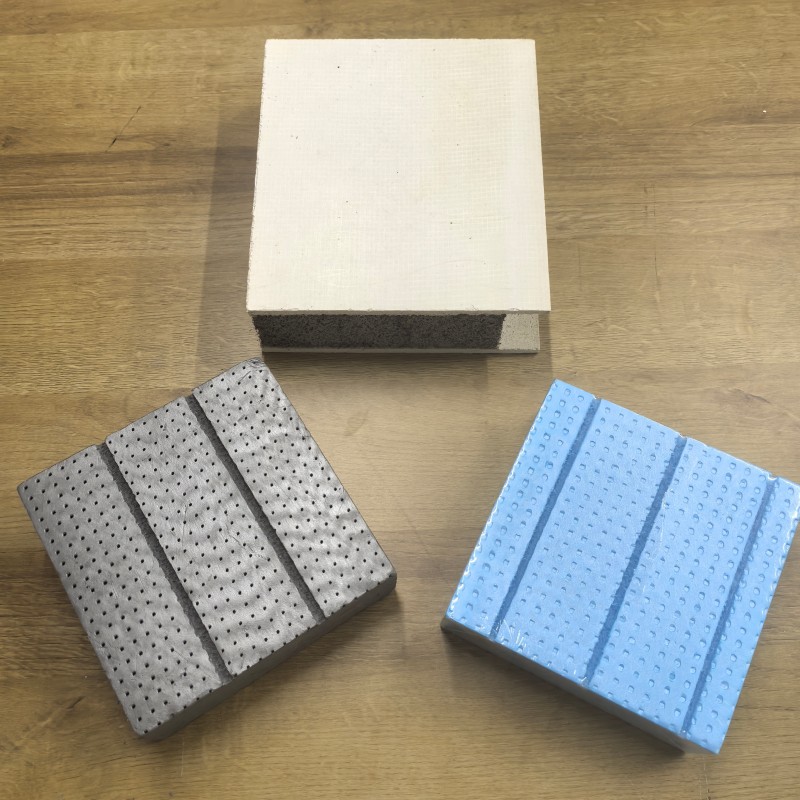 Environmental Building Board
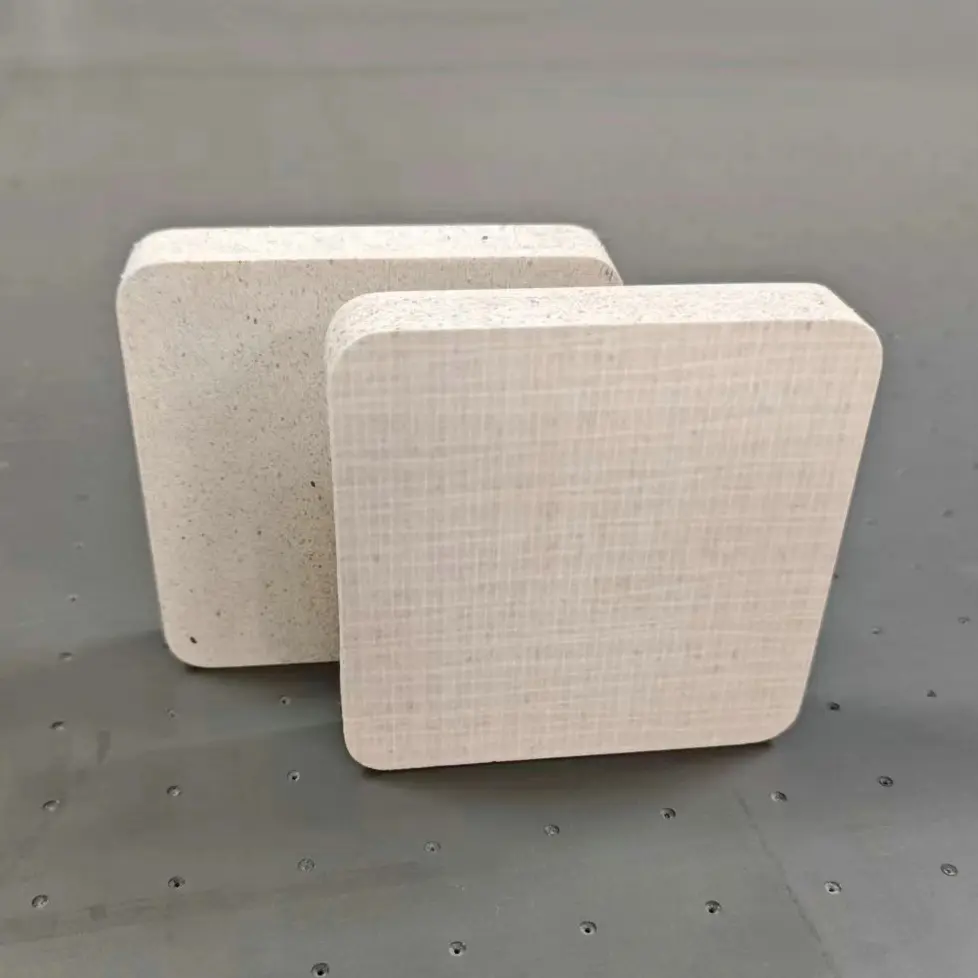 Fire-proof Board
 Sound Resistance
 Termite Resistance