How to Enhance Your Home Thermal Insulation for Energy Efficiency?
Enhancing your home’s thermal insulation is essential for energy efficiency and comfort. Proper thermal insulation can significantly reduce energy bills and maintain a consistent indoor temperature. Many homeowners overlook the importance of effective insulation. This oversight can lead to wasted energy and higher costs.
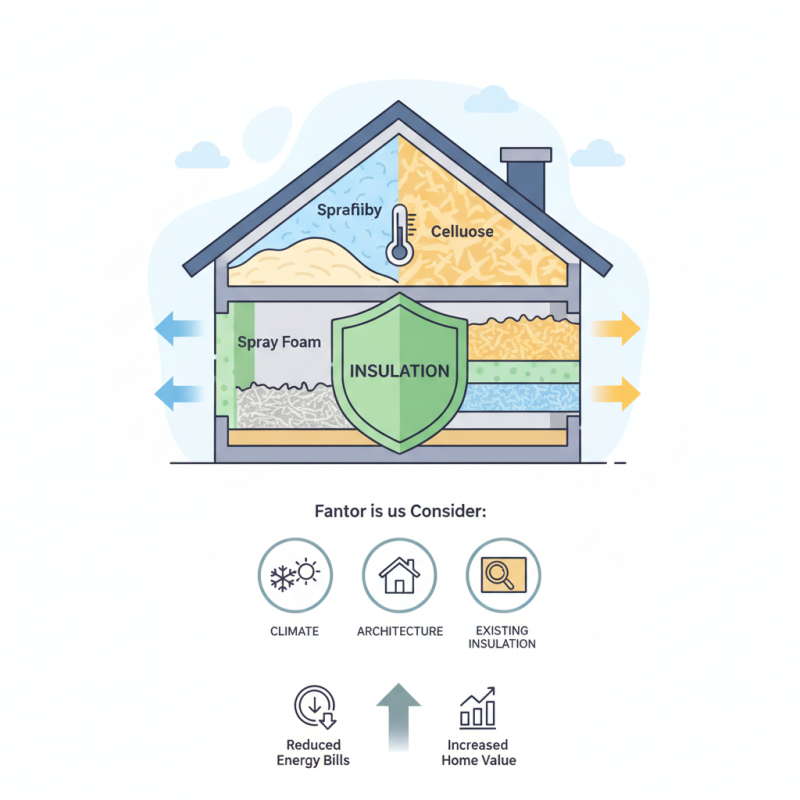
Investing in quality thermal insulation materials not only improves energy efficiency but also enhances the overall value of your home. Materials like spray foam, fiberglass, and cellulose each provide different benefits. It's crucial to assess your current insulation situation and identify areas that need improvement.
However, enhancing thermal insulation isn’t a one-size-fits-all solution. Each home is unique, with distinct insulation challenges. Homeowners must consider factors like climate, architecture, and existing insulation. Reflecting on these aspects can lead to more effective insulation solutions. Taking the time to plan and invest wisely can yield substantial long-term savings.
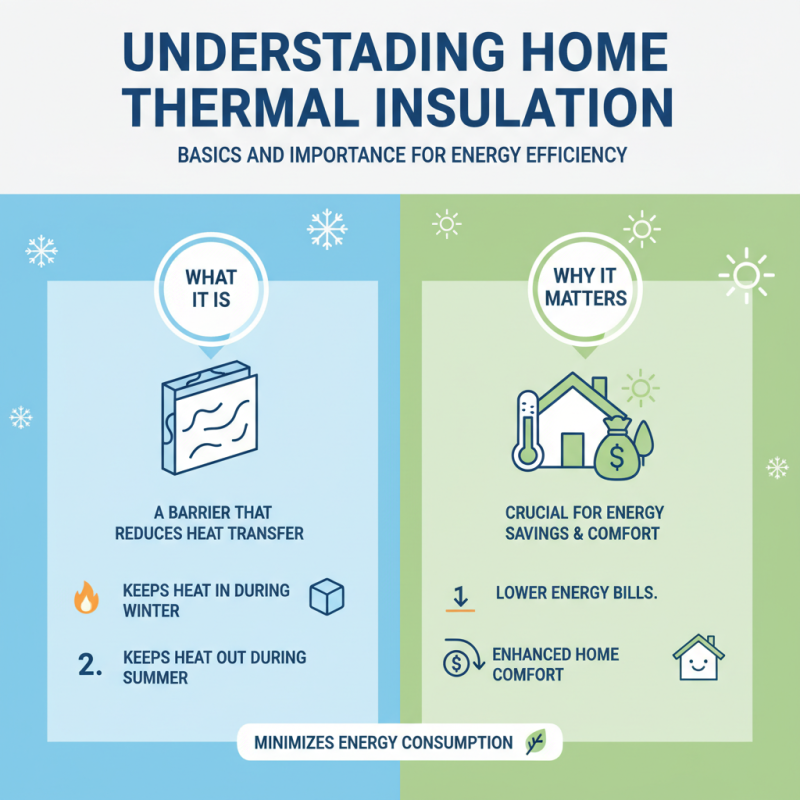
Understanding Home Thermal Insulation: Basics and Importance
Understanding home thermal insulation is crucial for energy efficiency. Proper insulation reduces heat loss in winter and keeps homes cool in summer. It creates a barrier that minimizes energy consumption. This is essential not only for comfort but also for saving on energy bills.
Tips for effective insulation include using materials with high R-values. R-value measures thermal resistance. Select insulation that suits your climate zone. For older homes, check for air leaks. Simple fixes like weather stripping can make a significant difference.
Consider adding insulation in attics and crawl spaces. These areas often lose heat rapidly. Reflective barriers can also help in warmer climates. If you're unsure, consulting a specialist can help identify weak spots in your insulation. Remember, every home is different, and effective insulation requires periodic assessments.
Assessing Your Home's Current Insulation Levels
Understanding your home's current insulation levels is essential for improving energy efficiency. Start by examining areas where heat might escape. Common culprits include attics, basements, and walls. Look for drafts around doors and windows. These air leaks can significantly impact your comfort and energy bills.
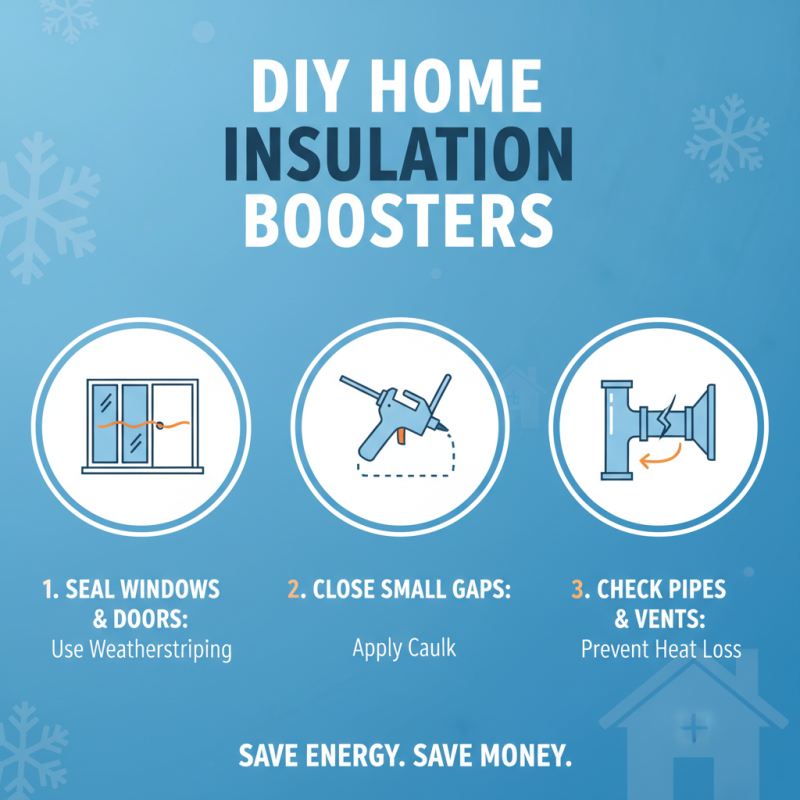
Tips: Use a candle or smoke pencil near suspected leaks. If the flame flickers or the smoke moves, there's a draft. Seal these areas with weatherstripping or caulk. Simple fixes can lead to immediate benefits.
Consider performing a thermal imaging inspection. This technique reveals temperature differences in your walls and ceilings. It helps identify poorly insulated spots. Hiring a professional can provide you with valuable insights. Investing in a thorough assessment can lead to long-term savings on heating and cooling costs.
Tips: Regularly inspect insulation in exposed areas. Over time, materials can degrade. Ensure that your insulation meets current standards or consider upgrading. Staying informed about your insulation is crucial for maintaining efficiency.
Common Materials for Enhancing Thermal Insulation
When considering thermal insulation, various materials can enhance energy efficiency.
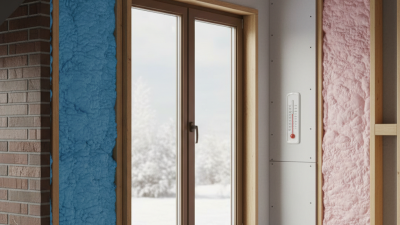
Fiberglass insulation is common in walls and attics. It's lightweight and has a high R-value, meaning it resists heat flow well.
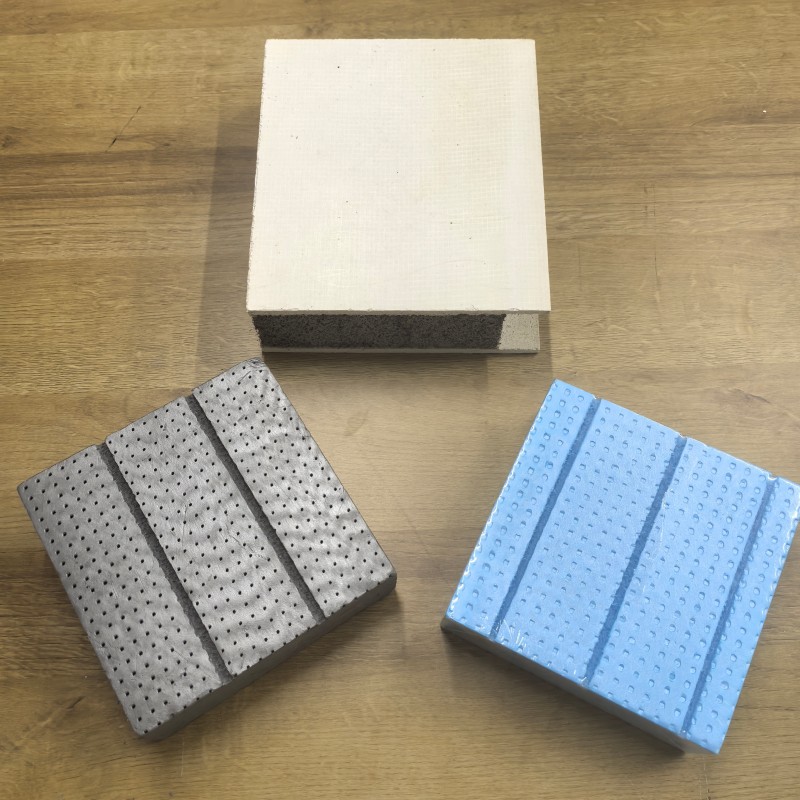
Foam board insulation is another effective option. It’s rigid, providing excellent thermal resistance. It's ideal for basements and exterior walls.
Cellulose insulation, made from recycled paper, offers sustainability. However, it may settle over time, reducing effectiveness.
Spray foam insulation expands to fill gaps, creating a tight seal. Be cautious about applying it too densely.
Tips: Always check local building codes when selecting insulation materials. Proper installation is crucial. Poorly installed insulation can lead to air leaks, negating its advantages.
Regularly inspect insulation for any signs of moisture or damage. By addressing these issues promptly, you will maintain your home's energy efficiency.
Professional Options for Comprehensive Insulation Upgrades
Enhancing your home’s thermal insulation can significantly improve energy efficiency. Professional installation can make a noticeable difference in comfort and cost savings. According to the U.S. Department of Energy, proper insulation can reduce energy bills by up to 30%. This highlights the importance of professional options for comprehensive insulation upgrades.
Consider blown-in insulation as a professional option. This technique fills gaps and voids, ensuring a tight seal. Inadequate insulation can lead to drafts and heat loss. In fact, studies show that homes lacking sufficient insulation can lose more than 40% of heated air. Hiring experts can help identify problematic areas and tackle any shortcomings in your home’s insulation.
Tips: Always opt for certified insulation professionals. They have the expertise to recommend the best materials and techniques. Schedule a home energy audit to pinpoint weaknesses in your insulation. Addressing these issues can help you maximize your home's energy efficiency. Regular inspections can also reveal if your insulation needs attention. A proactive approach is vital in maintaining optimal performance.



 Environmental Building Board
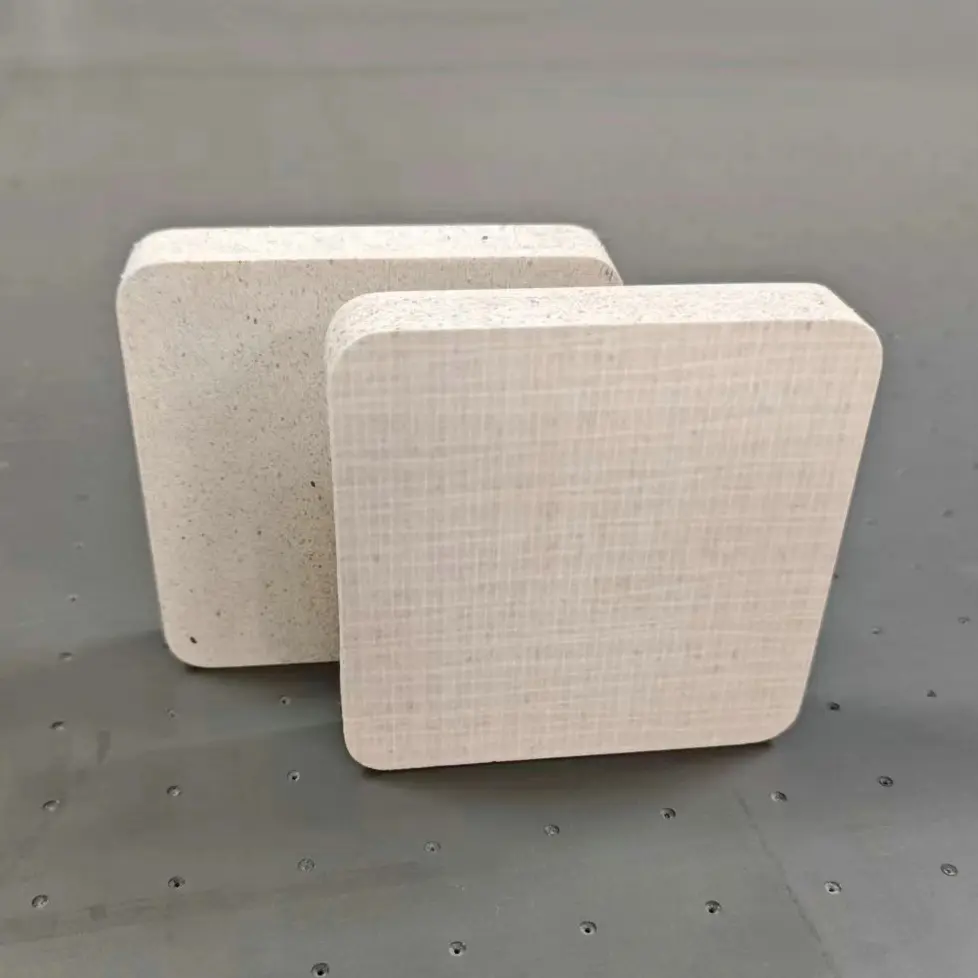 Fire-proof Board
 Sound Resistance
 Termite Resistance