10 Essential Tips for Choosing Exterior Cladding Panels for Your Home?
When choosing exterior cladding panels for your home, the selection process can be daunting. Industry expert Sarah Johnson states, “The right cladding can transform a house into a home.” This highlights the importance of making an informed decision.
Exterior cladding panels significantly impact a home's aesthetic and energy efficiency. They serve as the first line of defense against weather elements. However, selecting unsuitable materials can lead to costly repairs later on. For instance, some panels may warp in high humidity, requiring replacements sooner than expected.
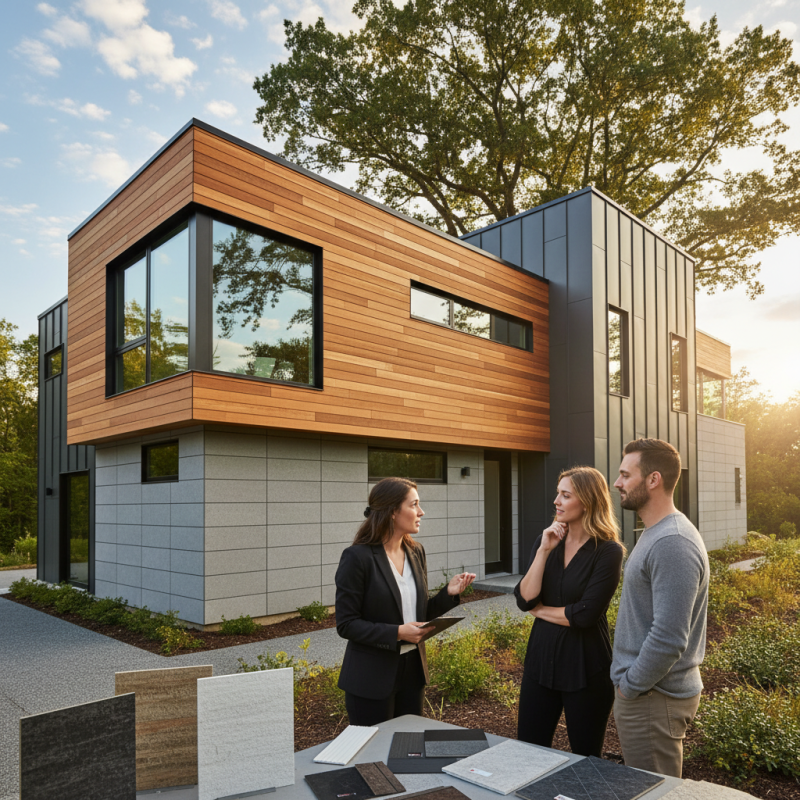
Understanding the variety of available options is crucial. From wood to vinyl, each material has unique characteristics. The wrong choice could darken your home’s appeal rather than enhance it. While trends often dictate choices, durability should take precedence. Reflecting on your needs and local climate can guide you to the best exterior cladding panels for your project.
Understanding Different Types of Exterior Cladding Panels and Their Benefits
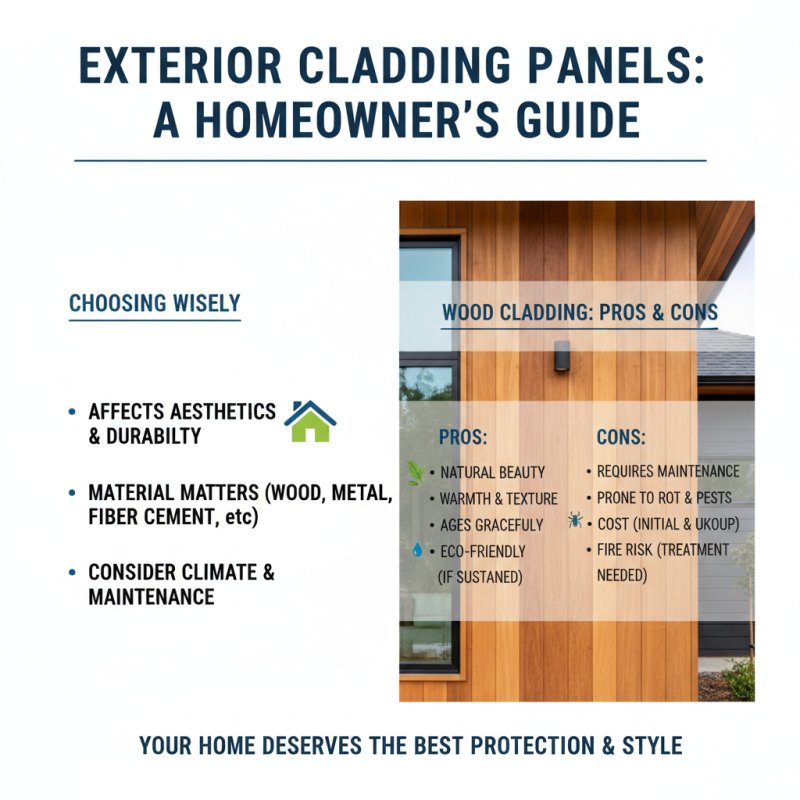
Choosing the right exterior cladding panels is crucial for your home. Various materials are available, each with unique benefits. Wood, for example, provides natural beauty and warmth. It can age gracefully, but maintenance is essential to prevent rot and pests.
Vinyl is another popular option. It's affordable and comes in numerous colors. However, while easy to clean, it may not withstand extreme weather conditions as effectively as wood or brick. Speaking of brick, it offers durability and excellent insulation. Yet, the cost and installation process can be daunting.
Metal panels offer a modern look and are highly resilient. They resist fire and pests, but they may dent easily. Selecting the right material demands careful consideration of climate, aesthetics, and budget. Each option has its trade-offs, so reflect on your priorities carefully. What suits your home best may not be perfect for another.
Evaluating Durability and Lifespan of Cladding Materials for Longevity
When selecting exterior cladding panels, durability and lifespan are crucial factors. Some materials last longer than others. For instance, fiber cement offers excellent resilience against weather impacts. However, it might require periodic maintenance to stay in top shape. This is vital when considering the long-term costs.
Tip: Always research weather patterns in your area. This knowledge helps choose the right material. Strong winds or heavy rains can take a toll on weaker options.
Another consideration is maintenance. Some cladding types need regular upkeep, while others are more forgiving. Wood, for example, may look stunning but requires frequent painting or staining. On the other hand, metal cladding is often more durable and requires less intervention.
Tip: Evaluate your willingness to maintain your home’s exterior. A beautiful finish is useless if you can’t keep it up. Consider how much time and effort you are willing to invest.
Assessing Thermal Efficiency: Insulation Values of Common Cladding Options
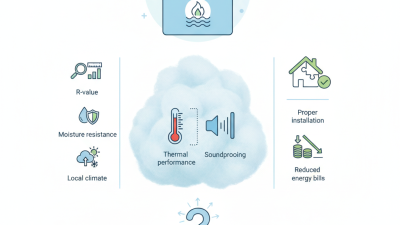
When selecting cladding panels, thermal efficiency is a critical factor.
Insulation values impact your home's energy use. Higher insulation ratings mean better heat retention.
Popular materials such as wood, fiber cement, and vinyl
offer varying thermal properties. For example, fiber cement generally has good insulation.
However, it's essential to check the R-values of each option.
Sometimes, individuals can overlook this detail.
Another concern is the installation process. Improper installation can lead to thermal bridging.
This phenomenon occurs when heat escapes through gaps. It diminishes the overall effectiveness of insulation.
Ensure that installers are knowledgeable about thermal dynamics.
Some homeowners discover this too late, facing higher energy bills.
Additionally, consider climate impacts when choosing materials.
In colder climates, a significant insulation value is crucial.
In warmer areas, lightweight options might suffice.
The local environment greatly influences these decisions.
Be mindful of aesthetic choices as well. Sometimes, style can override practical needs, leading to regrets later.
Achieving harmony between aesthetics and efficiency can be challenging.
Cost Analysis: Budgeting for Material, Installation, and Maintenance
When budgeting for exterior cladding panels, consider various costs. The materials alone can range from $3 to $12 per square foot, depending on the type. For instance, vinyl or fiber cement panels may be less expensive, while natural stone can be significantly pricier. It's crucial to evaluate the material's lifespan as well. Some options, like vinyl, last around 20-30 years, whereas others, like brick, can endure for a century.
Installation expenses vary widely, typically ranging from $2 to $7 per square foot. This cost can increase with complex designs or difficult access. Hiring experienced contractors ensures proper installation, reducing future maintenance needs. Industry data shows that improper installation can lead to increased repair costs later. Maintaining cladding involves periodic inspections and cleaning, which adds to long-term expenses. Homeowners should budget an additional $1 to $5 per square foot annually for maintenance. Ultimately, balancing initial costs with long-term sustainability and aesthetics is key in the decision-making process.
Cost Analysis of Exterior Cladding Materials
Environmental Impact: Choosing Sustainable Cladding Solutions for Your Home
When selecting exterior cladding panels, sustainability should be a key consideration. Wood is a popular choice, but it can lead to deforestation if not sourced responsibly. Look for options with certifications that guarantee sustainable practices. Reclaimed wood adds character and reduces waste, but its durability can be a concern.
Metal panels offer an alternative, as they are often recyclable. However, their production can be energy-intensive. Choosing aluminum or steel can sometimes come with a higher carbon footprint. Natural stone is beautiful and durable, but quarrying can disturb local ecosystems. It's essential to assess the environmental impacts of each material thoroughly.
While aesthetics matter, the long-term consequences are critical. People often overlook the lifecycle of cladding materials. Some panels may seem attractive initially but require heavy maintenance or replacement sooner than anticipated. We should always ask ourselves if the choices we make contribute positively to the environment. It's a balancing act between beauty, functionality, and sustainability.



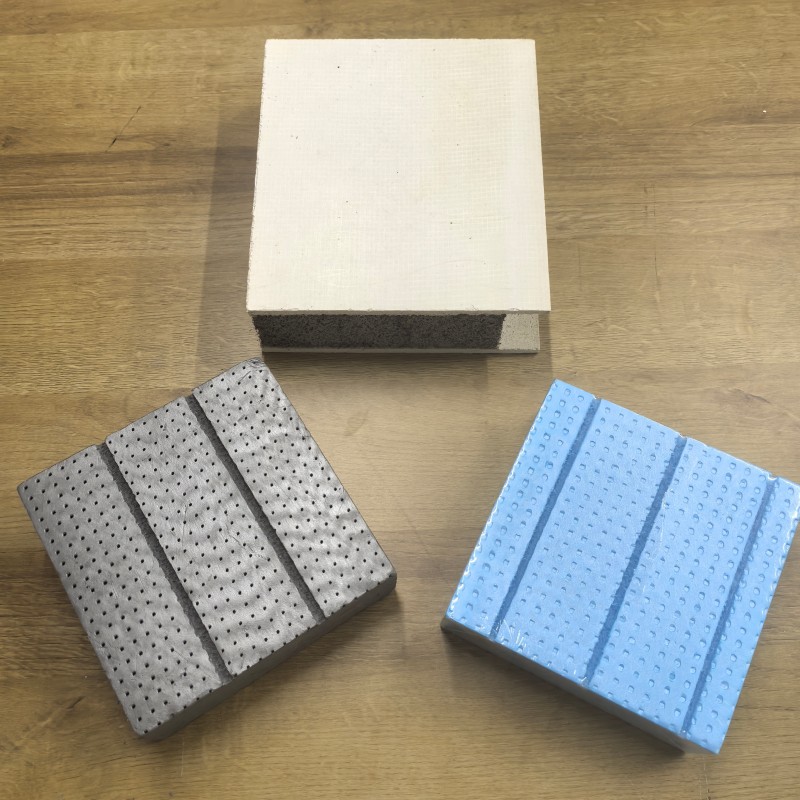 Environmental Building Board
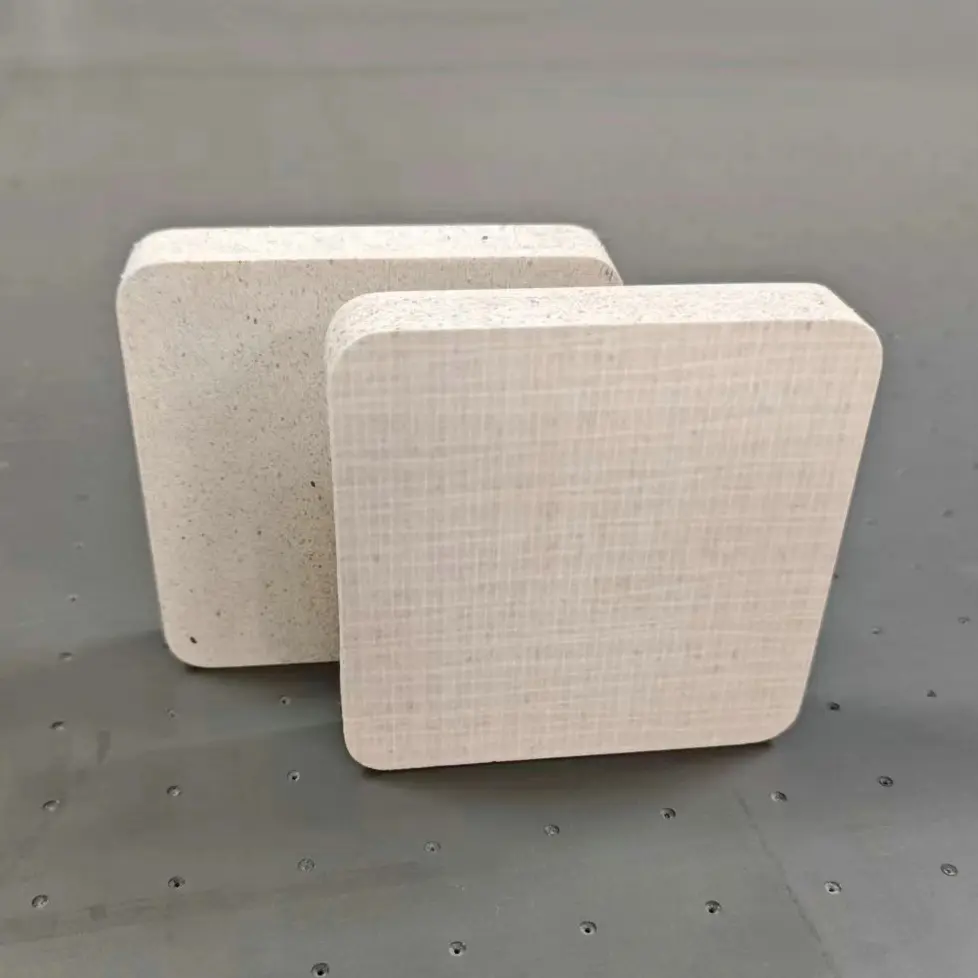 Fire-proof Board
 Sound Resistance
 Termite Resistance