10 Essential Tips for Using Sound Absorbing Glass Wool Effectively?
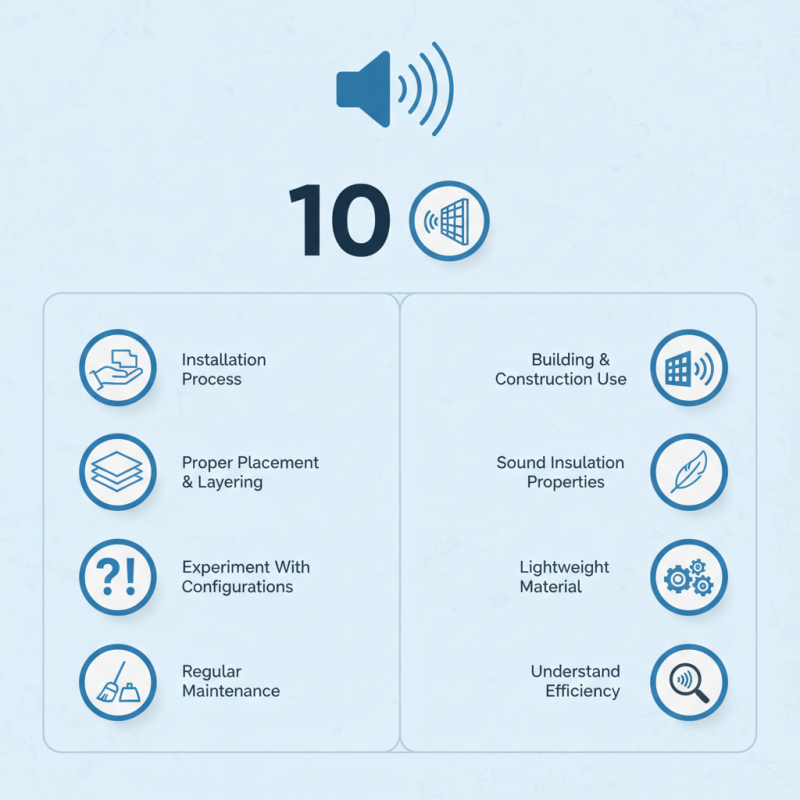
Sound-Absorbing Glass Wool is a versatile material used in building and construction. This product is known for its excellent sound insulation properties. However, many users struggle to maximize its benefits. Understanding how to use it effectively is crucial.
To achieve better sound absorption, consider the installation process. Proper placement and layering can significantly enhance performance. While it is lightweight, handling it requires care to avoid damage. Remember, not all applications will provide the same results. Experimenting with different configurations can lead to surprising improvements.
Maintenance can be overlooked, yet it plays an essential role. Dust and debris can reduce efficiency over time, so regular upkeep is necessary. Awareness of these factors can make a big difference. Embracing some trial and error will help you harness the true potential of Sound-Absorbing Glass Wool.
Understanding Sound Absorbing Glass Wool: Benefits and Properties
Sound absorbing glass wool is a versatile material, ideal for managing sound in various settings. Its unique composition, primarily consisting of thin glass fibers, enhances its sound-dampening properties. According to industry reports, this material can reduce noise levels by up to 50%, making it a popular choice in both residential and commercial spaces.
The benefits of using sound absorbing glass wool extend beyond just noise reduction. It also provides thermal insulation, contributing to energy savings. Studies show that spaces insulated with sound absorbing materials often see a 30% decrease in heating and cooling costs. However, installation can be tricky. If not properly fitted, gaps can occur, reducing overall effectiveness.
While it performs well, it’s essential to note that maintenance is crucial. Over time, dust and debris can accumulate, hindering performance. Regular checks can help ensure optimal function. Additionally, some users may find the initial investment to be higher. This can lead to hesitation in choosing the right material. As with any building decision, weighing the pros and cons is critical.
10 Essential Tips for Using Sound Absorbing Glass Wool Effectively
This chart displays the effectiveness of sound absorbing glass wool in various environments based on tested frequency ranges. The data illustrates the percentage of sound absorption across three different frequencies (500 Hz, 1000 Hz, and 2000 Hz) showcasing the material's capabilities.
Proper Installation Techniques for Maximum Sound Absorption
When installing sound absorbing glass wool, proper techniques are crucial for achieving optimal performance. Research shows that the effective placement of sound absorbing materials can reduce noise levels by up to 50%. Positioning the glass wool strategically in corners and wall cavities maximizes its sound absorbing capacity.
One essential tip is to ensure proper sealing of the edges. Unsealed edges can create gaps that allow sound to escape. Use acoustical caulk to seal any openings. This small step can greatly enhance the performance of glass wool.
Another tip is to consider the thickness of the material. Thicker insulation tends to absorb lower frequencies better, improving overall sound quality.
Also, pay attention to installation density. Too loose or too tightly packed can diminish the effectiveness. Aim for a snug fit without compressing the material. Use detailed planning before installation to visualize the layout.
Avoid rushing this process; it can lead to missed spots. Effective sound absorption requires every detail to be considered. So take your time and ensure quality in each step. Adjustments may be needed post-installation to find the sweet spot of sound absorption.
Maintaining and Caring for Sound Absorbing Glass Wool
When using sound-absorbing glass wool, proper maintenance is essential for longevity and effectiveness. Regular inspections can help you spot any damage or wear. Look for tears or compression in the material. These issues can decrease sound-absorbing capabilities. If you notice any problems, consider repairs or replacement.
Cleaning glass wool is another crucial aspect of care. Dust and debris can collect over time, affecting performance. Use a vacuum with a soft brush attachment to remove dust gently. Avoid using water, as it can damage the material. If stains occur, use a mild detergent and a damp cloth, then let it dry completely.
Tips to maintain your installation include ensuring proper ventilation. Adequate airflow is vital, as trapped moisture can reduce the effectiveness of sound absorption. For optimal results, position the glass wool correctly with no compression. Regularly check for and address any signs of wear or damage. A little care can go a long way in maintaining sound-absorbing properties.
Choosing the Right Thickness and Density for Your Needs
Choosing the right thickness and density of sound absorbing glass wool is crucial. The ideal thickness depends on your specific needs. If you're treating a large room, thicker materials can be more effective. Common thicknesses range from 1 to 4 inches. Thinner pieces may work well in smaller spaces.
Density plays a significant role too. Higher density glass wool absorbs more sound. However, it can be heavier and harder to install. Lower density options are lighter and easier to manage, yet they may not absorb sound as well. Think about the type of noise you want to block. For example, heavier sounds require denser materials.
Consider your space carefully. What works in one area may not fit another. Experimenting with different thicknesses could yield different results. Don't be afraid to adjust your choices based on what you observe. It's about finding the right balance for your unique environment.
Common Applications of Sound Absorbing Glass Wool in Various Environments
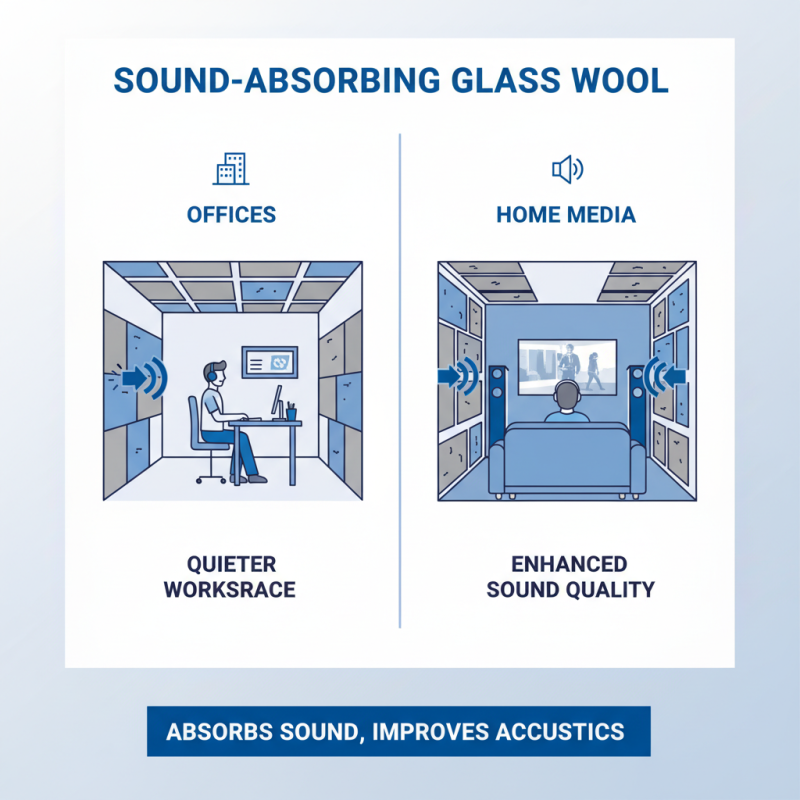
Sound absorbing glass wool is a versatile material widely used in different environments. In offices, it helps to reduce noise levels, creating a quieter workspace. Installing it on walls and ceilings can drastically improve acoustics. In a home setting, it can be used in media rooms to enhance sound quality. The material absorbs sound waves, making conversations clearer and movies more immersive.
In industrial applications, sound absorbing glass wool serves another purpose. Factories often face high noise levels that can affect worker productivity. Using this material minimizes disruptive sounds. It can be installed in machinery areas or as part of the building's insulation. However, achieving optimal results requires careful installation. Mishaps can lead to sound leakage, limiting effectiveness.
Moreover, in educational environments, sound absorption is crucial. Classrooms benefit greatly when background noise is minimized. Glass wool can be placed in libraries or auditoriums as well. This ensures students can focus better. Yet, some may not realize the importance of proper maintenance. If damaged, the performance drops significantly, leading to unsatisfactory acoustic outcomes.



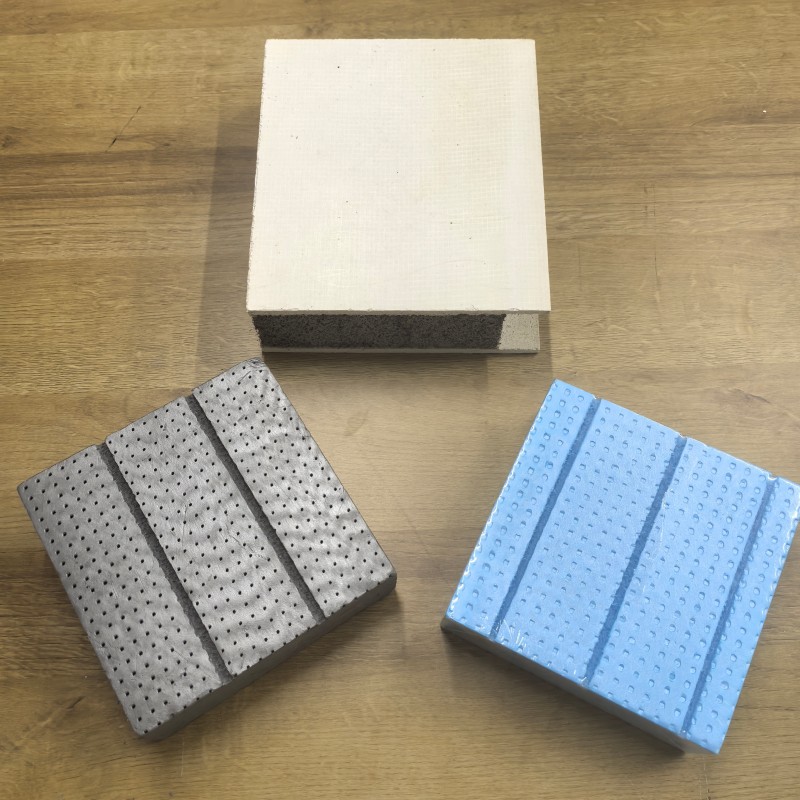 Environmental Building Board
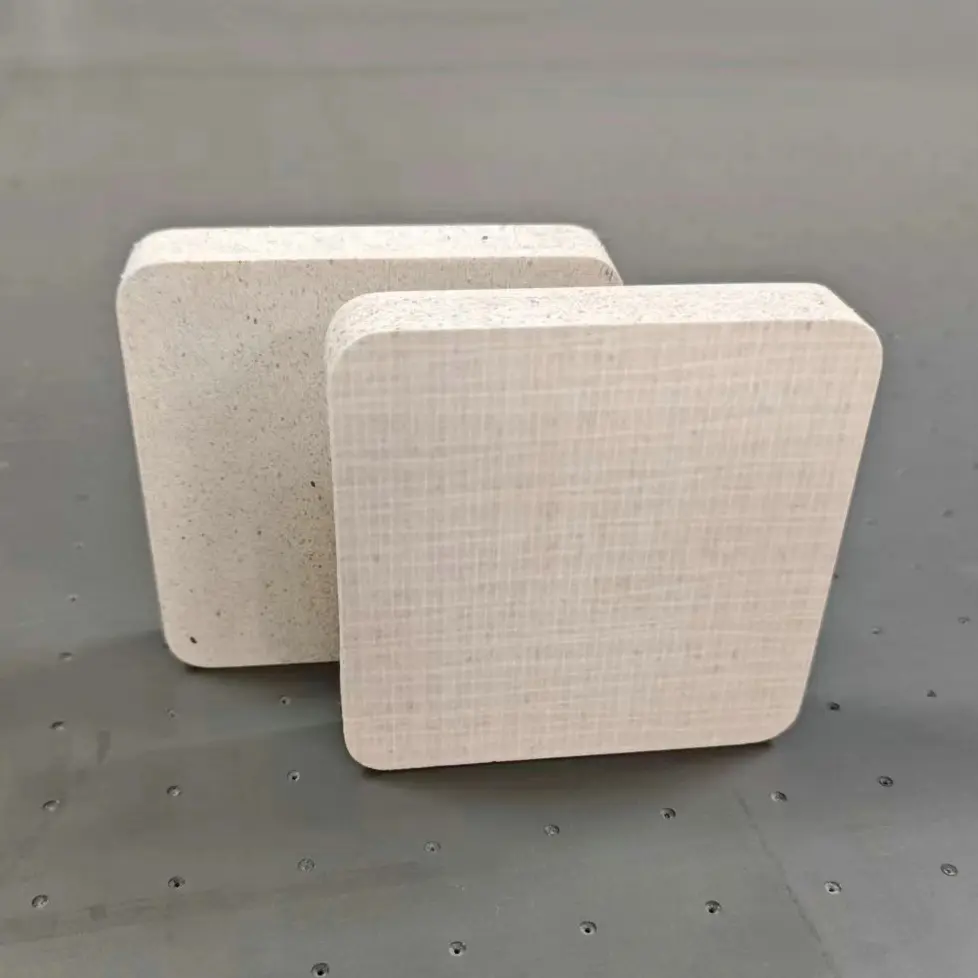 Fire-proof Board
 Sound Resistance
 Termite Resistance