What is the Importance of Using a Protective Board in Various Applications?
In the modern industrial landscape, the significance of a Protective Board cannot be overstated. Experts in the field, like Dr. Emily Carter, emphasize its necessity: "A protective board is essential for ensuring safety and structural integrity." These boards are utilized in various applications, from construction sites to packaging materials, offering robust protection against potential hazards.
Protective Boards shield vulnerable surfaces from damage. They minimize impact from falling objects and reduce risks in high-traffic areas. In industries such as electronics, they prevent damage during shipping, ensuring the products arrive intact. The choice of materials and design is critical for effectiveness. Yet, selecting the right type may present challenges for some practitioners.
There's more to consider than just physical protection. The environmental impact of Protective Boards also warrants attention. As industries evolve, so must our approaches. Finding the balance between durability and environmental responsibility is crucial. Continuous innovation and research in this field can enhance the effectiveness of Protective Boards while addressing sustainability concerns.

The Definition and Functionality of Protective Boards in Various Sectors
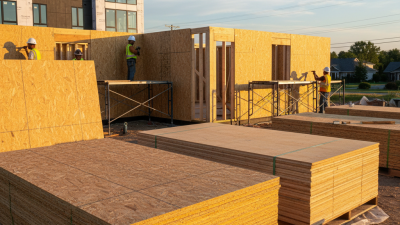
Protective boards play a crucial role in many industries. They define safety standards and enhance functionality across sectors. In construction, for instance, protective boards shield surfaces from damage. According to a report by the Occupational Safety and Health Administration (OSHA), proper use of protective measures can reduce accidents by up to 40%. This statistic highlights their importance in maintaining a safe working environment.
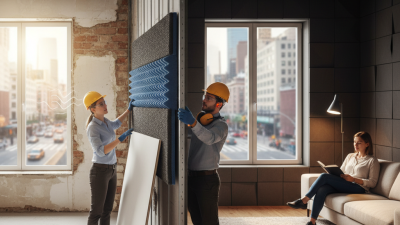
In the electronics sector, protective boards help in preventing short circuits and component failures. A study by the International Electronics Manufacturing Initiative (iEMI) indicates that proper insulation and shielding can increase product reliability by over 30%. However, not every industry utilizes these protective measures effectively. Some companies overlook the necessity of quality protective boards, leading to costly replacements and safety hazards.
The environmental impact of using protective boards is often underestimated. While they provide safety and longevity, the materials used can be a concern. Not every product meets eco-friendly standards. This raises questions about the sustainability of certain protective boards. Industries must weigh the benefits against their environmental footprint, prompting a more thoughtful selection process.
Types of Protective Boards and Their Specific Applications
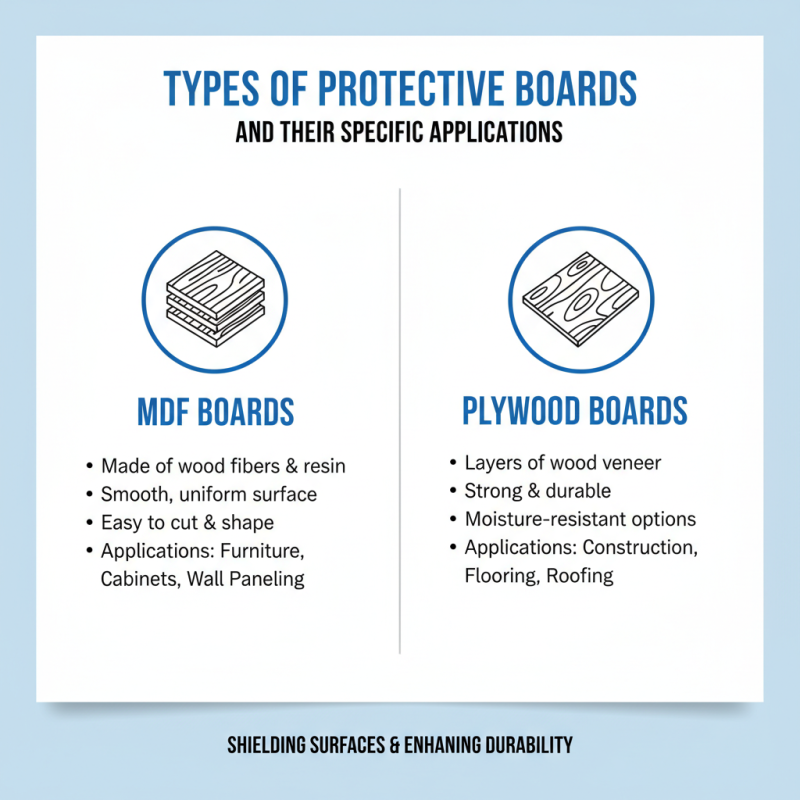
In various applications, protective boards serve crucial roles. They are designed to shield surfaces and enhance durability. Two common types are MDF boards and plywood boards. Each serves unique needs across industries.
MDF boards offer a smooth surface for painting. They are often used in furniture and cabinetry projects. This material is easy to cut and shape. However, when exposed to moisture, it may swell. Designers should consider this weakness. Plywood, on the other hand, provides strength and stability. Its layered composition minimizes warping. This makes it suitable for construction and flooring. Yet, plywood can splinter, requiring careful handling.
Additionally, composite boards are becoming popular. They combine materials for enhanced performance. These boards resist moisture and wear, making them ideal for outdoor use. However, they can be heavier and pricier. Users must weigh the benefits against their specific needs. Understanding the distinct properties of each type ensures better decisions in project planning.
Industry Standards and Regulations Governing Protective Board Usage
Protective boards play a crucial role across various industries. They ensure safety in construction, manufacturing, and even in logistics. The importance of these boards cannot be overstated, especially in environments where physical impact is a risk. According to industry reports, more than 30% of workplace injuries result from falling objects. This statistic emphasizes the need for protective boards.
Compliance with industry standards is vital. Organizations must follow guidelines set by regulatory bodies. The Occupational Safety and Health Administration (OSHA) establishes safety standards that include the use of protective boards. These standards often dictate the materials and installation methods used, ensuring worker safety. Reports show that workplaces adhering to these regulations experience 40% fewer accidents.
However, there are challenges. Not all industries understand the importance of these boards. Some may view them as an added expense rather than a necessity. Inadequate training on their use can lead to improper application. This misconception can lead to severe safety issues. By prioritizing proper education and adherence to regulations, organizations can enhance workplace safety significantly.
The Importance of Using a Protective Board in Various Applications
Benefits of Protective Boards: Cost Savings and Damage Reduction Statistics
Protective boards play a vital role in various applications, providing significant cost savings. For example, in construction, using these boards can prevent damage to surfaces. This leads to fewer repair costs. Job sites that utilize protective boards report a 30% decrease in surface damage. This statistic shows the importance of investing in such materials.
Moreover, protective boards help in reducing downtime. Fewer repairs mean projects finish on time. In logistics, protected goods minimize losses during transport. Statistics indicate that companies using protective measures have a 25% lower damage rate. This not only saves money but also improves client satisfaction.
Despite the clear benefits, some businesses may undervalue protective boards. Many believe that they add unnecessary expense. This perspective can lead to greater costs later on due to repairs and delays. Understanding the long-term impact is essential. Investing in protection today can yield substantial benefits tomorrow.
Case Studies: Effectiveness of Protective Boards in Real-World Scenarios
In various industries, protective boards serve as essential components. Case studies show their effectiveness in real-world scenarios. One notable example is in construction. Workers often face risks from falling debris. Using protective boards can significantly reduce these hazards. They act as barriers, shielding workers and equipment below.
Another case study highlights the food packaging industry. Protective boards are critical in preventing contamination. They maintain food safety during transit and storage. Regular inspections reveal how these boards withstand environmental factors. However, wear and tear can diminish their effectiveness over time. Some boards may crack or degrade, leading to potential compromises in safety.
In the technology sector, protective boards are vital for circuit and hardware. They shield sensitive components from electromagnetic interference. Yet, not all boards perform equally well under stress. Analysis points out that some materials may fail prematurely. This emphasizes the need for continual analysis and improvement in board design. Overall, these studies underline the significance of selecting the right protective boards for specific applications.
What is the Importance of Using a Protective Board in Various Applications?
| Application Area |
Type of Protective Board |
Effectiveness (%) |
Key Benefits |
Real-World Example |
| Construction |
Plywood Boards |
90 |
Durability, Weather Resistance |
Used for temporary shielding on sites |
| Retail |
Cardboard Protective Boards |
85 |
Cost-effective, Lightweight |
Used for packaging displays |
| Logistics |
Foam Boards |
95 |
Shock Absorption, Lightweight |
Used for fragile item packaging |
| Automotive |
Composite Boards |
88 |
Weight Reduction, Strength |
Used in vehicle interiors |
| Electronics |
ESD Protective Boards |
92 |
Electrostatic Discharge Protection |
Used for component transport |



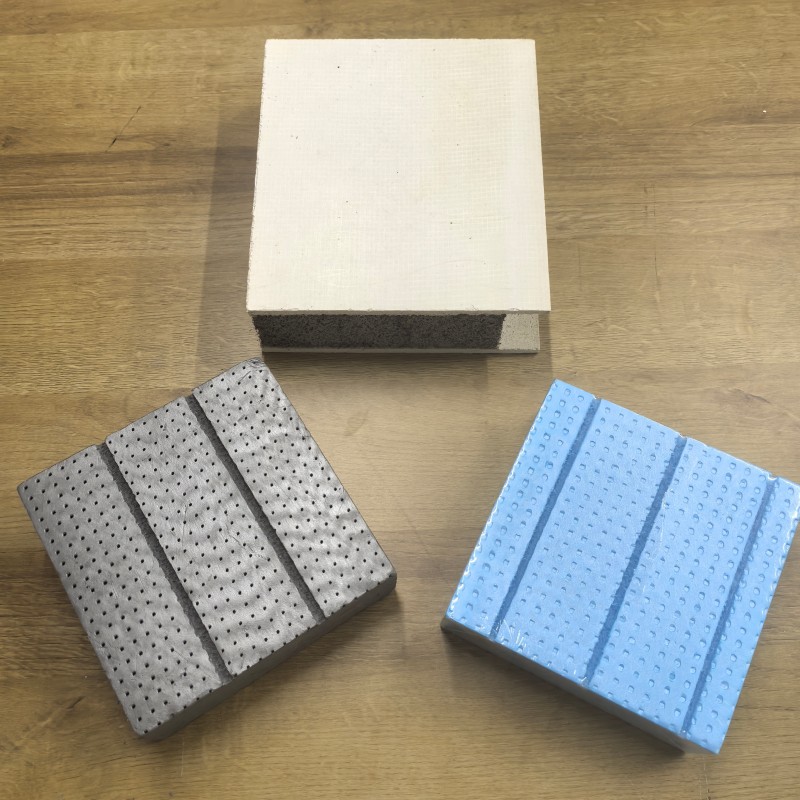 Environmental Building Board
 Fire-proof Board
 Sound Resistance
 Termite Resistance