2026 How to Improve Acoustic Insulation in Your Home?
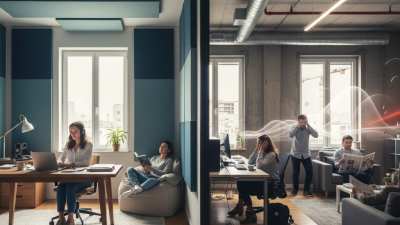
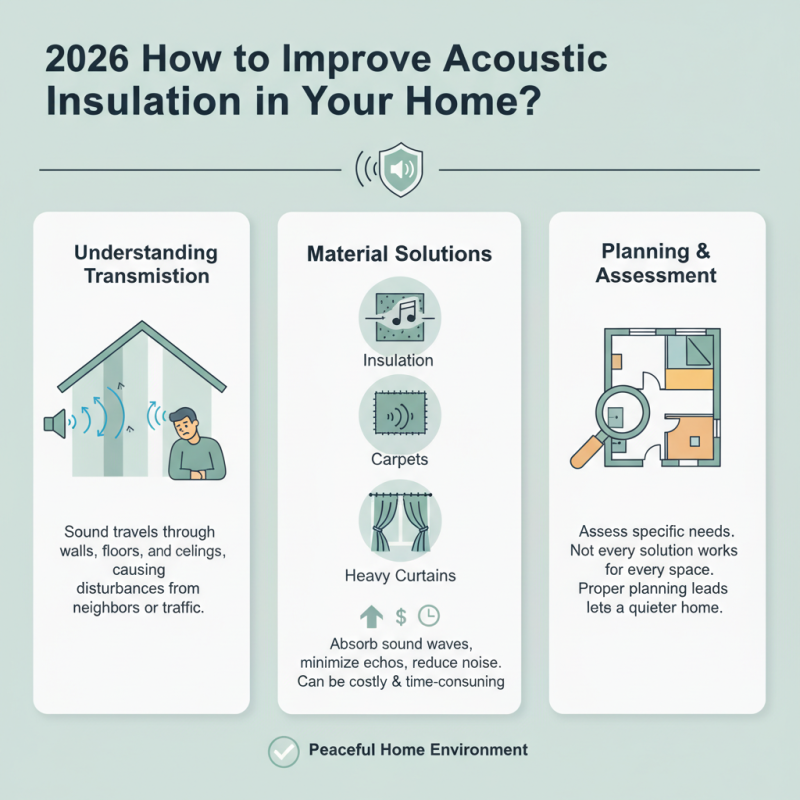
In the quest for a peaceful home environment, enhancing Acoustic Insulation is essential. Sound travels easily through walls, floors, and ceilings. This can lead to disturbances that affect our daily lives. Whether it's loud neighbors or noisy street traffic, the impact can be significant.
Choosing the right materials is crucial when improving Acoustic Insulation. Insulation panels, carpets, and heavy curtains can absorb sound waves effectively. These elements minimize echoes and reduce noise transmission. However, the process can be expensive and time-consuming. You may not achieve perfect results on your first attempt.
It's important to assess your home's specific needs. Not every solution works for every space. While some areas may benefit from added insulation, others might need simple adjustments. Realizing this can help you avoid frustration. Investing time and effort in proper planning can lead to a quieter and more serene home.
Understanding Acoustic Insulation and Its Importance in Home Design
Acoustic insulation plays a crucial role in home design. It helps reduce noise from outside and between rooms. This improvement enhances the overall comfort of a living space. In noisy urban areas, it becomes even more significant. People thrive in quiet environments where they can relax and focus.
Choosing the right materials can impact acoustic insulation effectiveness. For example, using thick curtains and carpets can absorb sound. Wall panels made of soundproofing foam can also minimize noise. These strategies may not always be enough. Many homes still struggle with sound issues despite attempts to insulate.
It's essential to evaluate your home’s unique needs. Consider areas that require extra attention, like bedrooms and home offices. Regularly check the insulation's condition. Sometimes, simple repairs can make a big difference. Don't ignore gaps in doors and windows. These small areas can let in unwanted noise, affecting your peace.
Common Sources of Noise Pollution in Residential Areas
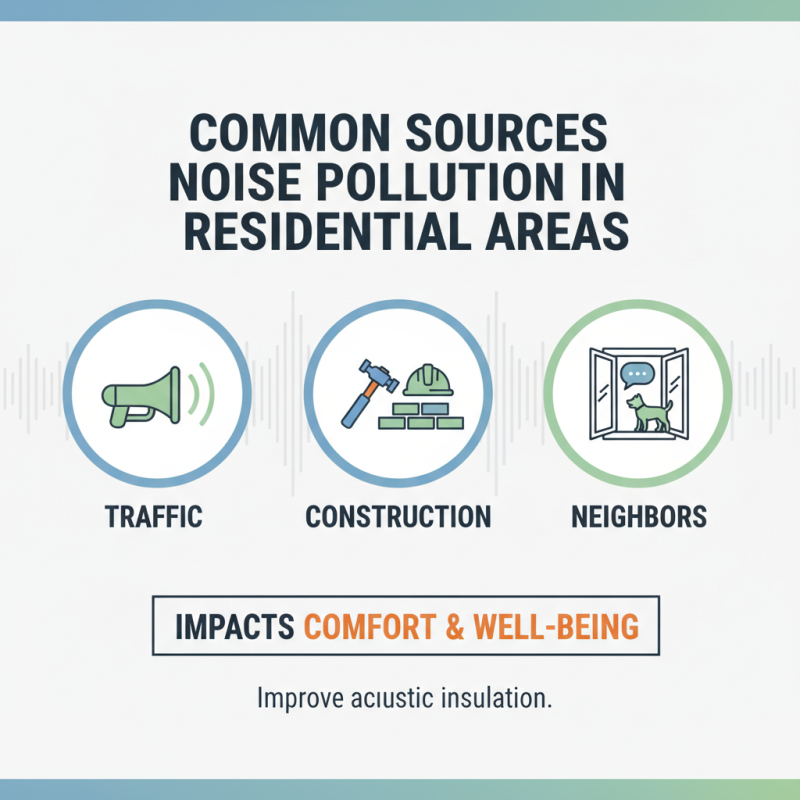
Noise pollution is a common issue in residential areas. It can come from various sources, like traffic, construction, and neighbors. These disturbances can significantly impact comfort and well-being at home. Understanding where noise originates is the first step in improving acoustic insulation.
Traffic noise often seeps through windows and walls, disrupting the peace. In busy neighborhoods, it becomes especially intrusive. Construction activities can create a constant hum of machinery, which is hard to ignore. Even sounds from nearby parks, like children playing or dogs barking, can contribute to a noisy environment. Recognizing these sources can help homeowners find effective insulation solutions.
Investing in soundproofing materials, like double-glazed windows and insulated walls, may not be the only solution. Sometimes, reflecting on lifestyle choices can help. For instance, reallocating rooms like bedrooms to quieter parts of the house might mitigate distractions. Each home is unique, and exploring various options can lead to a more peaceful living space.
Effective Materials for Enhancing Acoustic Insulation in Homes
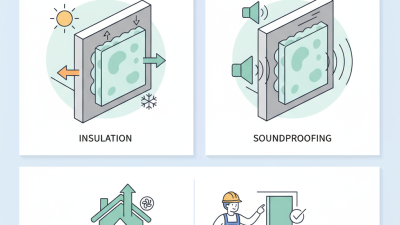
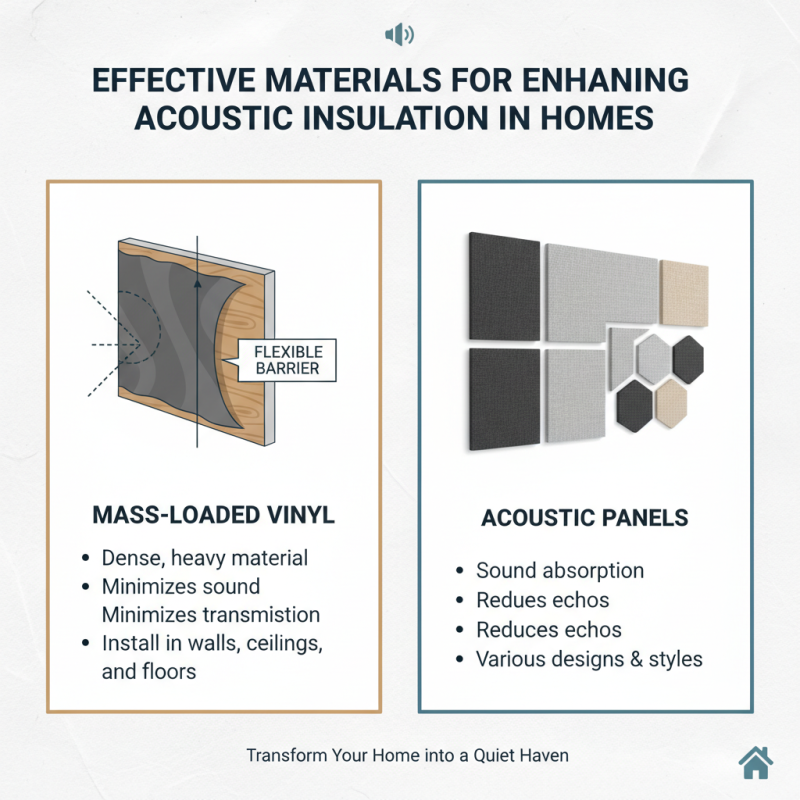
When it comes to improving acoustic insulation in your home, the choice of materials plays a significant role. Dense materials like mass-loaded vinyl are effective for minimizing sound transmission. This flexible barrier can be installed in walls, ceilings, and floors. Another excellent option is acoustic panels, which absorb sound waves and reduce echoes. They are available in various designs, suited for different styles and preferences.
Fiberglass insulation is another reliable material. It is known for its sound-dampening properties. Installing it can be a bit challenging, but the impact on noise reduction is worth it. In addition, cork flooring is a sustainable choice that provides both aesthetic appeal and acoustic benefits. It can absorb sound, making your living space quieter.
However, not all homes are the same. The effectiveness of these materials can vary based on the existing structure and layout. Sometimes, DIY solutions may fall short of expectations. A thorough evaluation might reveal what needs to be improved. Collaborating with a professional can address individual needs effectively. Achieving optimal acoustic insulation may require a mix of materials and methods. Each homeowner's journey will be unique, emphasizing the importance of tailored solutions.
DIY Methods to Improve Soundproofing Without Major Renovations
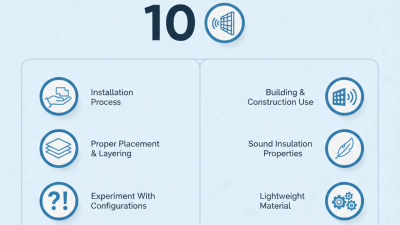
Improving acoustic insulation in your home doesn’t always require extensive renovations. Simple DIY methods can significantly enhance soundproofing. Start with weather stripping around windows and doors. This is affordable and effective. Gaps allow sound to travel easily. Seal these gaps and enjoy a quieter home.
Consider adding soft furnishings. Thick curtains and plush rugs can absorb sounds. These items are easy to integrate into your decor. Use acoustic panels too. They can fit seamlessly into your walls. You can even DIY them for a personal touch. Just remember, each space is unique. What works for one room might not work for another.
Soundproofing is a process. Not every solution will work perfectly. It may take time to find what suits your needs best. Experiment with different materials and layouts. You might feel overwhelmed at first, but small changes can lead to noticeable improvements. Trust the process, and you’ll create a more serene living environment.
2026 How to Improve Acoustic Insulation in Your Home? - DIY Methods to Improve Soundproofing Without Major Renovations
| Method |
Description |
Effectiveness (1-10) |
Estimated Cost ($) |
Time Required |
| Weatherstripping |
Seal gaps around doors and windows to reduce noise. |
7 |
20 |
1-2 hours |
| Acoustic Panels |
Install panels on walls to absorb sound. |
9 |
150 |
3-4 hours |
| Area Rugs |
Use thick rugs to dampen footstep noise. |
6 |
100 |
1-2 hours |
| Door Sweeps |
Install sweeps to block sound under doors. |
8 |
30 |
30 minutes |
| Mass Loaded Vinyl |
Hang or attach vinyl sheets to reduce sound transmission. |
8 |
200 |
2-3 hours |
When to Consult Professionals for Acoustic Insulation Solutions
Acoustic insulation can significantly enhance your living environment. However, deciding when to consult professionals is crucial. If your home experiences persistent noise issues, it might be time to seek expert advice. Professional consultants can assess your specific situation. They look at various factors, like wall structure and noise sources. Their insights can help tailor solutions that are both effective and cost-efficient.
Many homeowners underestimate the complexity of acoustic insulation. DIY solutions often fall short. For instance, the wrong type of material can lead to further noise problems. Poor installation can also hinder performance. Professionals, with their experience, navigate these challenges effectively. They use advanced tools to identify problem areas and suggest targeted interventions. Such expertise can save you time and eventual costs.
Listen to your surroundings. If you hear outside noise, or if your rooms echo, consider consulting an expert. Their knowledge can guide your choices, ensuring you invest wisely in your home's comfort. Remember, a well-insulated home not only provides peace but also boosts your overall quality of life.



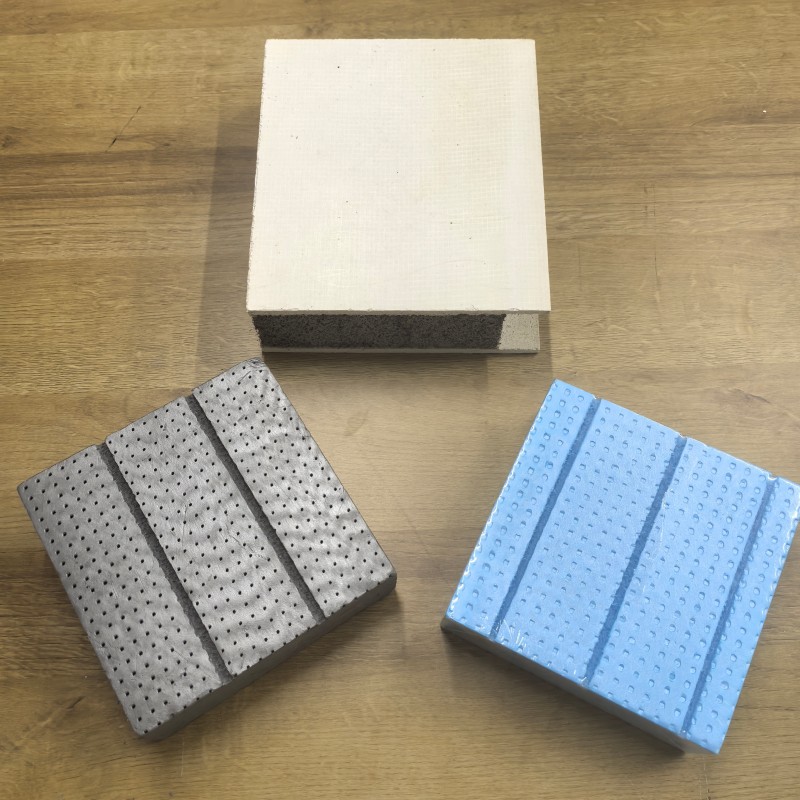 Environmental Building Board
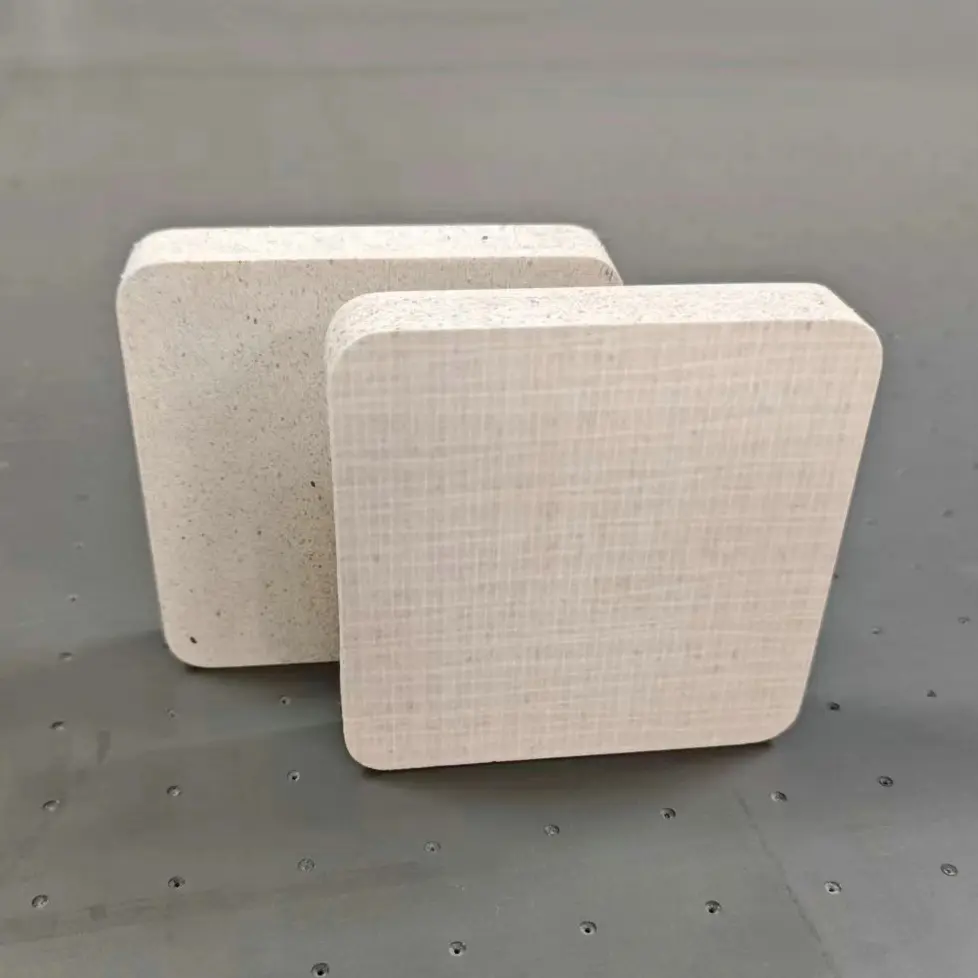 Fire-proof Board
 Sound Resistance
 Termite Resistance