2026 How to Improve Your Home's Thermal Insulation for Energy Efficiency?
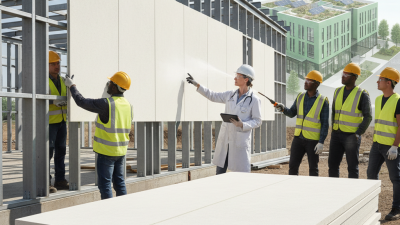
In the quest for energy efficiency, thermal insulation remains a critical aspect of home improvement. Renowned expert Dr. Emily Carter states, “Proper thermal insulation not only enhances comfort but significantly reduces energy bills.” This highlights the urgent need for homeowners to evaluate their current insulation strategies.
Many homes are under-insulated, resulting in lost energy and higher costs. Drafty windows and poorly insulated walls can lead to discomfort during extreme temperatures. Simple upgrades can make a substantial difference. Investing in materials like spray foam or fiberglass can boost a home's thermal performance significantly.
However, it is easy to overlook insulation. Many homeowners might not realize how much they could save through effective thermal insulation. Addressing this can be daunting. Yet, starting small, like sealing gaps, can yield immediate benefits. Awareness and action are key to improving energy efficiency and comfort.
Understanding Thermal Insulation: Importance for Energy Efficiency
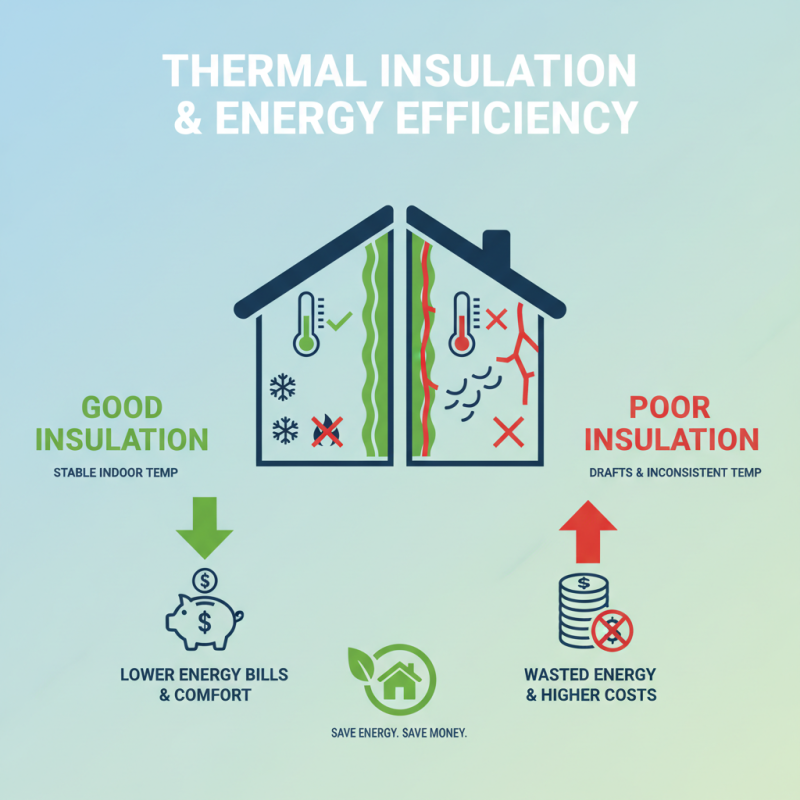
Thermal insulation plays a crucial role in energy efficiency. It helps maintain a stable indoor temperature, reducing the need for heating and cooling systems. When insulation is effective, homes can save significantly on energy bills. Poor insulation, however, can lead to drafts and inconsistent temperatures. This often results in wasted energy and higher costs.
Understanding the materials used in insulation is essential. Different types include fiberglass, foam, and cellulose. Each has its pros and cons. For instance, fiberglass is common but may irritate the skin. Meanwhile, foam provides excellent air sealing. Homeowners need to assess their unique needs.
Improving insulation is not always straightforward. Older homes might have gaps in insulation. These gaps can be difficult to identify. A thorough inspection is necessary to spot issues. Sealing leaks can make a considerable difference. Sometimes, investing in new materials may be the best solution. It's about finding the right balance for energy efficiency and comfort.
Common Types of Thermal Insulation Materials for Homes
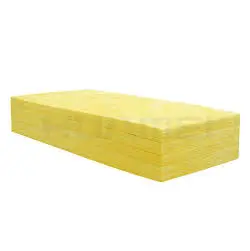
When considering thermal insulation materials for homes, several common types stand out. Fiberglass is one of the most prevalent options. It is made from tiny glass fibers and has a thermal resistance (R-value) of about 2.9 to 4.3. This means that more insulation can keep heat in during winter and out during summer, effectively improving energy efficiency.
Another popular choice is spray foam insulation. This material expands upon application, filling gaps and crevices. Its R-value reaches around 6 to 7 per inch, offering a higher level of thermal resistance compared to other materials. However, the application process requires careful handling and may need professional assistance, which can raise costs.
Cellulose, made from recycled paper products, is another alternative. It has an R-value of about 3.1 to 3.8 and is treated with fire-retardant chemicals. While environmentally friendly, issues like moisture retention can occur, leading to potential mold growth. If not installed correctly, cellulose may settle over time, reducing its efficacy. Understanding these materials helps homeowners make informed choices about improving insulation for better energy consumption.
2026 How to Improve Your Home's Thermal Insulation for Energy Efficiency
| Insulation Material |
R-Value (per inch) |
Cost per Square Foot ($) |
Energy Efficiency Rating |
| Fiberglass Batt |
3.1 - 4.3 |
0.40 - 0.70 |
Good |
| Foam Board |
4.0 - 6.5 |
0.80 - 1.20 |
Excellent |
| Spray Foam |
6.0 - 7.0 |
1.00 - 1.50 |
Exceptional |
| Cellulose |
3.1 - 3.8 |
0.60 - 0.90 |
Good |
| Mineral Wool |
3.2 - 4.0 |
0.70 - 1.00 |
Very Good |
Step-by-Step Guide to Assessing Your Home's Current Insulation
Assessing your home's current insulation is critical for energy efficiency. Start by checking your attic insulation. According to the U.S. Department of Energy, a well-insulated attic can save homeowners up to 15% on heating and cooling costs each year. Look for gaps or thin spots. If you can see the ceiling joists, your insulation is likely insufficient.
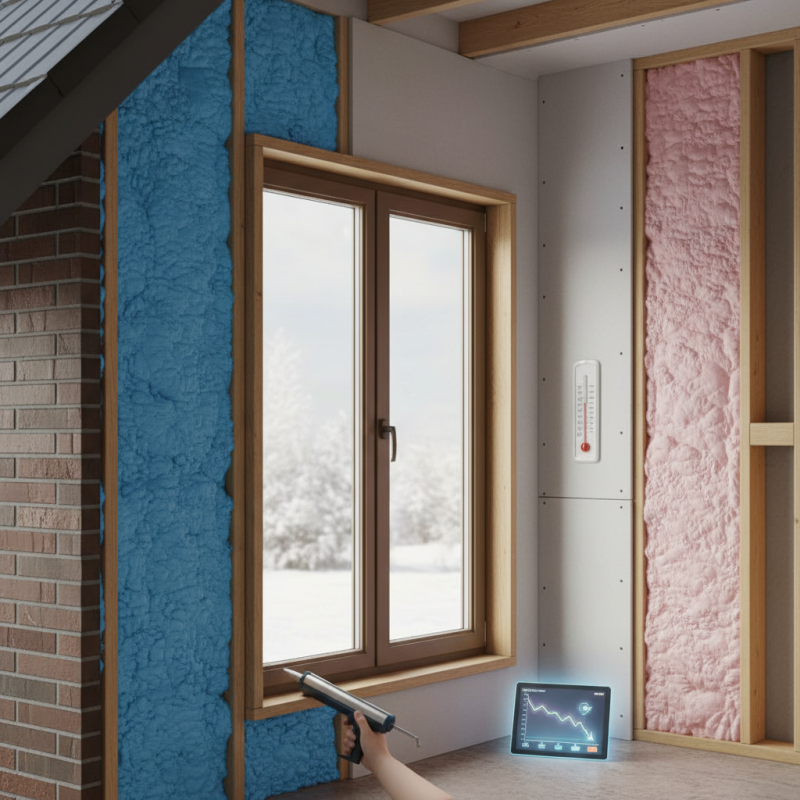
Next, examine your walls. Many homes built prior to the 1980s lack proper wall insulation. Use an infrared thermometer to identify cold spots. This tool helps detect areas where heat is escaping. Research indicates that 25% of heat loss occurs through poorly insulated walls. Sealing these gaps can lead to significant energy savings.
Don't forget windows and doors. Conduct a simple test by running your hand along the frames. Air leaks can lead to energy waste. The U.S. Energy Information Administration suggests that sealing leaks can improve energy efficiency by 5-30%. Utilize weather stripping or caulk to address these issues. Regular assessments are key to maintaining insulation quality. Recognizing your home's insulation needs can feel overwhelming, but it’s crucial for long-term savings.
Effective Techniques to Improve Insulation in Different Areas of the Home
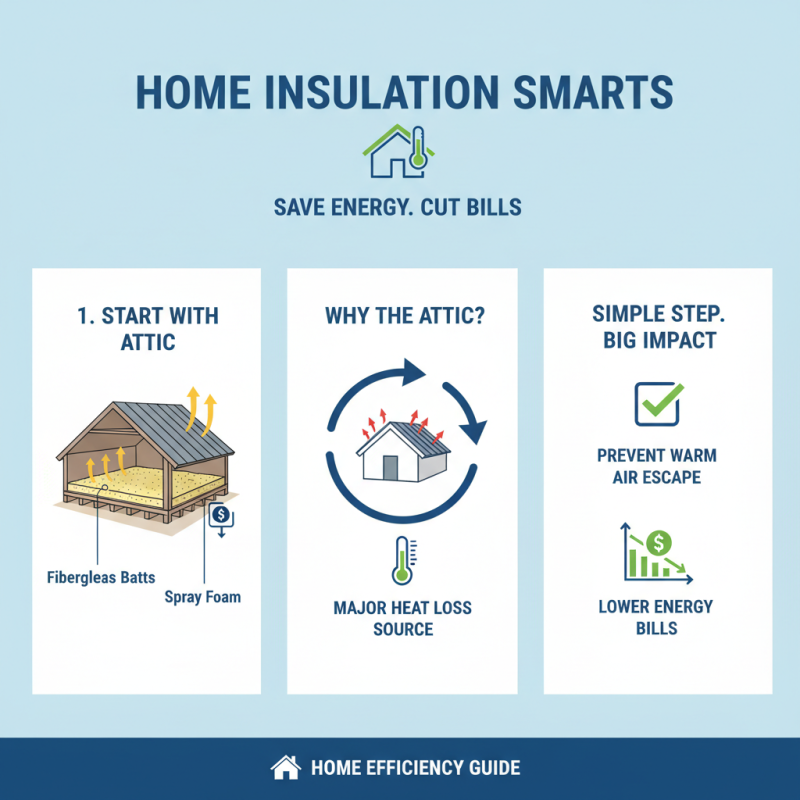
Improving your home's thermal insulation can enhance energy efficiency significantly. Start with the attic, as it is a major source of heat loss. Insulating the attic floor with fiberglass batts or spray foam can prevent warm air from escaping. This step seems simple, but many overlook it, resulting in high energy bills.
Next, focus on windows and doors. Use weatherstripping, or caulk to seal gaps. Consider adding storm windows for extra protection against cold weather. These additions can drastically lower heat loss, but they often aren’t added until a draft is felt. You might not notice how much cold air seeps in through unsealed areas until it's too late.
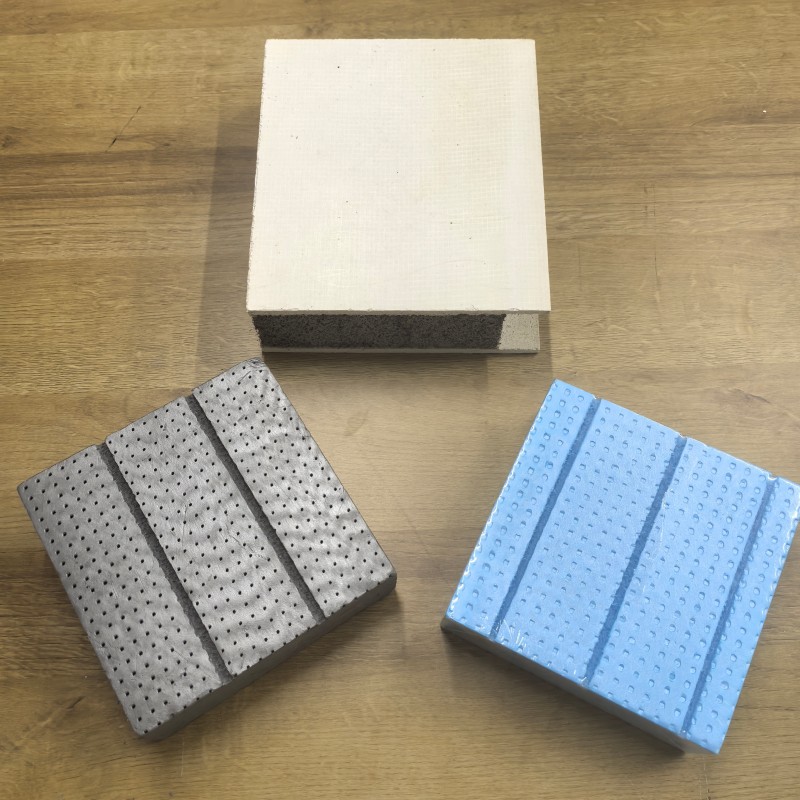
Lastly, check the basement. It can be a significant source of heat loss as well. Insulating basement walls and floors reduces energy consumption. Using rigid foam boards is one option, but many homeowners fail to see the basement as a priority. Taking these measures can lead to noticeable changes, but the need for ongoing maintenance is essential. Ignoring these spaces might lead to wasted energy and increased costs.
Tips for Maintaining and Upgrading Thermal Insulation Over Time
Maintaining thermal insulation is crucial for energy efficiency. Over time, insulation can degrade or become less effective. According to the U.S. Department of Energy, homeowners can save an average of 15% on energy costs by upgrading insulation.
Regularly inspect your insulation for signs of wear. Look for gaps, tears, or moisture damage. These issues can reduce efficiency. Sealing any noticeable gaps is a simple yet effective way to shore up your home’s insulation. Remember, improper installation can also lead to issues. Poorly placed insulation might trap moisture, leading to mold growth.
Consider upgrading to more effective materials when replacing insulation. For instance, spray foam insulation can provide a higher R-value per inch compared to traditional materials. Reports suggest that homes equipped with high-performance insulation may see energy savings of up to 30%. Don’t overlook the importance of proper ventilation as well. Without it, even the best insulation can’t function properly. Balancing insulation and airflow is essential for long-term efficiency. Always embrace an attitude of continuous improvement in your home energy practices.



 Environmental Building Board
 Fire-proof Board
 Sound Resistance
 Termite Resistance