How to Improve Thermal Insulation in Your Home for Energy Savings?
Creating a comfortable home often hinges on effective thermal insulation. Good insulation can drastically reduce energy bills. Many homeowners overlook this aspect. They might not realize how critical thermal insulation is for energy savings.
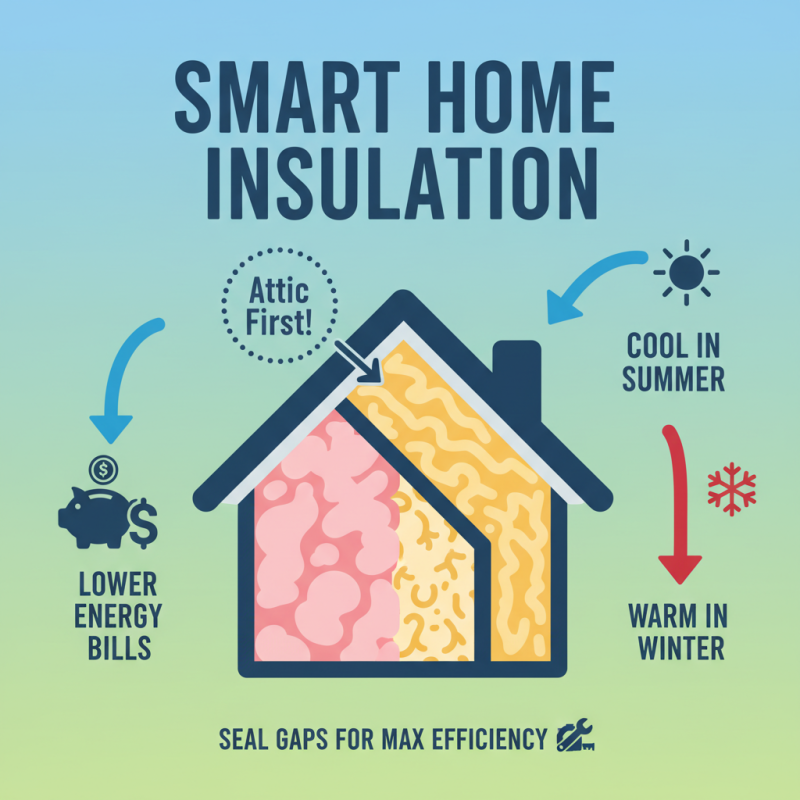
Thermal insulation plays a vital role in maintaining indoor temperatures. It prevents heat loss during winter and keeps your home cool in summer. Properly insulated homes are more energy-efficient. Yet, many homes still lack adequate insulation. This gap presents an opportunity for improvement.
Homeowners can enhance thermal insulation in various ways. Simple solutions include sealing drafts around windows and doors. Adding insulation materials in attics or walls can make a huge difference. These improvements require minimal investment but offer significant returns. However, before rushing into projects, a thorough assessment of existing insulation is crucial. Understanding your home’s insulation level is key to making informed decisions.
Understanding Thermal Insulation and Its Importance for Energy Savings
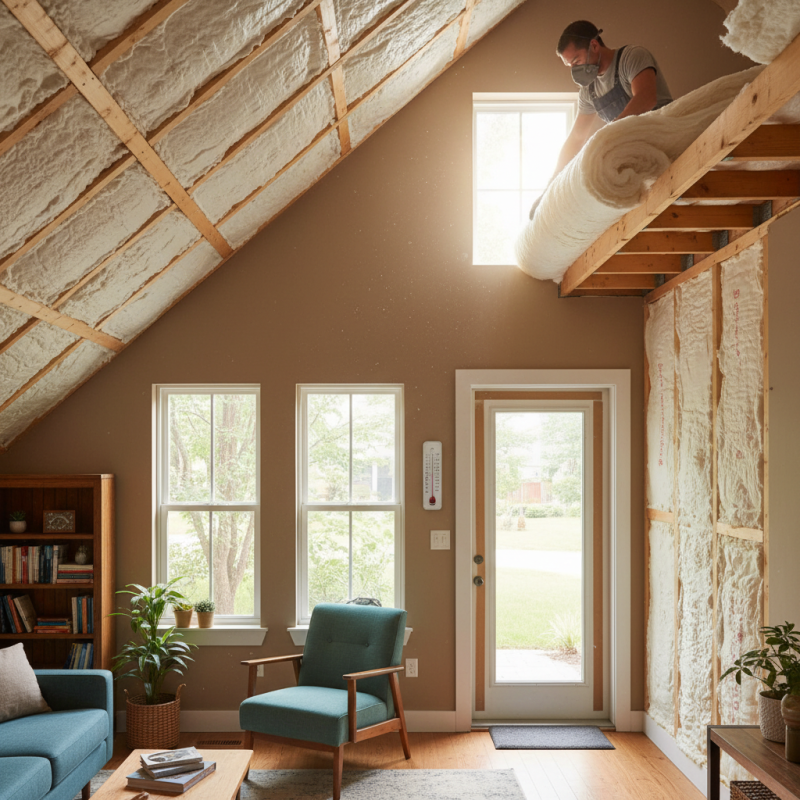
Thermal insulation plays a crucial role in energy savings for homes. It reduces heat transfer, keeping your living space comfortable. By maintaining a stable temperature, insulation helps lower energy bills. Many homeowners overlook the impact of properly insulating their homes. It’s easy to forget that drafts can significantly increase energy costs.
Understanding how insulation works can lead to better choices. Different materials offer varying levels of insulation. Some perform well in cold climates, while others excel in heat. People often ignore their attic or basement insulation. Inadequate coverage in these areas can lead to significant heat loss. This oversight can cause discomfort and unnecessary expenses.
Many homes still have outdated insulation. It’s essential to assess what is currently in place. Sealing gaps and adding insulation can improve energy efficiency. Homeowners may hesitate due to cost concerns. Yet, the long-term savings often outweigh initial expenses. Reflecting on your home’s insulation can reveal simple fixes. Making these changes can save money and enhance comfort.
Common Types of Thermal Insulation Materials for Residential Use
When it comes to enhancing thermal insulation in your home, the choice of materials is crucial.
Common options include fiberglass, foam board, and cellulose.
According to the U.S. Department of Energy, well-insulated homes can save up to 30% on heating bills.
Fiberglass is a popular choice, as it's non-combustible and resistant to moisture. However, it can be itchy and may require careful handling.
Cellulose is made from recycled paper, offering an eco-friendly alternative, but it can settle over time, reducing effectiveness.
Tip: Consider using a moisture barrier with your insulation to prevent mold growth.
Foam board insulation is another effective option. It provides a high R-value per inch, which means it offers excellent thermal resistance.
However, the cost can be a concern for some homeowners. It also requires precise installation to prevent gaps. You must also think about local climate conditions when selecting insulation types.
What works in warm regions may not be suitable for colder climates.
Tip: Regularly inspect your insulation and replace any damaged sections.
Evaluating Your Home's Current Insulation Levels and Effectiveness
To evaluate your home's insulation levels, start with a visual inspection. Check your attic and basement, as these areas often reveal hidden problems. Look for gaps or compressed insulation. Cold drafts might indicate insufficient coverage. Don't overlook the windows and doors; they can be significant sources of heat loss, too.
Testing insulation effectiveness can be more involved. A thermal camera can help visualize temperature differences in your walls. Areas that appear dark often lack insulation. An energy audit could provide deeper insights. These audits will pinpoint weaknesses in both insulation and air sealing. Addressing these areas can lead to noticeable energy savings. It’s vital to remain critical of your findings. You might discover spots you've neglected for years.
Improving insulation requires an ongoing commitment. You may need to replace old materials or add new layers. Reflect on your insulation methods and consider what isn’t working. Sometimes, DIY solutions backfire. Overestimating your skills can lead to wasted resources. Take the time to evaluate what your home truly needs.
How to Improve Thermal Insulation in Your Home for Energy Savings? - Evaluating Your Home's Current Insulation Levels and Effectiveness
| Insulation Type |
R-Value |
Effectiveness (%) |
Cost per Square Foot ($) |
Lifespan (Years) |
| Fiberglass Batt |
R-13 to R-21 |
70% |
0.50 |
30 |
| Spray Foam |
R-15 to R-30 |
90% |
1.50 |
80 |
| Cellulose |
R-12 to R-20 |
75% |
0.70 |
20 |
| Mineral Wool |
R-15 to R-23 |
80% |
0.90 |
30 |
| Rigid Foam Board |
R-10 to R-20 |
85% |
1.20 |
40 |
Practical Steps to Enhance Insulation in Different Areas of Your Home
Improving thermal insulation in your home can significantly lower energy bills. Start with your attic. Insulation here can trap heat in winter and keep it out in summer. Adding fiberglass batts or spray foam can help. Ensure there are no gaps where air can escape. Sometimes, it’s easier said than done.
Walls also need attention. Check for any cracks or gaps in the exterior. Sealing these can prevent heat loss. Consider adding insulation panels. They can be an effective solution, but remember, they might not fit perfectly. You might need to adjust them to get a snug fit.
Floors are another critical area. If you have uninsulated crawl spaces, consider adding insulation there too. Insulating underneath can keep your floors comfortable year-round. It might seem tedious, but it’s worthwhile. Lastly, windows should not be overlooked. Use window films or heavy drapes. While it may not offer complete protection from drafts, every little bit helps.



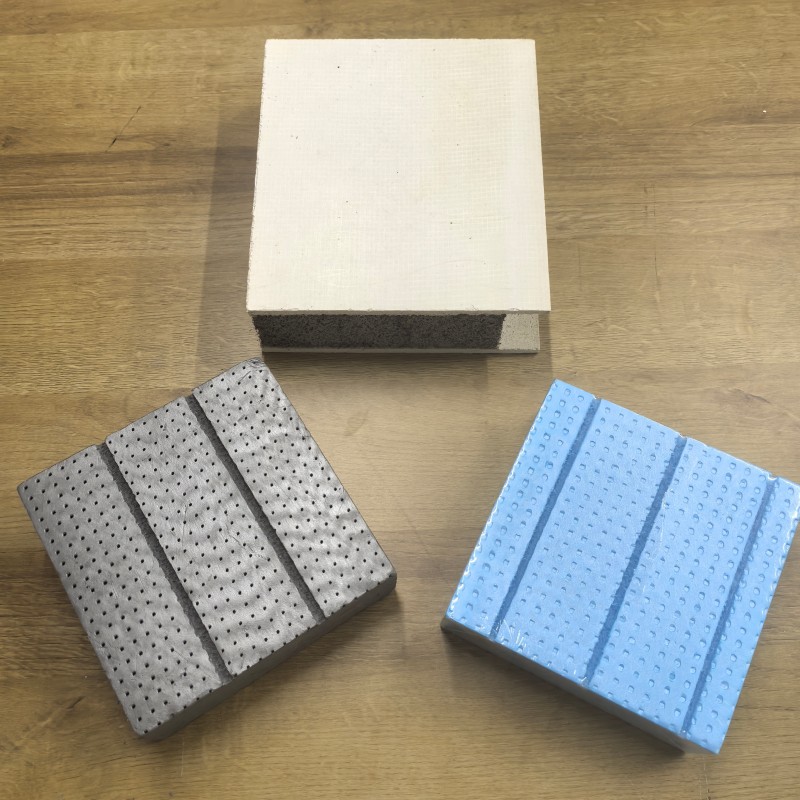 Environmental Building Board
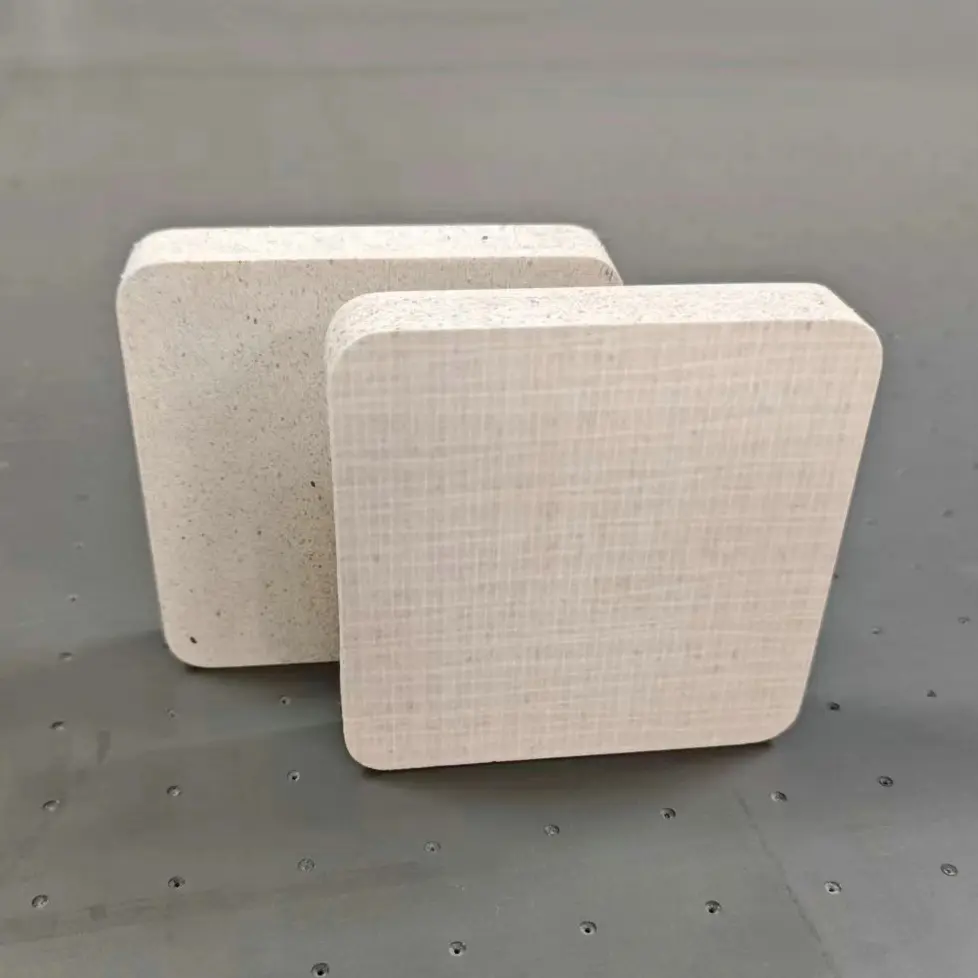 Fire-proof Board
 Sound Resistance
 Termite Resistance