What are the Latest Trends in Structural Board for 2026?
In the rapidly evolving world of construction, "Structural Board" is gaining critical attention. As we look towards 2026, industry trends are shaping the future landscape. Renowned expert Dr. Amy Chen, a specialist in sustainable building materials, states, "The future of Structural Boards lies in innovation and sustainability."
Recent advancements focus on eco-friendly materials and enhanced durability. Manufacturers are experimenting with composites that reduce waste and improve performance. These changes reflect a significant shift towards green practices. However, challenges remain. Not every builder is ready to adopt these new materials, and traditional methods still hold sway in many regions.
The landscape is becoming competitive, with new players entering the market. While innovation fosters growth, it can also create uncertainty. Companies must adapt quickly or risk obsolescence. As structural board technology advances, the future is promising yet requires cautious navigation. Understanding these trends will be crucial for professionals aiming to remain relevant in this dynamic industry.
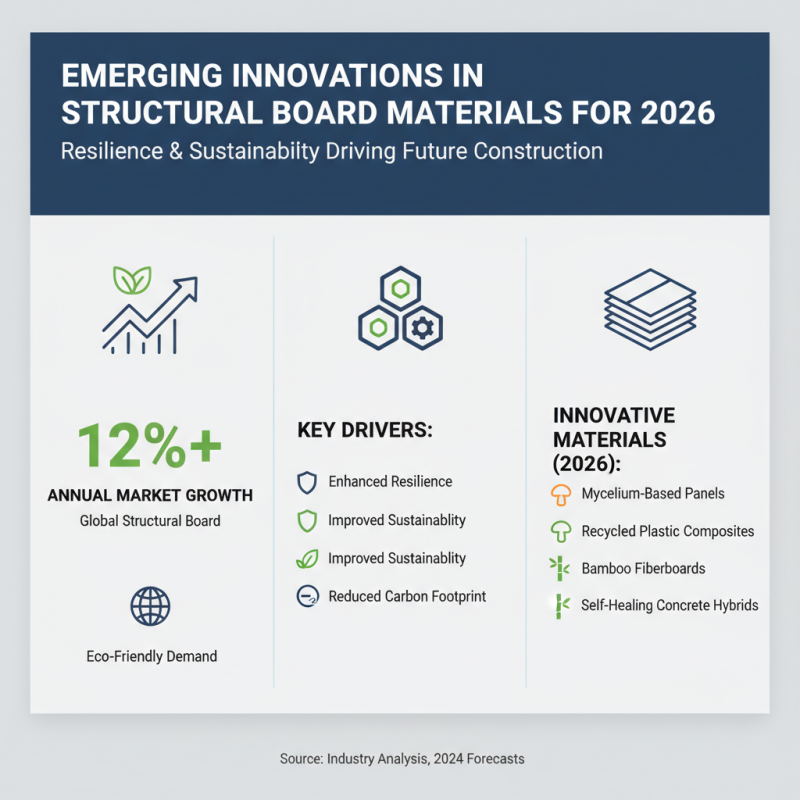
Emerging Innovations in Structural Board Materials for 2026
The structural board industry is evolving rapidly, with exciting innovations expected by 2026. Emerging materials are at the forefront, enhancing resilience and sustainability. A recent analysis forecasts that the global market for structural board materials will grow by over 12% annually, driven by heightened demand for eco-friendly options. This shift reflects a broader trend towards reducing carbon footprints in construction.
Biodegradable composites are gaining traction. These materials blend natural fibers with bio-based resins, creating sturdy yet lightweight boards. For example, recent studies show that these boards maintain structural integrity while reducing environmental impact by up to 30%. Additionally, advancements in manufacturing techniques enable the production of boards with enhanced insulation properties. These innovations make structural boards not only stronger but also more energy-efficient.
Yet, challenges remain. The transition to sustainable materials may lead to inconsistencies in product quality and supply chain disruptions. Stakeholders must navigate these hurdles while promoting new technologies. Ongoing research into hybrid materials blends traditional and modern approaches, paving the way for future innovations. As the industry adapts, balancing performance with environmental responsibility will be crucial in shaping the future of structural board materials.
Sustainable Practices in Structural Board Manufacturing
The structural board industry is shifting towards sustainability, a trend set to dominate in 2026. According to a recent report by Allied Market Research, the global market for sustainable building materials is expected to reach $650 billion by 2027. This growth indicates a strong move toward eco-friendly manufacturing practices. As environmental concerns rise, companies are adapting their processes to reduce emissions and waste.
Sustainable practices in structural board manufacturing include using recycled materials and adopting energy-efficient technologies. Recent studies show that composite boards made from recycled wood fibers can cut production emissions by up to 40%. Incorporating bio-based adhesives also reduces harmful chemicals in production, promoting safer working environments.
**Tips:** Consider sourcing boards made from reclaimed wood. This not only enhances sustainability but also gives a unique aesthetic. Choosing manufacturers with verified environmental credentials can guide you toward more responsible purchasing decisions. Always review suppliers' sustainability reports for transparency.
Technological Advancements Enhancing Structural Board Performance
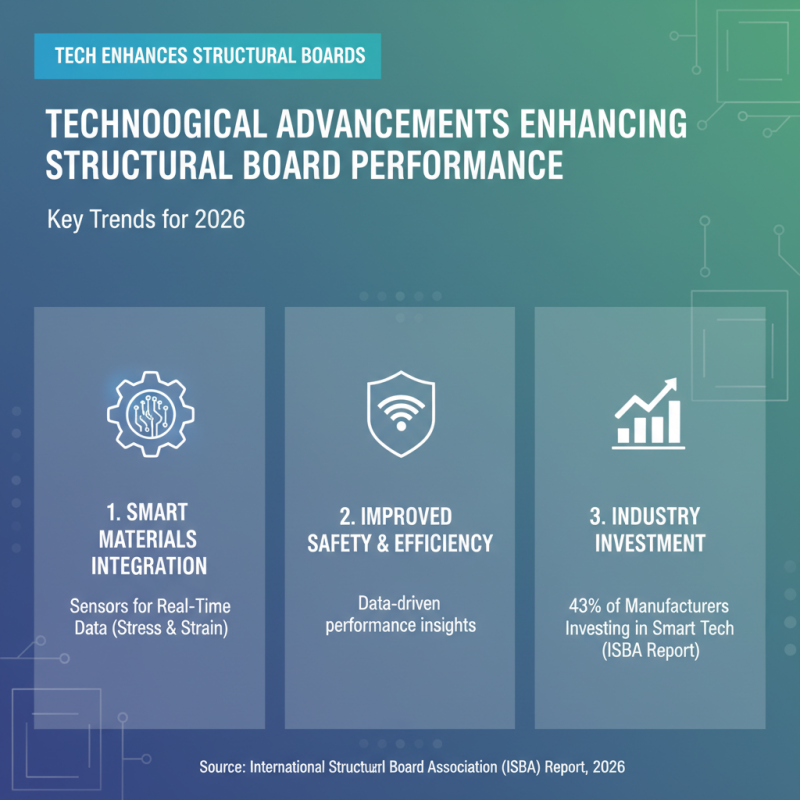
As we approach 2026, advancements in technology are reshaping structural board performance. The integration of smart materials is one notable trend. These boards now incorporate sensors that provide real-time data on stress and strain. According to a recent report by the International Structural Board Association, 43% of manufacturers are investing in smart technology to enhance safety and efficiency.
Another significant development is the increased use of environmentally friendly materials. Bio-based composites are gaining traction, providing durability while reducing carbon footprints. Research indicates that these materials can decrease emissions by up to 30% compared to traditional options. However, the production processes for some sustainable boards remain inefficient, prompting a need for further innovation.
Manufacturers are also focused on improving the moisture resistance of structural boards. As climate change introduces unpredictable weather patterns, moisture-related issues pose challenges. Recent studies suggest that up to 25% of structural failures are linked to moisture damage. Innovations such as hydrophobic treatments are being explored, but there are obstacles in achieving cost-effectiveness. Continued investment and research are essential for overcoming these issues and ensuring reliability in the future.
Market Trends Influencing Structural Board Design and Usage
The structural board industry is experiencing dynamic changes in 2026. New materials are emerging, impacting design and usage. Sustainable options are leading the way. They offer durability while reducing environmental impact. Architects and builders are embracing these alternatives, making informed choices.
Recent trends also highlight customization. Designers now prioritize flexibility in their projects. This shift allows for unique solutions tailored to specific needs. However, customization can lead to complexities in production. Balancing client expectations with practical constraints is essential.
Technological advancements are shaping fabrication techniques. Innovations enhance precision and efficiency. 3D printing and advanced cutting methods are accelerating the process. Yet, relying heavily on technology raises concerns. There is a risk of losing craftsmanship in the equation. This tension between tradition and innovation sparks important discussions in the industry.
Regulatory Changes Shaping the Future of Structural Board Applications
Regulatory changes are significantly influencing the future of structural boards. In the next few years, compliance requirements will reshape how manufacturers create these materials. New standards are being introduced to improve sustainability and reduce environmental impacts. According to a recent report by the International Panel on Climate Change (IPCC), construction accounts for nearly 40% of global carbon emissions. This statistic is prompting stricter regulations.
The need for improved performance in different applications is increasing. For example, fire resistance and thermal insulation properties are becoming essential criteria in product specifications. The European Union's upcoming regulations will require better testing protocols for structural integrity. Data from the Building Research Establishment (BRE) indicates that compliance with these regulations could enhance long-term durability by 20%. This will challenge manufacturers to innovate while ensuring they meet both safety and environmental goals.
Manufacturers must also adapt to emerging market needs. Some sectors are pushing for lightweight materials that do not sacrifice strength. However, developing these innovative products without compromising safety can be complex. Stakeholders must rethink traditional manufacturing methods. As regulations evolve, the industry may face difficulties balancing compliance with the demand for high performance. It is a transformative period that requires both creativity and reflection on best practices.



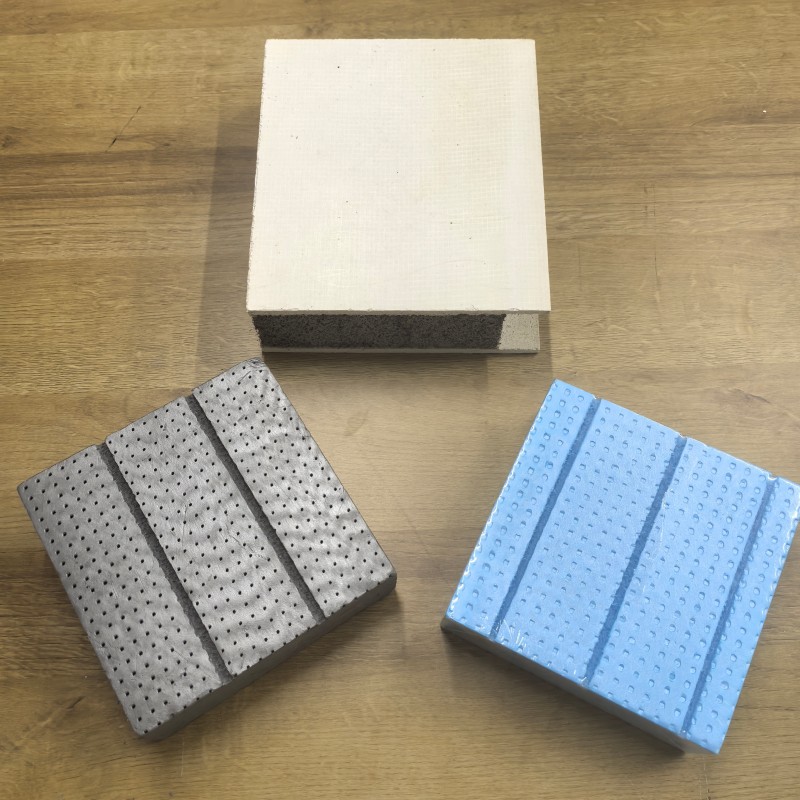 Environmental Building Board
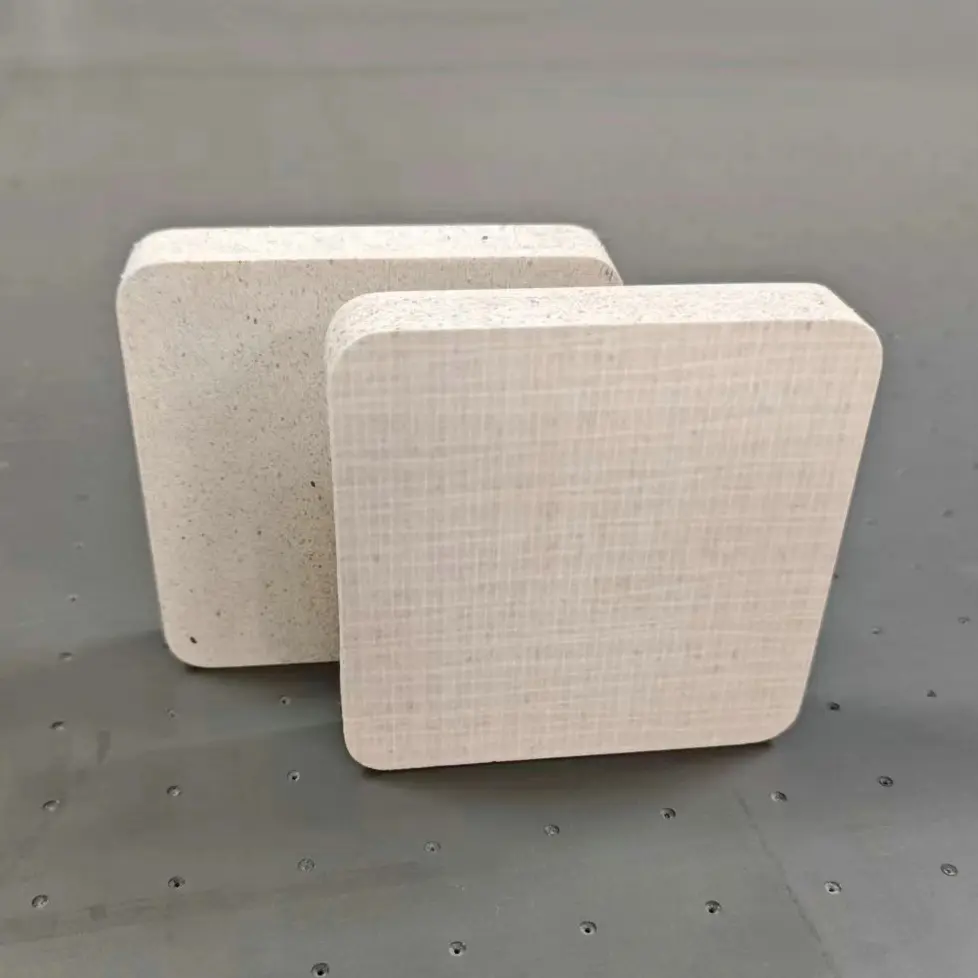 Fire-proof Board
 Sound Resistance
 Termite Resistance