Mgo Board Benefits for Modular Homes Is It Worth It?
The construction industry is evolving, and so are the materials we use. One such innovation is the Mgo Board for Modular Homes. This material is gaining traction for its unique benefits, particularly in modular home construction. “Using Mgo Board for Modular Homes can significantly enhance durability and safety,” says industry expert John Smith, a renowned architect specializing in modular designs. His insights reflect an important shift in building practices.
Mgo Board is known for being lightweight yet incredibly strong. Its resistance to moisture and fire makes it a reliable choice for many builders. However, some potential users remain skeptical about its long-term performance. There are concerns about the availability and cost-effectiveness of Mgo Boards. Not every builder has experience with this material, which can lead to hesitance in adopting it.
Despite these doubts, the advantages are hard to ignore. Mgo Board for Modular Homes promotes faster construction times and can enhance energy efficiency. As the modular home market continues to grow, understanding the implications of this material becomes crucial. It invites careful consideration and more research to navigate the challenges ahead.
Mgo Board Overview: Definition and Composition
Mgo board, short for magnesium oxide board, is a versatile building material. It primarily consists of magnesium oxide, which is derived from natural minerals. This composition gives Mgo board a unique set of properties, including fire resistance, moisture resistance, and durability. Reports indicate that Mgo board can withstand temperatures of up to 1,000 degrees Fahrenheit, making it a safe choice for modular home construction.
In addition to fire safety, Mgo board is also eco-friendly. Studies show that it can be produced with less energy than traditional materials. This results in a lower carbon footprint during manufacturing. Moreover, Mgo boards are resistant to mold, which is crucial in damp environments. However, some builders have noted that installation can be challenging due to its weight and density. Proper handling and cutting techniques are essential to achieve the best results.
While Mgo boards show great potential, they are not without drawbacks. Some users report that their edges can be fragile if not handled correctly. Additionally, there is a need for further industry standards to ensure consistency in quality. This lack of uniformity can lead to discrepancies in performance. Nevertheless, many within the construction sector believe that when used correctly, Mgo board is a worthwhile investment for modular homes.
Key Benefits of Mgo Boards in Modular Home Construction
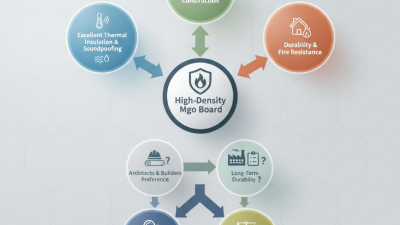
Mgo boards are revolutionizing modular home construction. Their unique properties make them an appealing choice for builders. These boards are lightweight yet incredibly strong. They provide excellent insulation, which can lead to energy savings. Homeowners can enjoy lower utility bills thanks to this feature.
Mgo boards also resist moisture and mold. This means a healthier indoor environment. In areas prone to dampness, using Mgo boards can mitigate potential issues. Additionally, they are fire-resistant, enhancing safety for residents. However, some builders may find the installation process challenging without proper training.
Sustainability is another key benefit. Mgo boards are made from eco-friendly materials. This appeals to environmentally conscious buyers. On the flip side, the initial cost can be higher than traditional materials. This may deter some, despite long-term savings. It's essential to weigh immediate expenses against future benefits carefully.
Cost Comparison: Mgo Boards vs. Traditional Materials
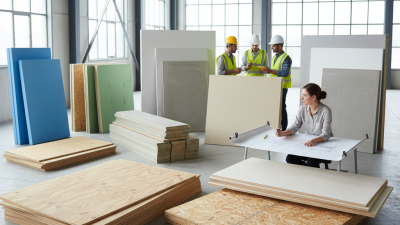
When comparing Mgo boards to traditional building materials, the cost aspect stands out. Mgo boards may present a higher upfront cost than plywood or OSB. However, their longevity is a key consideration. Mgo boards resist mold and moisture better than many conventional options. This resistance can lead to fewer repairs over time, ultimately saving money.
Installation costs may also differ significantly. While traditional materials can be easier to install for experienced builders, Mgo boards require specialized techniques. This may increase labor costs initially. Yet, their ease of maintenance in the long term can offset these initial expenses.
The choice between Mgo boards and traditional materials is not clear-cut. There's a trade-off between immediate costs and long-term savings. As with any building project, understanding these materials' unique benefits and drawbacks is crucial. Investing time in research can guide homeowners towards the best decision for their modular homes.
Mgo Board Benefits for Modular Homes: Cost Comparison
Performance Metrics: Durability and Fire Resistance of Mgo Boards
MgO boards, or magnesium oxide boards, are becoming popular in modular home construction. Their performance metrics reveal impressive durability and outstanding fire resistance. This makes them an appealing option for builders and homeowners alike.
Durability is a critical factor in any building material. MgO boards can resist moisture and resist warping over time. This is particularly important in areas prone to humidity. However, the installation process may require careful handling to prevent cracking. The boards are lightweight, yet they can support significant weight, allowing for flexible designs.
Fire resistance is another hallmark of MgO boards. They can endure high temperatures and slow the spread of flames. This feature provides an extra layer of safety to homes. It is essential to note that while they perform well, there is ongoing debate about their long-term behavior in extreme conditions. Homeowners should consider both benefits and limitations before making a decision.
Mgo Board Benefits for Modular Homes
| Performance Metric |
Mgo Boards |
Traditional Materials |
| Durability |
Superior resistance to moisture and pests |
Prone to rotting and pest damage |
| Fire Resistance |
Non-combustible |
Combustible; requires additional treatments |
| Weight |
Lightweight |
Heavier materials |
| Installation Speed |
Quick and easy |
Requires more time and effort |
| Environmental Impact |
Made from eco-friendly materials |
May contain harmful substances |
Sustainability and Environmental Impact of Mgo Board Usage
Mgo board, a composite material made mainly of magnesium oxide, shows promise in modular home construction. Its usage presents significant sustainability advantages. The material is non-toxic and does not emit harmful VOCs. This leads to healthier indoor environments. Mgo board is also fire-resistant and moisture-resistant, enhancing safety and durability.
Using Mgo boards can greatly reduce waste. In modular construction, where precision is key, the use of such materials minimizes excess. However, the production of Mgo board itself raises questions. Are the manufacturing processes truly sustainable? Some argue that not all Mgo boards are made ethically. It's crucial to consider the source of the materials.
Additionally, while Mgo boards offer excellent insulation, their impact on energy consumption is still debated. Do they truly lower energy use in the long run? More research is needed. We must focus on transparency in the entire lifecycle of Mgo boards. Sustainability is not just about the product itself but also about how it’s made and used.



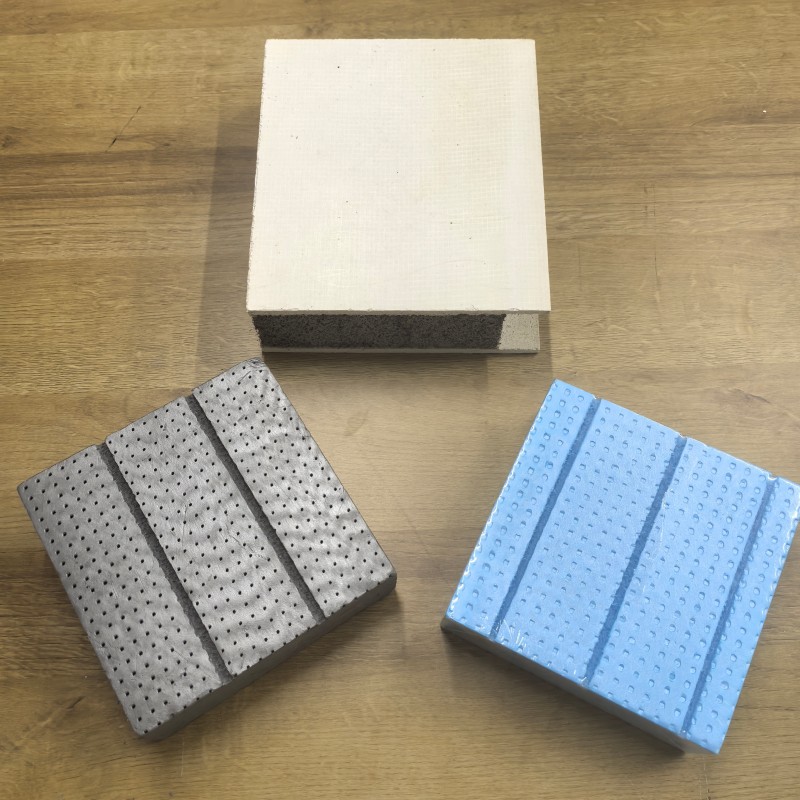 Environmental Building Board
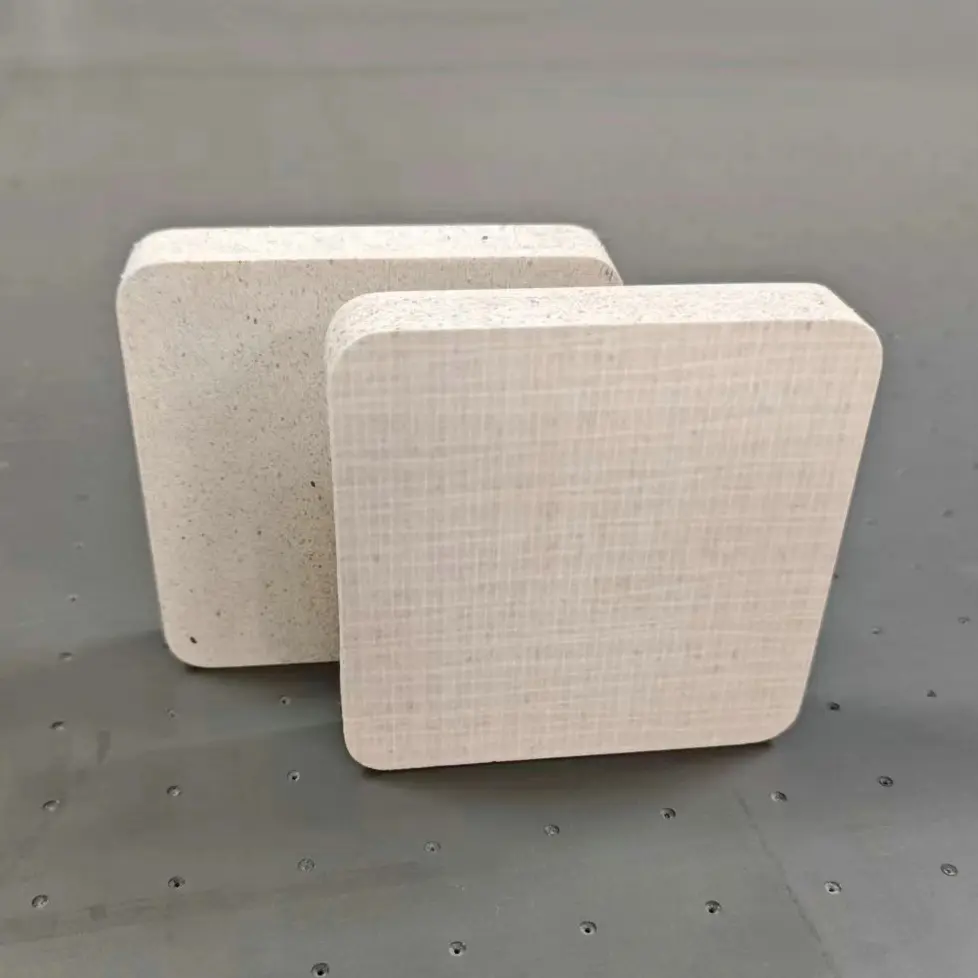 Fire-proof Board
 Sound Resistance
 Termite Resistance