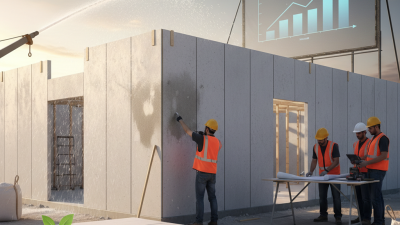
Why Choose Moisture-Resistant Panels For Bathrooms Over Traditional Options?
Choosing the right materials for bathrooms is crucial. Moisture-resistant panels for bathrooms are an excellent choice. They offer better durability and longevity compared to traditional options. John Smith, a leading expert in bathroom design, states, "Moisture-resistant panels change the game for wet spaces." This highlights their significance in preventing water damage.
Bathrooms are often prone to humidity and moisture buildup. Traditional materials can deteriorate over time. Moisture-resistant panels, however, combat mold and mildew effectively. They provide an aesthetic appeal while ensuring safety. The right choice can save homeowners time and money in the long run.
Many people overlook the importance of quality materials. Some might still rely on outdated methods. This leads to frequent repairs and remodels. Embracing moisture-resistant panels is a step toward a more sustainable and efficient bathroom. Investing in modern solutions reflects a commitment to quality living.
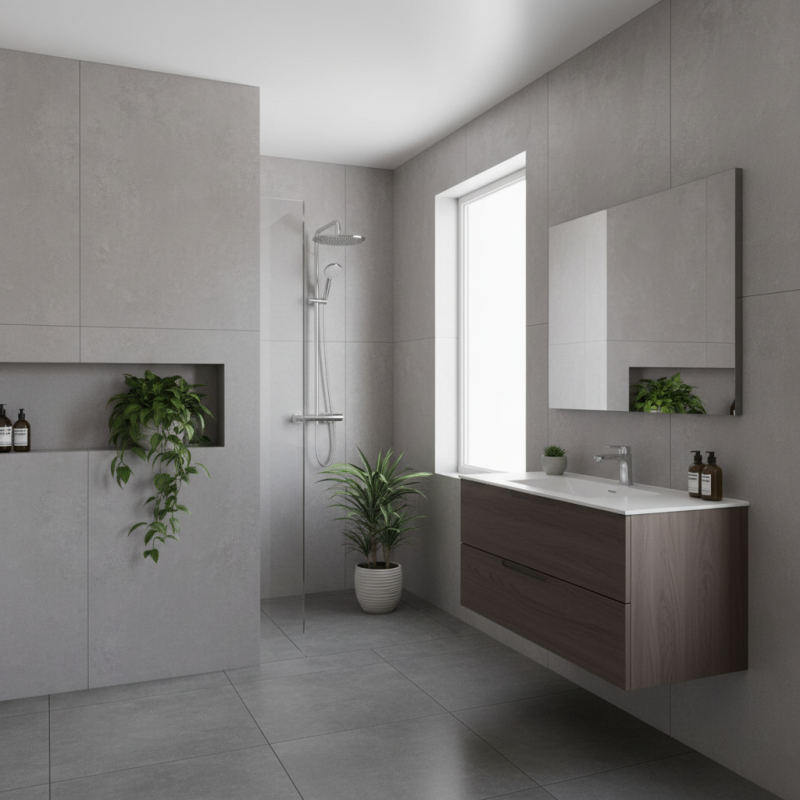
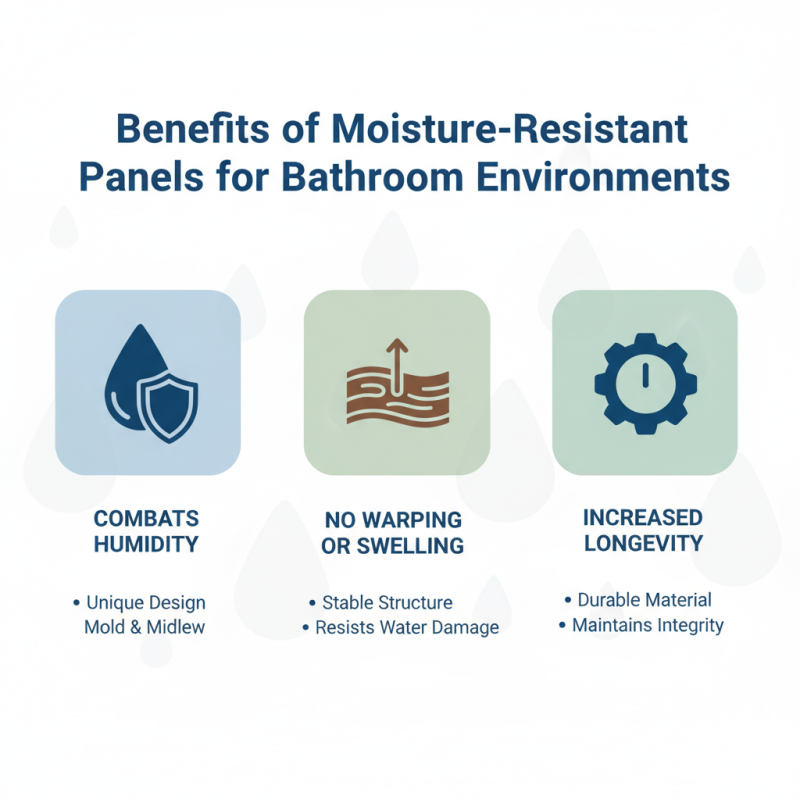
Benefits of Moisture-Resistant Panels for Bathroom Environments
Moisture-resistant panels are becoming the go-to choice for bathrooms. Their unique design helps combat the high humidity common in these spaces. Unlike traditional materials, these panels do not warp or swell when exposed to water. This feature is crucial in maintaining the integrity of bathroom structures over time.
These panels are also easier to clean and maintain. Their surfaces resist mold and mildew, two common issues in moist environments. Regular cleaning takes less effort, which is a plus for busy homeowners. Additionally, moisture-resistant materials can offer various styles and finishes. This allows for a seamless blend with any design aesthetic.
Of course, not all options on the market are equal. Some panels may have hidden drawbacks or require specific installation techniques. It’s vital to do thorough research before making a decision. Understanding the longevity and performance of different products can prevent costly mistakes later.
Comparison of Moisture-Resistant Panels and Traditional Materials
When choosing materials for bathrooms, moisture-resistant panels offer distinct advantages over traditional options. Research shows that water damage can lead to costly repairs, with an estimated 14,000 people experiencing a water damage emergency daily in the U.S. Traditional materials like drywall and wood are highly vulnerable to moisture and mold. They can warp, deteriorate, and compromise the integrity of your bathroom, resulting in health risks and expensive remediation efforts.
Moisture-resistant panels, on the other hand, are engineered to withstand humidity. According to industry studies, they can reduce the risk of mold growth by up to 70%. These panels are often made from fiberglass or cement board, both known for their durability and resilience. They provide an effective barrier against moisture intrusion. However, it's important to acknowledge that not all moisture-resistant panels are created equal. Some may still suffer from surface damage or delamination over time, so quality assessment is crucial.
While moisture-resistant panels cost more upfront, they can save on long-term maintenance. Investing in better materials often leads to fewer repairs. A report from the National Association of Home Builders highlights that about 30% of homeowners report issues with mold in their bathrooms. Choosing the right materials could significantly reduce this percentage. Making informed decisions ensures a healthier environment and adds to the longevity of bathroom spaces.
Durability and Longevity of Moisture-Resistant Bathroom Solutions
Moisture-resistant panels are transforming bathroom design, offering significant durability compared to traditional materials. Standard drywall typically absorbs moisture, leading to mold growth after prolonged exposure. A study by the National Association of Home Builders revealed that homes damaged by moisture can carry repair costs exceeding $80,000. In contrast, moisture-resistant panels can reduce maintenance needs significantly.
These panels consist of specialized composite materials that resist warping and cracking. According to the American Institute of Architects, using moisture-resistant options can extend the lifespan of bathroom structures by up to 40%. This longevity not only ensures a higher return on investment but also enhances the overall safety of the home. In high-humidity environments, such as bathrooms, the choice of materials can be crucial.
However, it is essential to reflect that not all moisture-resistant panels are the same. Some may have limitations regarding thermal expansion or adhesion, impacting their long-term performance. Evaluating product specifications can be challenging without expert guidance. Homeowners should consider both initial costs and potential longevity when making material choices for bathrooms. Investing in good quality options may require a higher upfront payment, yet it can avert frequent repairs and replacements down the line.
Aesthetic Options Available for Moisture-Resistant Panels
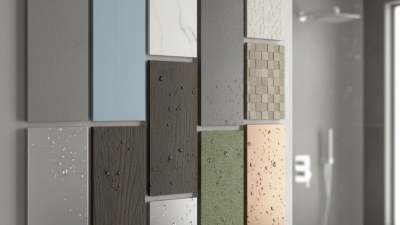
Moisture-resistant panels offer a variety of aesthetic options for modern bathrooms. Unlike traditional materials, these panels come in a range of colors, textures, and finishes. Homeowners can choose from sleek, contemporary designs to warm, rustic styles that enhance the bathroom's overall look. According to a recent industry report, nearly 70% of designers now favor moisture-resistant panels for their versatility and style.
These panels mimic the appearance of wood, stone, or ceramic, providing a luxurious feel without the drawbacks. For example, digital printing technology allows for intricate designs that maintain durability. Studies indicate that bathrooms using these panels experience a 35% reduction in moisture-related issues like mold. They not only improve aesthetics but also lower maintenance needs.
Some may argue that these panels lack the authenticity of traditional materials. While they may not appeal to everyone, the durability and ease of cleaning remain compelling factors. Many homeowners appreciate the blend of practicality and beauty. It's important to weigh personal taste against lasting value when choosing bathroom materials. Ultimately, moisture-resistant panels represent a significant advancement in bathroom design options.
Why Choose Moisture-Resistant Panels For Bathrooms Over Traditional Options?
| Feature |
Moisture-Resistant Panels |
Traditional Options |
| Resistance to Moisture |
High |
Low |
| Mold Resistance |
Excellent |
Limited |
| Durability |
Long-lasting |
Variable |
| Aesthetic Options |
Wide variety of designs and colors |
Limited selections |
| Installation Ease |
User-friendly |
Often complex |
| Cost Efficiency |
Higher initial cost, but lower maintenance |
Lower initial cost, but higher maintenance |
Installation Considerations for Moisture-Resistant Bathroom Panels
When considering moisture-resistant panels for bathrooms, it's essential to pay attention to the installation process. Proper installation can make a significant difference in performance. These panels often require specific adhesives and sealing techniques to ensure they hold up against high humidity. A simple error in alignment or adhesion can lead to moisture penetration and damage over time.
Another crucial aspect is the wall preparation before installation. The surface must be clean, dry, and free of any mold. A poorly prepped surface can undermine even the best moisture-resistant materials. It's surprising how many installations fail due to overlooked details like uneven surfaces or inadequate caulking.
Finally, consider the tools you’ll need. Special cutting tools may be required to avoid damage. Improper cutting can create gaps, allowing moisture to seep in. Taking time to ensure your tools are appropriate and in good condition can prevent future issues. Paying close attention to all these installation considerations will ultimately enhance the reliability of moisture-resistant panels in your bathroom.



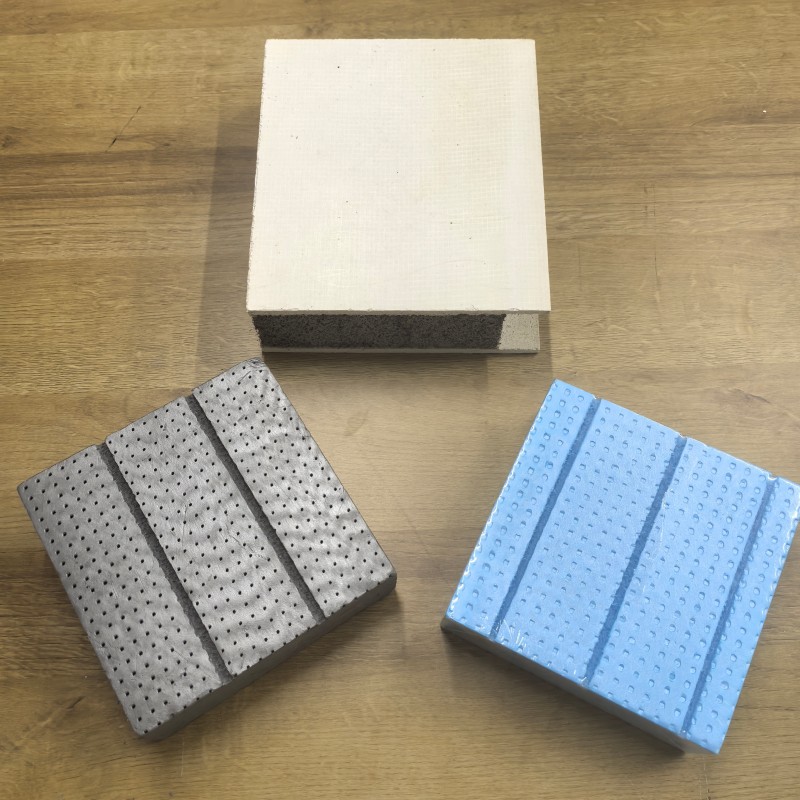 Environmental Building Board
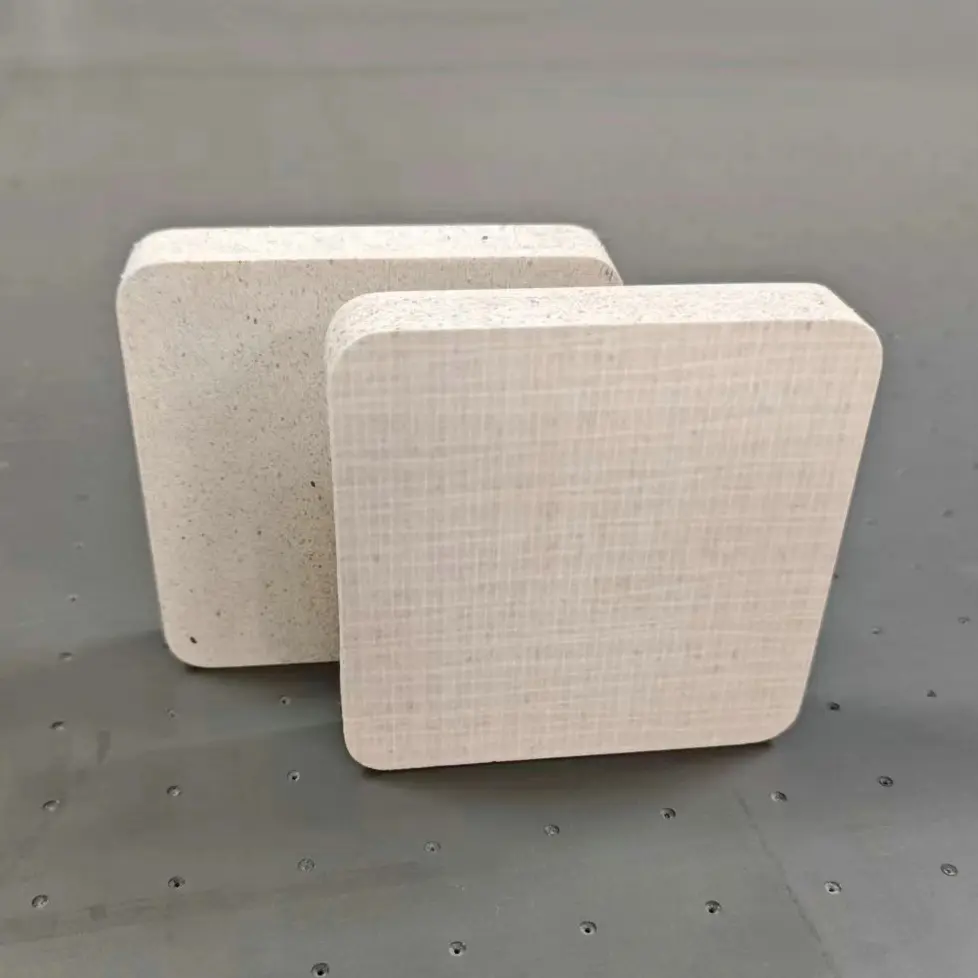 Fire-proof Board
 Sound Resistance
 Termite Resistance