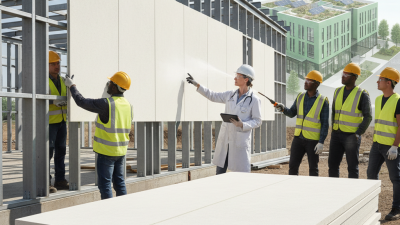
What is a Non-Toxic Board and Why is it Important for Your Home?
In today’s world, creating a healthy living space is crucial. The concept of a Non-Toxic Board has gained momentum in the building and design industries. Research indicates that conventional boards can emit harmful volatile organic compounds (VOCs). These substances can adversely affect indoor air quality. According to a report from the Environmental Protection Agency, indoor air can be significantly more polluted than outdoor air.
Dr. Emily Hart, a leading expert in sustainable building materials, stated, "Choosing a Non-Toxic Board is essential for both health and longevity in home design." This statement underscores the importance of selecting the right materials. Traditional building boards often contain synthetic resins and chemicals that pose health risks. With a Non-Toxic Board, homeowners can mitigate these dangers.
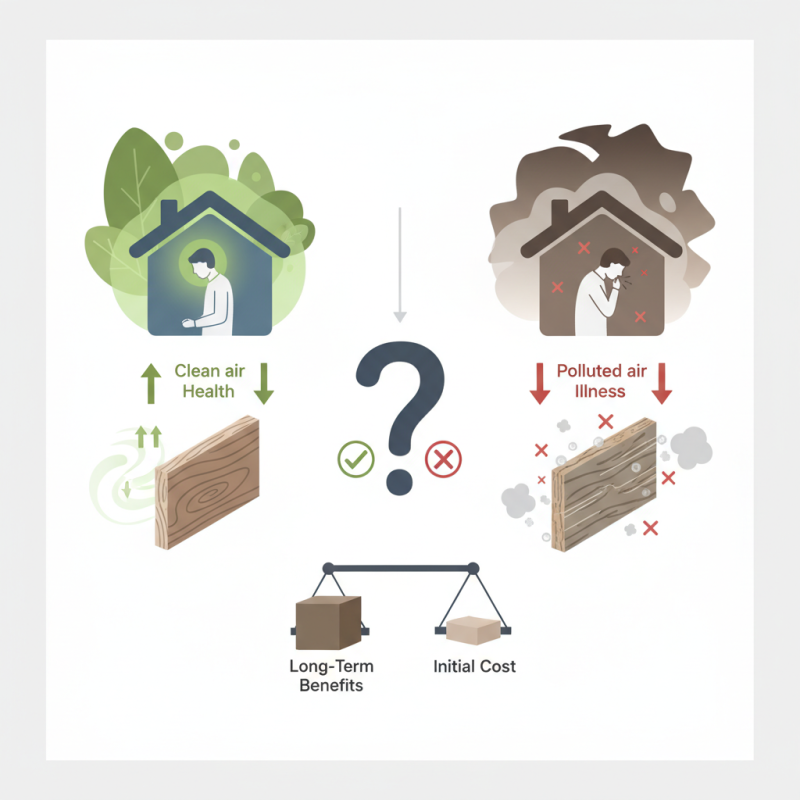
Investing in a Non-Toxic Board may seem expensive, yet the long-term benefits outweigh initial costs. Healthier living environments lead to better well-being. Over time, the choice of materials can affect everything from asthma to overall comfort. However, many consumers remain unaware of the options available. Even though awareness is rising, more efforts are needed to educate homeowners about Non-Toxic Board alternatives.
What is a Non-Toxic Board?
Non-toxic boards are materials designed for safe use in homes. They are made without harmful substances that can leach into the air or environment. Common materials include bamboo, cork, and reclaimed wood. These alternatives are safer for families, especially children and pets.
Choosing non-toxic boards means reducing exposure to volatile organic compounds (VOCs). VOCs can cause health issues over time. Many traditional boards contain these harmful chemicals. Inadequate ventilation can compound the problem, leading to poor indoor air quality. Simple choices can lead to better health outcomes.
While the idea of using non-toxic boards sounds ideal, not all products are equally safe. It's important to research and select panels that meet safety standards. This requires attention and sometimes uncomfortable questions about sourcing and manufacturing. This awareness can lead to better choices for home environments.
The Composition of Non-Toxic Boards and Materials Used
Non-toxic boards are essential for a safer home environment. They are made from natural materials. Common compositions include bamboo, recycled wood, and agricultural fibers. These resources do not release harmful chemicals. When compared to traditional boards, they significantly lower indoor air pollution.
The manufacturing process is also crucial. Non-toxic boards avoid adhesives and finishes that contain formaldehyde. Instead, they use natural binding agents like plant resins or water-based adhesives. This can make the boards less durable, which might not suit every need. However, the health benefits often outweigh potential downsides.
Choosing non-toxic materials can be a challenge. Sometimes, products labeled as "eco-friendly" still contain harmful components. Awareness is key. You must scrutinize product certifications and materials. Feeling overwhelmed is normal, but improving indoor air quality is worth the effort.
Non-Toxic Boards Composition
Benefits of Using Non-Toxic Boards in Home Renovations
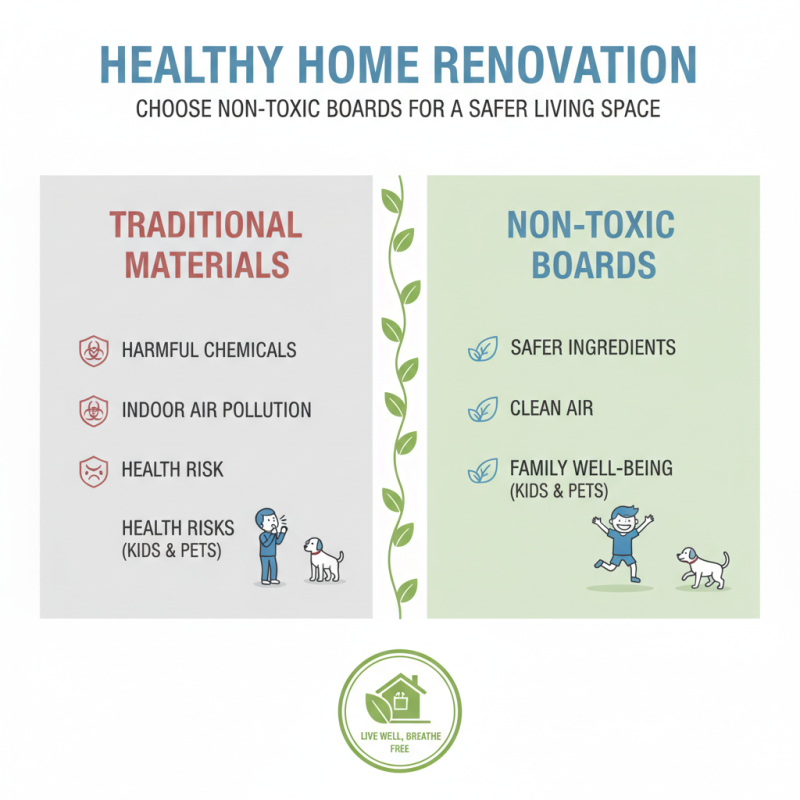
When renovating your home, choosing non-toxic boards can greatly enhance your living environment. Traditional building materials often contain harmful chemicals. These toxins can seep into the air, affecting your family's health. Non-toxic boards, on the other hand, are made from safer materials. They help reduce indoor air pollution. This is especially important for kids and pets.
Using non-toxic boards also has a positive impact on the environment. Many of these materials are sustainable. They can be recycled or sourced responsibly, which lowers your carbon footprint. Additionally, non-toxic options often come with better durability. They can withstand wear and tear, saving you money in the long run. Yes, they might come at a higher initial cost. But think of the overall benefits—fewer health issues, reduced maintenance, and a cleaner planet.
You might wonder if they perform as well as traditional boards. Some non-toxic options may not have the same durability or finish. It’s essential to do your research and select quality products. A little extra effort now can lead to a healthier home later. Consider this choice carefully as you plan your renovation. It's worth the thought and investment.
How Non-Toxic Boards Contribute to Indoor Air Quality
Non-toxic boards are vital for maintaining a healthy indoor environment. They are made without harmful chemicals. This means fewer toxins released into the air. When you use non-toxic materials in your home, the air quality improves significantly. Many traditional boards emit volatile organic compounds (VOCs), which can trigger allergies and other health issues.
Consider the materials you choose for your home. Plywood, MDF, and particle boards often contain formaldehyde and other toxic substances. These compounds can linger in the air long after installation. It’s essential to research the types of boards available. Choosing non-toxic options can create a safer, more breathable space for your family. Sometimes, it can feel overwhelming to pick the right products. Yet, even small changes can lead to a big difference in air quality.
Incorporating non-toxic boards might require a bit more effort. However, the benefits justify the choice. Your home can become a sanctuary free from harmful pollutants. Think about the long-term health impacts on your loved ones. A healthy environment fosters well-being, creativity, and relaxation. The choice is not always easy, but it is worth it.
What is a Non-Toxic Board and Why is it Important for Your Home? - How Non-Toxic Boards Contribute to Indoor Air Quality
| Dimension |
Non-Toxic Board Type |
Benefits |
Indoor Air Quality Contribution |
| Material |
Bamboo Plywood |
Sustainable, Durable |
Reduces formaldehyde emissions |
| Application |
Cork Board |
Natural Insulator, Sound Absorption |
Improves humidity control |
| Finish |
Low-VOC Laminate |
Environmentally Friendly |
Minimizes toxic fumes |
| Durability |
Recycled Wood Composite |
Recyclable, Cost-Effective |
Reduces waste and toxins |
| Sustainability |
Eco-Friendly MDF |
Low Impact Manufacturing |
Promotes better air quality |
Choosing the Right Non-Toxic Board for Your Home Projects
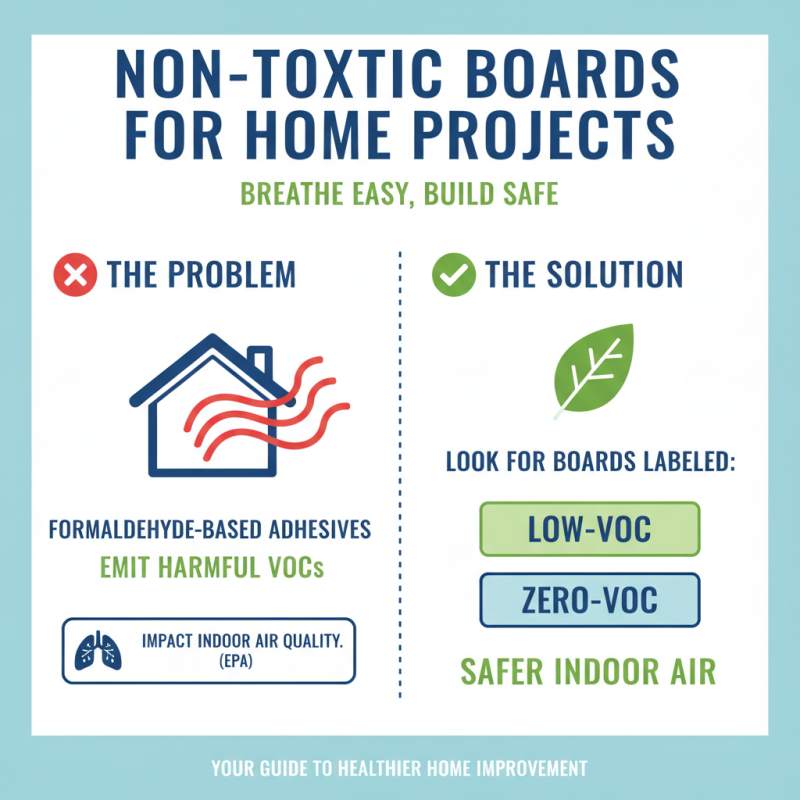
When selecting a non-toxic board for home projects, it's vital to understand your options. Many boards use formaldehyde-based adhesives. These can emit harmful VOCs. According to the EPA, indoor air quality can be significantly impacted by such emissions. Look for boards labeled as “low-VOC” or “zero-VOC.” This ensures safer indoor air.
Consider the material composition as well. Plywood, particleboard, and MDF often contain harmful substances. Alternatives like bamboo or reclaimed wood might be better choices. They often have a lower environmental impact. Interestingly, a study from the Green Building Council shows that non-toxic materials can reduce sickness rates in homes by up to 30%. Demand is rising for sustainable options, leading to more choices in the market.
It's also essential to think about long-term effects. Non-toxic boards might be more expensive upfront. However, they could save costs on health-related expenses down the line. Choosing the right materials reflects your values. It’s not just about aesthetics. Every choice shapes your home’s ecosystem. As we prioritize health, informed decisions become crucial.



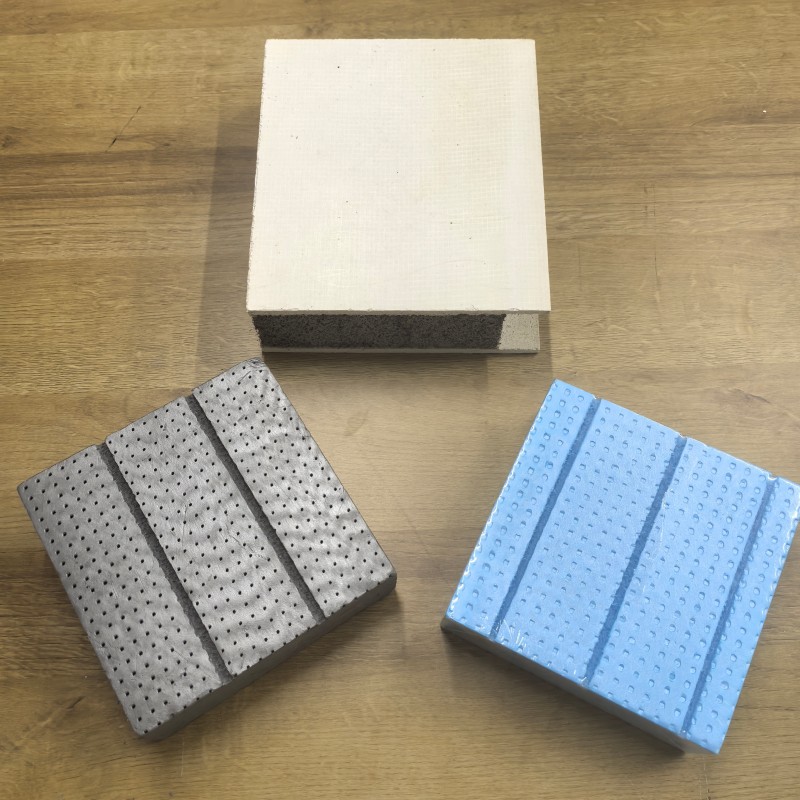 Environmental Building Board
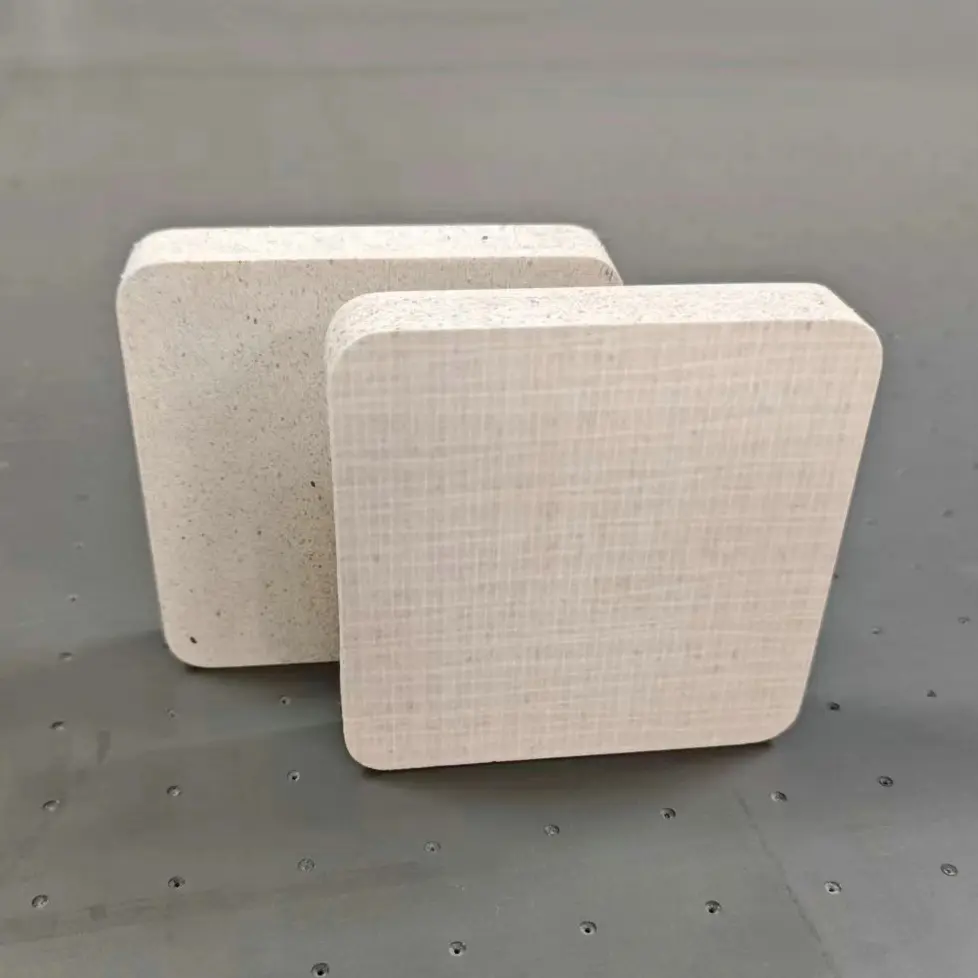 Fire-proof Board
 Sound Resistance
 Termite Resistance