What is a Roof Board and Its Importance in Construction?
In the world of construction, the significance of a roof board cannot be overstated. According to Dr. Emma Sullivan, a renowned expert in structural engineering, “The roof board acts as the backbone of a building’s roof system.” This statement encapsulates the vital role roof boards play in providing structural integrity and insulation.
Roof boards serve as the initial layer of protection against the elements. They support roofing materials while adding strength to the overall structure. Proper installation is crucial, yet many overlook its importance. A poorly installed roof board can lead to leaks and increased maintenance costs over time.
Additionally, roof boards enhance energy efficiency. They provide insulation that can save on heating and cooling expenses. However, the choice of material doesn’t always reflect building needs. Contractors sometimes prioritize cost over durability, which can compromise safety. A thorough understanding of roof board characteristics is essential for making informed decisions in construction.
Definition of Roof Board and Its Types
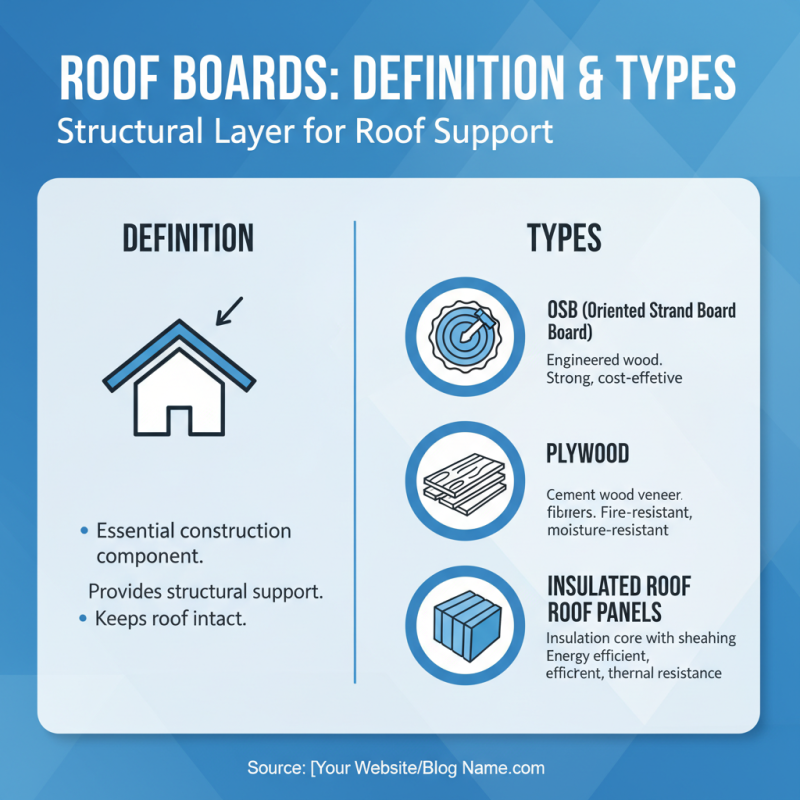
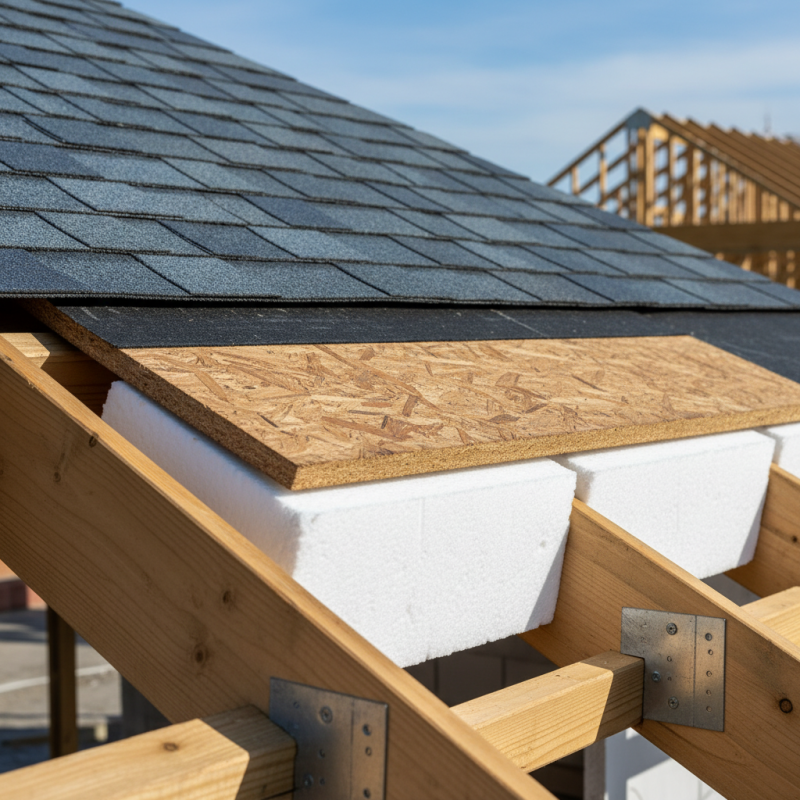
Roof boards are essential components in construction. They serve as a structural layer for roofs, providing support to keep the roof intact. There are various types of roof boards, each with its unique benefits.
Plywood is one common type. It is made from several thin layers of wood glued together. This makes it strong and flexible. Another option is oriented strand board (OSB). OSB is composed of wood strands pressed and bonded together. It offers excellent strength and is often more affordable than plywood.
For flat roofs, polyisocyanurate foam boards are popular. These provide insulation and a lightweight structure. Each type has different characteristics and applications. Choosing the right roof board involves considering factors like climate and building design. Small mistakes in selection can lead to bigger issues later. Always consult with a professional to ensure compatibility and durability.
Role of Roof Boards in Structural Integrity
Roof boards play a crucial role in construction, contributing to a building's structural integrity. They serve as a foundation for roofing materials. Properly installed roof boards enhance the stability of the entire structure. When roof boards are neglected, issues like sagging and leaks can arise. These problems can compromise both safety and comfort.
A significant aspect of roof boards is their load-bearing capacity. They distribute weight evenly across the rafters. When the load is uneven, it can lead to structural failures. For instance, winter snow can cause excessive stress on weak spots. Choosing the right materials is essential. Unfortunately, not all builders prioritize quality. Without attention to detail, the integrity of the roof may suffer.
Additionally, roof boards provide a barrier against environmental elements. They help protect against moisture, pests, and temperature fluctuations. However, if gaps exist between boards, vulnerabilities emerge. It is vital to ensure a snug fit during installation. Oversights in this phase can lead to long-term damage. Monitoring and maintaining roof boards is essential for longevity.
Materials Used in Roof Board Construction
Roof boards play a critical role in construction, especially in roofing systems. They create a solid foundation for insulation and waterproofing. Selecting the right materials for roof boards is essential for long-term durability and performance. Typically, wood, plywood, OSB (oriented strand board), and concrete board are the most common choices in roof board construction. Each material has its unique properties affecting strength, weight, and resistance to moisture.
Wood and plywood remain popular due to their availability and ease of installation. Reports indicate that wood-based roof boards rank high for their thermal performance. However, they can be susceptible to rot and pests if not treated correctly. In contrast, OSB is known for its cost-effectiveness and structural integrity. AP reports suggest that OSB can withstand high winds better than plywood in certain conditions. Concrete boards, while heavier and more expensive, provide superior fire resistance and are ideal for climates prone to extreme weather.
Yet, not all materials are perfect. For instance, the environmental impact of sourcing wood can be considerable. Sustainability is a growing concern in the industry. As you consider choices, reflect on the lifecycle of materials and their long-term viability. Making informed decisions involves weighing both performance attributes and environmental factors.
Materials Used in Roof Board Construction
Benefits of Installing Roof Boards
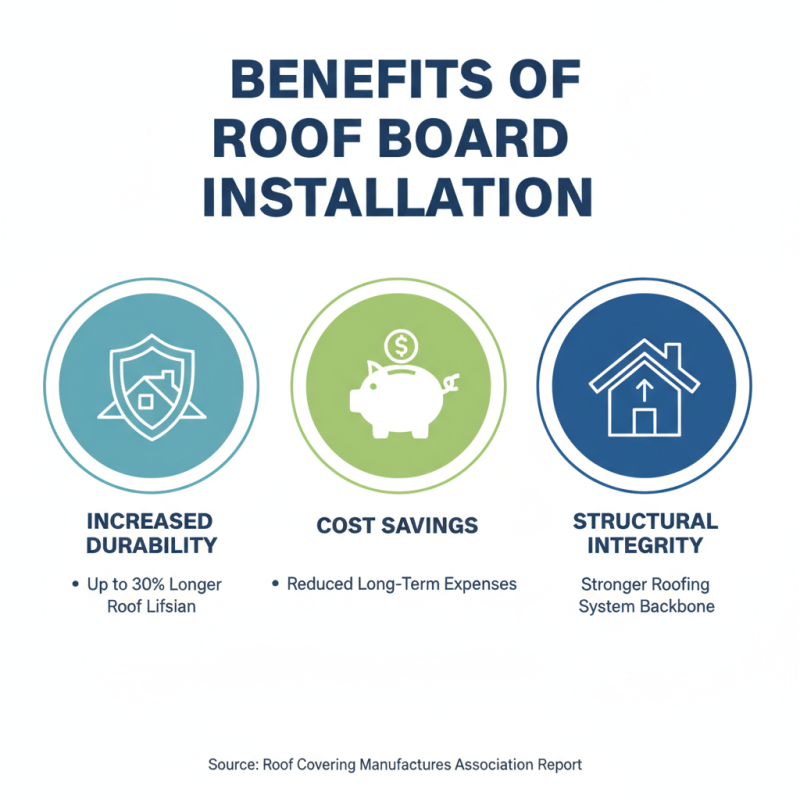
Roof boards play a vital role in construction, acting as the backbone of a building’s roofing system. Their installation offers several key benefits. According to a report by the Roof Covering Manufacturers Association, a properly installed roof board can increase the lifespan of a roof by up to 30%. This longevity translates into significant cost savings over time.
Insulation is another crucial benefit. Roof boards improve thermal performance, reducing energy costs. The U.S. Department of Energy notes that energy-efficient roofs can cut heating and cooling costs by 10% to 30%. When these boards are combined with appropriate insulation materials, the efficiency gains can be even higher.
However, not all roof boards are created equal. Some materials may not perform well in extreme weather conditions. A 2020 study revealed that up to 25% of buildings experience roof failures due to poor product choices. Therefore, it’s essential to assess the specific requirements of a building and the local climate when selecting roof boards. This careful consideration can prevent costly repairs and enhance overall durability.
Common Applications and Building Practices for Roof Boards
Roof boards play a crucial role in construction. They support roofing materials and provide a stable surface. Commonly used materials include wood, plywood, and oriented strand board (OSB). These materials vary in strength and cost. The choice depends on the building design and purpose.
In residential construction, roof boards are essential for stability. They help to distribute weight evenly, ensuring that the structure remains sound over time. In commercial buildings, roof boards often support a variety of systems, including HVAC equipment. They provide a flat surface for installation, which can be vital for long-term efficiency.
However, using the wrong type of roof board can lead to issues. Inadequate support may cause sagging or leaks. It's important to evaluate local climate and building codes. Sometimes, contractors rush this decision, leading to costly repairs later. Understanding the best practices for roof board installation is essential for avoiding future problems.
What is a Roof Board and Its Importance in Construction? - Common Applications and Building Practices for Roof Boards
| Dimension |
Material |
Common Applications |
Importance |
| 4' x 8' |
Plywood |
Residential Roofs |
Structural support |
| 4' x 8' |
OSB (Oriented Strand Board) |
Commercial Roofs |
Moisture resistance |
| 2' x 4' |
Fiberglass-reinforced |
Low-slope Roofs |
Durability |
| 4' x 10' |
Steel |
Commercial Storage |
Fire resistance |
| 3' x 6' |
Concrete |
Green Roof Systems |
Weight support |



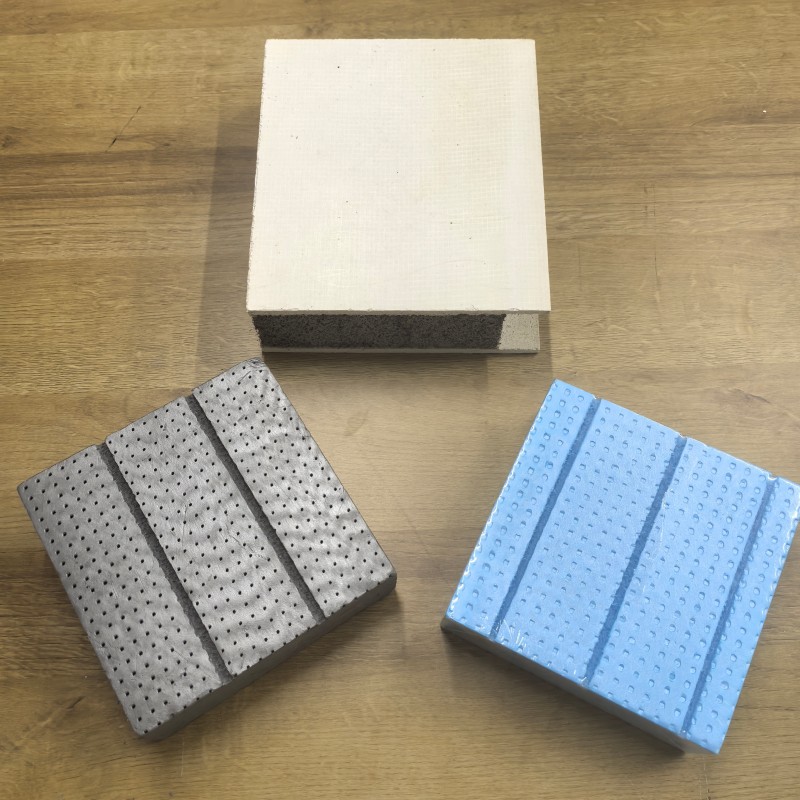 Environmental Building Board
 Fire-proof Board
 Sound Resistance
 Termite Resistance