What is a Soundproof Board and How Does It Work?
In today's noisy world, the demand for effective soundproofing has surged. A Soundproof Board is a key solution. Experts in the field emphasize its importance. Dr. Emily Carter, an acoustic engineer, states, "Soundproof Boards transform spaces into peaceful retreats." These boards can minimize unwanted noise, making them ideal for homes and studios.
Soundproof Boards work by absorbing sound waves and preventing them from traveling. The materials used often include dense fibers and foam. They are engineered to disrupt sound frequencies, creating quieter environments. However, not every board delivers the same level of performance. It is crucial to choose the right type for specific needs.
While Soundproof Boards offer many benefits, they are not infallible. Some users may find installation challenging. Others may not see immediate results. Reflecting on these factors can improve decision-making. Acoustic solutions often require time and adjustments. Recognizing these challenges can lead to more effective soundproofing strategies.

What is a Soundproof Board?
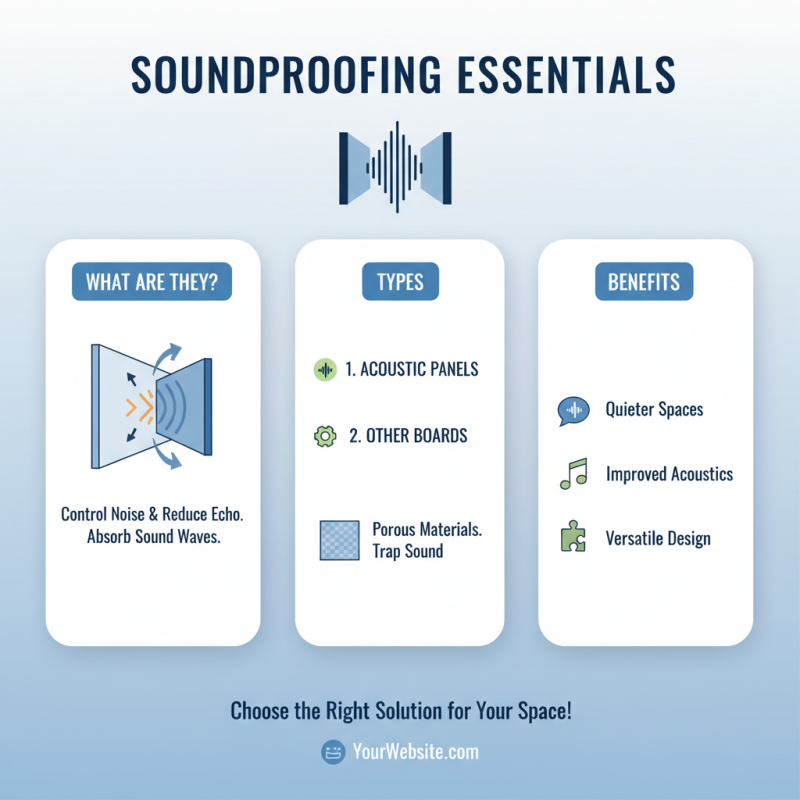
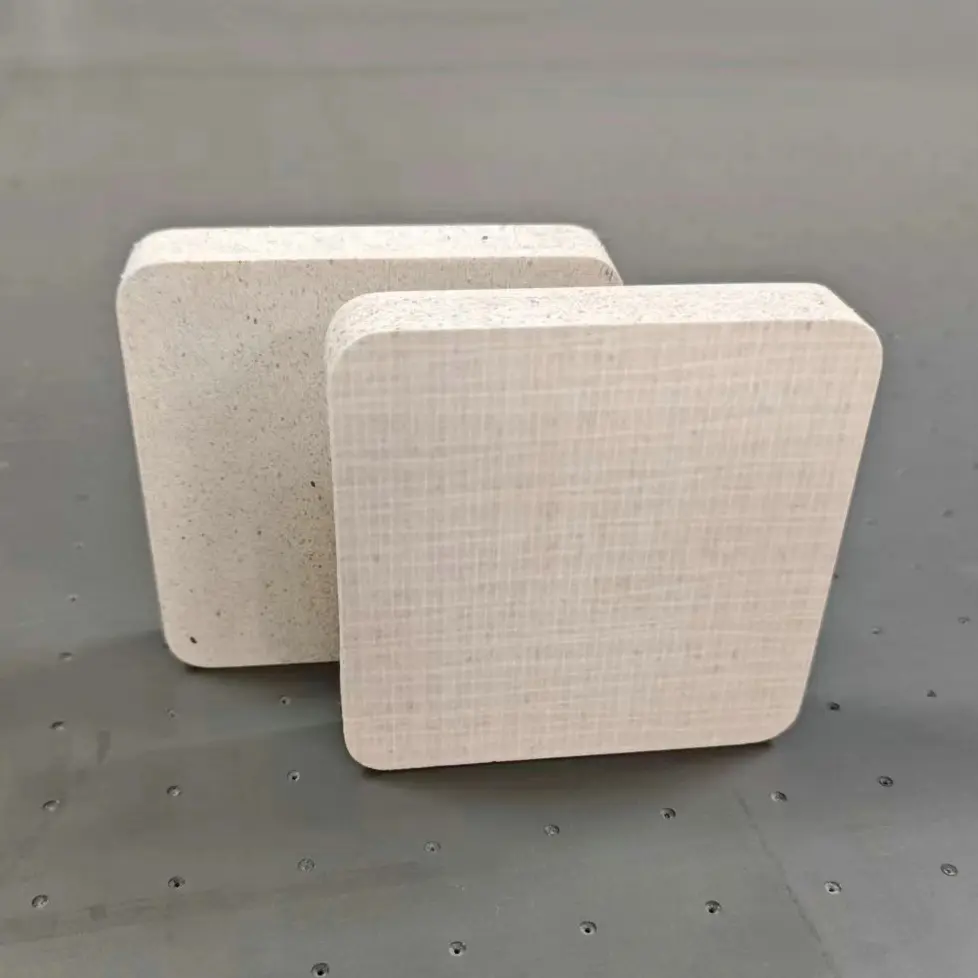
A soundproof board is a material designed to block or absorb sound. It plays a crucial role in creating quieter environments. These boards are often made from dense materials like foam, gypsum, or fiberglass. Their effectiveness can vary based on thickness and density. They help reduce noise from external sources or prevent sound from escaping a room.
When you place a soundproof board on walls, ceilings, or floors, it traps sound waves. This minimizes echoes and reverberations. However, soundproofing isn’t a one-size-fits-all solution. Locations and types of sound generated can affect performance. If you live in a noisy area, just one board may not be enough. You might need several boards or additional materials.
In some cases, even the best soundproof boards won't achieve complete silence. This limitation can lead to frustration. Some users may expect zero noise after installation. Realistically, achieving a soundproof space often requires a combination of strategies. It’s essential to assess your specific needs and environment. Soundproofing is a layered process, needing trial and error. Finding the right balance can be challenging, but it’s worth exploring.
Types of Soundproof Boards Available in the Market
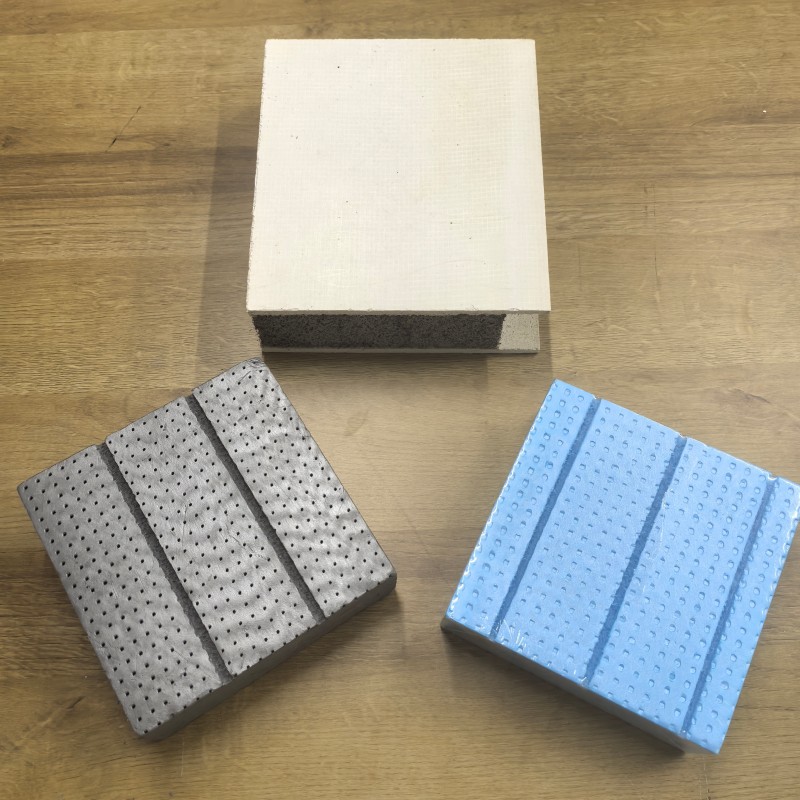
Soundproof boards are essential for controlling noise in various environments. Different types are available in the market, each serving specific needs. Acoustic panels are popular options. They absorb sound waves and reduce echo in rooms. These panels usually contain porous materials that trap sound, making spaces quieter. They come in various colors and designs, allowing for creative installations.
Mass-loaded vinyl is another type of soundproof board. This material is heavy and dense, effectively blocking sound transmission. It's often used in walls and floors for enhanced sound isolation. Installing it requires careful handling; improper placement can result in gaps that allow noise to seep through.
Foam soundproof boards are also widely used. They are lightweight and easy to install. However, their effectiveness can vary depending on the thickness and density. Thinner foam may not block low-frequency noises well, which can lead to frustration. Users often find themselves reassessing the materials they choose as they realize the importance of matching them to their specific acoustical needs.
How Soundproof Boards Work: The Science Behind Noise Reduction
Soundproof boards are designed to reduce noise by absorbing sound waves. They are made from various materials that have specific acoustic properties. These boards can be installed on walls, ceilings, or floors to create quieter spaces. The thickness and density of the material play a crucial role in how effectively they block noise.
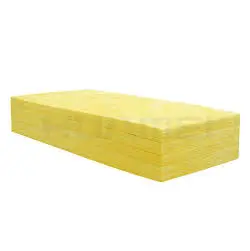
When sound waves encounter a soundproof board, some energy is absorbed, while some are reflected. The goal is to minimize sound transmission to adjacent spaces. Mass-loaded vinyl, foam, and fiberglass are popular choices in construction.
Oddly enough, not all boards work equally in every environment. Factors like room size, existing sound levels, and frequency of the noise must be considered.
As sound frequencies vary, achieving complete silence is challenging. Certain boards perform well against high frequencies but falter with low ones. The overall effectiveness often requires additional materials or techniques, such as sealing gaps around the boards.
Noise reduction can sometimes feel like a puzzle, and the right combination is key. It’s an ongoing process to find the best solution for each unique setting.
Applications of Soundproof Boards in Various Settings
Soundproof boards play a vital role in various environments. They are commonly used in offices, studios, and even homes. In noisy urban settings, soundproofing can significantly improve comfort. According to a report by the Acoustical Society of America, noise pollution can impact productivity and well-being. Reducing noise levels often leads to better focus and improved mental health.
In commercial spaces, soundproof boards are essential for meeting rooms and open offices. A study from the International Journal of Environmental Research and Public Health shows that excessive noise can decrease work performance by up to 30%. Installing soundproof boards creates a quieter environment for collaboration, encouraging creativity. However, some users overlook the importance of strategic placement. Not all boards provide the same effectiveness based on location.
Residential settings also benefit from soundproof boards. Home theaters, music rooms, and nurseries are common applications. Statistics from the World Health Organization highlight how noise can disrupt sleep patterns. Misplaced or inadequate soundproofing may lead to lingering disturbances. Proper assessments are needed to achieve optimal results, which is often a neglected aspect of soundproofing projects.
Applications of Soundproof Boards in Various Settings
Benefits and Limitations of Using Soundproof Boards
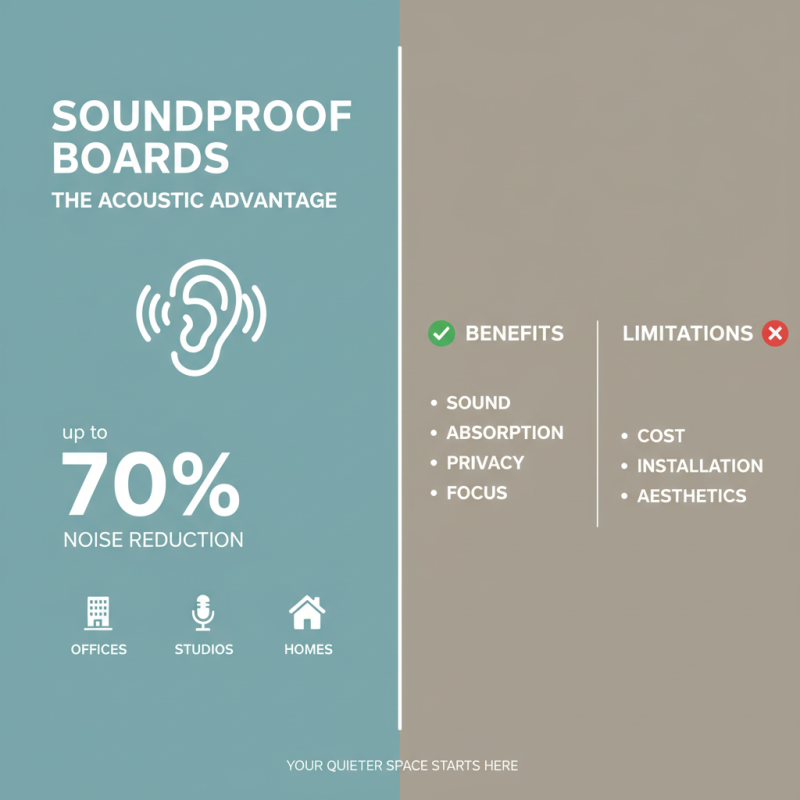
Soundproof boards are gaining popularity in various settings, yet they come with benefits and limitations. They effectively absorb sound across different frequencies. Reports indicate that soundproof boards can reduce noise levels by up to 70%. This makes them ideal for offices, recording studios, and residential areas where peace is essential.
Despite their advantages, soundproof boards have drawbacks. They may not block all noise, especially low-frequency sounds like bass. Installation can be complicated, often requiring professional help. Furthermore, the materials used in these boards might not fit every aesthetic. Some homeowners feel they disrupt the visual appeal of their spaces. Potential buyers should consider the balance between effectiveness and appearance before investing.
Cost is also a factor. High-quality soundproof materials can be expensive. The upfront investment might not seem justifiable to some. In residential applications, DIY solutions can provide temporary relief but often lack longevity. Therefore, evaluating the long-term benefits versus immediate needs is crucial. Ultimately, while soundproof boards provide significant advantages, they are not a one-size-fits-all solution.



 Environmental Building Board
 Fire-proof Board
 Sound Resistance
 Termite Resistance