Top 10 Types of Construction Boards for Your Building Projects?
In the world of construction, choosing the right materials is crucial. One expert, Dr. Emily Roberts, a leading figure in construction technology, states, "The choice of construction boards can make or break a project." Various types of construction boards serve distinct purposes. Understanding these differences can lead to better project outcomes.
From the sturdy plywood to the versatile OSB, construction boards come in many forms. Each type offers unique benefits and drawbacks. Inadequate knowledge about these boards can lead to costly mistakes. For instance, using the wrong type of board might compromise structural integrity.
Construction projects require careful planning and thoughtfulness in material selection. Not all construction boards are suitable for every task. It’s essential to assess each project's specific needs. This understanding can foster better decisions and improve overall efficiency. The world of construction boards is vast, but navigating it thoughtfully can enhance any building project.
Types of Construction Boards: An Overview
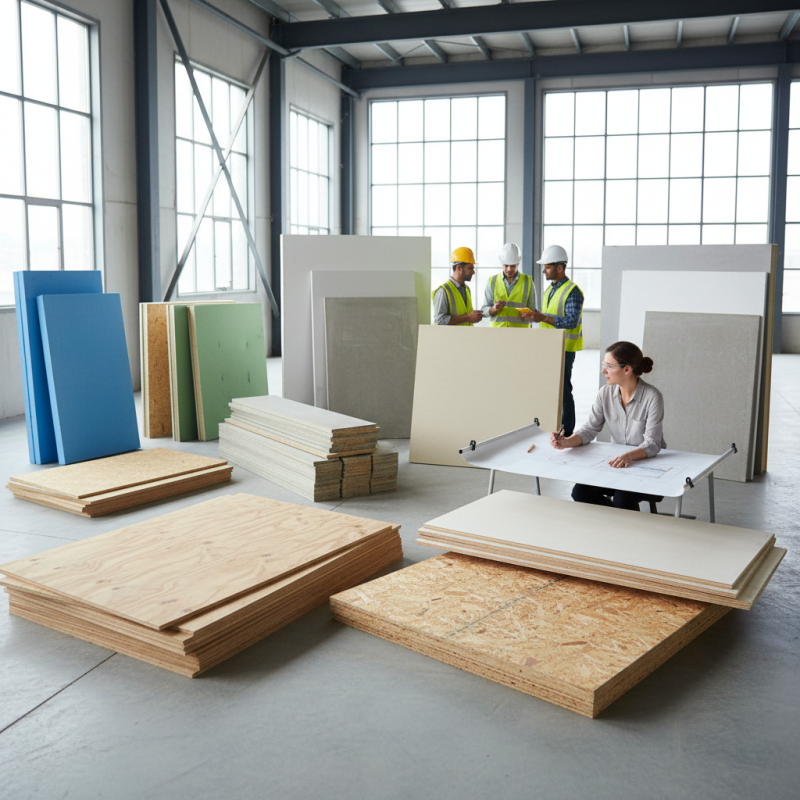
Construction boards play a crucial role in building projects. They come in various types, each with unique properties. Understanding these boards is essential for selecting the right one for specific needs.
Plywood is a common choice. It offers strength and versatility. Many builders prefer it for structural applications. MDF, or medium-density fiberboard, is smooth and easy to work with. It’s often used for cabinetry and furniture. However, it can swell if exposed to moisture.
OSB, or oriented strand board, is another option. It’s made from wood strands and has good insulation properties. While lighter, it may not be as strong as plywood. Other types include chipboard and cement board, each serving specialized functions.
Choosing the wrong board can lead to significant issues later. It's vital to evaluate the environment where the board will be used. Consider durability, exposure to moisture, and weight before making a decision.
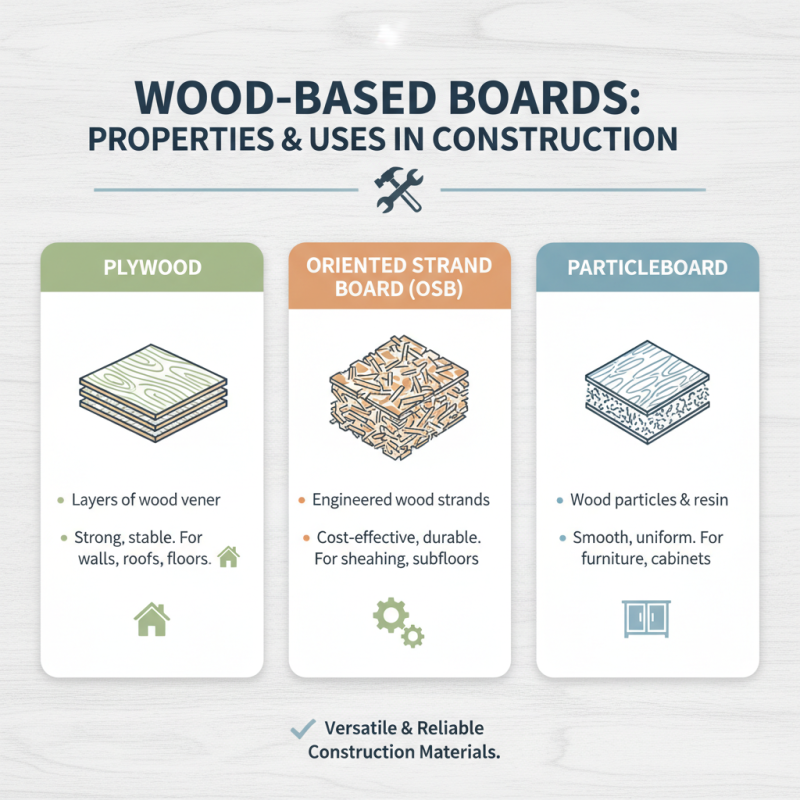
Wood-Based Boards: Properties and Uses in Construction
Wood-based boards are essential in construction. They offer versatility and reliability. Common types include plywood, oriented strand board (OSB), and particleboard. Each has unique properties that cater to different needs.
Plywood is strong and stable. It’s made from thin layers of wood glued together. This structure enhances its durability. OSB, on the other hand, is made from wood strands bonded with adhesives. It's a cost-effective choice, especially for sheathing and flooring. Particleboard, while less robust, is smooth and easy to work with. It's often used for furniture and cabinetry.
Choosing the right board can be tricky. Many overlook the importance of moisture resistance. This can lead to warping and mold growth. While plywood holds up better in damp conditions, OSB can deteriorate if not properly treated. It’s vital to consider the environment and intended use. Understanding these properties can make a significant difference in project outcomes.
Cement Boards: Durability and Applications
Cement boards are often chosen for their durability in construction. They are water-resistant and can handle moisture well. This makes them ideal for areas like bathrooms and kitchens. Unlike traditional gypsum boards, cement boards don’t mold easily. They provide a solid base for tiles and other finishes.
One downside is their weight. Cement boards are heavier than other types. This can make installation more challenging. It’s crucial to plan the transport and handling carefully. Proper tools are needed to cut them, as they can be tough on blades. Improper cuts can lead to jagged edges, which affect the final look.
Cement boards also have a diverse range of applications. They are used in flooring, siding, and as a backer for various surfaces. They can withstand fire better than many alternatives. Nevertheless, using them in non-traditional settings requires careful thought. Always consider compatibility with other materials being used. This ensures a cohesive and lasting finish.
Top 10 Types of Construction Boards for Your Building Projects
| Type of Board |
Material |
Durability |
Applications |
Fire Resistance |
| Cement Board |
Cement, Fibers |
High |
Interior and Exterior Walls, Wet Areas |
Yes |
| Plywood |
Wood Veneers |
Moderate |
Flooring, Walls, Roofs |
No |
| OSB (Oriented Strand Board) |
Wood Strands |
High |
Sheathing, Flooring |
No |
| Fiber Cement Board |
Cement, Sand, Cellulose |
Very High |
Siding, Soffits |
Yes |
| Gypsum Board |
Gypsum |
Moderate |
Interior Walls, Ceilings |
Yes |
| PVC Board |
Polyvinyl Chloride |
High |
Outdoors, Moist Areas |
No |
| Particle Board |
Wood Particles |
Low |
Furniture, Cabinets |
No |
| MDF (Medium Density Fiberboard) |
Wood Fibers |
Moderate |
Cabinets, Panels |
No |
| Wheat Board |
Agricultural Residues |
Moderate |
Shelving, Furniture |
No |
| Acoustic Panels |
Fibers, Fabrics |
High |
Soundproofing, Interiors |
No |
Gypsum Boards: Fire Resistance and Installation Techniques
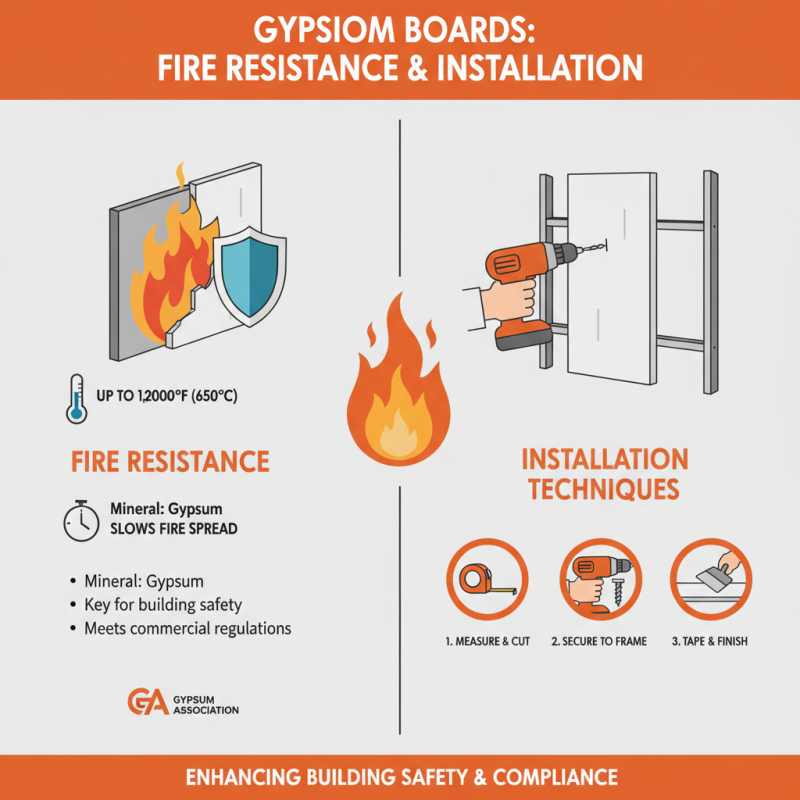
Gypsum boards are a popular choice in construction due to their fire-resistant properties. They are made primarily from gypsum, a naturally occurring mineral. According to the Gypsum Association, these boards can withstand temperatures up to 1,200°F, which helps slow down the spread of fire. This feature is essential for enhancing safety in buildings. In commercial spaces, where regulations require fire-rated assemblies, gypsum boards play a crucial role.
Installation techniques for gypsum boards can greatly affect their performance. Properly sealing joints and using the right fasteners is key to optimal results. Projects can be delayed by improper installation, leading to costly repairs. It’s noted that nearly 30% of drywall failures come from inadequate fastening or taping. Workers should be trained to follow guidelines carefully. Attention to detail can make a difference.
Another aspect of gypsum boards is their versatility. They can be used in various applications, from ceilings to walls. Some boards even offer moisture resistance, making them suitable for bathrooms. However, not all learners in the field consider these specifics. Many might overlook proper moisture management solutions. This can lead to mold growth, adversely affecting indoor air quality. Understanding these elements is vital for any successful construction project.
Fiber Cement Boards: Benefits and Environmental Impact
Fiber cement boards are gaining popularity in construction due to their durability and versatility. These boards are made from a blend of cement, sand, and cellulose fibers. They are resistant to moisture, fire, and pests, making them suitable for various building applications. The environmental impact of fiber cement boards is noteworthy as well. Being made from sustainable materials, they can contribute to eco-friendly building practices.
When using fiber cement boards, consider their weight. They can be heavier than traditional materials. This might require additional support during installation. Proper handling is essential to avoid damage. Always wear protective gear when cutting or working with these boards. Dust created can pose health risks.
Tip: Ensure your building design complies with local codes. This can save time and avoid expensive rework. Also, plan for proper drainage around your fiber cement installation. Managing moisture will prolong the life of your construction.
Fiber cement boards can be a bit tricky. Cutting them generates a lot of dust. Working outdoors or in well-ventilated areas is best. Some find their texture less than appealing. Choosing the right finish can help mitigate this issue. Experiment with different paint or coating options for a better look.
Top 10 Types of Construction Boards for Your Building Projects



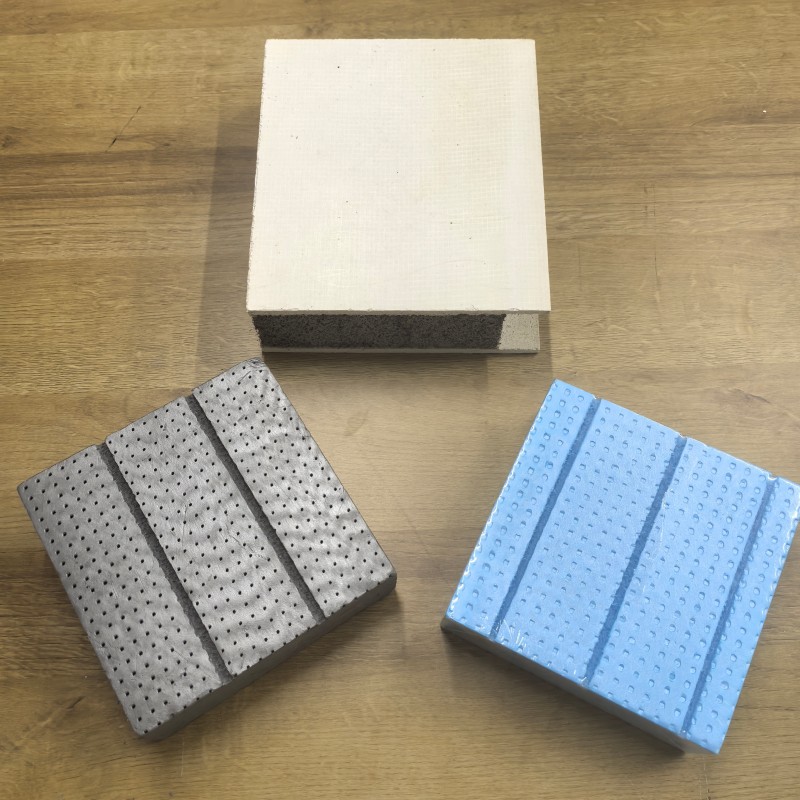 Environmental Building Board
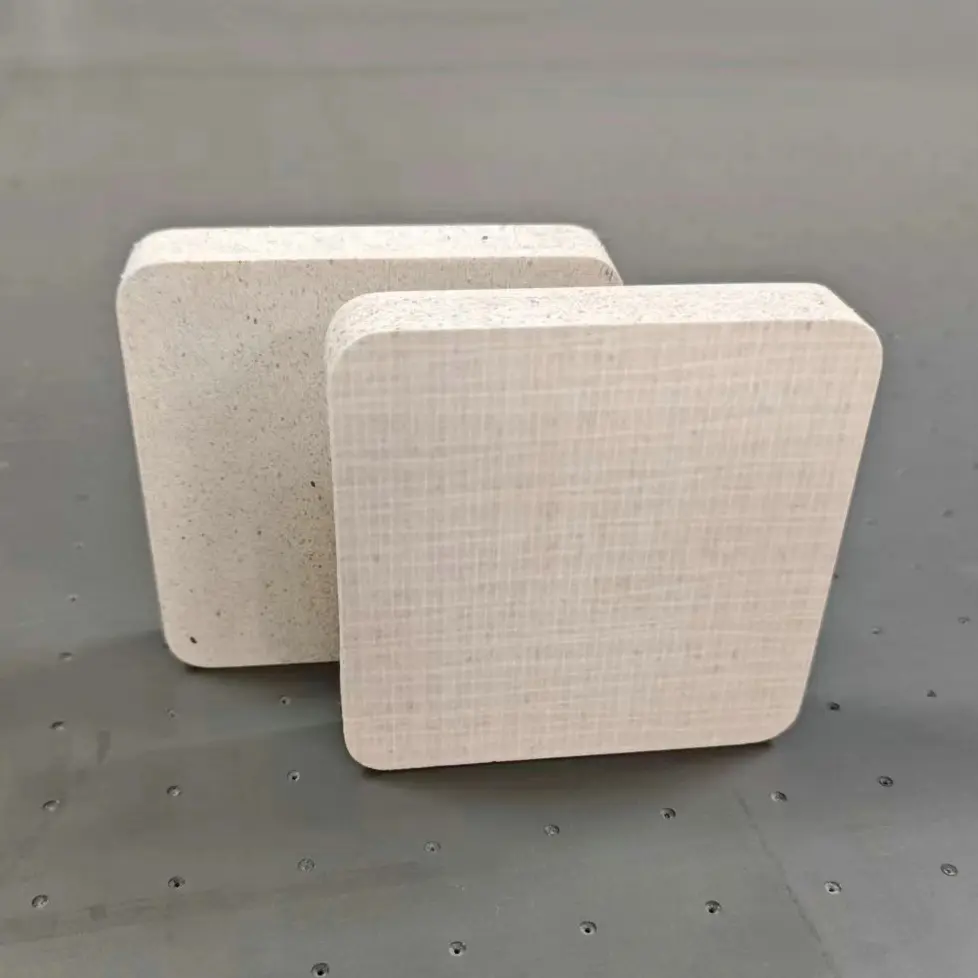 Fire-proof Board
 Sound Resistance
 Termite Resistance