Leave Your Message

What Are the Top Green Building Materials in China?

China’s construction market is enormous, making material choices unusually important.
Every concrete slab, steel beam, and insulation panel carries environmental consequences.
The United Nations Environment Programme’s 2023 Global Status Report for Buildings and Construction reported that buildings created 37% of global energy-related emissions in 2022.
It also identified construction materials as a major source of embodied carbon.
These figures make China’s material transition more than a design trend.

China’s Ministry of Housing and Urban-Rural Development reported that green buildings accounted for 91.2% of new urban buildings in 2022.
However, a green label does not automatically guarantee low lifecycle impact.
Operational energy, manufacturing emissions, durability, transport distance, and future recycling still matter.
A locally produced low-carbon concrete may outperform imported bamboo in some projects.
The answer depends on evidence.

This article examines leading Green Building Material options used or developed in China.
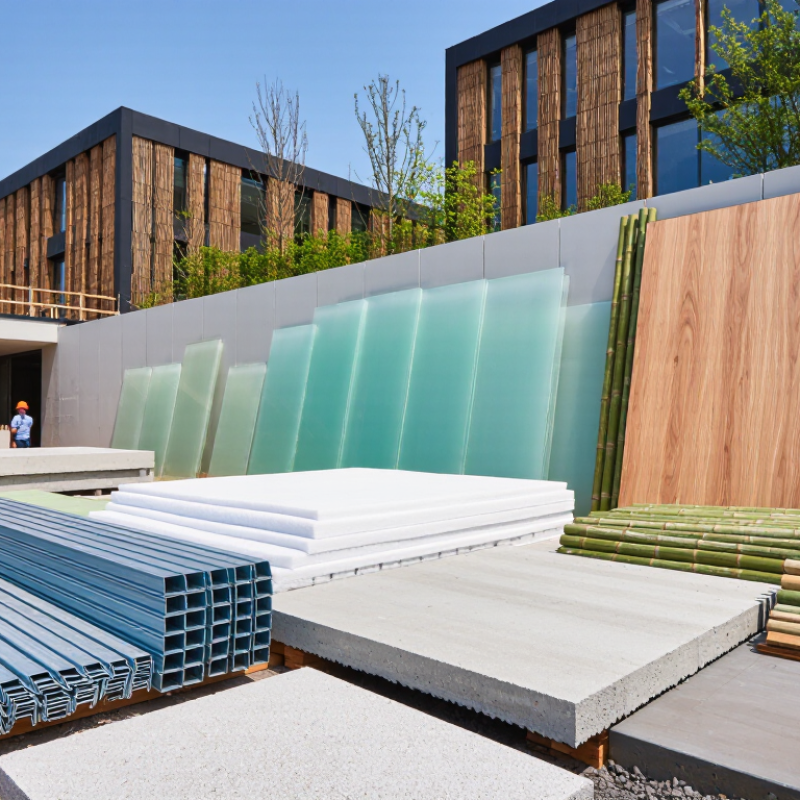
They include recycled steel, low-carbon cement, engineered timber, bamboo, recycled glass, and high-performance insulation.
Each material offers practical advantages.
Each also has limitations.
Architect Carl Elefante, former president of the American Institute of Architects, famously said, “The greenest building is the one that is already built.”
His statement encourages a wider view: reuse, repair, and long service life may outperform replacement.
The following discussion therefore compares materials through measurable criteria, including carbon intensity, resource efficiency, safety, certification, local availability, and maintenance performance.
Some conclusions remain imperfect.
China’s regional climates and supply chains vary greatly.
Reliable decisions require project-specific assessments, not attractive claims alone.
What Are the Top Green Building Materials in China?

Definition and Standards of Green Building Materials in China

What Are the Top Green Building Materials in China?

In China, green building materials are judged by performance, not appearance. Under GB/T 35608-2017, evaluation considers resource use, energy consumption, emissions, safety, durability, and recyclability. A material with recycled content is not automatically green. Its manufacturing process and service life also matter.

China’s GB/T 50378-2019 Green Building Evaluation Standard assesses buildings through one-, two-, and three-star ratings. It examines energy efficiency, water saving, indoor quality, and material selection. Common choices include recycled steel, low-carbon cement, fly-ash concrete, engineered timber, insulated glass, and high-performance insulation. These materials can reduce waste and operational energy. However, results depend on design, climate, installation, and maintenance.

The International Energy Agency reports that buildings consume about 30% of global final energy. UNEP’s 2023 Global Status Report also identifies buildings and construction as responsible for roughly 37% of global energy-related emissions. China therefore needs measurable material data, not vague “eco” claims. Environmental product declarations and verified carbon information can improve reliability. Yet China’s certification landscape remains complicated. Smaller projects may struggle to compare transport impacts, durability, and local recycling capacity. That weakness deserves more attention.

Key Categories of Green Building Materials

What Are the Top Green Building Materials in China?

China’s green building market covers several practical material categories. Recycled steel is widely used for structural frames, because it offers strength and recoverability. Recycled aluminum can reduce demand for newly mined metal, although production still consumes substantial energy. Material origin matters.

Low-carbon concrete is another important category. Manufacturers may replace part of ordinary cement with industrial by-products or other supplementary binders. This can lower embodied emissions, but performance depends on mix design, curing, and local supply. Site testing remains essential.

Renewable materials include bamboo, engineered timber, and agricultural-fiber panels. Bamboo grows quickly, yet moisture control and fire protection require careful detailing. Engineered timber can reduce structural weight, but designers must verify legal sourcing and long-term durability. Insulation also deserves attention. Mineral wool, cellulose, and recycled polymer boards can improve thermal comfort and reduce energy use. Their environmental value changes with transport distance, fire ratings, and installation quality.

Low-emission coatings, sealants, and adhesives support healthier indoor spaces. Look for verified emissions data, not attractive environmental language. Recycled glass can appear in tiles, countertops, and decorative surfaces. However, recycled content alone does not prove a product is sustainable.

A common mistake is choosing one “green” material without reviewing the whole building system. I have seen efficient products perform poorly because of water leakage or careless installation. Life-cycle assessment is useful, but it is not perfect. Local climate, maintenance habits, and construction waste still deserve honest review.

Top Eco-Friendly Materials Used in Chinese Construction

China’s construction sector increasingly uses recycled steel, low-carbon concrete, engineered bamboo, and recycled aggregates. These materials can reduce resource demand without changing familiar building methods. Recycled steel is especially practical because it retains high strength and supports efficient factory production. Its environmental benefit depends on electricity sources and transport distance.

Concrete mixes often replace part of cement with fly ash, slag, or other approved industrial by-products. This can lower cement-related emissions and improve long-term durability. However, availability differs between provinces. Engineers must check local supply, moisture exposure, curing conditions, and relevant Chinese construction standards. A cheaper mix is not automatically a greener one.

Engineered bamboo offers a renewable option for interiors, screens, flooring, and selected structural uses. It grows quickly, but adhesives and protective treatments affect its full environmental profile. Recycled aggregates can reduce demolition waste, particularly in urban renewal projects. Their performance requires careful sorting, testing, and moisture control. Low-emission insulation, including mineral wool and recycled fiber products, also improves indoor comfort and reduces heating demand. Field experience shows that installation quality matters as much as material selection. Small gaps around insulation can weaken expected energy savings. Designers should measure whole-life impacts instead of trusting attractive environmental claims. Some projects still overlook maintenance, replacement cycles, and end-of-life recovery. That gap deserves more attention.

Benefits and Performance of China’s Green Building Materials

China’s green building materials are judged by more than appearance. Performance matters. Low-carbon concrete can reduce clinker use, while recycled steel preserves high load-bearing strength. Autoclaved aerated concrete offers lighter walls and useful thermal insulation. Engineered bamboo can store carbon, but moisture control remains essential.

The UNEP Global Status Report for Buildings and Construction 2023 states that the sector produced about 37% of global energy-related and process CO2 emissions in 2022. This figure makes material selection urgent. China’s 14th Five-Year Building Energy Conservation Plan promotes green buildings, prefabrication, renewable energy, and ultra-low-energy construction. In practice, insulated façades, high-performance glazing, and airtight joints can reduce cooling demand in hot cities. Results vary, though. A recycled material may have a weaker environmental profile if transport distances are excessive or manufacturing uses carbon-intensive energy. Green on paper is not always green on site.

Tips: Request an Environmental Product Declaration and compare life-cycle carbon, not only recycled content. Check thermal conductivity, fire performance, water absorption, and expected service life. A site team should also inspect joints and insulation installation; small gaps can quietly reduce real-world efficiency. Data can guide decisions, but local climate and workmanship still decide performance.

What Are the Top Green Building Materials in China? - Benefits and Performance of China’s Green Building Materials

A practical comparison of widely used low-impact and resource-efficient building materials in China

Material Category Typical Building Application Relevant Performance Data Main Environmental Benefits Important Design Considerations
Fly Ash and Slag-Blended Concrete Foundations, structural frames, slabs, precast elements and infrastructure works Supplementary cementitious materials commonly replace part of Portland cement; replacement levels often range from about 15% to 40%, depending on the material, strength class and curing conditions Reduces clinker consumption, diverts suitable industrial by-products from disposal and can lower embodied carbon compared with ordinary Portland-cement concrete Early-age strength may develop more slowly; durability, source quality and compliance with applicable concrete standards must be verified
Recycled Aggregate Concrete Non-critical structural components, pavements, foundations, fill and precast products Coarse recycled aggregate replacement may range from approximately 30% to 100% in suitable applications; density, water absorption and strength vary with processing quality Reduces demand for virgin stone, decreases construction and demolition waste and can shorten transport distances when local sources are available Higher water absorption and variability require mix-design adjustments, additional testing and careful control of contaminants
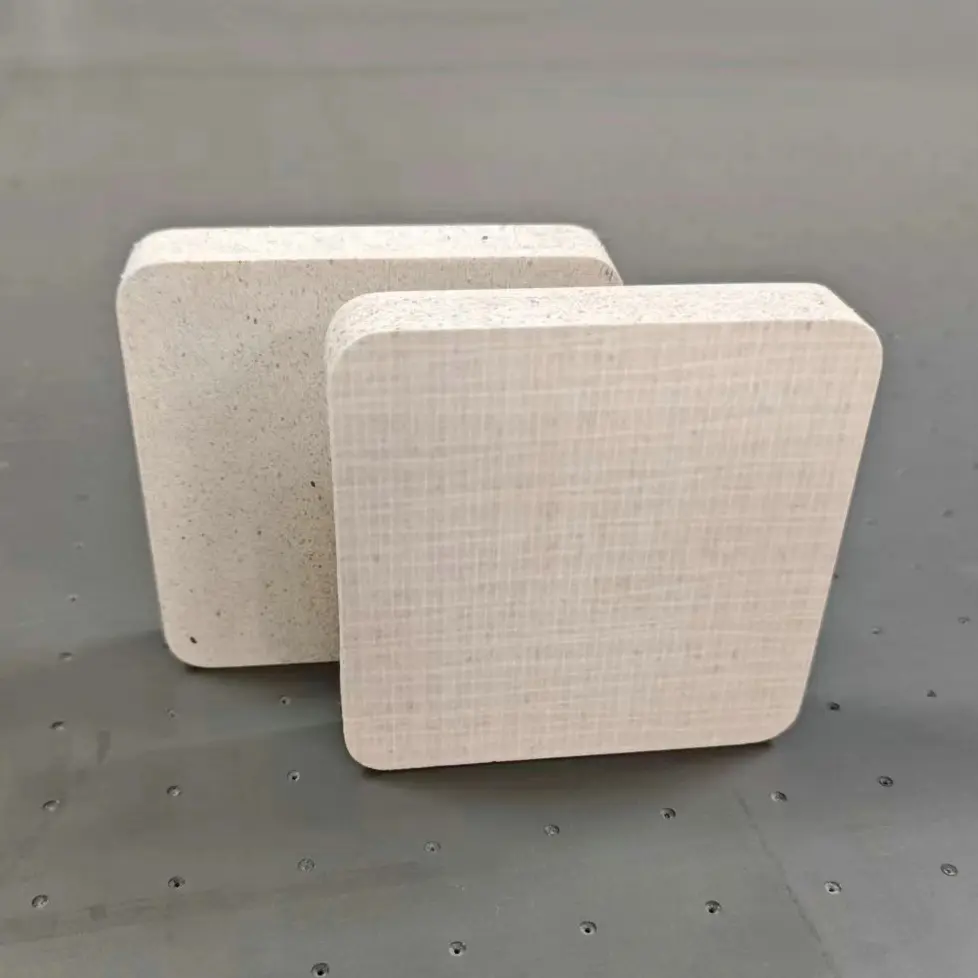
Autoclaved Aerated Concrete Blocks External walls, partition walls and lightweight infill panels Typical dry density is about 300–800 kg/m³; thermal conductivity is commonly around 0.09–0.20 W/(m·K), depending on density and moisture Lower self-weight can reduce structural material demand; porous construction provides useful thermal insulation and supports efficient installation Requires moisture protection, compatible render systems and careful detailing around openings and connections
Recycled and High-Recycled-Content Steel Structural frames, reinforcement bars, roofing systems and modular building components Steel is highly recyclable without losing its basic material properties; recycled content varies significantly by production route and product type Supports circular material use, reduces demand for virgin iron ore and enables recovery at the end of a building’s service life Embodied carbon depends strongly on furnace technology, electricity sources, recycled content, transport and fabrication efficiency
Low-E Insulating Glass Windows, curtain walls, skylights and high-performance façade systems Typical whole-window U-values can be approximately 1.3–2.5 W/(m²·K), depending on glazing, frame and installation; solar-control versions reduce solar heat gain Reduces heating and cooling loads, improves indoor comfort and can support daylight access when optical properties are correctly selected Performance depends on orientation, shading, frame thermal breaks, air leakage and installation quality—not glass coating alone
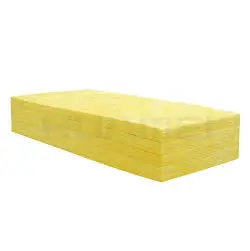
High-Performance Insulation Materials External wall insulation, roofs, floors, façades and building-envelope retrofit projects Common insulation products have thermal conductivity values roughly in the range of 0.020–0.045 W/(m·K), depending on material, density and moisture condition Reduces operational energy use, limits heat transfer and improves indoor thermal stability throughout the year Fire resistance, moisture control, aging, vapor permeability and compatibility with the façade system must be assessed together
Engineered Bamboo Products Interior finishes, flooring, furniture, wall panels and selected structural or semi-structural applications Bamboo is a rapidly renewable material; engineered products provide more uniform dimensions and stability than untreated bamboo, but properties vary by species and manufacturing process Can reduce reliance on slower-growing timber and offers a renewable alternative when responsibly cultivated, processed and certified Adhesive emissions, moisture resistance, biological durability, fire performance and responsible sourcing require verification
Water-Based Low-VOC Coatings Interior walls, ceilings, floors, metal surfaces and façade finishing systems Generally emit fewer volatile organic compounds than conventional solvent-rich coatings; actual emissions depend on formulation and applicable product standards Improves indoor air quality potential, reduces solvent use and can lower odor during installation Review formaldehyde and VOC test reports, durability, scrub resistance and moisture suitability for the intended space
Recycled Glass and Ceramic Finishes Tiles, terrazzo, countertops, decorative panels and selected paving applications Recycled content varies by product; finished performance is assessed through water absorption, abrasion resistance, slip resistance and breaking strength Uses recovered mineral materials and can reduce demand for virgin raw materials when collection and processing systems are available Check surface durability, installation waste, recycled-content documentation and suitability for wet or high-traffic areas
Building-Integrated Solar Photovoltaic Modules Rooftops, façades, sunshades, canopies and photovoltaic curtain-wall systems Commercial crystalline-silicon modules commonly convert roughly 18%–23% of incident sunlight into electricity under standard test conditions Generates renewable electricity on site, reduces grid demand and can combine energy production with weather protection or façade functions Output depends on solar exposure, orientation, shading, temperature, inverter efficiency, structural loading and fire-safety design
Note: Performance figures are indicative ranges for common products and applications in China. Actual results depend on product specifications, climate zone, installation quality, maintenance and compliance with applicable Chinese standards, project specifications and testing requirements.

Certification, Applications, and Market Development in China

What Are the Top Green Building Materials in China?

Certification, Applications, and Market Development in China

China’s green building market increasingly values low-carbon materials with verified performance. Common choices include recycled steel, low-clinker cement, fly-ash concrete, bamboo products, recycled insulation, and high-performance glass. Their value depends on actual use, not attractive labels.

The China Green Building Evaluation Label assesses buildings through a one- to three-star system. Product-level checks may include environmental labels, energy-saving certification, and documented compliance with national standards. Environmental Product Declarations are also gaining attention, especially in large commercial and public projects. Verification matters. Buyers should request test reports, recycled-content data, emission results, and installation records.

Applications vary by climate and building type. Recycled steel suits structural frames, while low-carbon concrete works well for foundations and urban infrastructure. Bamboo can support interior finishes, but moisture control remains essential. High-performance glass reduces cooling demand in hot regions, yet poor shading can weaken its benefit.

Market growth is strong, supported by green finance, public procurement, and stricter carbon targets. However, regional supply chains remain uneven.

A certified material may still create transport emissions or perform poorly when installed incorrectly. Project teams should compare life-cycle data, maintenance needs, and local availability before approval. The system is not perfect. Better data sharing and more consistent audits are still needed.