Top Sheathing Panels for Construction What You Need to Know
In the construction industry, selecting the right sheathing panel is crucial for ensuring structural integrity. According to a recent report by the National Association of Home Builders, the choice of sheathing can influence energy efficiency and reduce overall costs by up to 15%. This statistic highlights the importance of understanding material properties and their applications.
Sheathing panels serve as a critical component in a building's envelope. They provide insulation, moisture resistance, and enhanced durability. For instance, plywood and oriented strand board (OSB) are commonly used for their strength and versatility. However, not all sheathing options are created equal. Factors such as local climate and building codes can greatly affect material performance and longevity.
While advancements in sheathing technology have improved options, challenges remain. Some panels may struggle with moisture absorption, leading to mold growth and structural issues. Understanding the specific needs of a project is essential for choosing the best material. In a market saturated with choices, informed decisions can make all the difference in achieving a reliable and efficient construction outcome.
Top Sheathing Panels: Overview and Importance in Construction
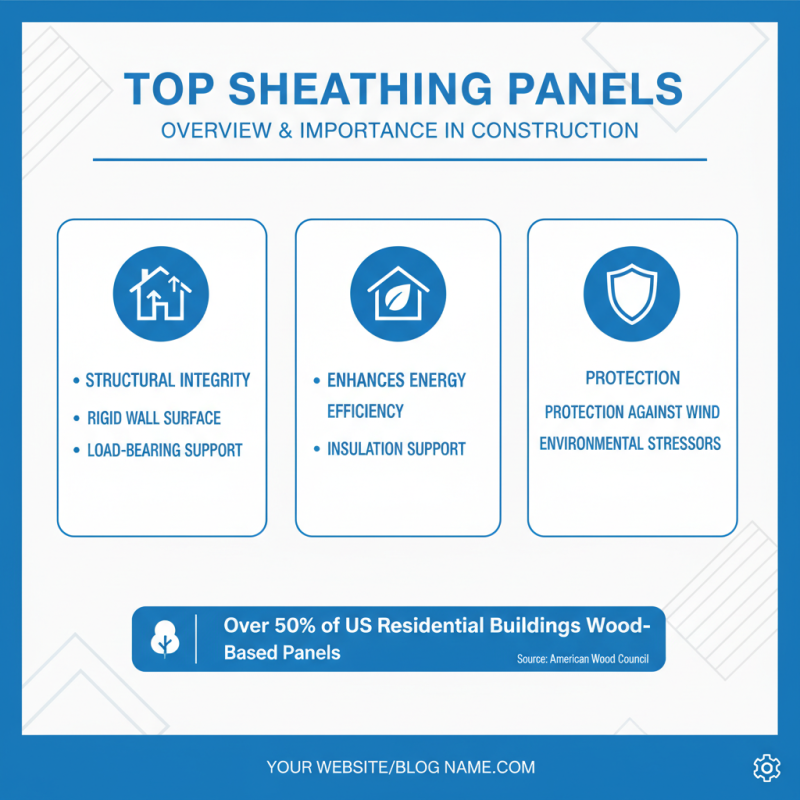
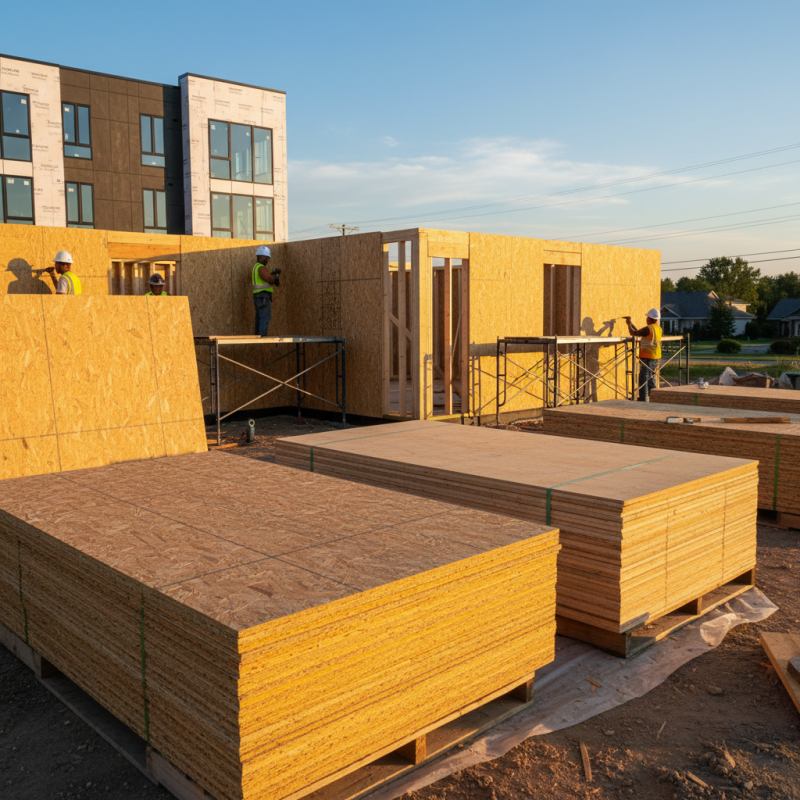
Sheathing panels play a crucial role in construction, providing structural integrity and enhancing energy efficiency. According to the American Wood Council, over 50% of residential buildings use wood-based sheathing panels. These panels create a rigid wall surface, essential for both load-bearing and protective purposes. They contribute to the overall stability of a structure, making it resistant to wind and other environmental stressors.
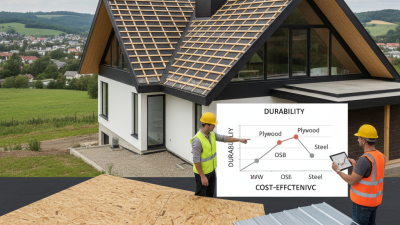
Different materials are available for sheathing, including oriented strand board (OSB) and plywood. A study from the Structural Building Products highlights that OSB can reduce costs by up to 20% compared to plywood, yet many builders remain hesitant. Their concerns revolve around durability and moisture resistance. While OSB is cost-effective, it may not perform as well in high-humidity areas. This reflection points to the necessity for builders to evaluate material choices based on specific project needs.
Moreover, proper installation of sheathing panels is often overlooked. The National Association of Home Builders reports that improper installation can lead to significant energy losses, estimated at 15% or more. Tight seams are vital, as they ensure that panels work effectively together. As the industry moves toward sustainability, choosing appropriate sheathing materials can have substantial long-term impacts on energy consumption and building longevity.
Types of Sheathing Panels: Materials and Their Unique Properties
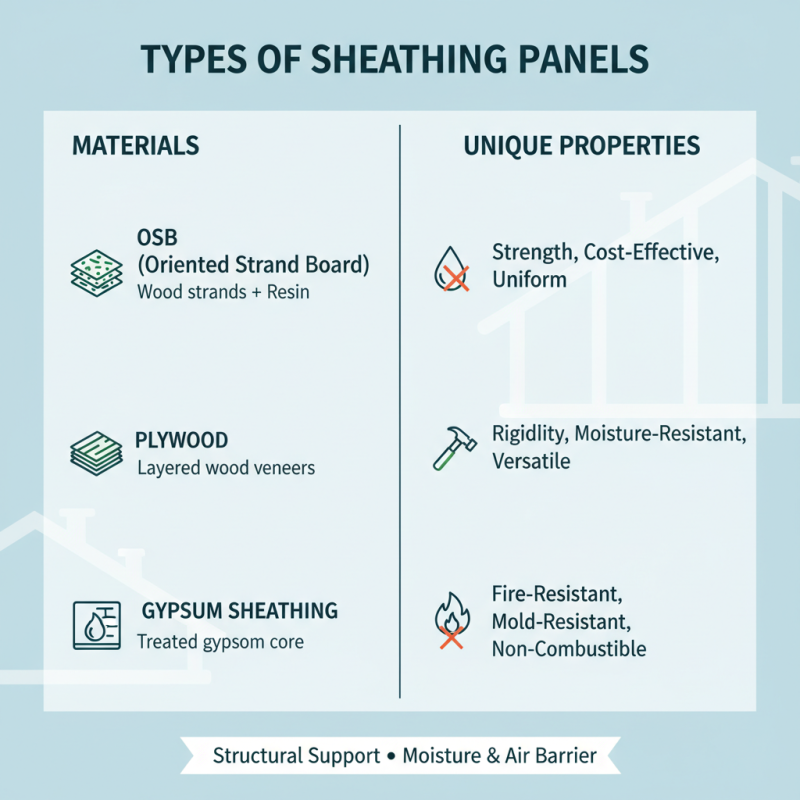
Sheathing panels are crucial in construction. They provide structural support and act as a barrier against moisture and air. Different materials offer unique benefits.
Plywood is a popular choice. It is strong and versatile. Plywood panels can hold nails well. This makes them ideal for various applications. Then there is oriented strand board (OSB). OSB is made from wood strands and adhesive, resulting in a dense, robust material. It is often more affordable than plywood. However, it may swell if exposed to moisture.
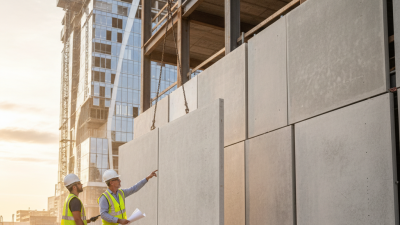
Another option is foam boards. They provide excellent insulation. Foam panels can reduce energy costs. Yet, their durability is often questioned. Lastly, fiber cement sheathing offers a unique blend of strength and fire resistance. It's not as lightweight as other materials. Its installation can be tricky. Understanding these options helps in making informed choices. Each material serves a purpose, but their limitations need consideration.
Performance Metrics: R-Values, Durability, and Moisture Resistance
When selecting sheathing panels, three critical performance metrics emerge: R-values, durability, and moisture resistance. R-values measure thermal resistance and impact energy efficiency. High R-values indicate better insulation. For example, structural insulated panels (SIPs) can have R-values above 20. This significantly reduces heating and cooling costs over time.
Durability is equally vital. Many panels undergo rigorous tests for resistance to impact, wind, and pests. OSB and plywood sheathing are common choices. They both offer decent durability under standard conditions. However, OSB tends to absorb moisture more quickly, which can lead to mold. Testing found that plywood maintained integrity after prolonged exposure, while OSB showed signs of deterioration.
Moisture resistance directly influences a building’s longevity. Panels designed to withstand moisture can prevent rot and structural failure. For example, sheathing with water-resistant coatings can improve lifespan significantly. Some studies reveal a 50% increase in durability with proper moisture protection. Selecting the right materials involves weighing these performance metrics against budget constraints and intended use. Each choice carries implications worth pondering for sustainable construction.
Cost Analysis: Comparing Prices and Lifespans of Popular Options
When considering sheathing panels for construction, cost and lifespan are critical factors. Different materials vary significantly in these aspects. For example, oriented strand board (OSB) typically costs around $10-$20 per 4x8 panel. Its lifespan is generally about 20-30 years, depending on environmental factors. On the other hand, plywood panels may range from $15 to $50 per panel, offering a longer lifespan of 30-50 years with proper maintenance.
A 2021 industry report indicated that OSB has gained popularity due to its affordability. However, many professionals express concerns about its durability in humid conditions. Additionally, while plywood has a higher upfront cost, it often proves to be more cost-effective over time due to its longevity. Some builders may overlook this when budgeting. The initial savings from using OSB can be tempting, but considering replacement costs is essential.
Another aspect to consider is environmental impact. Recycled materials are becoming more common, yet they can vary drastically in price and performance. A recent study showed that eco-friendly options may come with a higher price tag but contribute positively to sustainability goals. We should reflect on whether short-term savings outweigh potential long-term drawbacks.
Top Sheathing Panels for Construction: Cost Analysis
| Panel Type |
Cost per Square Foot ($) |
Lifespan (Years) |
R-Value |
Water Resistance |
| Plywood |
$1.50 |
20 |
1.4 |
Moderate |
| OSB (Oriented Strand Board) |
$1.00 |
15 |
1.4 |
Low |
| Fiber Cement Board |
$2.50 |
30 |
0.5 |
High |
| Gypsum Board |
$0.75 |
10 |
0.45 |
Moderate |
| Metal Sheathing |
$3.00 |
40 |
None |
Very High |
Installation Techniques: Best Practices for Optimal Sheathing Performance
When it comes to installation techniques for sheathing panels, several best practices can enhance performance. It's crucial to ensure that panels are stored flat and in a dry place before installation. Moisture can warp the sheathing, leading to poor fitting later. Always check for any damage or defects before starting the installation. This attention to detail is vital for overall structural integrity.
Proper alignment is another key factor. Panels should be aligned with the frame to avoid misalignment later. Using a level can help achieve an even surface. Fastener spacing is also important; uneven spacing can cause panels to bow or crack over time. However, many contractors overlook this, leading to costly repairs down the line.
Sealing joints with appropriate materials is a common step that is sometimes rushed. This can lead to gaps that allow air and moisture infiltration. Additionally, installers should account for temperature changes; rapid changes can affect panel expansion and contraction. Reflecting on these elements can help improve installation outcomes significantly. Each step has its own set of challenges, but understanding them is the key to achieving optimal sheathing performance.



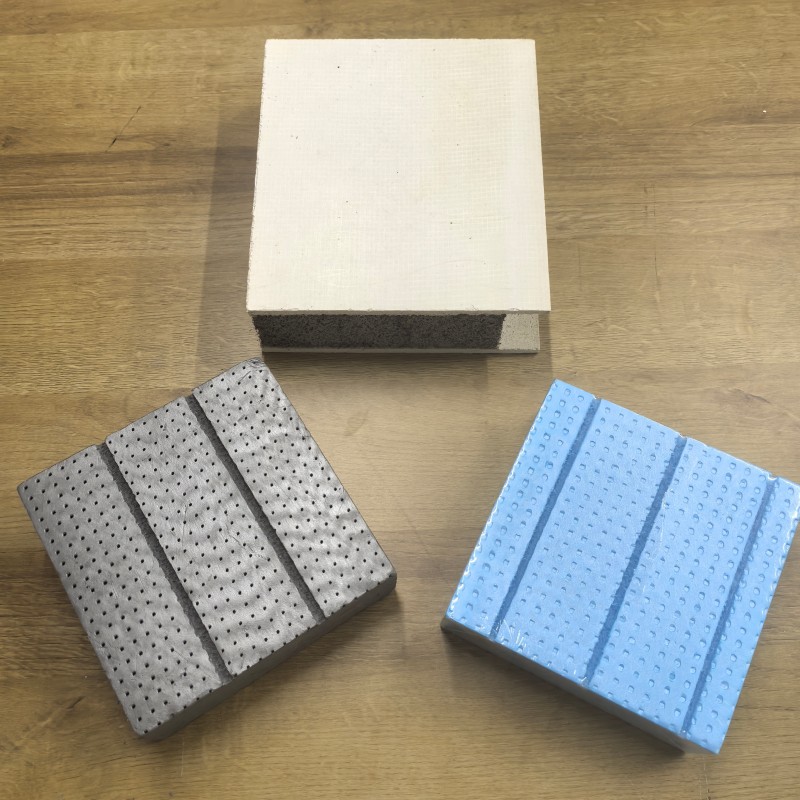 Environmental Building Board
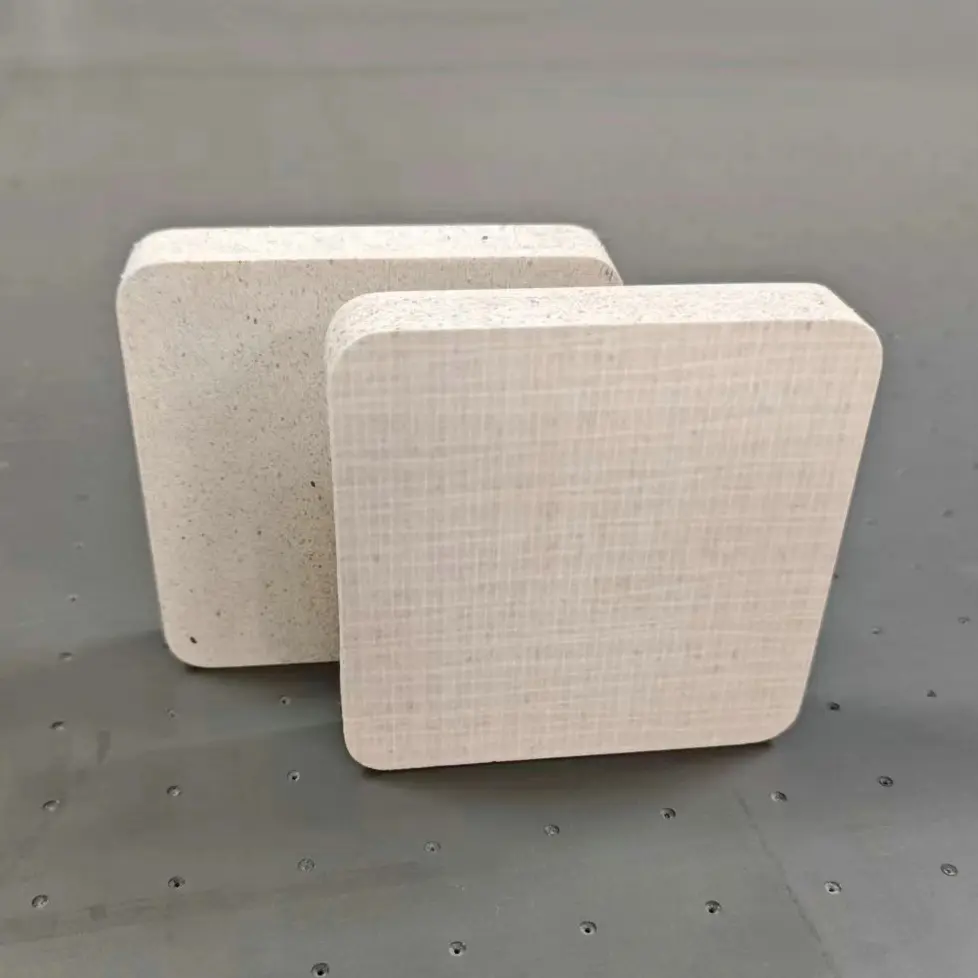 Fire-proof Board
 Sound Resistance
 Termite Resistance