Top Wall Board Tips for Global Buyers to Maximize Value?
In the global marketplace, Wall Board products play a crucial role in construction and design. They are essential for creating durable, aesthetic spaces. Yet, many buyers often overlook strategies to maximize their investment.
Understanding the nuances of Wall Board procurement is vital. Quality can vary widely among suppliers. Buyers must be vigilant in evaluating thickness, texture, and finish. These factors impact not just appearance but longevity as well. A thorough assessment of supplier credentials enhances reliability.
Pricing also varies significantly across regions. Buyers should consider shipping costs and lead times. Establishing strong relationships with suppliers can provide leverage in negotiations. However, relying solely on cost can lead to compromises in quality. Both experienced buyers and newcomers must reflect on their priorities to achieve the best value.
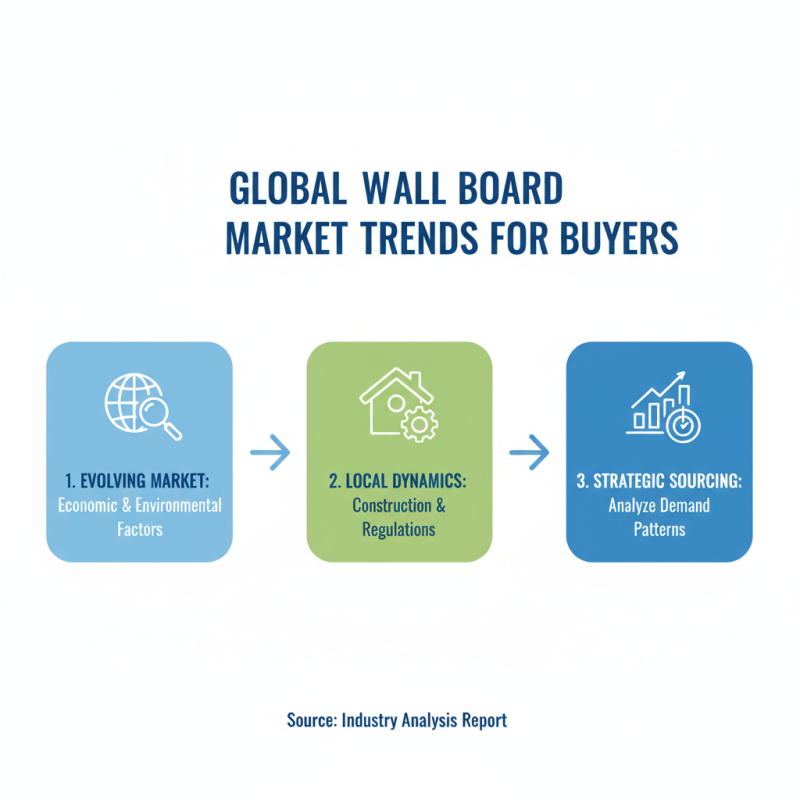
Understanding Global Wall Board Market Trends for Buyers
The global wall board market is evolving rapidly, influenced by various economic and environmental factors. Buyers need to be aware of these shifts. Understanding local market dynamics is essential. Demand often fluctuates based on construction trends and regional regulations. Analyzing these patterns helps in strategic sourcing.
Sustainability is becoming a significant trend in the wall board industry. Many buyers seek eco-friendly materials. However, the availability of these options varies across regions. Evaluating local suppliers can lead to better decisions. This may involve trade-offs between cost and sustainability.
Investors should not overlook technology's role in the wall board sector. Innovations in manufacturing processes can enhance product quality and reduce waste. However, keeping up with technological advancements can be challenging. Buyers must remain adaptable. Engaging in continuous learning is vital for making informed purchasing choices. This mindset encourages reflection on one’s own strategies.
Evaluating Quality and Material Types for Better Value
When evaluating wall boards, the type of material plays a crucial role in determining value. Different materials, such as gypsum, cement board, and fiber cement, offer unique benefits and drawbacks. Gypsum is lightweight and economical but may not be ideal for high-moisture areas. On the other hand, fiber cement provides excellent durability and resistance to fire. However, it can be more expensive and harder to install. Understanding these distinctions is essential.
Buyers should also consider the quality of the wall boards. Testing certification can provide insights into their durability and performance. Even certified products may react differently under extreme conditions. It’s wise to analyze past projects and customer feedback in the selection process.
Material thickness is another factor. Thicker boards may offer better sound insulation but often come at a higher cost. Evaluating these aspects closely is necessary for informed decision-making.
Quality and material choices impact project outcomes significantly. Yet, even experienced buyers can overlook product specifications or installation requirements, leading to unforeseen issues. It’s vital to engage with knowledgeable contractors when making these decisions. A collaborative approach can help to mitigate risks associated with material selection. Regularly revisiting and refining your choices can enhance overall value, ensuring a successful outcome.
Negotiating Best Pricing Strategies with Suppliers
Negotiating the best pricing strategies with suppliers is crucial for global buyers. Understanding market dynamics can provide leverage. Always research the industry standards before initiating negotiations. Know the average pricing for similar materials. This knowledge empowers your position.
Tip: Build strong relationships with suppliers. Personal connections often lead to better deals. Engage regularly, and show appreciation for their services. Suppliers are more likely to offer discounts to buyers they trust. A good rapport can lead to long-term benefits.
Consider leveraging bulk purchases for better pricing. Many suppliers provide discounts for large orders. However, assess the impact on your inventory and cash flow before deciding. This strategy might not always align with immediate project needs. Flexibility is key. Be open to exploring alternative solutions to meet your requirements.
Top Wall Board Prices by Region
Sourcing and Importing Wall Boards: Key Considerations
Sourcing wall boards requires careful planning. Buyers should consider multiple factors to maximize value. Industry data shows that raw material costs account for about 40% of the total production expenses. Understanding these costs can help buyers negotiate better prices with suppliers.
Quality is crucial when sourcing wall boards. Research indicates that roughly 30% of imports fail to meet local standards. This leads to higher costs for replacements and potential project delays. Buyers must ensure that the products comply with all relevant standards. This might require third-party inspections. Relying solely on supplier claims can be risky.
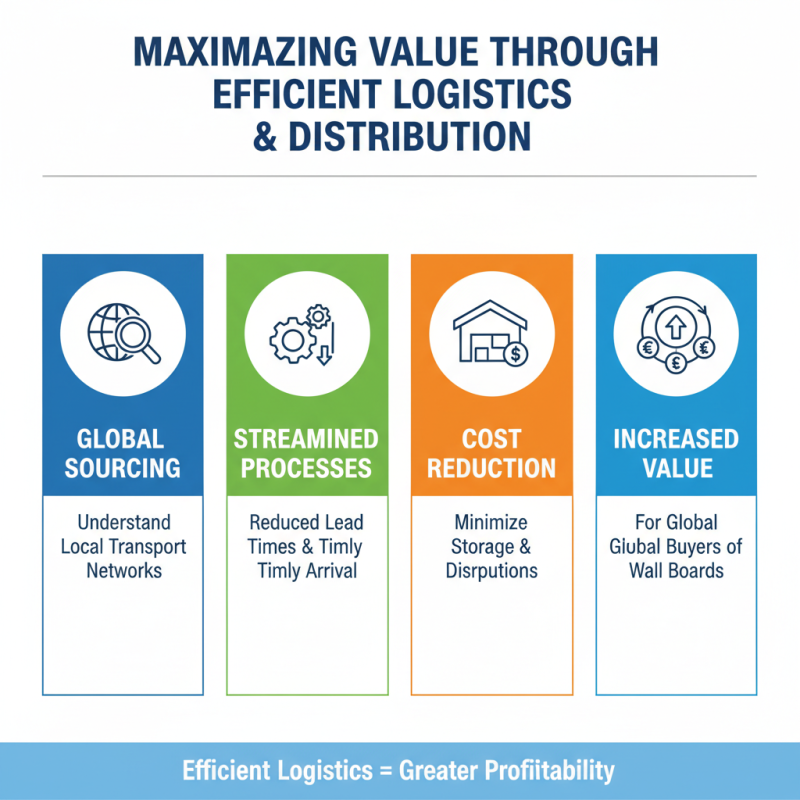
Importing practices also matter. Logistics can add unexpected costs. A study found that shipping delays can increase expenses by up to 25%. Buyers should choose reliable freight forwarders. Establishing good communication can reduce misunderstandings. It's essential to plan ahead to avoid complications.



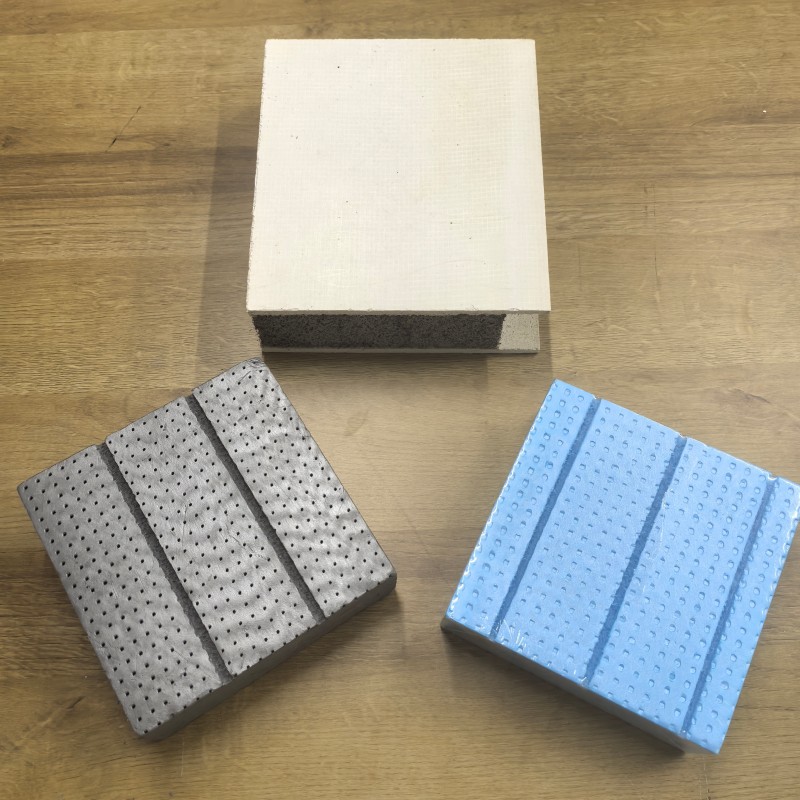 Environmental Building Board
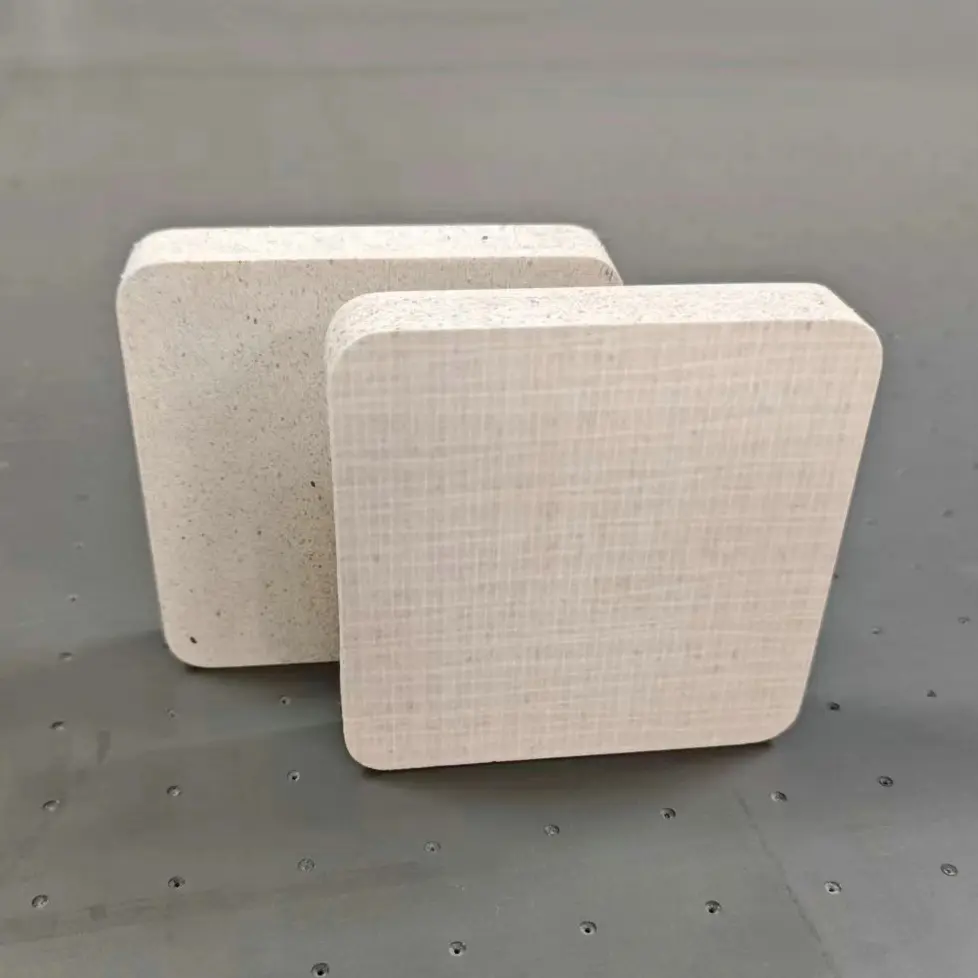 Fire-proof Board
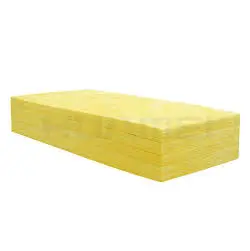 Sound Resistance
 Termite Resistance