



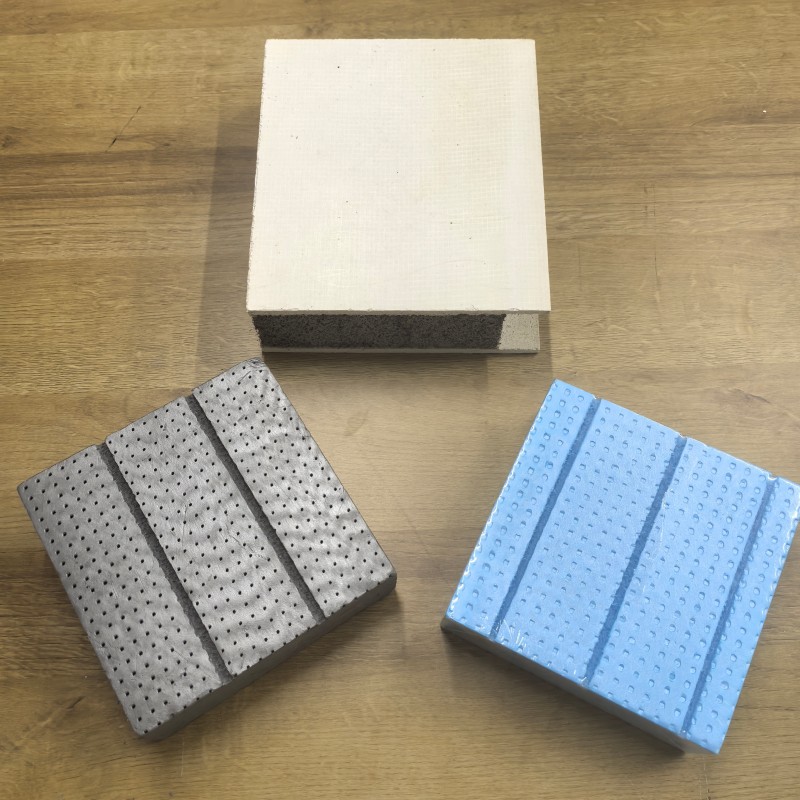
 Environmental Building Board
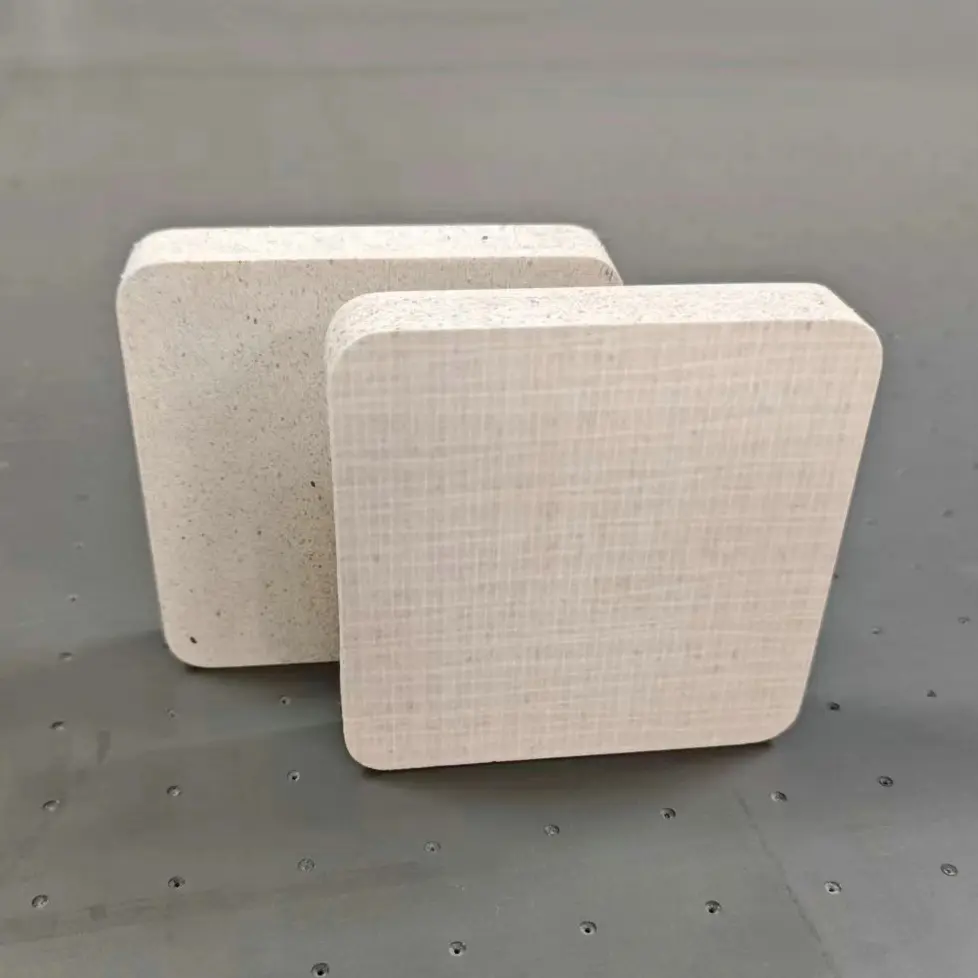 Fire-proof Board
 Sound Resistance
 Termite Resistance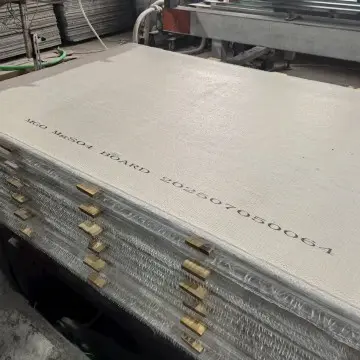
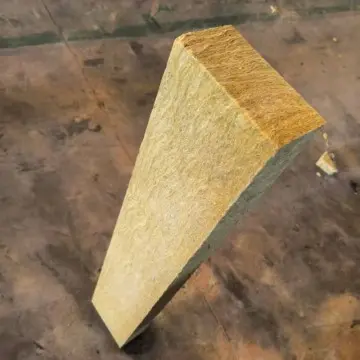
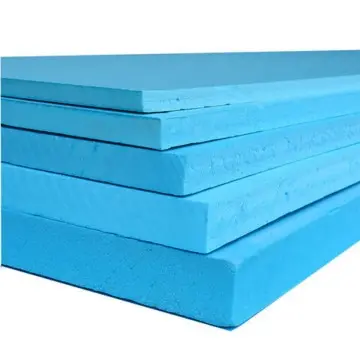
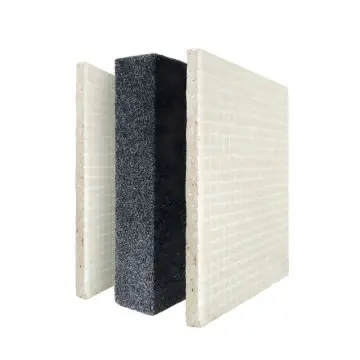
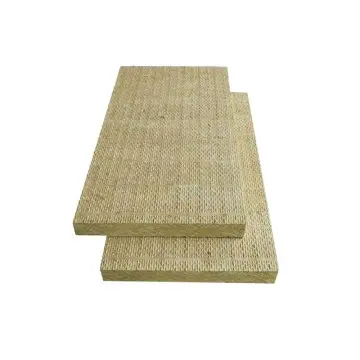
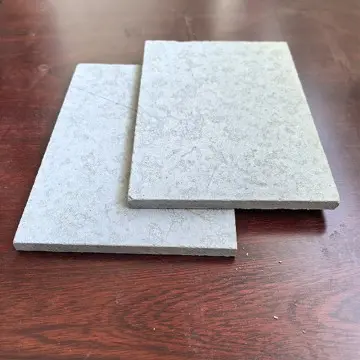
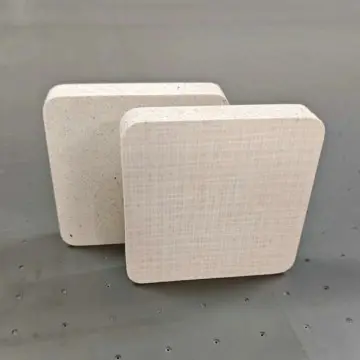
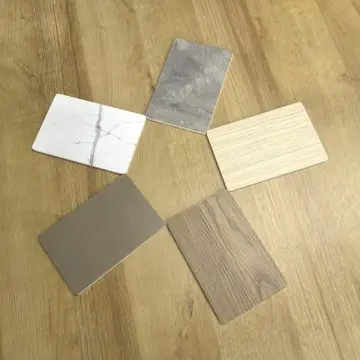
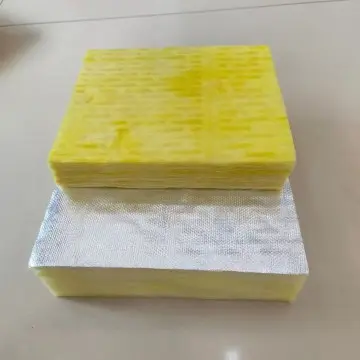
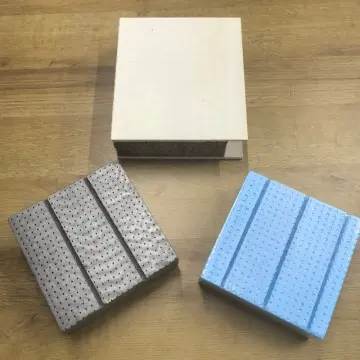

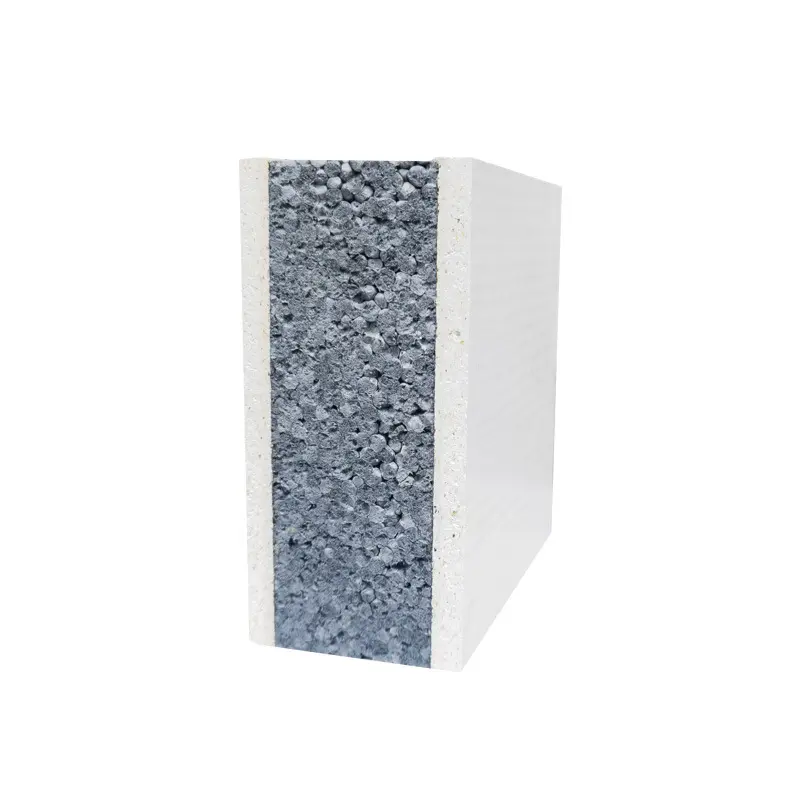

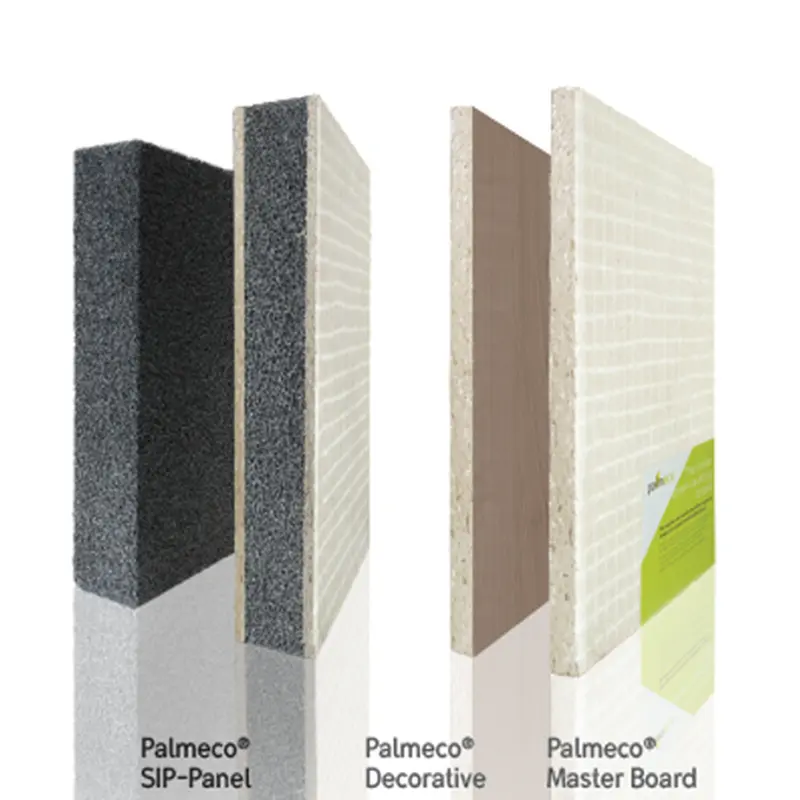


Termite Resistance, prevent termite damage
Termite-resistant products refer to a range of building materials and insulation solutions engineered to deter, repel, or even kill termites, preventing them from accessing or damaging structural components. These products are developed through advanced manufacturing processes, including:
● Chemical treatments: Infusing materials with non-toxic or low-toxicity compounds (e.g., borates, fipronil) that termites avoid or that disrupt their nervous systems.
● Physical barriers: Using materials like stainless steel mesh, crushed stone, or concrete to block termite entry points, as these substances are impenetrable to their mandibles.
● Naturally resistant materials: Leveraging wood species (e.g., teak, cedar) or plant-based fibers with inherent termite-repellent properties, such as natural oils or resins.
1. Structural protection: By creating a barrier against termites, these products prevent damage to wooden beams, flooring, walls, and insulation—avoiding costly repairs and potential safety hazards (e.g., collapsed structures).
2. Longevity: Termite-resistant materials extend the lifespan of buildings, especially in high-risk areas where infestations are common.
3. Reduced chemical use: Many modern options use eco-friendly treatments or physical barriers, minimizing reliance on harsh pesticides that harm the environment or human health.
4. Cost-effectiveness: While upfront costs may be higher than standard materials, the long-term savings from avoiding infestations and repairs make them a wise investment.
● Residential construction: Used in foundations, framing, flooring, and attic insulation to protect homes from subterranean or drywood termites.
● Commercial buildings: Applied in warehouses, offices, and industrial facilities where large wooden structures or stored goods are vulnerable.
● Renovations: Integrated into existing buildings during upgrades to retroactively add termite protection.
In regions with high termite activity—such as parts of the southern United States, Southeast Asia, Africa, and Australia—standard building materials are often insufficient. Termite-resistant products offer peace of mind by proactively addressing the threat, ensuring that buildings remain safe, functional, and intact for decades.
By prioritizing these solutions, builders and homeowners not only protect their investments but also contribute to sustainable construction practices, as many termite-resistant materials are designed to be durable and environmentally responsible.