Why is Acoustic Insulation Essential for Your Next Project?
Acoustic Insulation plays a crucial role in modern construction projects. It is designed to reduce unwanted noise, creating a peaceful environment. Many people overlook its importance, focusing instead on aesthetics and functionality. However, the benefits of Acoustic Insulation extend far beyond mere silence.
Effective Acoustic Insulation enhances comfort in residential and commercial spaces. It protects against sound transmission between rooms, providing privacy and reducing distractions. Poor acoustic design can lead to dissatisfaction. This may cause frustration for occupants and impact productivity in workplaces. Understanding the nuances of soundproofing can be complex.
Choosing the right Acoustic Insulation materials requires expertise. Different projects demand tailored solutions to address specific acoustic challenges. Without proper assessment, many projects may fall short of their sound control goals. Investing in quality insulation can yield significant long-term benefits. It is a decision worthy of careful consideration if you want a successful outcome.

Importance of Acoustic Insulation in Modern Construction Projects
Acoustic insulation plays a crucial role in modern construction projects. It ensures privacy and comfort within spaces. This becomes particularly important in urban environments. Noise pollution can greatly affect wellbeing and productivity. Good acoustic insulation reduces sound transmission between rooms and from outside. It creates a serene atmosphere in busy settings.
Incorporating acoustic insulation is not always straightforward. Selecting the right materials can be challenging. Often, professionals must balance cost with effectiveness. Builders sometimes underestimate the long-term benefits of proper insulation. This can lead to issues like unwanted noise and distractions. Delaying decisions on this crucial element may impact the project's success.
Understanding the environment is key to effective acoustic solutions. Certain materials may work better in specific locations. Different buildings have unique sound management needs. An expert's input can help navigate these decisions. Yet, many still overlook these considerations. Moving forward, it is essential for builders to prioritize acoustic insulation. Regular training and updates on best practices can make a significant difference.
Importance of Acoustic Insulation in Modern Construction Projects
Understanding the Science Behind Sound Transmission and Insulation
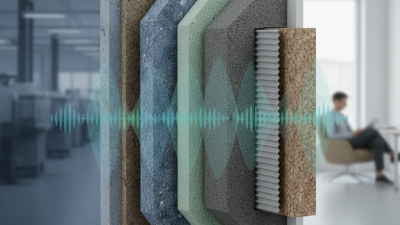
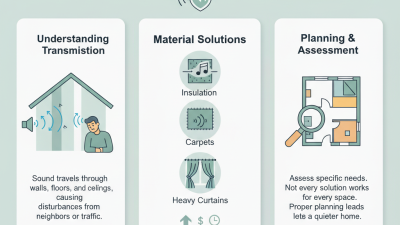
Acoustic insulation plays a vital role in enhancing our living spaces. Understanding the science behind sound transmission is essential for effective insulation. Sound travels through air, solids, and liquids, creating vibrations that disturb our peace. These vibrations can cause significant problems in residential and commercial buildings if not managed properly.
Materials like foam, fiberglass, and mineral wool absorb sound effectively. Each material has unique properties that determine its performance. For example, denser materials typically block more sound. However, choosing the right insulating material can feel overwhelming. Not all materials are suitable for every project.
Here are some tips to optimize your acoustic insulation. First, consider the specific sound issues in your environment. Is it noise from traffic, conversations, or machinery? Next, assess the construction materials of your building. Walls, floors, and ceilings may require different solutions. Finally, don’t neglect gaps and cracks. Small openings can significantly reduce the effectiveness of insulation. Sealing these areas can enhance overall soundproofing.
Investing time in your acoustic insulation choices can lead to a more tranquil environment. Sound management should address both high and low frequencies. This balanced approach ensures that your space remains serene and enjoyable.
Key Benefits of Acoustic Insulation for Residential and Commercial Spaces
Acoustic insulation is crucial for both residential and commercial spaces. Studies show that effective insulation can reduce noise levels by up to 50%. This reduction creates a more comfortable environment, fostering productivity and well-being. In workplaces, excessive noise can lead to distractions, reducing overall efficiency by approximately 30%, according to recent reports.
In residential settings, unwanted noise can disrupt sleep and relaxation. Homes with proper acoustic insulation encourage more peaceful living. A 2022 survey indicated that homeowners value quietness, with over 70%% willing to invest in soundproofing solutions. This highlights the importance of acoustic treatments in enhancing quality of life.
Ignoring acoustic insulation can lead to regrets. Many existing buildings experience noise complaints, affecting both residents and tenants. The initial cost of insulation may seem high, but the long-term benefits, including increased property value, outweigh these expenses. A well-insulated space attracts tenants and buyers alike, paving the way for successful projects.
Industry Standards and Regulations for Acoustic Insulation Performance
Acoustic insulation plays a crucial role in construction projects. It helps maintain a comfortable environment by reducing noise pollution. Understanding industry standards is essential for ensuring effective insulation performance. Regulations often require specific acoustic ratings for building materials. Compliance with these standards guarantees minimal sound transmission between spaces.
Choosing the right acoustic insulation is key. Look for materials that meet or exceed the recommended performance ratings. This can help achieve better sound control in commercial and residential buildings. Always check for certifications from recognized organizations. These attest to the material's effectiveness and reliability.
Tips to consider: test the acoustic performance of insulation before finalizing your selection. You might need to adjust based on the specific project requirements. It's also crucial to involve professionals who understand acoustic design. Their expertise can guide choices that align with regulations and enhance overall project success. Balancing aesthetics and functionality is tricky but vital for achieving great results.
Statistics on Noise Pollution and Its Impact on Health and Productivity
Noise pollution is a growing concern in our modern world. Recent studies reveal that over 50% of urban residents experience significant noise disturbances daily. This constant exposure to noise adversely affects health, leading to stress, sleep disorders, and decreased productivity. The link between noise and health is more apparent than ever, urging a need for effective acoustic insulation in any project.
Consider incorporating soundproofing materials in walls and ceilings. This reduces noise transmission significantly. Use heavy curtains and rugs in spaces where you want to minimize sound. These elements absorb noise and create a more peaceful environment.
Remember, not all buildings are created equal. Older structures may require more attention to acoustic treatment. Evaluate the existing space carefully. Small changes can lead to big improvements. Silence can enhance focus and wellbeing, making it crucial to prioritize acoustic insulation in any development project.



 Environmental Building Board
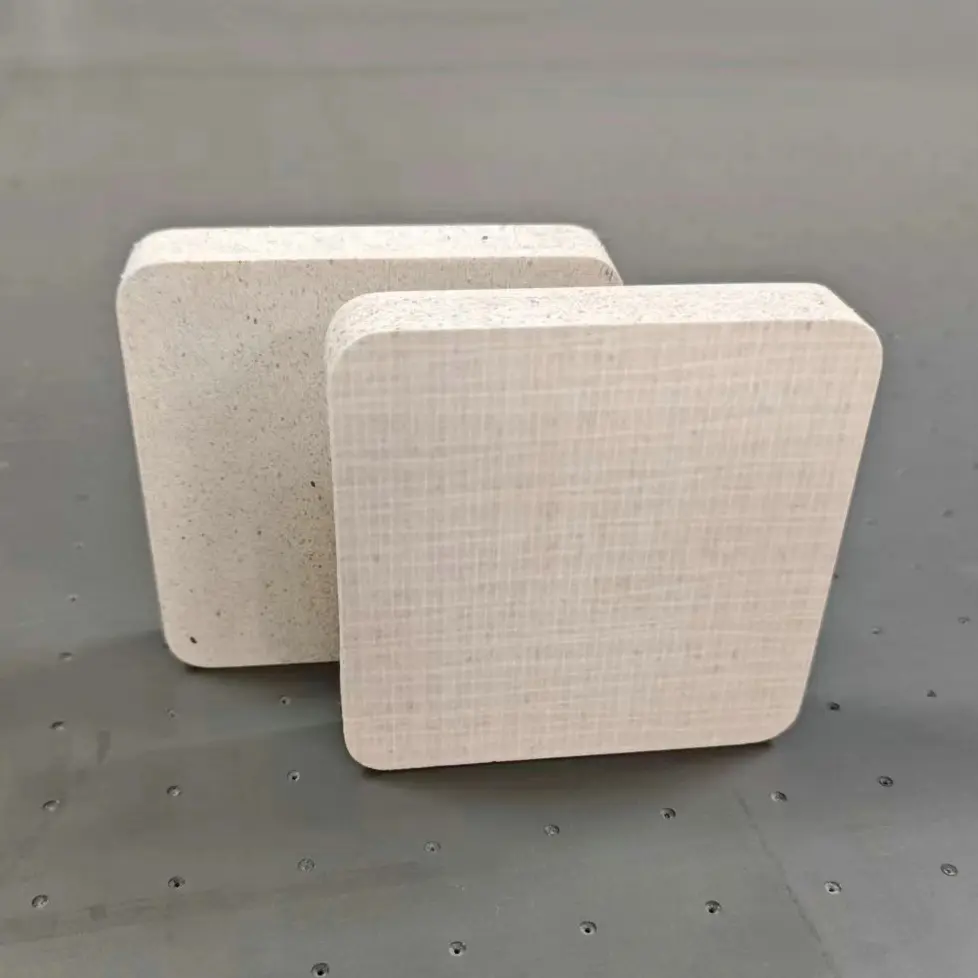 Fire-proof Board
 Sound Resistance
 Termite Resistance