How to Choose the Right Cement Panel for Your Construction Project?
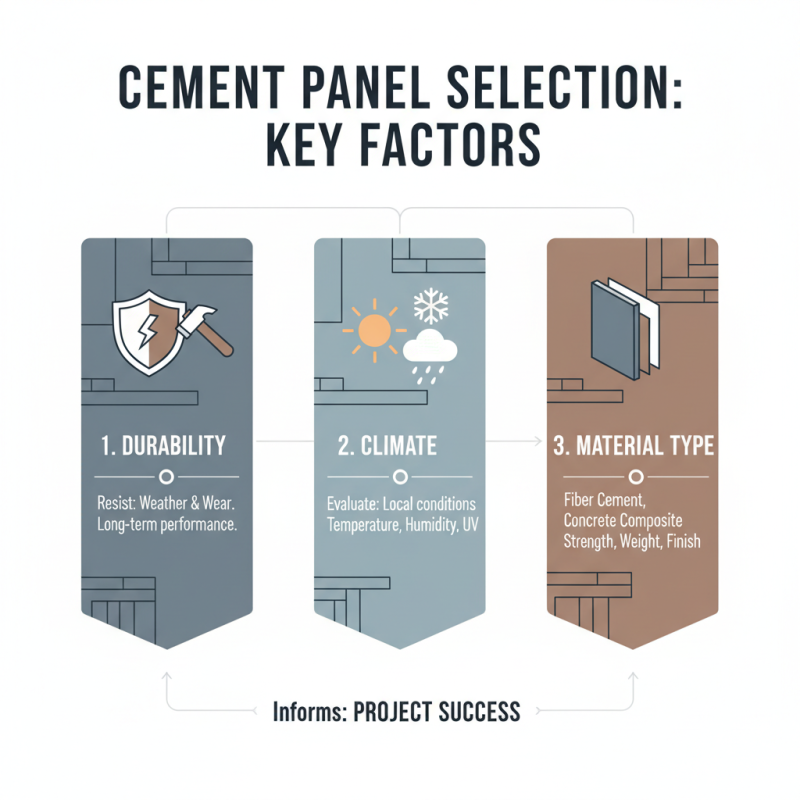
Choosing the right cement panel for a construction project is crucial. Experts in the industry often emphasize the importance of understanding your specific needs. John Smith, a leading expert in cement panel technology, states, "Selecting the right cement panel is key to project success." His insights reflect the challenges faced by many builders today.
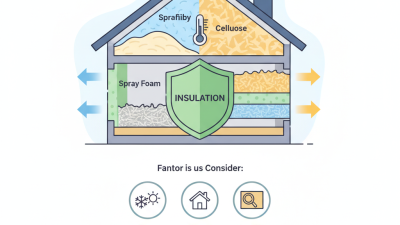
Cement panels are versatile, but not all options suit every project. For instance, some panels provide better insulation, while others focus on durability. Evaluating performance characteristics is essential in this decision-making process. Additionally, the aesthetics of cement panels should align with the overall design vision.
Many builders overlook the weight and installation complexities of cement panels. These factors can impact timelines and costs significantly. In a rapidly changing market, the ideal cement panel should also consider sustainability. Making informed choices requires continuous learning and adaptation to evolving technologies. Builders must reflect on past experiences while venturing into new solutions. Choosing cement panels is not just about function; it’s about crafting spaces that endure.
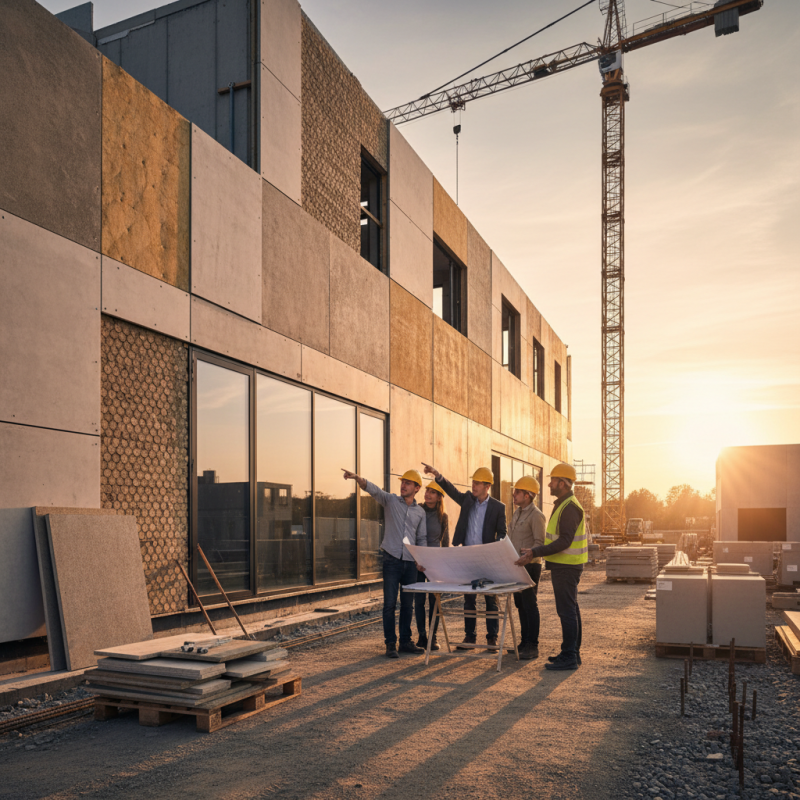
Understanding Cement Panels: Types and Their Applications in Construction
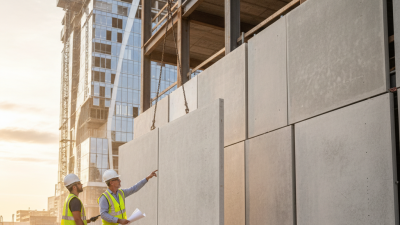
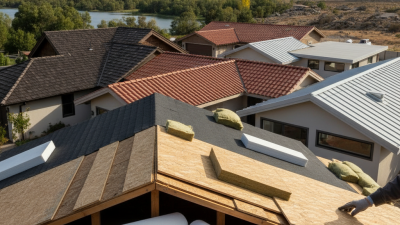
Cement panels are versatile materials in construction. They come in various types, each serving different purposes. The most common types include precast concrete panels, fiber-cement panels, and cement board panels. Precast panels are manufactured off-site. They offer quick installation and consistent quality. Fiber-cement panels provide durability and aesthetic flexibility, suitable for exterior facades. Cement board panels are often used in wet areas, like bathrooms, for moisture resistance.
Choosing the right panel depends on specific project needs. Consider the environmental impact, thermal efficiency, and strength required. Different projects may demand unique attributes. A residential building might focus on aesthetics, while an industrial facility prioritizes durability. Reflecting on these needs early on helps avoid costly mistakes. It's important to weigh long-term benefits against initial costs, as cheaper options may lead to higher maintenance.
Consult with professionals who understand local building codes and climate conditions. Their expertise can guide you in selecting panels that meet both safety and design standards. However, remember that even experts may not have all the answers. It's wise to keep an open dialogue and adjust plans as the project evolves. Each construction project has its nuances, and flexibility can lead to more successful outcomes.
Types of Cement Panels and Their Applications
Evaluating Durability and Performance Metrics of Cement Panels
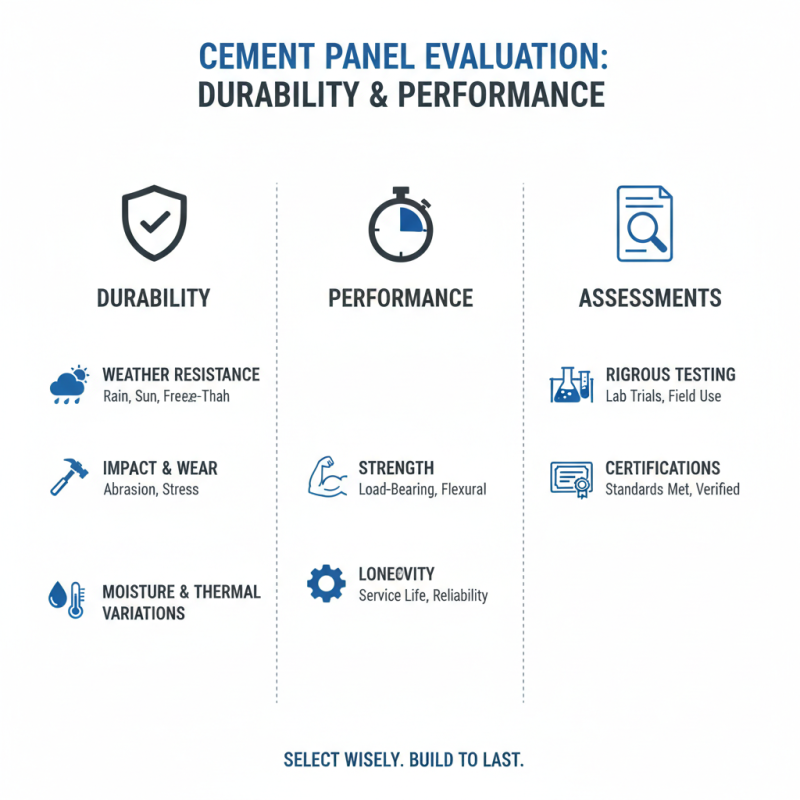
When selecting cement panels for construction, evaluating their durability and performance is critical. Durability refers to how well the material withstands various stresses over time. Factors like weather, impact, and wear should influence your choice. A panel's resistance to moisture and thermal variations also plays a role in its longevity. You may want to consider panels that have undergone rigorous testing in these areas.
Performance metrics can be a bit elusive but are essential. Look into their compressive strength and tensile strength ratings. The panel’s ability to retain its shape under load or extreme conditions matters. Additionally, consider installation efficiency. A heavy panel may require special handling, which can increase labor costs and time. Reflect on these aspects beyond just aesthetics. Balancing performance with durability can be challenging but necessary for long-term project success.
Cost Analysis: Comparing Different Cement Panel Options for Budgeting
When budgeting for a construction project, choosing the right cement panel is critical. Various options are available, each with unique cost implications. A report by the Global Cement and Concrete Association highlights that traditional concrete panels can cost between $6 to $10 per square foot, while advanced fiber-reinforced panels may range from $8 to $15 per square foot. This pricing can significantly impact your overall project budget.
It's important to factor in longevity as well. For instance, while cheaper options might lower initial costs, they often require more maintenance. A study by the American Concrete Institute shows that materials with higher upfront costs can save money over time due to reduced repair needs and longer lifespans. Moreover, shipping costs for these panels can differ widely based on the supplier's location. This aspect might not be included in initial estimates but can lead to budget overruns.
Project managers should also consider labor costs associated with installation. Some panels are easier to handle, reducing the time and workforce needed. According to industry surveys, labor expenses can account for up to 30% of total project costs. Therefore, analyzing these hidden costs before making a decision is crucial for staying within budget. Always gather multiple quotes and assess the long-term value of the materials you choose. Balancing cost and quality will lead to a more successful construction outcome.
Environmental Impact and Sustainability in Choosing Cement Panels
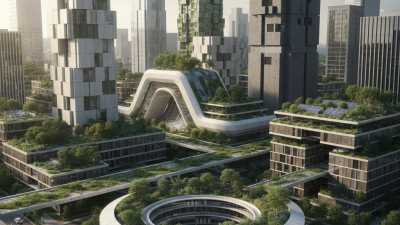
When selecting cement panels for construction, environmental impact is a crucial consideration. A recent report from the Global Cement and Concrete Association indicates that the cement industry generates about 8% of global CO2 emissions. This statistic emphasizes the need for sustainable practices in panel production and delivery.
The choice of cement panels can significantly affect your project’s overall sustainability. Panels made from recycled materials or those that utilize alternative fuels can reduce carbon footprints. A study by the International Energy Agency suggests that using such materials can lower emissions by up to 30%. However, not all options are equal; some panels may be promoted for their eco-friendliness but may have hidden environmental costs during production or disposal.
Furthermore, the durability and lifespan of cement panels play a role in sustainability. Short-lived materials may lead to increased waste and frequent replacements. While some panels boast a minimal initial cost, their long-term impact may not justify the savings. It is essential to scrutinize the entire lifecycle of the chosen panel. Engage with industry professionals to ensure informed decisions that prioritize both structural integrity and environmental responsibility.



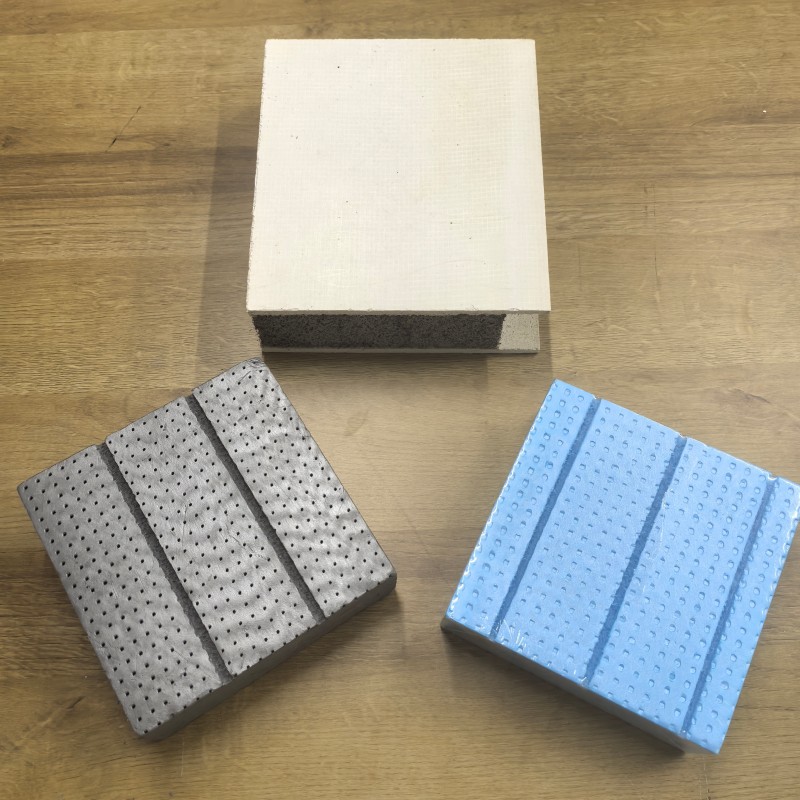 Environmental Building Board
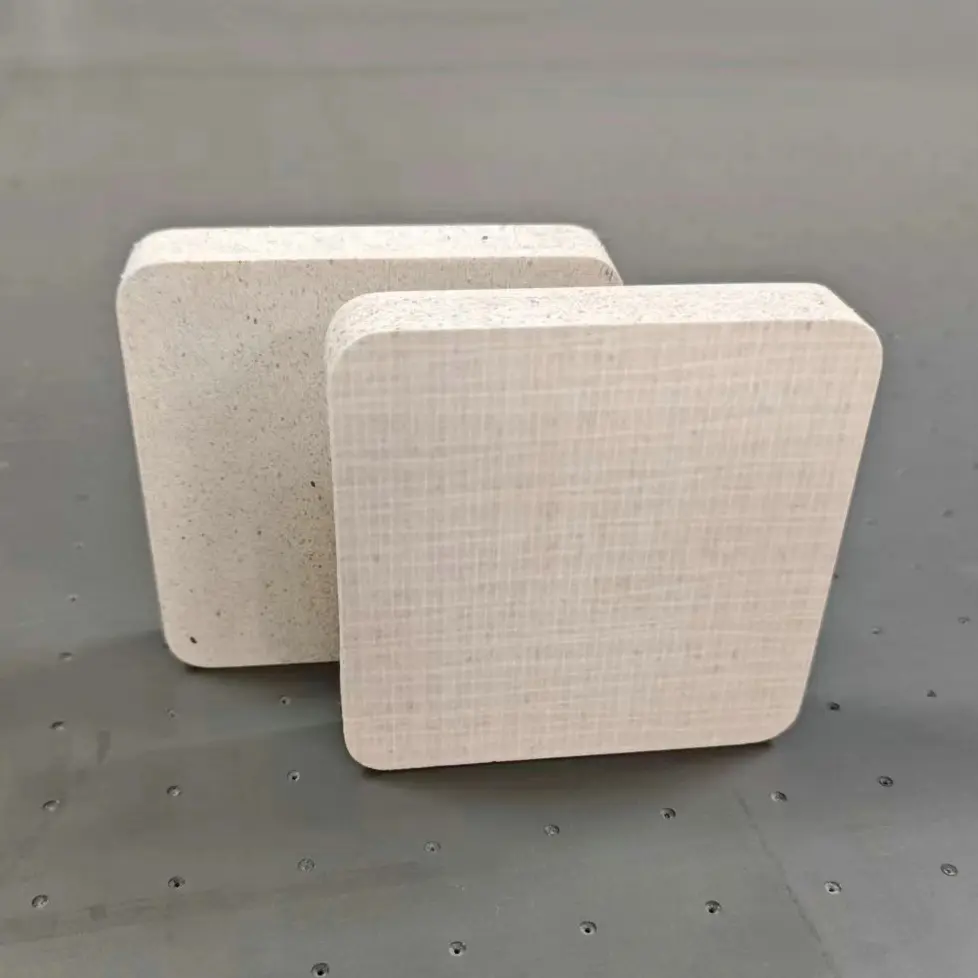 Fire-proof Board
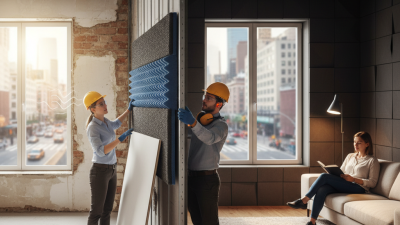
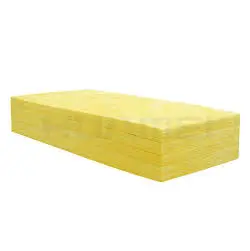 Sound Resistance
 Termite Resistance