Why Choose the Best Wall Board for Your Business Needs?
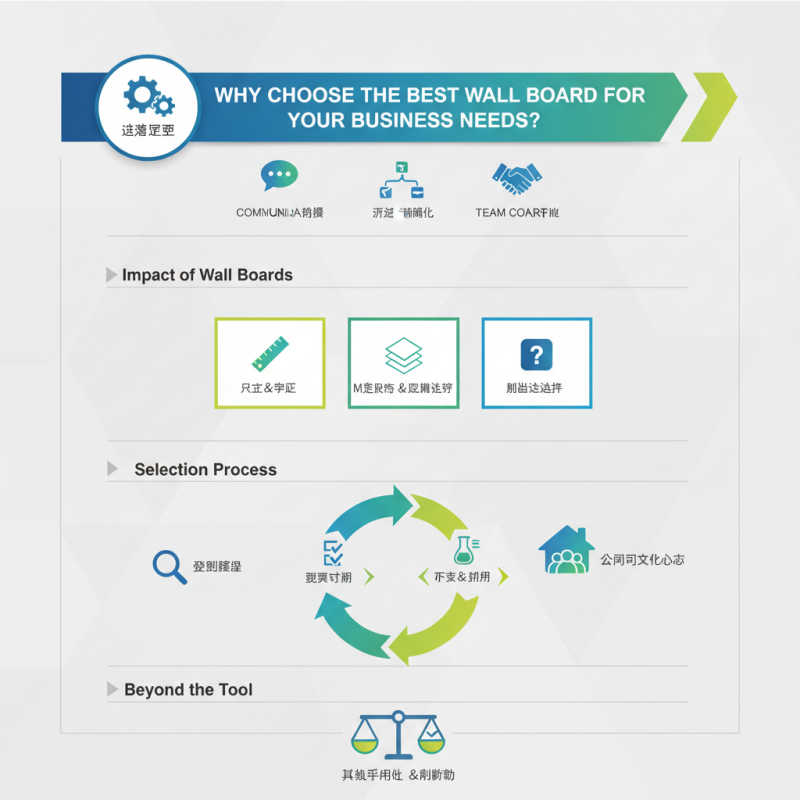
Choosing the right Wall Board can significantly impact your business operations. It's not just about aesthetics; function matters too. A suitable Wall Board can enhance communication, streamline processes, and improve teamwork. Businesses often overlook this aspect, leading to suboptimal outcomes.
The best Wall Board meets unique needs. It has to fit seamlessly into the workspace and foster a collaborative environment. This requires a thoughtful approach. Consider how employees will interact with it. A poorly chosen Wall Board may cause frustration or disengagement. So, careful selection is essential.
Evaluating Wall Boards takes time and attention. Factors like size, material, and functionality should be considered. You might find that the perfect solution isn’t obvious. Test different options to see what works best. Making the right choice can elevate your team's productivity and morale. After all, a Wall Board is more than a tool; it's a part of your company culture. Balancing practicality with innovation is key.
Understanding the Different Types of Wall Boards Available for Businesses
When considering wall boards for business, it’s essential to understand the different types available. Wall boards come in various materials, such as cork, whiteboard, and digital displays. Each type serves distinct purposes and environments. According to a recent industry report, companies using digital wall boards see a 30% increase in employee engagement. These engaging visual aids foster communication and collaboration.
Cork boards are cost-effective and sustainable. They provide a versatile option for teams tasked with brainstorming. However, they require physical effort to pin documents, which can lead to inefficiencies. A study found that 40% of employees prefer digital solutions to cut down on time spent switching between tasks. Whiteboards, on the other hand, offer a quick solution for meetings. Yet, they come with maintenance issues, such as ghosting if not cleaned regularly.
The choice of wall board influences workplace dynamics. Each type presents pros and cons that require careful consideration. Companies must reflect on their specific needs and how each wall board type aligns with their goals. Picking the wrong board can reflect poorly on a team's efficiency. Understanding these nuances is vital for making an informed decision.
Why Choose the Best Wall Board for Your Business Needs? - Understanding the Different Types of Wall Boards Available for Businesses
| Type of Wall Board |
Material |
Common Uses |
Advantages |
Disadvantages |
| Magnetic Whiteboard |
Steel and Enamel |
Office Meetings, Planning |
Durable, Reusable, Multi-functional |
Can be heavy, Expensive |
| Flip Chart |
Paper and Stand |
Brainstorming Sessions |
Portable, Easy to use |
Single-use sheets, Less interactive |
| Cork Board |
Cork and Wood |
Bulletin Boards |
Easy pinning, Lightweight |
Can wear out quickly, Limited display size |
| Chalkboard |
Slate or Coated Metal |
Education, Workshops |
Inexpensive, Reusable |
Dusty, Limited colors |
| Digital Display Board |
LED or LCD |
Presentations, Timetables |
High visibility, Dynamic content |
High cost, Technical issues |
Key Factors to Consider When Choosing a Wall Board for Your Business
When selecting a wall board for your business, focus on key factors that meet your needs. Material is critical. Consider if you need a board that is durable or one that can easily be modified. A flexible wall board can adapt to changing requirements over time, which many businesses find beneficial.
The size and layout of your space should be assessed next. Measure carefully. Ensure that the board fits well within the designated area. It should neither overpower the space nor feel inadequate. Think about how many visual aids or notes you'll typically have on display.
Another consideration is the ease of installation. Some boards require tools or professional assistance, while others are user-friendly. You might think you can handle the installation alone, but unexpected challenges can arise. Reflect on past experiences. Sometimes, seeking help might be the best route to avoid unnecessary stress.
Benefits of High-Quality Wall Boards for Enhancing Workplace Productivity
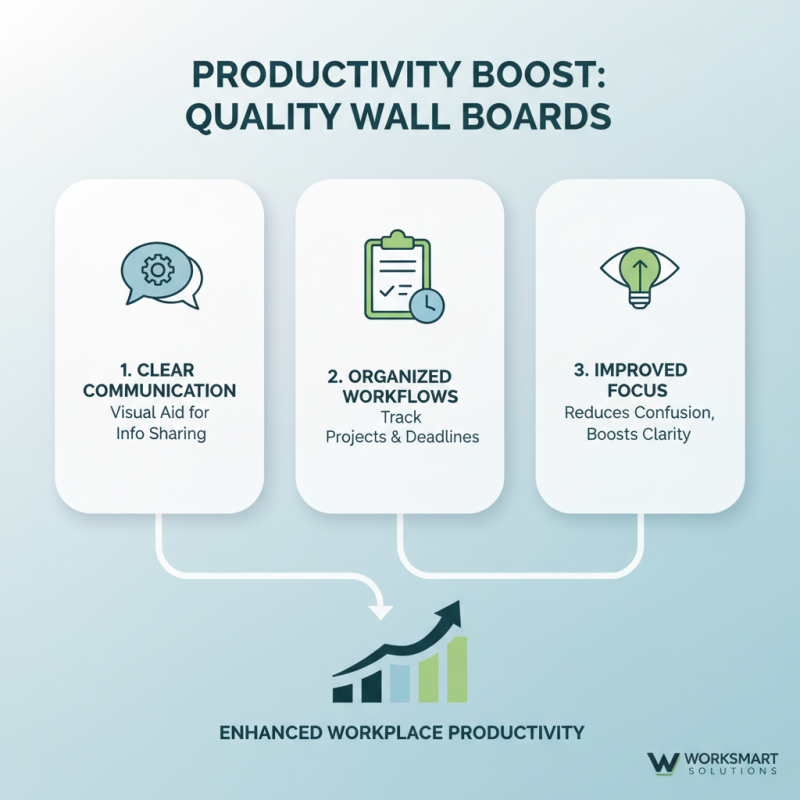
High-quality wall boards can significantly enhance workplace productivity. They serve as vital tools for communication and organization. In busy environments, clear visibility is crucial. A well-designed wall board ensures that important information is easily accessible. Teams can track projects and deadlines effectively. This visibility reduces confusion and improves focus.
Moreover, wall boards can foster collaboration. When everyone can see updates, brainstorming becomes more dynamic. This sense of shared knowledge can boost morale. However, some workplaces struggle to utilize these boards fully. Employees may overlook updates or fail to engage. It's essential to create a culture that encourages interaction with these boards.
Investing in quality wall boards reflects a commitment to a productive environment. Yet, businesses should regularly assess their effectiveness. Are employees using them as intended? Are the boards updated frequently? Solicit feedback to improve their utility. The goal is to create an organized, transparent workspace. A wall board should facilitate communication, not hinder it.
Cost-Effectiveness of Investing in the Best Wall Boards for Your Needs
Investing in the right wall boards can significantly impact a business’s operational efficiency. Cost-effectiveness often reigns supreme in any budgeting decision. According to a report by Research and Markets, businesses that choose quality wall boards see a return on investment (ROI) of up to 30% over five years. These boards are durable and can withstand daily wear and tear, reducing the need for frequent replacements.
Selecting the best wall boards also enhances workspace aesthetics. Visually appealing environments boost employee morale and productivity. The same report highlights that employee productivity can increase by 15% in well-designed workspaces. However, businesses sometimes overlook initial costs when focusing solely on cheaper options. This can lead to higher expenses from replacements and maintenance.
Tip: When choosing wall boards, consider their long-term value rather than just upfront costs. Keep an eye on warranties and durability ratings, as these can offer insights into overall reliability and performance.
Another tip is to assess how these boards will fit into your current workspace. Gathering feedback from employees on preferred styles can align both functionality and aesthetics. This approach may uncover unexpected needs and lead to a more thoughtful investment.
How to Properly Install and Maintain Your Selected Wall Board Options
Choosing the right wall board is essential for any business. Proper installation and maintenance can significantly affect its durability and overall performance. A report from the National Association of Home Builders indicates that improper installation can reduce the lifespan of wall boards by up to 30%. It highlights the importance of not only selecting quality materials but also ensuring they are correctly installed.
When you install wall boards, begin with a clean and dry surface. Dust and moisture can lead to complications. The industry standard suggests using specific adhesives or fasteners suitable for the wall board type. It’s critical to follow manufacturer guidelines. For example, missed steps in the installation process can compromise structural integrity. Reports suggest that around 15% of installations fail due to overlooked details.
Maintenance is equally vital. Regular inspections can help identify issues early. Signs of wear should not be ignored. Experts recommend checking for cracks or water damage at least twice a year. If neglected, minor issues can escalate, leading to costly repairs. The data indicates that proactive maintenance reduces repair costs by nearly 40%. Using the right approach ensures your wall boards serve their intended purpose effectively.
Wall Board Utilization in Business Environments



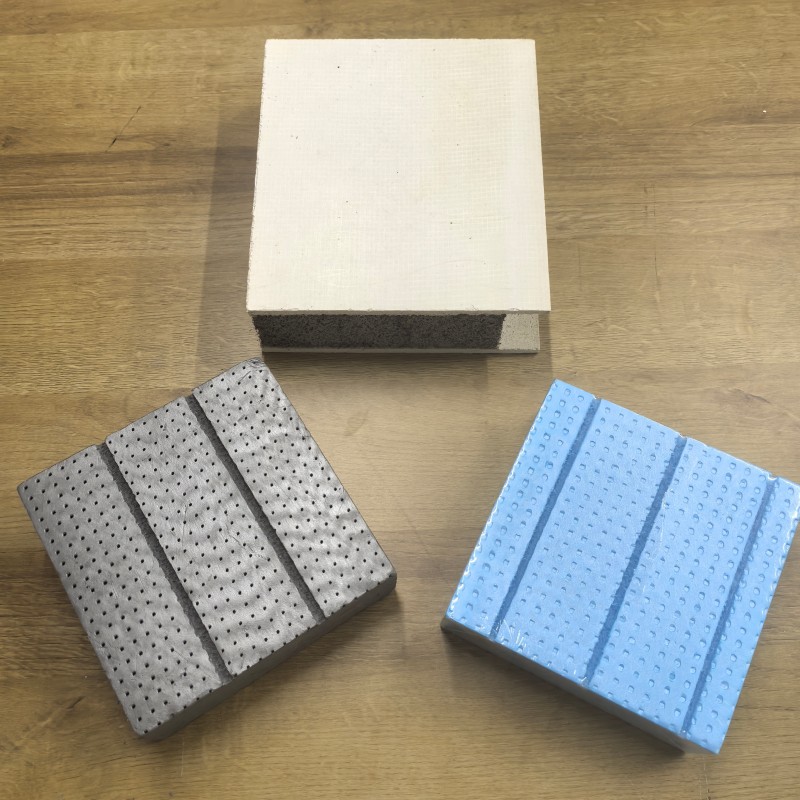 Environmental Building Board
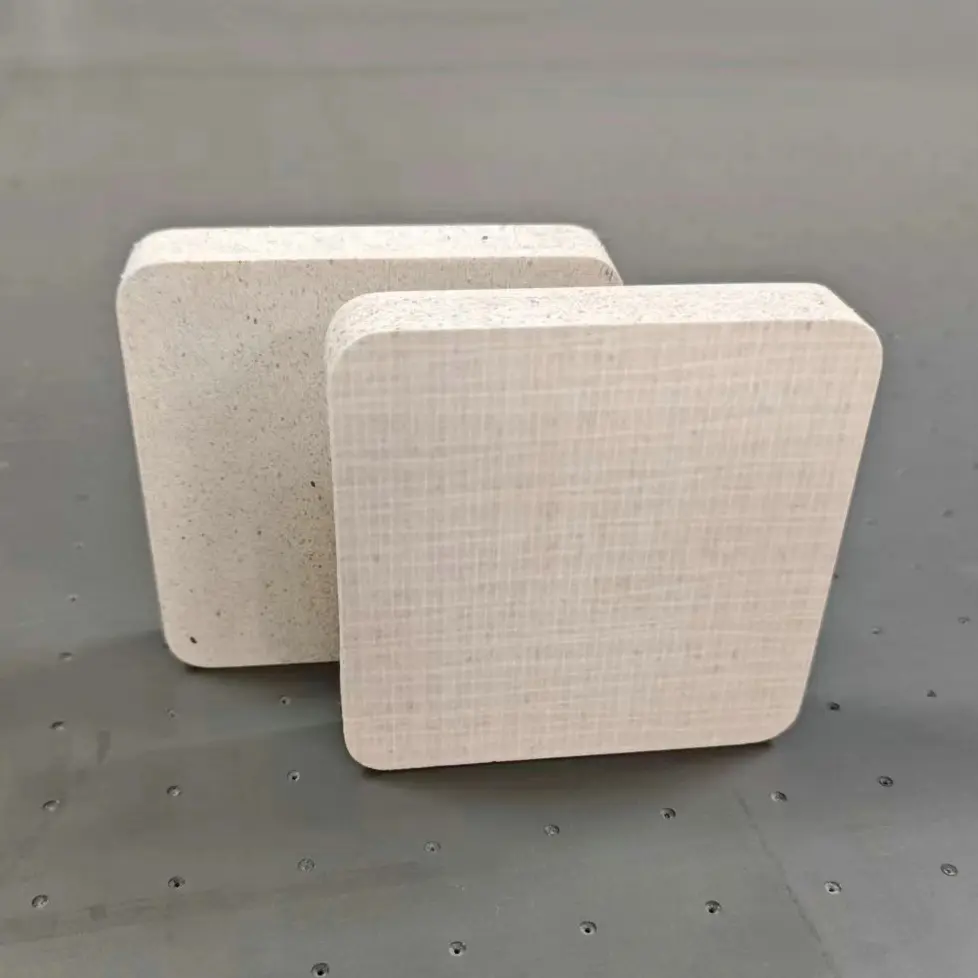 Fire-proof Board
 Sound Resistance
 Termite Resistance