How to Choose Sound Absorbing Glass Wool for Your Project?
Choosing the right materials for acoustic insulation is crucial for any project. Among these materials, Sound-Absorbing Glass Wool stands out due to its effectiveness in noise reduction. Dr. Emily Carter, a leading expert in soundproofing solutions, emphasizes, "Selecting appropriate sound-absorbing materials is key to achieving optimal acoustic performance."
When considering Sound-Absorbing Glass Wool, several factors come into play. Its density and thickness significantly affect its sound absorption capabilities. Many assume all glass wool is created equal, but that's far from the truth. Variations in composition and production processes can lead to different performance levels.
Understanding your project's unique acoustic needs is essential. For example, commercial spaces may require higher specifications compared to residential areas. Many overlook the importance of installation quality, which can impact overall effectiveness. Remember, Sound-Absorbing Glass Wool can be a game changer, but its success hinges on informed, thoughtful selection.
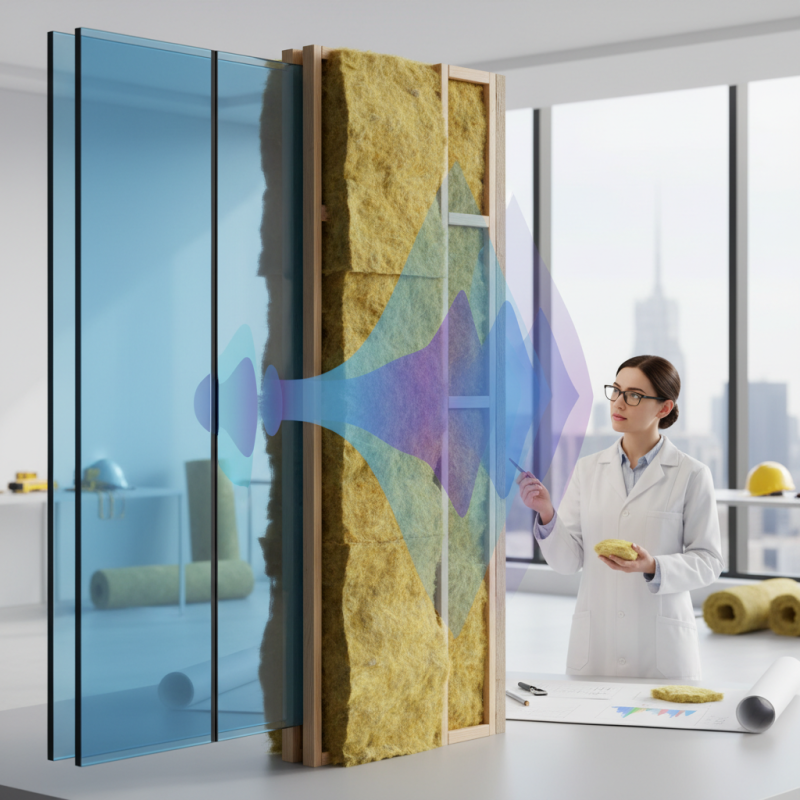
Factors to Consider When Selecting Sound Absorbing Glass Wool
When selecting sound absorbing glass wool, several factors come into play.
First, consider the acoustic performance rated in terms of Noise Reduction Coefficient (NRC).
An NRC value of 0.85 indicates the material absorbs 85% of sound waves hitting it. This statistic is crucial for spaces requiring significant noise control, such as offices and recording studios.
Density is another important aspect. Higher density glass wool tends to perform better acoustically.
Products range from low-density at 10 kg/m³ to high-density options exceeding 50 kg/m³.
A report from the Acoustical Society of America suggests that higher density correlates with better sound absorption.
Additionally, the thickness of the material matters. Generally, thicker panels provide improved sound dampening.
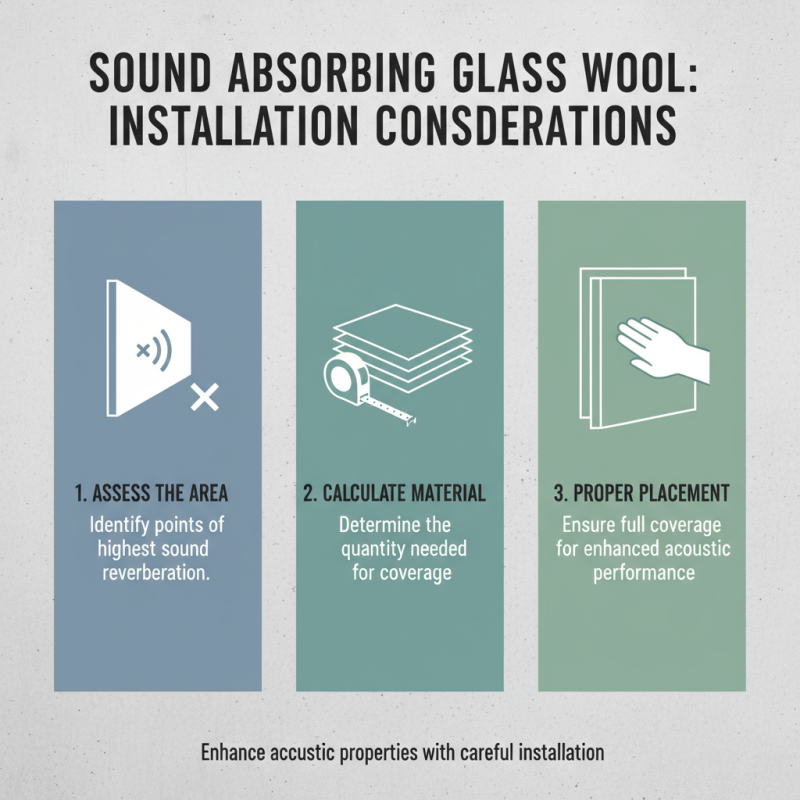
Installation type can also influence effectiveness. The arrangement and coverage affect the overall acoustic system.
Consequently, many users overlook proper installation, resulting in subpar performance.
The aesthetic design should not overrule functionality.
While glass wool can be covered with fabric, this may reduce sound absorption.
Balancing aesthetics and performance is essential for achieving desired outcomes.
Understanding Different Types of Sound Absorbing Glass Wool Products
When exploring sound absorbing glass wool products, understanding the diversity is key. These materials are designed for various applications, from industrial settings to home renovations. The two main types are batts and boards, each serving distinct purposes. Batts are flexible and easy to install. They fit snugly between studs and rafters. Boards, on the other hand, offer rigidity and can be used in more demanding environments.
One might encounter challenges when choosing the right product. The density of glass wool significantly affects sound absorption. Higher density options provide better soundproofing but can be more expensive. It’s essential to consider the specific needs of your project. Think about the type of noise you aim to reduce. Is it impact noise or airborne sound? Each type of noise requires different absorption strategies.
Many users overlook the importance of fire resistance in glass wool. Most products are non-combustible, but not all have the same rating. Be sure to check. Additionally, air quality is affected by the fibers in glass wool. Some may release particles over time. Conduct research on ventilation and safety measures. Ultimately, understanding these factors leads to wiser choices in sound absorbing solutions.
Sound Absorbing Glass Wool Performance Comparison
Evaluating Performance Specifications for Acoustic Insulation
When evaluating sound absorbing glass wool for acoustic insulation, it's crucial to consider specific performance specifications. These specifications often include Noise Reduction Coefficient (NRC) and Sound Transmission Class (STC). For instance, glass wool typically offers an NRC rating between 0.7 to 1.0, indicating its efficiency in absorbing sound.
Acoustic performance is significant in various settings, such as offices and studios. Research shows that an NRC of 0.9 can reduce noise levels significantly, enhancing work productivity. According to the Building and Construction Authority, the proper insulation can decrease sound levels by up to 50%. This reduction is not merely numerical; it affects how spaces are utilized and experienced.
Evaluating standards and certifications is crucial. Material testing should adhere to ASTM and ISO norms. Look for products that provide detailed test results. Many manufacturers do not disclose all relevant data, which can be misleading. Validate such claims through independent sources if necessary. This reflection on available information ensures informed decision-making, potentially saving time and resources in the long run.
Assessing Cost-Effectiveness and Budget for Your Project
When assessing cost-effectiveness for sound absorbing glass wool, it's crucial to evaluate both material and installation costs. According to a report from the International Journal of Sustainable Construction Engineering and Technology, the average cost of glass wool insulation ranges from $0.15 to $0.70 per square foot. This variation often depends on thickness and density. Effective budgeting requires analysis of these factors.
Installation labor can also significantly impact your total budget. Studies indicate labor expenses can account for up to 40% of total installation costs. Therefore, simplifying the installation process through pre-cut options may reduce labor hours. Taking time to consider your specific project needs can help fine-tune these expenses.
Remember that while lower initial costs might seem appealing, evaluating long-term energy savings is essential. Sustainable options typically lead to a reduction in energy bills. Some sources estimate that high-quality sound-absorbing materials can lower expenses by up to 30% in the long run. It's a balancing act between upfront and recurring costs.



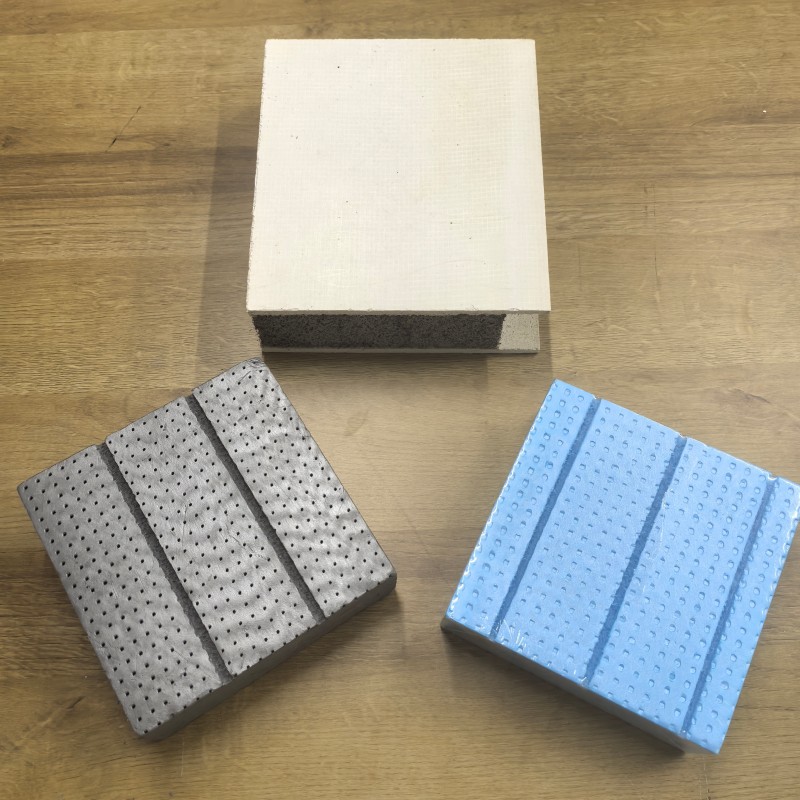 Environmental Building Board
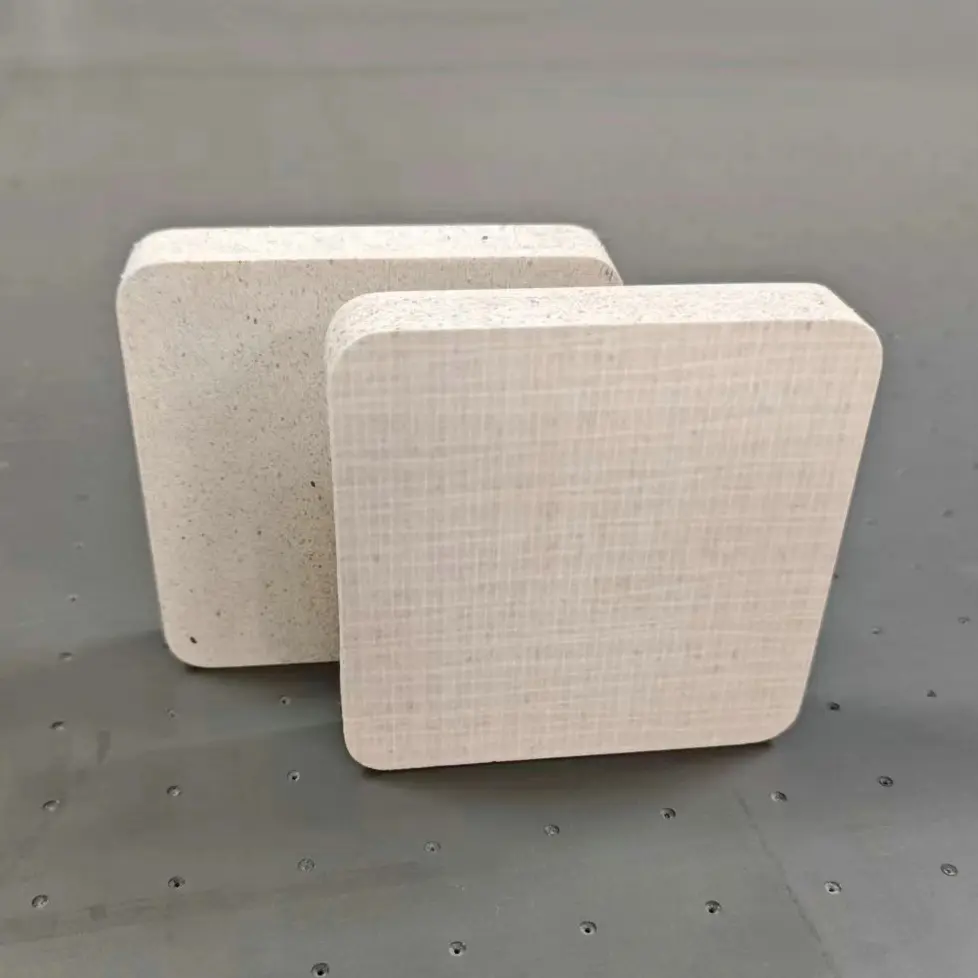 Fire-proof Board
 Sound Resistance
 Termite Resistance