How to Choose Non-Toxic Board for Safe Home Projects?
In today’s world, choosing the right materials for home projects is crucial. Many homeowners are unaware of the potential dangers of toxic materials. Research by the Environmental Protection Agency indicates that indoor air can be two to five times more polluted than outdoor air. This highlights the importance of selecting a Non-Toxic Board for your home.
Non-Toxic Boards are designed to minimize harmful emissions and provide safer environments. According to recent studies, approximately 40% of homes use products that release volatile organic compounds (VOCs). These substances can lead to health issues such as respiratory problems and allergies. Thus, opting for Non-Toxic Boards can significantly reduce these risks.
Choosing the right type of Non-Toxic Board can be challenging. Not all products labeled as "non-toxic" meet safety standards. It's essential to research certifications like Greenguard or CARB compliance. A thorough understanding of these standards will help ensure you select safe, reliable products for your home projects. This attention to detail can protect your family’s health and well-being.
Understanding the Importance of Non-Toxic Materials in Home Projects
When embarking on home projects, using non-toxic materials is crucial for health and safety. A 2021 study by the Environmental Protection Agency (EPA) indicated that indoor air quality can be up to five times more polluted than outdoor air. Many conventional boards contain harmful chemicals like formaldehyde, which may emit dangerous volatile organic compounds (VOCs). Prolonged exposure to these toxins can lead to respiratory issues and other health problems.
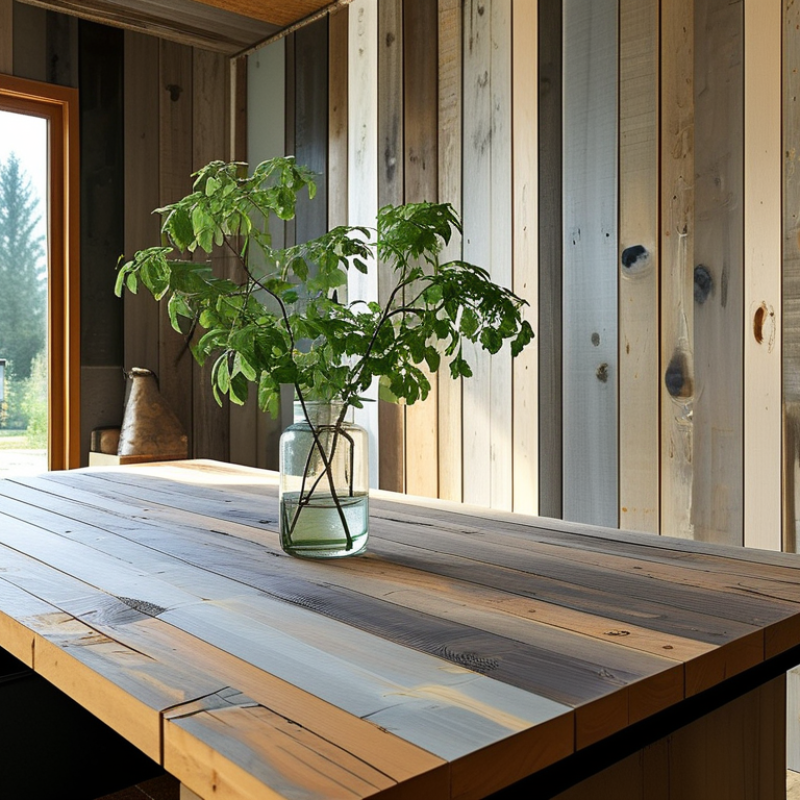
In contrast, non-toxic boards, such as those made from reclaimed wood or organic materials, present a safer alternative. A report from the Green Building Council stated that building with non-toxic materials can reduce harmful emissions by up to 70%. Additionally, using sustainable materials promotes better environmental practices. These boards not only protect our health but also contribute to a healthier planet.
However, choosing the right materials requires careful research. Non-toxic does not always mean completely safe. Some materials labeled as “eco-friendly” may still use chemicals in their production. It's essential to verify certifications and test results. The materials' sourcing and manufacturing processes matter too. Consider obtaining samples and reading product specifications. This ensures informed decisions that prioritize the safety of both your home and the environment.
Identifying Common Toxic Materials in Conventional Boards
In many home projects, conventional boards often contain toxic materials. These substances can pose health risks to occupants. Commonly found toxic components include formaldehyde, heavy metals, and volatile organic compounds (VOCs). Formaldehyde, for instance, is frequently used in particle board and plywood. The EPA reports that indoor levels of formaldehyde are typically higher than outdoor levels, leading to increased exposure.
Heavy metals like lead and cadmium can also leach from some boards. Prolonged exposure to these elements has been linked to various health problems. A study conducted by the CDC revealed that even low-level exposure could contribute to developmental delays in children. It's crucial to be mindful of these hazards when selecting materials for home improvement.
VOCs, on the other hand, are emitted from several traditional building materials. These compounds can cause respiratory issues and other health problems. In a recent report from the World Health Organization, it was found that poor indoor air quality, often driven by VOCs, is a significant health concern. Making informed choices about board materials can lead to safer living environments.
Evaluating Eco-Friendly Board Options: Types and Benefits
When exploring eco-friendly board options, several materials stand out for their non-toxic properties. Plywood is often a top choice due to its strength and versatility. Look for types made with formaldehyde-free adhesives. This helps ensure lower indoor air pollution levels. Bamboo is another great alternative; it grows quickly and absorbs a lot of carbon dioxide, making it sustainable. Its unique texture also adds aesthetic appeal.
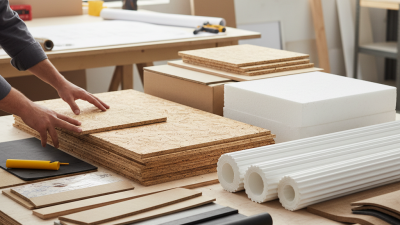
Another option is oriented strand board (OSB). Its production utilizes larger wood strands, minimizing waste. However, be cautious, as some types may still contain harmful chemicals. Recycled wood products provide a fantastic way to repurpose materials, promoting sustainability. They often retain the natural character and charm of the wood, though their durability can vary.
Consider your project's specific needs. Are you prioritizing durability or aesthetics? Reflecting on these questions can guide your decision. While many eco-friendly boards exist, not all are created equal. Always research the origin and treatment of materials before making your choice. Balancing safety and style in your projects can lead to a more conscious and fulfilling build.
How to Choose Non-Toxic Board for Safe Home Projects? - Evaluating Eco-Friendly Board Options: Types and Benefits
| Board Type |
Material Source |
Toxicity Level |
Sustainability |
Benefits |
| Plywood |
Wood from sustainable forests |
Low |
High |
Versatile and lightweight |
| MDF (Medium Density Fiberboard) |
Reclaimed wood fibers |
Moderate |
Moderate |
Smooth surface for finishing |
| OSB (Oriented Strand Board) |
Fast-growing wood strands |
Low |
High |
Cost-effective and strong |
| Bamboo Board |
Bamboo grass |
Very Low |
Very High |
Highly renewable and durable |
| HDF (High-Density Fiberboard) |
Recycled wood materials |
Low |
High |
Sturdy and moisture resistant |
Assessing Certification Standards for Non-Toxic Boards
When selecting non-toxic boards for home projects, certification standards play a crucial role. These standards ensure the materials are safe for indoor use. Look for certifications such as the Greenguard Certification and the Forest Stewardship Council (FSC) label. These marks indicate that products meet specific environmental and health criteria. They reduce volatile organic compounds (VOCs) that can harm air quality.
However, not all certifications are created equal. It’s important to do your research. Some labels may sound convincing but may not guarantee safety. Examine the testing methods and the criteria they follow. Transparency in the certification process is a good sign of reliability. Ask questions if the information isn’t readily available.
Choosing non-toxic boards can be overwhelming. You may find conflicting information about some products. Sometimes, even certified boards might not meet your specific needs. Additionally, your understanding of what “non-toxic” means might change as you learn more. Always be willing to adjust your criteria and seek updated information. Safe choices will provide a healthier environment for you and your family.
Cost-Benefit Analysis of Non-Toxic vs. Conventional Board Choices
When considering non-toxic board options for home projects, it's essential to analyze costs carefully. Non-toxic boards, often made from sustainable materials, can have a higher upfront price. However, their long-term benefits may outweigh initial investments. One major advantage is improved indoor air quality. Traditional boards can emit harmful VOCs. This can pose health risks over time.
Looking deeper into the cost-benefit aspect, consider maintenance costs. Non-toxic boards may require less frequent replacement. This means potential savings in the long run. They also contribute to a healthier environment, both inside and outside your home. However, it’s vital to ensure that the non-toxic option meets your specific needs. Sometimes, lower-cost alternatives may suffice for certain projects.
Despite these advantages, ponder the availability of non-toxic materials in your area. Accessibility can sometimes drive prices up. Additionally, the aesthetic and functional qualities may vary. You might find that some non-toxic boards offer limited styles. Balancing these factors will help guide your choice. Therefore, thoughtful evaluation is key before making a purchase.
Cost-Benefit Analysis of Non-Toxic vs. Conventional Board Choices



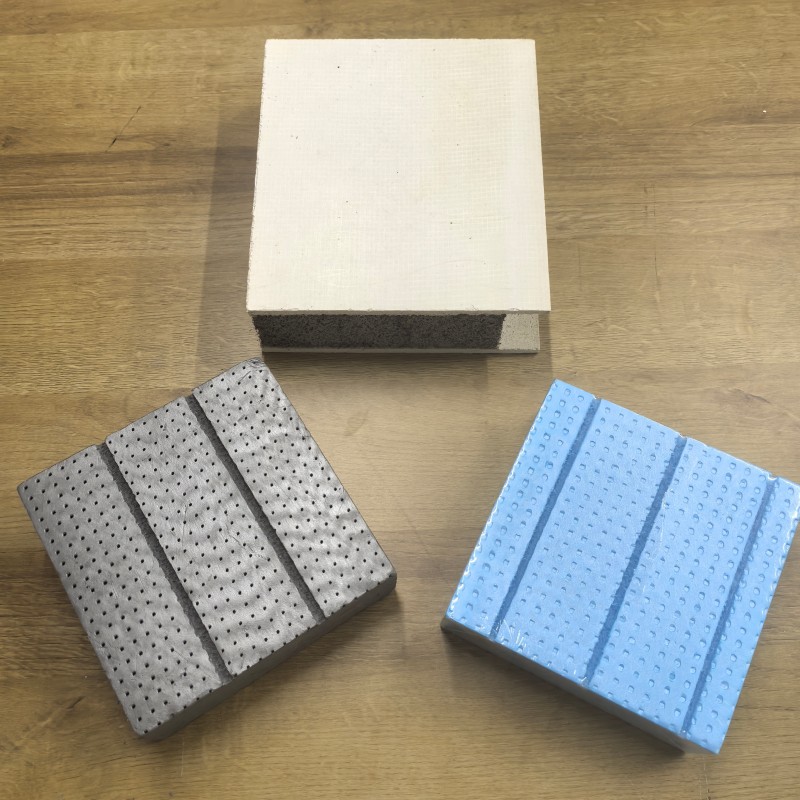 Environmental Building Board
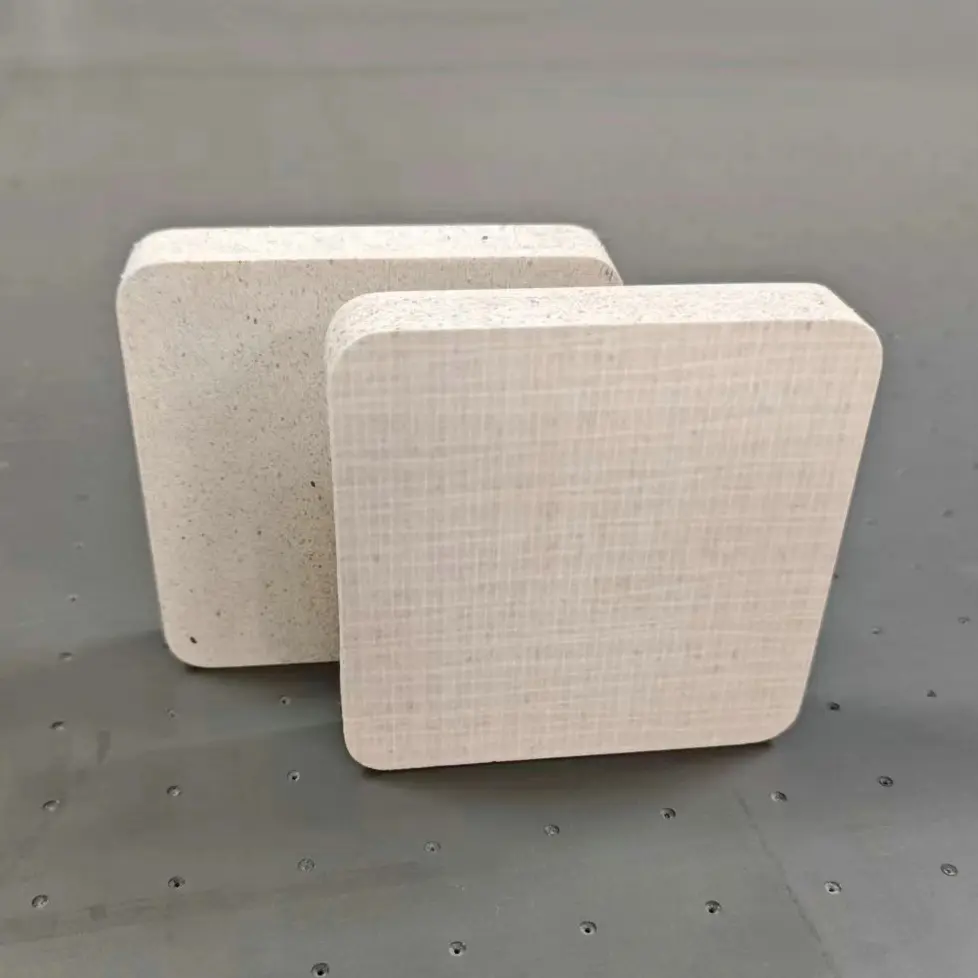 Fire-proof Board
 Sound Resistance
 Termite Resistance