How to Choose the Right Protective Board for Your Needs?
Choosing the right Protective Board can significantly impact your projects. Whether for construction, art, or crafts, the right board ensures durability and safety. There are many options available, each serving different needs.
Understanding the specific use case is crucial. Different materials offer varying levels of protection. For example, plywood is strong but can be heavy. Foam boards are lightweight yet less durable. Evaluate your requirements carefully.
Lack of awareness about board types can lead to poor choices. Not considering the environment may result in damage. Take time to research and ask for expert opinions. Balancing cost and quality is essential. An informed decision can save you time and money in the long run.
Understanding the Different Types of Protective Boards Available
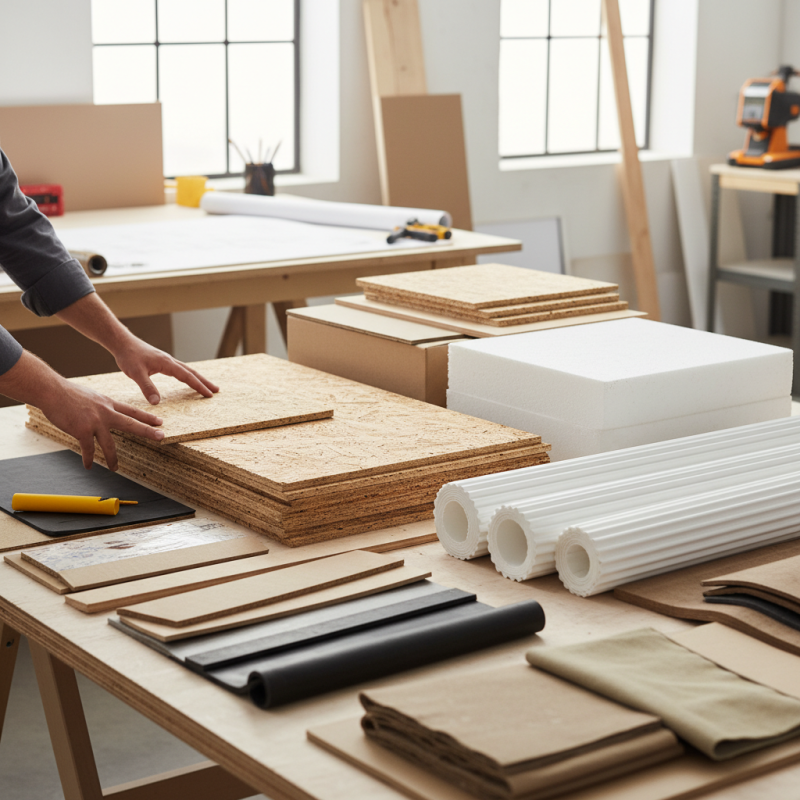
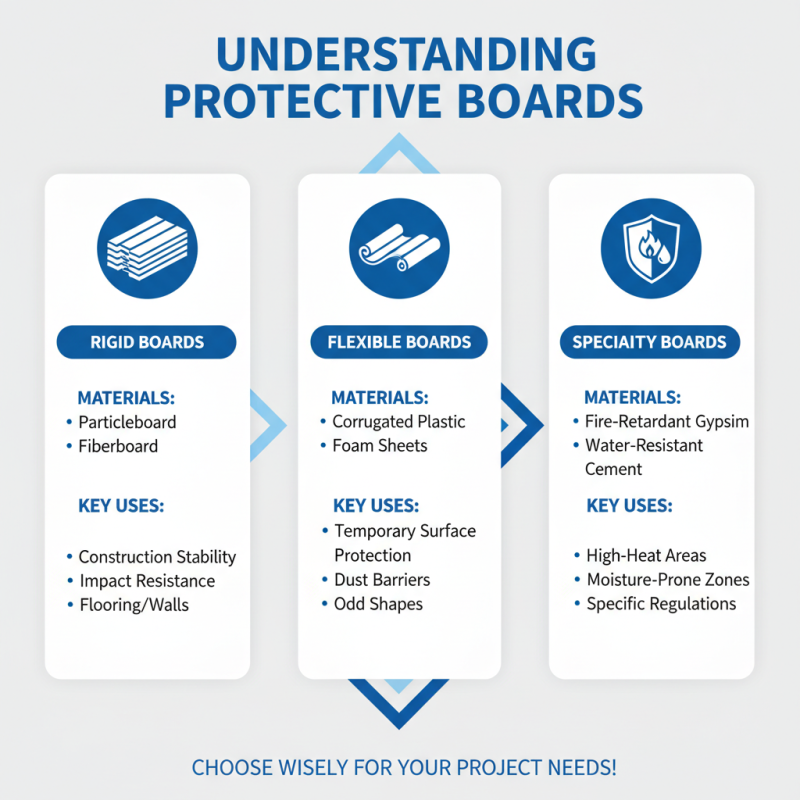
Choosing the right protective board is crucial for various applications, including construction, manufacturing, and home improvement. Understanding the types available can make this choice easier. Rigid boards, for instance, are often made from materials like particleboard or fiberboard. They are ideal for providing stability and resistance to impacts.
According to industry reports by the Building Materials Council, lightweight options like foam boards are gaining popularity. They are versatile and easy to handle. Their thermal insulation properties also offer energy efficiency, which can be a substantial benefit in specific projects. However, they can lack the durability of their rigid counterparts and might not be suitable for heavy-duty applications.
Another variant is the mineral board, known for its fire-resistant characteristics. This type is necessary in areas with strict safety regulations, such as commercial kitchens and industrial platforms. Nonetheless, they can be more expensive and may pose installation challenges. Understanding these nuances helps in making an informed choice, directing your attention to the specific requirements of your project.
Assessing the Specific Needs of Your Project or Application
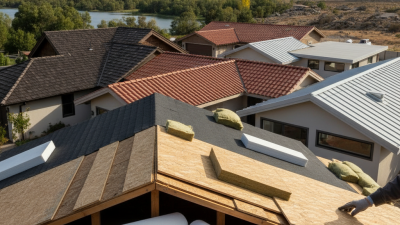
When selecting a protective board, understanding your project's specific requirements is crucial. Factors like material type, thickness, and durability can greatly influence your choice. Each project has unique demands. For instance, if you're working on outdoor applications, consider boards that resist moisture and UV damage. Alternatively, if the board will be used indoors, lighter materials might suffice.
Tips: Start by defining the environment where the board will be installed. High-traffic areas need tougher materials. Consider fire resistance and impact protection for long-term use.
Visualize the end result. Will the board be visible or hidden? Aesthetic considerations may play a role in your choice. Measure the board's dimensions accurately. An improper fit can lead to waste. Reflect on past experiences. Did you choose wisely last time? Sometimes, trial and error leads to the best insights.
How to Choose the Right Protective Board for Your Needs?
| Property |
Description |
Recommended Use |
| Material |
Lightweight yet durable materials such as polyethylene or fiberglass |
Ideal for general construction, outdoor applications, and where impact resistance is required |
| Thickness |
Varies; typically ranges from 1/4 inch to 1 inch |
Choose based on the level of protection needed against physical impacts |
| Moisture Resistance |
Waterproof or water-resistant features for prolonged durability |
Essential for applications exposed to wet or humid environments |
| Weight |
Lightweight options ease handling and installation |
Recommended for projects requiring frequent relocation or setup |
| Fire Resistance |
Material characteristics that resist burning or slow fire travel |
Necessary for applications in areas requiring compliance with fire safety regulations |
| Cost |
Price range varies based on material and specifications |
Evaluate budget vs. essential features for cost-effective solutions |
Evaluating Material Properties and Durability of Protective Boards
When selecting a protective board, it’s essential to evaluate material properties carefully. Different materials offer varying degrees of protection, depending on your needs. For instance, some boards are excellent for moisture resistance, while others may excel in impact durability. Understanding these properties can help avoid costly mistakes.
Look into weight tolerance and flexibility as well. A thicker board may offer better durability, but can it fit your space? Some boards may flex under stress, which could lead to failure. This balance between strength and adaptability is crucial for effective use. Don’t overlook potential wear and tear over time.
Also, consider environmental factors. Will the board be exposed to extreme temperatures or UV light? These conditions can degrade materials faster than expected. Reflect on your specific environment and usage scenarios. This initial evaluation can save you from frequent replacements. Making an informed choice now helps ensure the longevity of your protective solutions.
Material Properties and Durability of Protective Boards
This chart illustrates the comparison of various material properties and durability ratings of different types of protective boards. The data indicates the tensile strength (MPa) and water resistance (hours) of each material.
Comparing Cost-Effectiveness of Various Protective Board Options
Choosing the right protective board can significantly impact both your budget and effectiveness. Various options are available, each with different cost structures and benefits. It's essential to compare these options to find the most cost-effective solution for your needs.
When evaluating protective boards, consider material quality and durability. Some boards may be cheaper but lack longevity. This can lead to more frequent replacements, increasing overall costs. A mid-range option may offer better durability at a reasonable price.
Tips: Always assess repair and maintenance needs. Boards requiring frequent repairs may become
more expensive over time. Look for user reviews on durability.
Another aspect to consider is performance. Certain boards provide better insulation or impact resistance. This can prove vital in specific applications.
Inadequate protection may lead to damages, negating any initial cost savings.
Tips: Analyze your specific requirements and test boards whenever possible. Understanding your environment can help you make a more informed decision. It’s crucial to think long-term rather than focusing solely on the initial price.
Installation and Maintenance Considerations for Protective Boards
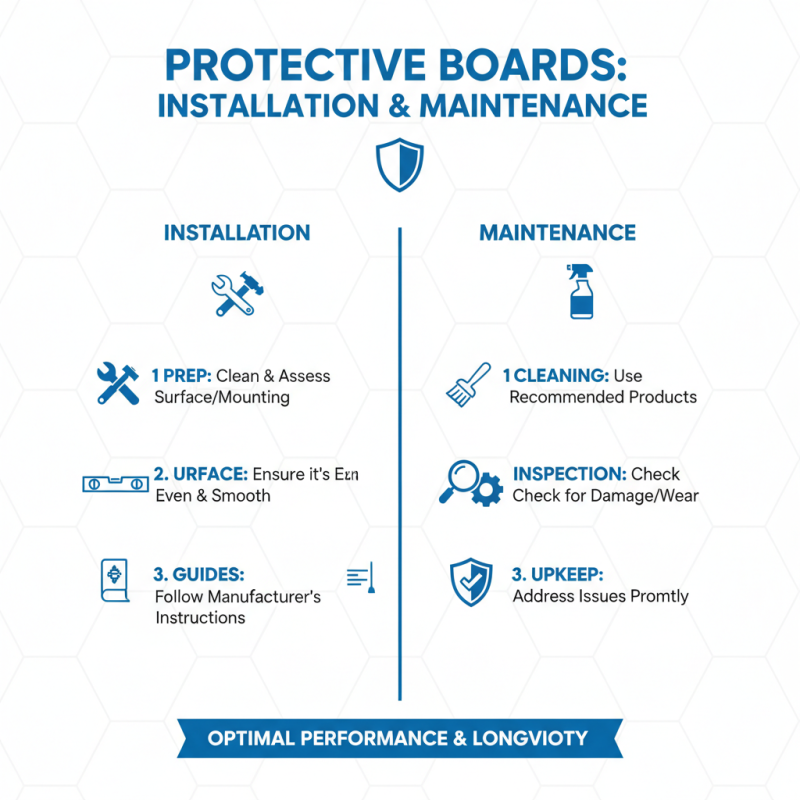
When selecting a protective board, installation and maintenance are crucial factors. Proper installation can significantly affect the board's effectiveness. An uneven surface can lead to poor performance and damage over time. Before you start, ensure the area is clean and assess the mounting options available. Some boards require specific tools or techniques, which may not always be intuitive. Follow the manufacturer's guidelines closely, as they hold the key to optimal setup.
Maintenance often gets overlooked but is vital. Regular inspections can catch wear and tear before it escalates. Look for cracks, chips, or stains that may compromise the board's integrity. Cleaning the surface regularly can prevent buildup that leads to deterioration. Choosing easy-to-maintain materials can save time and effort in the long run. Remember, the goal is to protect, not complicate. If you find yourself constantly repairing or replacing, it might indicate a need for adjustment in your selection process. Reflect on the choices made; sometimes, a small change can make a big difference.



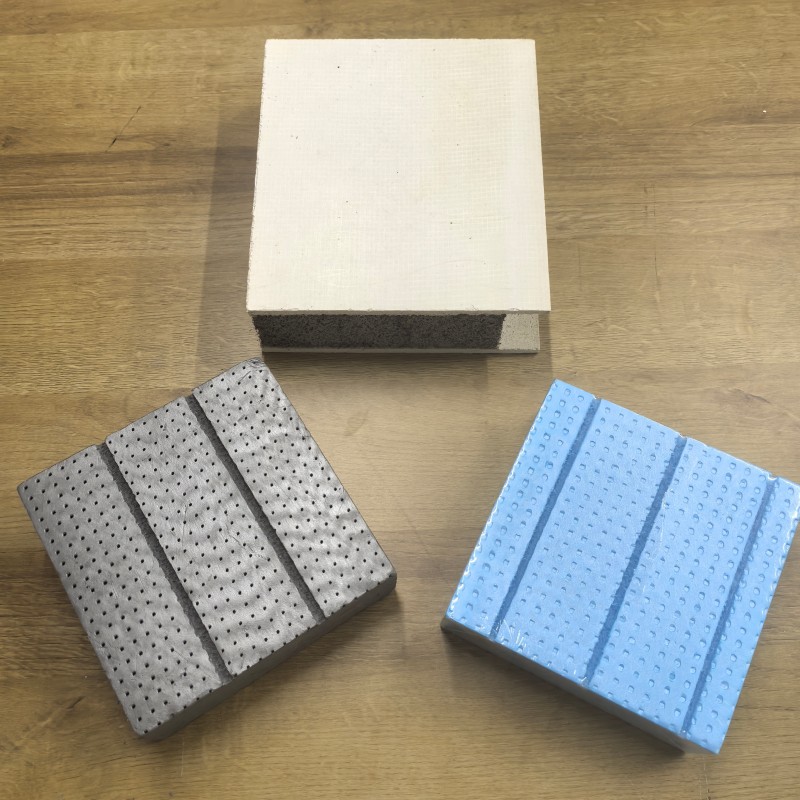 Environmental Building Board
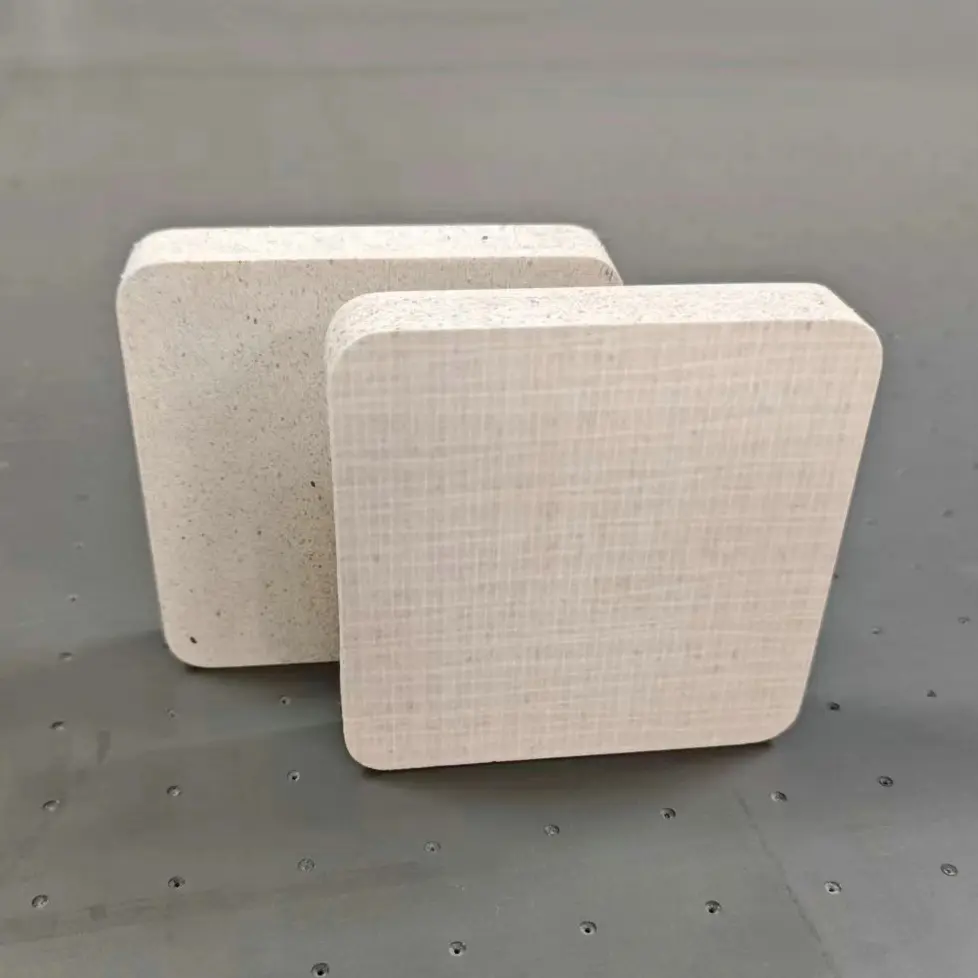 Fire-proof Board
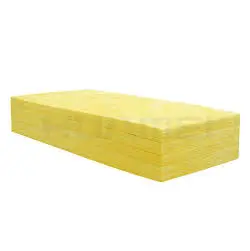 Sound Resistance
 Termite Resistance