What is Mgo Board and Why is it Popular in 2026?
In recent years, Mgo Board has gained significant attention in construction and design. By 2026, its popularity is set to rise even further. Industry expert Dr. Emily Carter has noted, “Mgo Board is transforming how we think about sustainable building materials.” This statement reflects the innovative qualities of Mgo Board that align with eco-friendly construction practices.
Mgo Board, or magnesium oxide board, stands out for its durability and versatility. It is resistant to fire, moisture, and pests, making it an ideal choice for various applications. With organizations prioritizing green building solutions, Mgo Board has become a go-to material. Its lightweight nature allows for easier installation, which appeals to both builders and DIY enthusiasts.
However, challenges exist in the broader adoption of Mgo Board. Limited awareness among consumers may hinder its potential. Additionally, some may question its long-term performance compared to traditional materials. Despite these obstacles, the ongoing advancements in Mgo Board technology suggest a promising future.
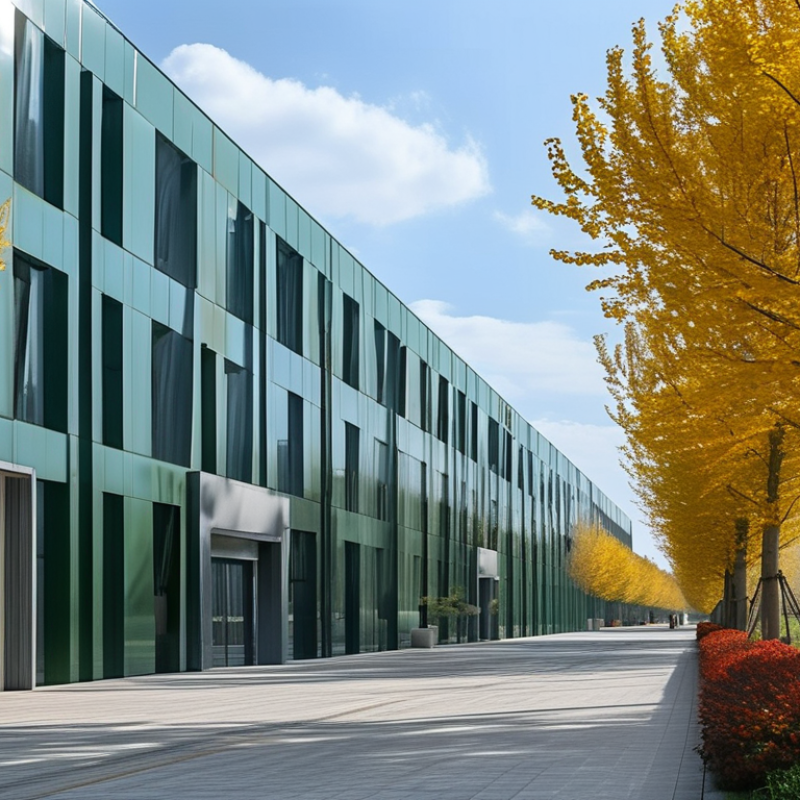
What is Mgo Board?
Mgo board, a composite material made from magnesium oxide, is gaining traction. Its unique properties stand out in construction. Reports indicate that the global market for Mgo boards is projected to reach approximately $1.5 billion by 2026. This growth underscores its increasing acceptance in the industry.
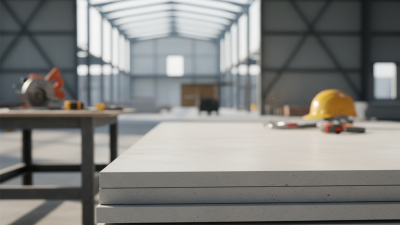
Mgo boards offer impressive fire resistance. They can withstand high temperatures without emitting toxic fumes. This quality makes them ideal for fire-rated applications. Moreover, they are lightweight and easy to install, which speeds up the construction process. Research from industry experts highlights that Mgo boards are becoming preferable for both residential and commercial projects.
However, not all aspects are perfect. Some users report issues with moisture absorption, which can impact long-term performance. This has sparked debates among builders. While Mgo boards offer many benefits, they require careful handling and installation. Continuous assessment of their application in various environments is necessary to ensure reliability.
What is Mgo Board and Why is it Popular in 2026?
| Dimension |
Data |
| Material Composition |
Magnesium Oxide, Fiber Reinforcement |
| Thickness Options |
6mm, 12mm, 20mm |
| Fire Resistance Rating |
Class A |
| Water Resistance |
Highly Water Resistant |
| Eco-Friendliness |
Non-Toxic, Recyclable |
| Applications |
Wall Panels, Flooring, Roofing |
| Growth in Popularity (2026) |
Increased Demand in Construction Industry |
Key Properties and Benefits of Mgo Board
Magnesium oxide board, commonly known as Mgo board, is gaining traction in construction since 2026. Its lightweight nature and fire-resistant qualities attract builders and architects alike. Many studies indicate that Mgo boards boast a fire rating of up to two hours, which significantly enhances safety in both residential and commercial structures. This property is crucial in regions prone to wildfires, where fireproof materials are essential.
In addition to its safety features, Mgo board is also moisture-resistant. Research shows it can withstand extreme humidity, making it ideal for bathrooms and kitchens. This durability reduces the risk of mold and mildew, crucial for maintaining air quality indoors. Furthermore, Mgo boards offer excellent thermal insulation, reducing energy costs significantly. A 2025 industry report suggests that homes using Mgo boards can decrease heating expenses by up to 15%.
However, it is essential to note that not all Mgo boards are created equal. The quality can vary widely between manufacturers. Some may have issues with brittleness, which can impact installation. Buyers should research and choose wisely to ensure they receive a reliable product. Engaging with professionals in the field can provide insights into the best practices and materials available.
Applications of Mgo Board in Construction and Design
Mgo board, or magnesium oxide board, has emerged as a highly versatile material in the construction and design industries. Its unique composition offers excellent fire resistance, moisture protection, and strength. Many architects and builders are increasingly incorporating Mgo boards into their projects. This growing trend reflects an urgent need for sustainable materials that meet modern safety standards.
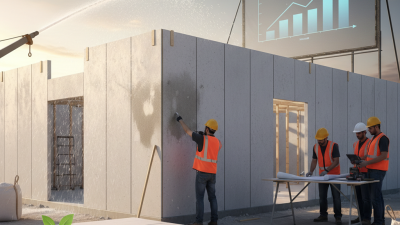
In residential and commercial construction, Mgo boards serve multiple purposes. They can be used as wall sheathing, ceilings, and flooring. Some projects utilize them for drywall replacements. Their inherent resistance to mold and mildew makes them an attractive option for humid environments. However, the installation process can be challenging. Proper cutting techniques and handling are crucial for achieving optimal results.
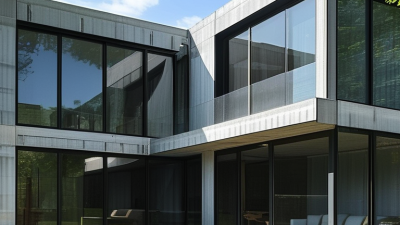
Mgo boards are also popular in interior design. Designers appreciate their clean, modern aesthetic. They can be painted or textured for varied visual effects. Yet, some discussions highlight the potential for cracking if not properly supported. This reflects the importance of expertise and experience when using newer materials. Missteps in installation or application can lead to costly repairs down the line. Awareness of these factors is essential for maximizing the benefits of Mgo boards in any project.
Reasons for the Popularity of Mgo Board in 2026
Mgo board, known for its lightweight and durable nature, has gained traction in 2026. Its composition of magnesium oxide makes it fire-resistant, which is crucial for safety in construction. Many builders prefer Mgo board for interior and exterior applications. It's also moisture-resistant, allowing it to flourish in humid environments. This versatility makes it an appealing choice for various projects.
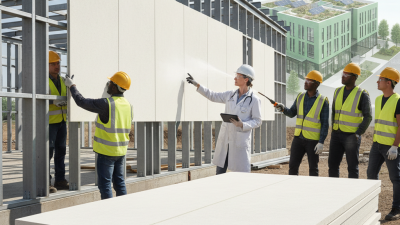
The popularity of Mgo board is also driven by its eco-friendly properties. Many construction leaders prioritize sustainable materials. Mgo board can be recycled, reducing waste. However, challenges remain. Some contractors still need training to use it effectively. Misapplication can lead to structural issues. Despite these concerns, Mgo board continues to attract attention for its potential to revolutionize building practices.
Additionally, the aesthetic qualities of Mgo board are not to be overlooked. It provides a smooth finish, suitable for diverse design styles. Consumers are increasingly drawn to materials that blend beauty with functionality. This trend aligns with a larger movement towards sustainable design. Even with its imperfections, Mgo board's growth reflects the evolving demands of the construction industry.
Popularity of MgO Board in 2026
The chart above illustrates the various factors that contribute to the growing popularity of MgO board in 2026. Notably, attributes such as durability and sustainability significantly enhance its appeal in the construction industry.
Future Trends and Innovations in Mgo Board Technology
In 2026, Mgo board technology is evolving rapidly. This construction material offers remarkable durability and versatility. Innovations focus on enhancing its fire resistance and sustainability. Industry experts note that these advancements can significantly improve building safety and reduce environmental impact. Mgo boards are gaining estimated energy efficiency.
Emerging trends include lightweight formulations and enhanced flexibility. Developers aim for easier installation, making Mgo boards more appealing to contractors. These materials can adapt to various climates, proving beneficial in different regions. Some manufacturers are experimenting with incorporating recycled materials, promoting eco-friendliness. However, there’s a learning curve for builders transitioning to Mgo boards.
The integration of smart technology is also on the horizon. Sensors may monitor structural integrity, ensuring safety over time. Yet, questions remain about the long-term performance of these innovations. As Mgo board technology matures, stakeholders must address these concerns thoughtfully. This ongoing evolution highlights the importance of balancing efficiency and reliability in construction materials.



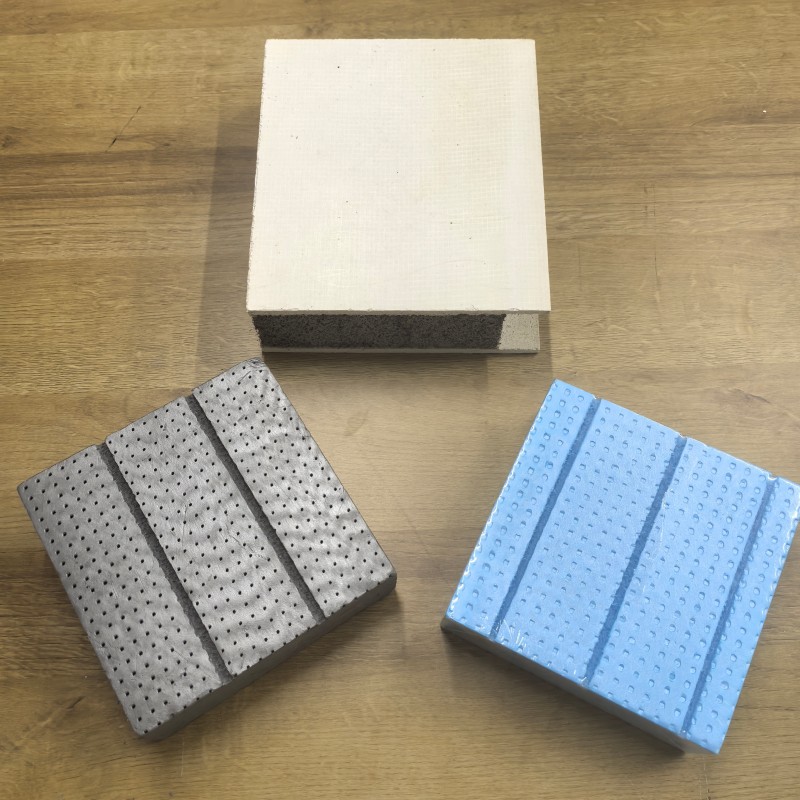 Environmental Building Board
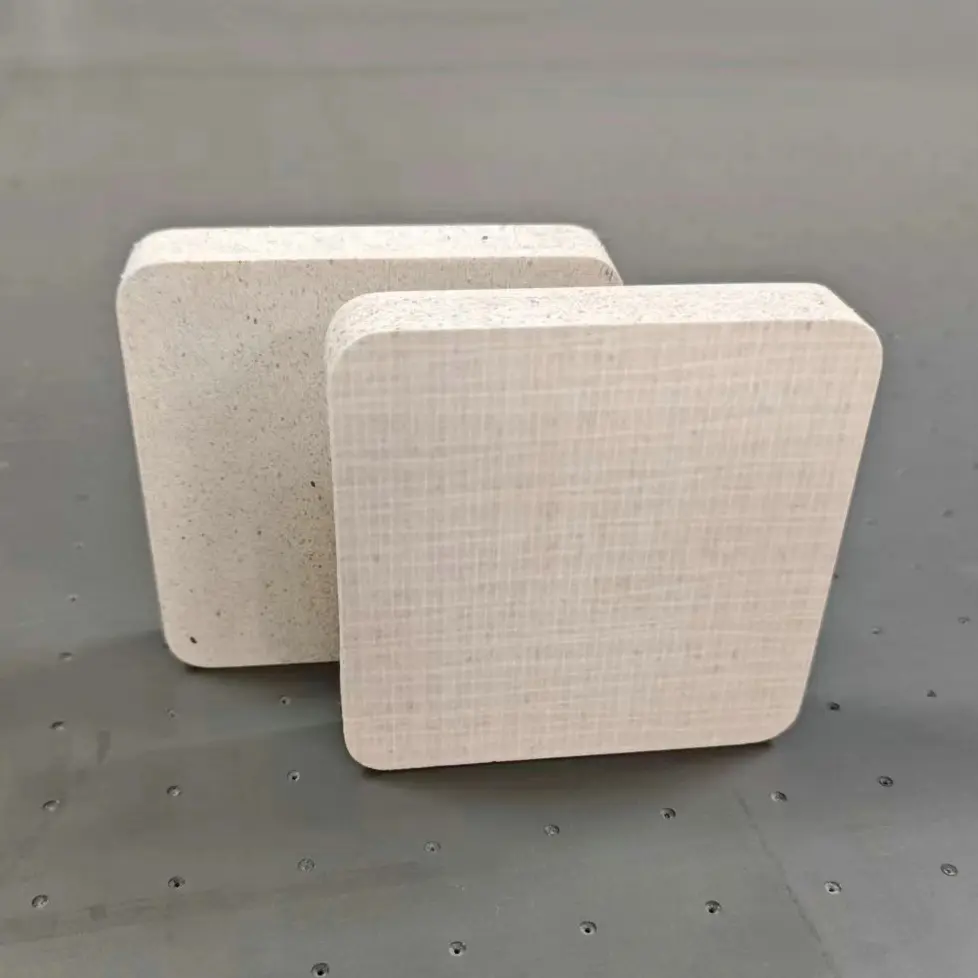 Fire-proof Board
 Sound Resistance
 Termite Resistance