Why Choose Moisture-Resistant Panels for Bathrooms for Lasting Durability?
When it comes to maintaining a bathroom's durability, choosing the right materials is crucial. Moisture-resistant panels for bathrooms are becoming increasingly popular among homeowners and designers alike. According to expert Laura Simmons, a renowned interior designer, "Using moisture-resistant panels ensures longevity and reduces maintenance costs." This statement highlights the significant benefits of selecting these specialized materials for wet environments.
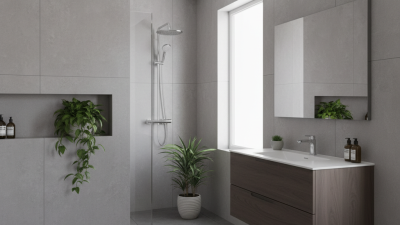
Moisture-resistant panels are engineered to withstand humidity and water exposure. They offer a reliable solution for preventing mold, mildew, and structural damage. Unlike traditional materials, these panels provide peace of mind as they resist warping and deterioration over time. Furthermore, their variety of designs and finishes allows for aesthetic versatility in any bathroom.
However, choosing the right panels is not without its challenges. Not every moisture-resistant panel is created equal. Some products may not hold up under extreme conditions, leading to unexpected repairs or replacements. It is essential to research brands and materials thoroughly to ensure you make an informed choice. In the end, investing in high-quality moisture-resistant panels for bathrooms can enhance your space’s beauty and durability.
Benefits of Moisture-Resistant Panels in Bathroom Environments
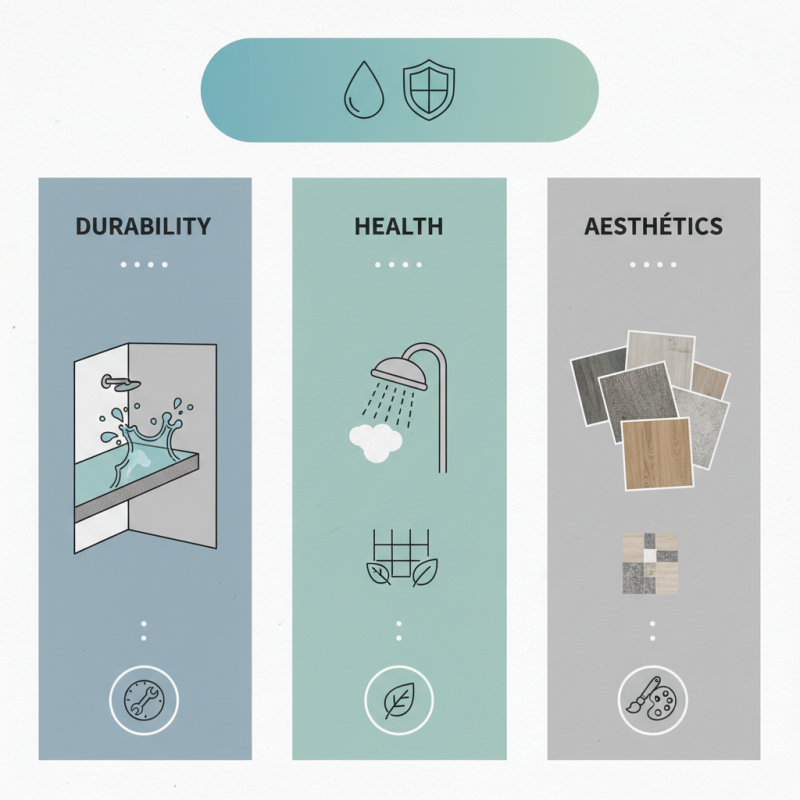
Moisture-resistant panels are essential in bathroom environments. They are designed to withstand high humidity and moisture levels. Traditional materials may warp, swell, or develop mold, leading to costly repairs. Moisture-resistant panels offer long-lasting durability, making them a smart choice for homeowners.
These panels often feature non-porous surfaces. This prevents water from seeping through and causing damage. Easy maintenance is another benefit. Simple cleaning prevents buildup and keeps your bathroom looking fresh. Choose colors and textures that complement your design. There’s a wide range available, which adds versatility.
Tips: Ensure proper installation for maximum protection. Gaps or misalignments can invite moisture. Regularly check for signs of wear. Even moisture-resistant materials can sustain damage over time. Stay proactive to avoid future issues.
Comparative Analysis: Moisture-Resistant Panels vs. Traditional Materials
When it comes to bathroom design, choosing the right materials is crucial. Moisture-resistant panels stand out compared to traditional materials like drywall or wood. Traditional options absorb water easily, leading to mold and decay. In contrast, moisture-resistant panels repel water effectively, providing a longer-lasting solution for humid environments.
These panels excel in various ways. They are less prone to warping and peeling. This resilience ensures a cleaner, healthier bathroom space. Additionally, moisture-resistant panels can be easier to install. Some panels come in large sheets, reducing seams and potential leak areas. However, they can be pricier upfront. Budget constraints might limit choices for some homeowners.
Yet, the long-term benefits often outweigh the initial costs. Mold and mildew can lead to health risks and additional repairs. Traditional materials may require frequent replacements, increasing expenses over time. Homeowners should consider these factors when making choices. Investing in moisture-resistant panels may not just enhance aesthetics but also contribute to a safer, more durable bathroom.
Durability Comparison: Moisture-Resistant Panels vs. Traditional Materials
Impact of Humidity Levels on Bathroom Material Longevity
Bathrooms are often exposed to high humidity levels. This constant moisture can lead to significant wear and tear on standard materials. Traditional wall panels can warp, mold, or deteriorate over time. In contrast, moisture-resistant panels are designed specifically for these environments. They can withstand high humidity, ensuring a longer lifespan.
High humidity affects various materials differently. For instance, wood often absorbs moisture. This results in expansion, warping, or even rotting. On the other hand, moisture-resistant panels repel water and maintain their integrity. They resist fading and peeling, which are common issues in humid bathrooms. Using these panels means less frequent replacements.
Choosing the right material can save time and money. The initial investment in moisture-resistant panels may be higher, but they offer durability. Homeowners often overlook humidity’s long-term effects, leading to costly repairs later. Reflecting on these choices can highlight the importance of suitable bathroom materials. Ultimately, understanding the impact of humidity fosters better decision-making for lasting results.
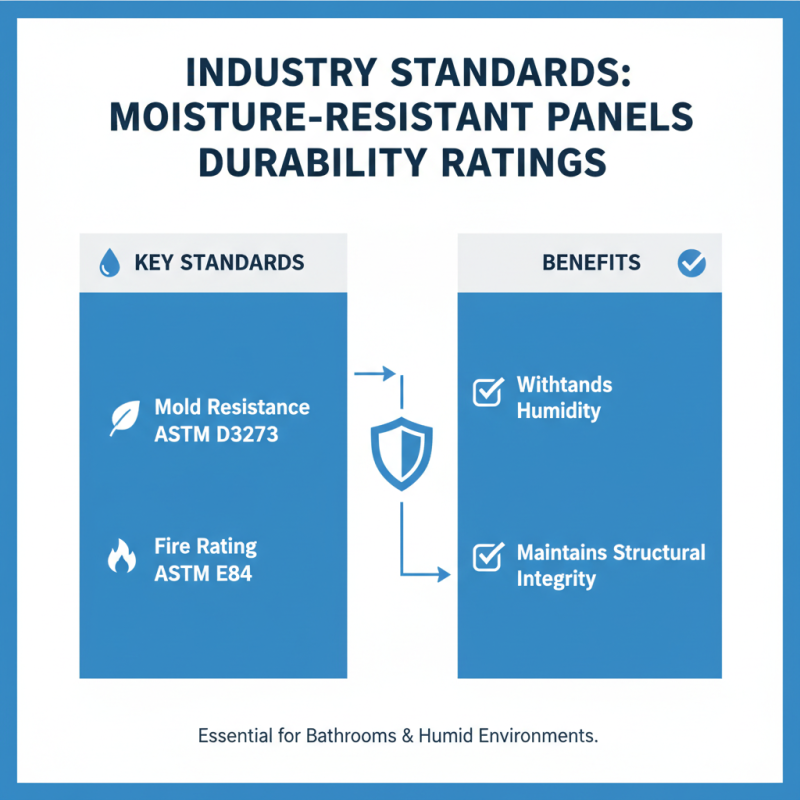
Industry Standards for Moisture-Resistant Panels Durability Ratings
When considering moisture-resistant panels for bathrooms, it's vital to understand their durability ratings. Industry standards indicate that high-quality moisture-resistant panels should meet ASTM D3273 for mold resistance and ASTM E84 for fire rating. These tests ensure that the panels can withstand a humid environment while maintaining structural integrity.
According to a report by the American Society for Testing and Materials (ASTM), panels classified as Type A moisture-resistant can handle about 90% humidity without significant degradation. This durability is essential in a bathroom, where water exposure is frequent. In contrast, lower-rated panels often fail after just a few months.
Research with builders suggests that about 20% of renovations fail due to moisture damage. Many overlook the importance of moisture-resistant materials during planning. While choosing panels, builders should consider the lifespan rating of at least ten years. This detail can significantly influence overall project durability. Balancing cost and quality is crucial, yet some may prioritize immediate savings, leading to potential long-term costs.
Cost-Effectiveness of Installing Moisture-Resistant Panels in Bathrooms
Installing moisture-resistant panels in bathrooms is an investment that pays off over time. According to key industry reports, these panels can last up to 15 years longer than traditional materials. This durability reduces the frequency of renovations, saving homeowners both time and money.
Moreover, moisture-resistant panels can prevent mold growth, which is a significant health concern. The Centers for Disease Control and Prevention (CDC) highlights that mold can lead to respiratory issues. By choosing these panels, homeowners protect both their health and their property. The initial cost may be higher, but the long-term savings are substantial.
Tip: When selecting moisture-resistant panels, consider factors like ease of installation and maintenance. Keeping the bathroom well-ventilated also extends the life of these panels. Regular cleaning can prevent residual moisture buildup, further enhancing their effectiveness. Another tip is to invest in quality panels that meet industry standards to ensure optimum durability. Reflect on your choices; sometimes a higher initial cost leads to more significant long-term savings.



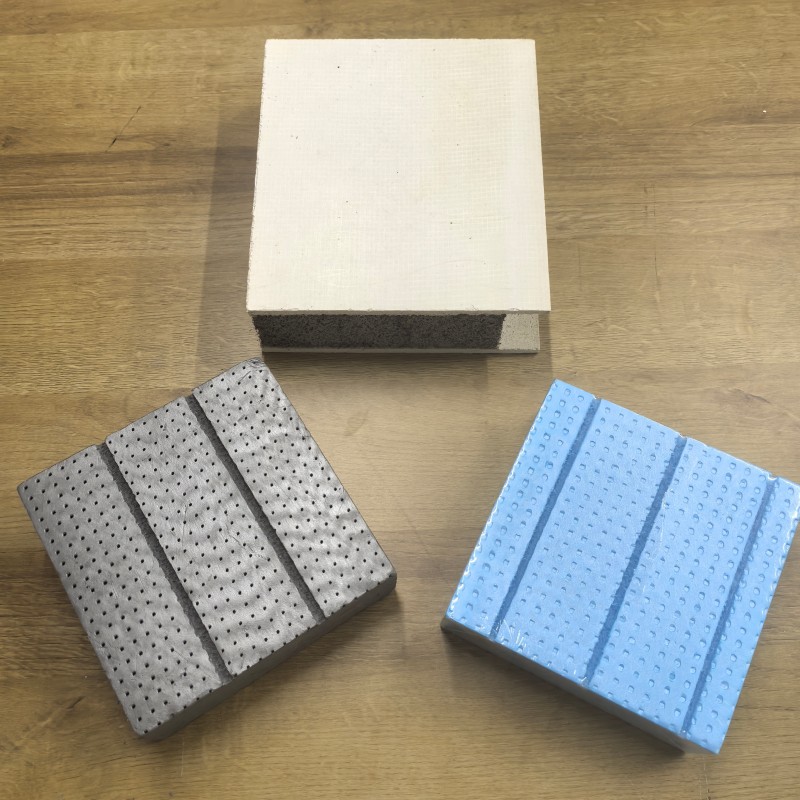 Environmental Building Board
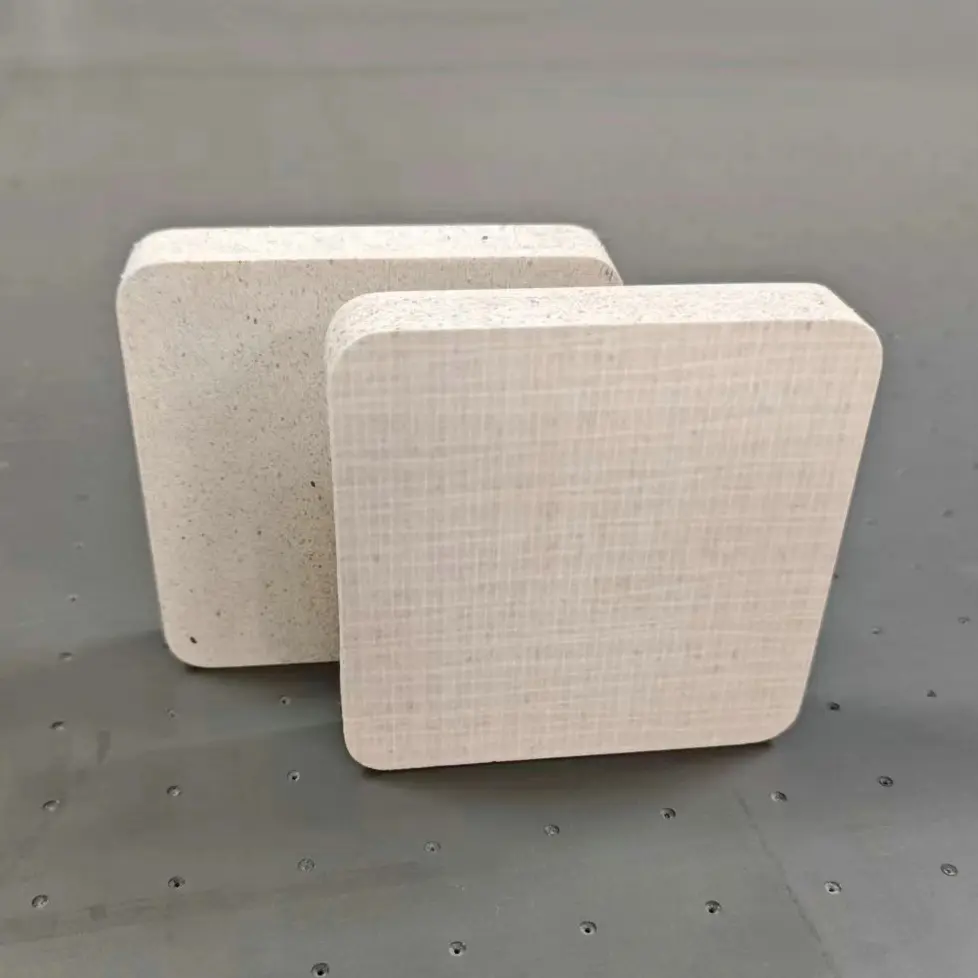 Fire-proof Board
 Sound Resistance
 Termite Resistance