Top 10 Wall Boards in China for Home and Office Use?
In today's fast-paced environment, choosing the right wall board for home and office spaces is crucial. Renowned interior design expert, Dr. Lily Chen, emphasizes, "The right wall board enhances both function and aesthetic in any setting." This statement underscores the importance of understanding the various options available.
Wall boards come in numerous styles, materials, and price ranges. Finding the ideal fit can be overwhelming. For instance, cork and whiteboards are popular for their versatility. They cater to different needs, from organizational tools to creative outlets. It's essential to consider durability and ease of installation. Each type has its pros and cons, which can lead to a challenging decision.
Reflecting on personal choices can uncover valuable insights. Many users initially overlook the significance of wall board quality. They might prioritize looks over functionality, only to regret it later. A little extra research can reveal options that complement both decor and utility. This exploration provides a path to making informed decisions that enhance any workspace.
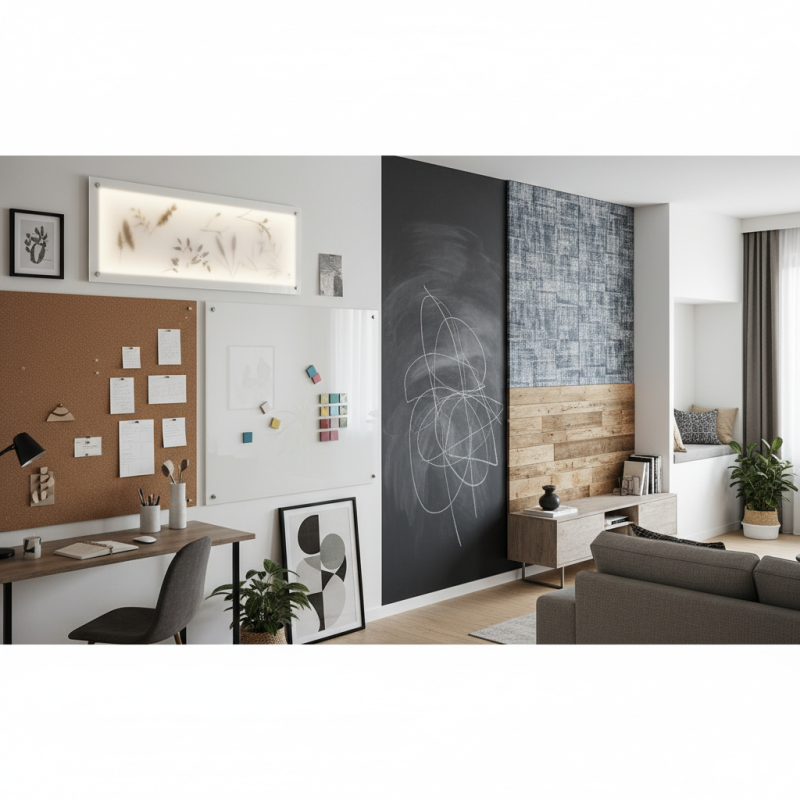
Overview of Wall Board Types Used in Homes and Offices
When exploring wall board options for homes and offices, various types come to mind. Drywall is one of the most popular choices. It is affordable and easy to install. Many home builders prefer it due to its smooth surface and painting ability. However, drywall can be susceptible to moisture and damage.
Another option is plywood. This choice is robust and versatile. It offers excellent durability, making it suitable for high-traffic areas. Yet, the finish may require additional effort for a polished look. Some users find that plywood can be heavy and challenging to work with.
PVC wall panels are increasingly popular in modern settings. They are lightweight and waterproof, making them ideal for kitchens and bathrooms. The variety of colors and textures available adds a decorative touch. However, some users express concerns about the long-term sustainability of PVC materials. Each type of wall board has its own advantages and shortcomings. It's essential to weigh these factors against your specific needs and environment.
Key Features to Consider When Choosing Wall Boards
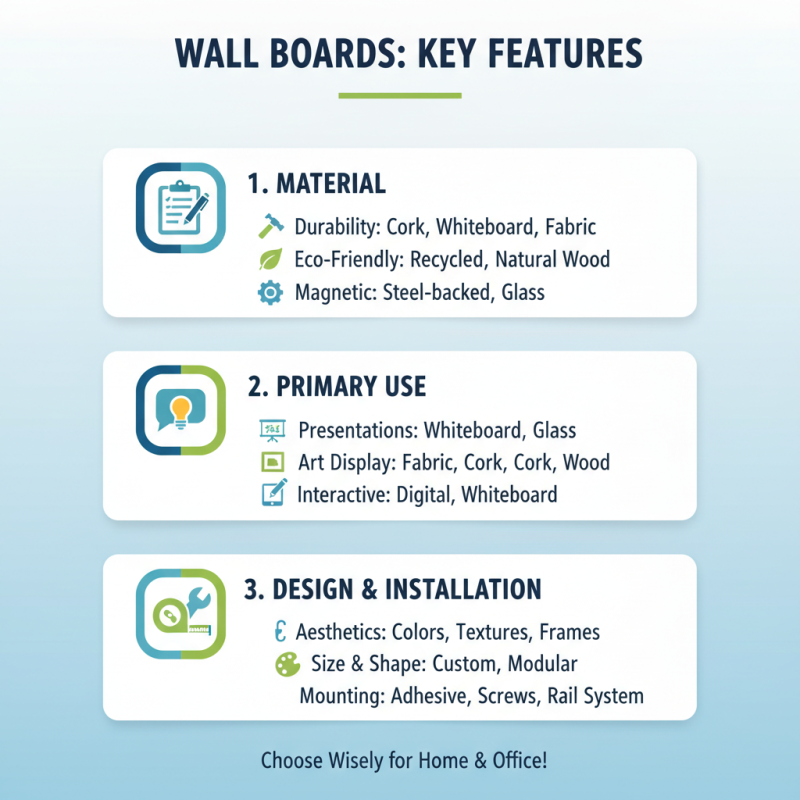
Choosing the right wall board for your home or office can be challenging. Factors such as material, durability, and design all come into play. Consider the primary use of the wall board. Will it hold presentations, display art, or serve as an interactive space? Each function demands different features.
Durability is crucial. Some boards resist stains and scratches better than others. You might find that a porous surface requires more maintenance and care. Also, think about the size and shape of your space. A large board might overwhelm a small room. Alternatively, tiny boards can be ineffective in larger areas.
Emphasizing aesthetics is also important. Wall boards can contribute to your overall decor. The color and texture should complement the surroundings. However, it is essential to choose something that matches your style but remains functional. Ultimately, take the time to reflect on how each option aligns with your needs. Detailed research will lead you to the right choice.
Top 10 Wall Boards for Home Use: A Comprehensive Review
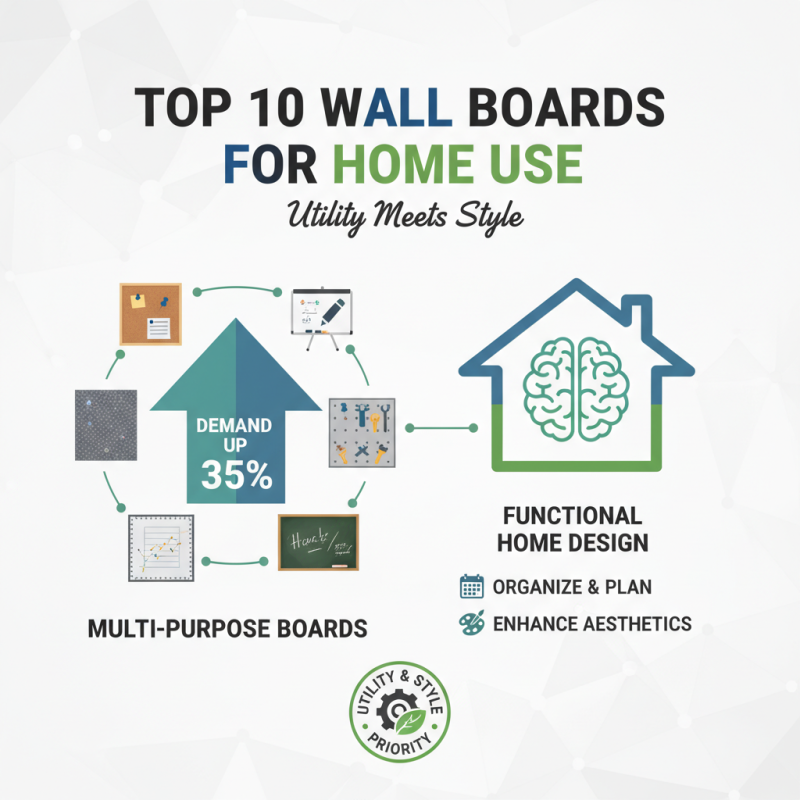
When it comes to wall boards for home use, variety is key. These boards can serve multiple purposes, from organizing notes to enhancing the aesthetics of a space. Research shows that functional wall boards are on the rise. According to industry data, the demand for multi-purpose boards has surged by 35% over the past year. This reflects a growing trend in home design that prioritizes both utility and style.
Choosing the right wall board involves consideration of materials and design. Options include cork, whiteboard, and magnetic boards. Each type has its unique strengths. For example, cork boards are eco-friendly and offer a classic look. In contrast, whiteboards are versatile for brainstorming sessions. However, users often overlook the maintenance aspects. A well-used whiteboard can stain easily, and cork boards can wear down quickly if not treated.
Moreover, the size and placement of wall boards can impact their effectiveness. A board positioned too high may deter regular use, while one positioned at eye level can encourage engagement. It’s crucial to assess your space carefully. Many people end up with boards that aren’t suited to their needs, prompting unnecessary frustration. Research has indicated that 60% of consumers regret their initial choice due to size or functionality mismatches. Consider testing different types in your home environment before making a final decision.
Top 10 Wall Boards for Office Use: Best Options Available
When selecting wall boards for office use, consider versatility and functionality. A quality wall board can transform a dull office space into an engaging environment. Opt for those with dry-erase capabilities. They encourage creativity and collaboration among team members. Additionally, wall boards should be easy to install and maintain.
For effective organization, ensure the wall boards come with optional accessories such as markers and erasers. This adds convenience and enhances usability. Keep in mind the size of the board in relation to your wall space. A large board can serve as a focal point, while smaller boards can fit into tight spaces.
Tips for maximizing wall board utility include placing them in high-traffic areas for visibility. Use color-coded markers to categorize information effectively. Regularly clean the board to maintain a professional appearance, and don’t forget to rotate content frequently to keep ideas fresh. Investing time in selecting the right board can lead to an improved working atmosphere, but remember to reflect on its effectiveness periodically.
Top 10 Wall Boards in China for Home and Office Use
| Type |
Material |
Size (cm) |
Color |
Price (CNY) |
| Whiteboard |
Melamine |
120 x 90 |
White |
300 |
| Corkboard |
Cork |
90 x 60 |
Brown |
200 |
| Glass Board |
Tempered Glass |
120 x 80 |
Transparent |
500 |
| Pin Board |
Fabric |
100 x 100 |
Grey |
250 |
| Magnetic Board |
Steel |
110 x 70 |
Black |
400 |
| Chalkboard |
Wood |
120 x 90 |
Black |
280 |
| Dry Erase Board |
Plastic |
100 x 100 |
White |
350 |
| Framed Board |
Wood |
90 x 60 |
Natural |
320 |
| LED Board |
Acrylic |
120 x 80 |
Various |
600 |
| Foldable Board |
Plastic |
120 x 100 |
Blue |
450 |
Maintenance Tips for Prolonging the Life of Wall Boards
Maintaining wall boards, whether for home or office, requires regular attention. Routine cleaning is essential. Use a soft cloth and mild detergent to wipe surfaces. Avoid harsh chemicals that can damage the finish. Regular dusting helps prevent scratches and dullness.
Temperature and humidity affect wall boards significantly. They can warp or crack if exposed to extreme conditions. A consistent climate prevents these issues. Consider placing wall boards away from direct sunlight and heating vents. This small change can prolong their life. Small impacts often go unnoticed but can lead to bigger problems.
Frequent inspections are also important. Look for signs of wear, like scratches or stains. Address minor damages promptly to prevent deterioration. Repair kits are usually available. Small cracks can often be filled with suitable materials. Being proactive saves money and effort in the long run. A little attention can make a big difference in longevity.



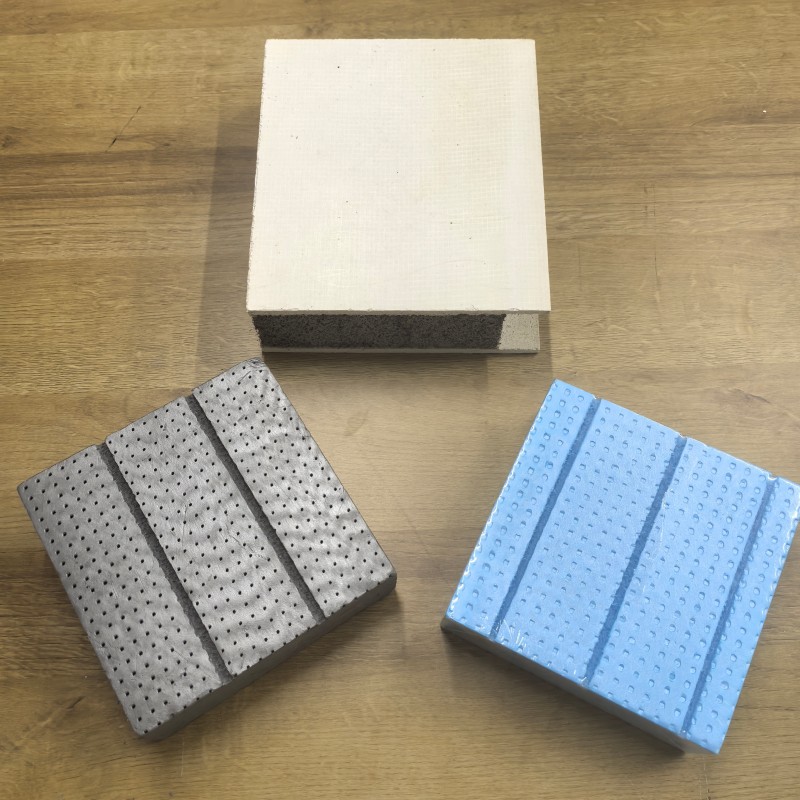 Environmental Building Board
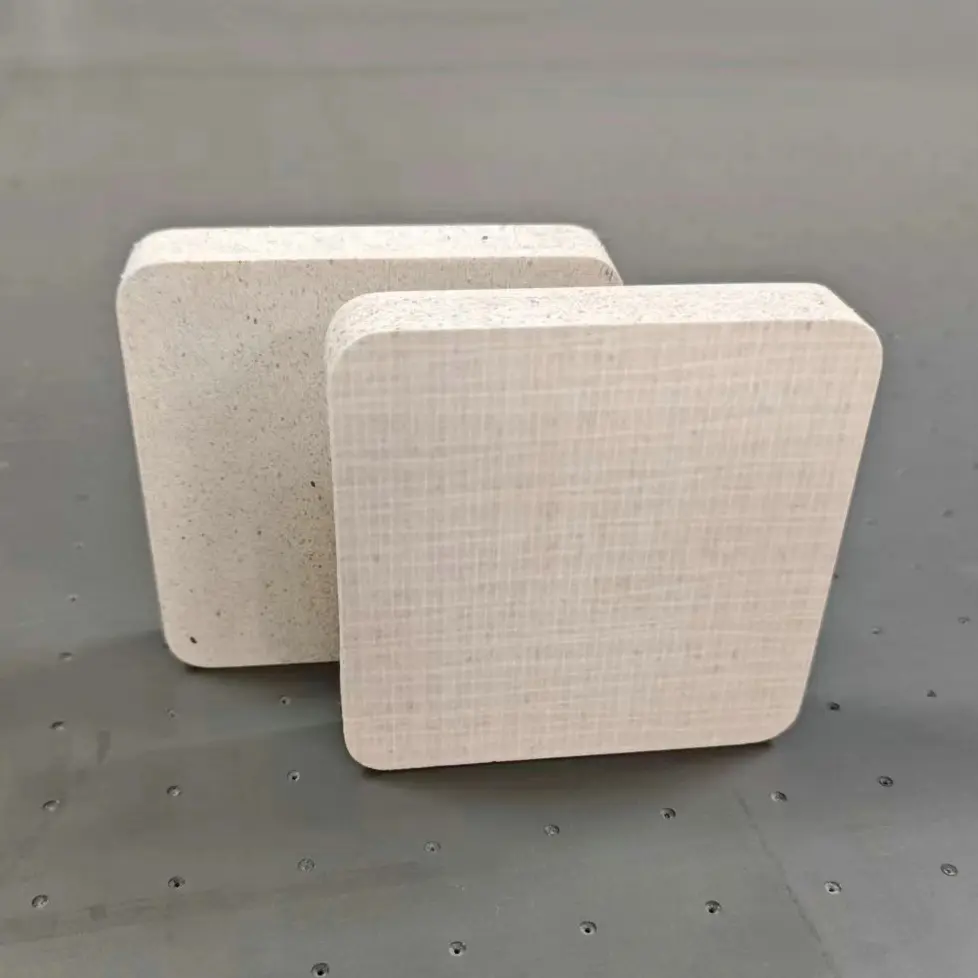 Fire-proof Board
 Sound Resistance
 Termite Resistance