Why is Thermal-Insulating Glass Wool Essential for Energy Efficiency?
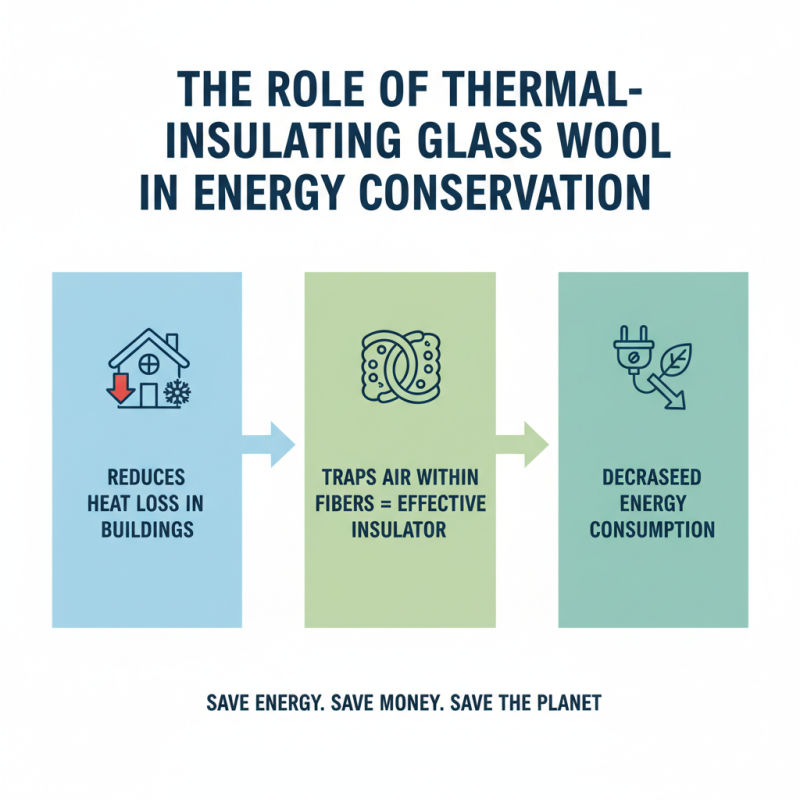
Thermal-Insulating Glass Wool plays a crucial role in modern construction. It enhances energy efficiency and significantly reduces heating costs. Buildings today consume a large amount of energy for heating and cooling. Poor insulation is a common issue, leading to energy waste.
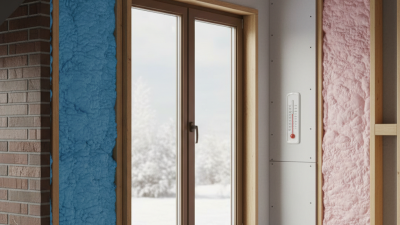
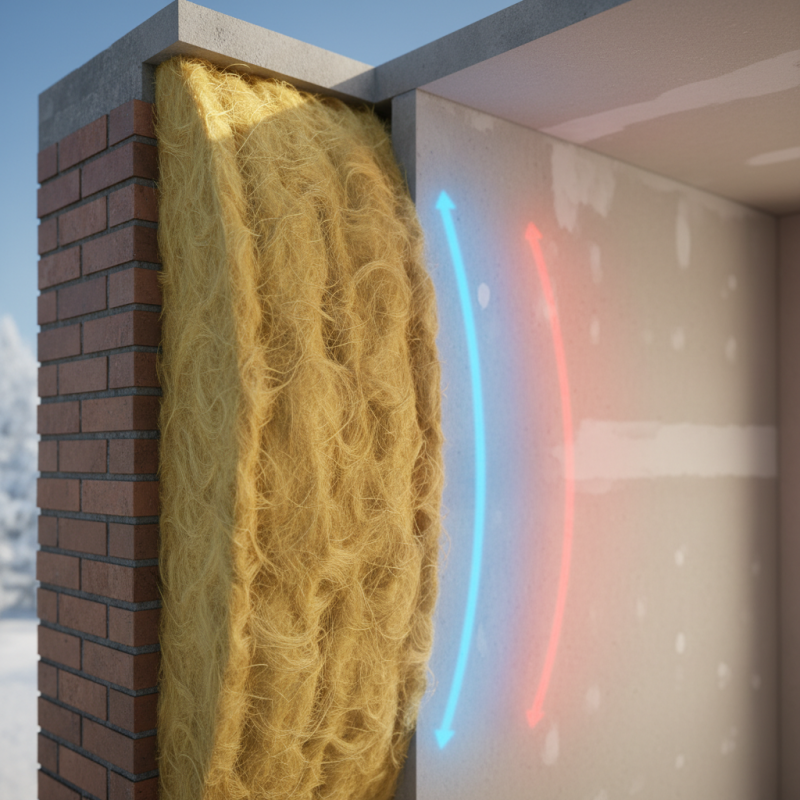
With Thermal-Insulating Glass Wool, the thermal performance of buildings improves dramatically. It creates a barrier against external temperatures. This material often exceeds conventional insulation options in both effectiveness and soundproofing. The fluffy texture traps air, minimizing heat transfer.
Investing in Thermal-Insulating Glass Wool is not just smart; it is necessary for sustainable living. Many people overlook insulation's importance. The long-term savings on energy bills can offset initial costs. However, choosing the right quality is essential. Not all products deliver the same benefits, which can be frustrating. The right insulation is more than just a construction choice; it is a commitment to a smarter future.
Understanding Thermal-Insulating Glass Wool: Composition and Properties
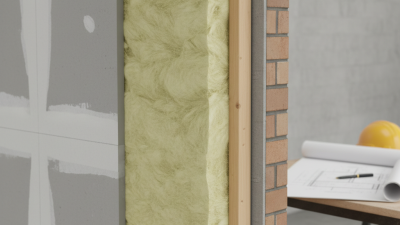
Thermal-insulating glass wool is an essential material for energy efficiency in construction. Its unique composition, primarily made from recycled glass, enhances thermal resistance. This method reduces energy consumption in buildings, contributing to sustainability. Reports indicate that using glass wool can reduce heating and cooling costs by up to 30%. This data underscores its importance in modern architecture.
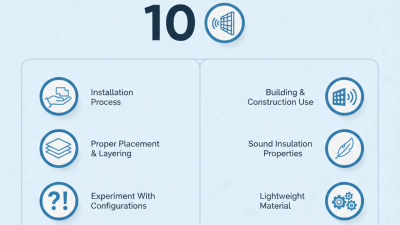
The properties of glass wool include lightweight and moisture resistance. These attributes make it easier to handle during installation. Additionally, it offers excellent sound insulation, which is crucial in urban settings. However, some challenges exist. For instance, improper installation can lead to thermal bridges, negating its energy-saving potential. Awareness of these issues is vital for maximizing glass wool's performance.
Furthermore, the environmental benefits of glass wool should not be overlooked. It has a lifespan exceeding 50 years, which lessens the need for frequent replacements. However, concerns about its potential health effects during installation are valid. Proper safety measures must always be in place. A balanced approach to using glass wool can harness its full benefits for energy-efficient buildings.
Why is Thermal-Insulating Glass Wool Essential for Energy Efficiency?
| Property |
Description |
Energy Efficiency Impact |
| Thermal Conductivity |
Low thermal conductivity (K-value between 0.035 - 0.045 W/mK) |
Reduces heat loss in winter and heat gain in summer, improving overall energy savings. |
| Density |
Available in various densities (typically 10 - 50 kg/m³) |
Higher density provides better sound insulation and thermal performance. |
| Fire Resistance |
Non-combustible material with a melting point above 1000°C |
Enhances safety and longevity of buildings, contributes to fire safety standards. |
| Moisture Resistance |
Water-repellent properties prevent moisture absorption |
Reduces the risk of mold growth and maintains thermal performance. |
| Sustainability |
Made from recycled glass and natural mineral materials |
Contributes to environmentally friendly building practices. |
Benefits of Using Thermal-Insulating Glass Wool in Buildings
Thermal-insulating glass wool offers significant benefits for energy efficiency in buildings. It acts as a barrier against heat loss, ensuring that interiors remain comfortable year-round. This material traps air within its fibers, which prevents costly heat exchange between the inside and the outside. As a result, energy consumption is reduced, leading to lower utility bills.
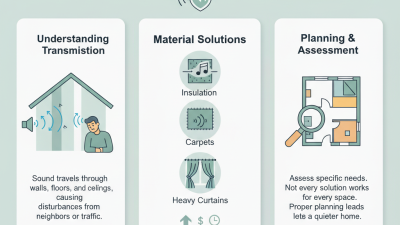
One crucial aspect is its soundproofing qualities. Glass wool not only insulates against temperature but also noise. This can be incredibly beneficial in urban areas or near busy roads. The quieter environment enhances comfort and productivity. However, it's essential to ensure proper installation to maximize these benefits. Gaps or poor workmanship can negate the advantages of glass wool insulation.
Tips: Regularly check insulation integrity. Look for signs of moisture or damage. Replacing worn-out insulation can vastly improve energy efficiency. When choosing insulation, consider sustainable options. They can impact your home's carbon footprint positively. Always consult with professionals for tailored solutions that suit your specific building needs.
Comparative Analysis: Glass Wool vs. Other Insulation Materials
When it comes to insulation materials, glass wool stands out in energy efficiency. According to the U.S. Department of Energy, glass wool can provide a thermal resistance (R-value) of up to 4.3 per inch. This makes it superior compared to fiberglass and cellulose, which tend to offer R-values of around 2.9 and 3.7, respectively. The high R-value means less energy is wasted in heating or cooling buildings.
Moreover, glass wool has excellent soundproofing properties. This is particularly important in urban areas where noise pollution can be disruptive. Studies indicate that glass wool can reduce sound transmission by up to 95%, a significant improvement over other materials. However, it's essential to recognize that not all glass wool products are equally efficient, and installation quality plays a critical role in performance.
Despite its advantages, some drawbacks exist. For example, glass wool can irritate skin and lungs during installation, requiring proper safety measures. Additionally, while it is resistant to moisture, prolonged exposure can diminish its effectiveness. It’s crucial to evaluate the entire insulation system and not solely rely on material attributes. Investing time in understanding each material's unique properties can significantly impact energy efficiency.
Thermal Insulation Material Efficiency Comparison
This chart compares the R-Value per inch of various thermal insulation materials, highlighting the efficiency of glass wool alongside alternatives. Higher R-Values indicate greater thermal resistance, making glass wool a strong contender for energy-efficient insulation solutions.
Applications and Best Practices for Thermal-Insulating Glass Wool
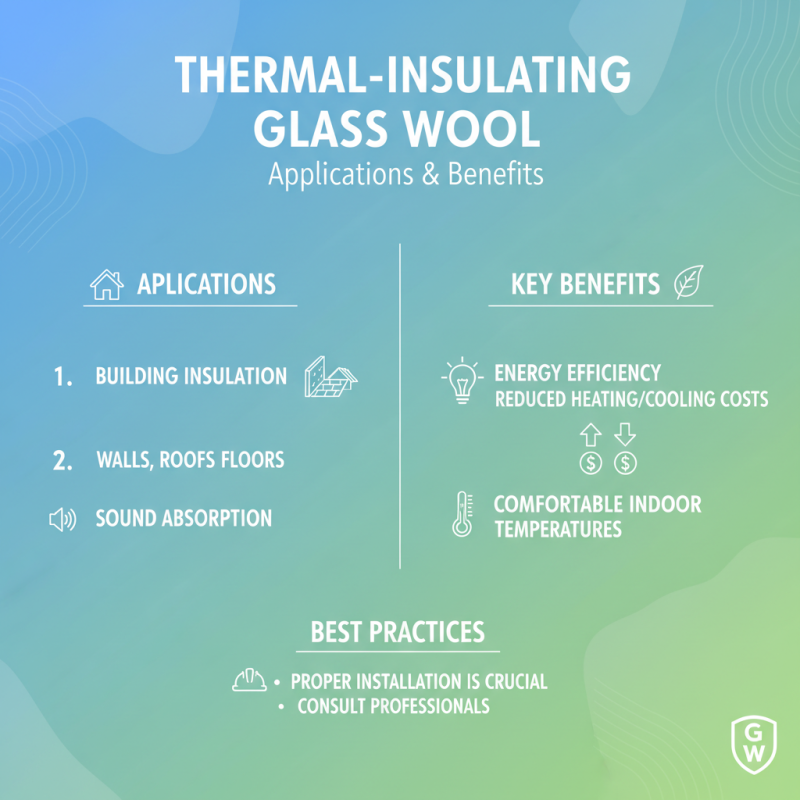
Thermal-insulating glass wool plays a vital role in enhancing energy efficiency. Its primary application is in building insulation. Homeowners often overlook the importance of proper insulation. Glass wool can significantly reduce heating and cooling costs. Walls, roofs, and floors benefit from this material. It absorbs sound and helps maintain comfortable indoor temperatures.
In industrial settings, glass wool is often used in HVAC systems. Proper installation is crucial to maximize its benefits. Gaps or improper fittings can lead to energy loss. Regular maintenance can help identify potential issues. Utilization in commercial buildings is also growing. Many architects and builders now prefer glass wool for its versatility.
However, challenges remain. Some users may not understand installation requirements. Awareness campaigns can help educate them. Additionally, the long-term environmental impact of manufacturing still needs careful evaluation. Balancing efficiency with sustainability is essential for future developments. It's clear that glass wool is crucial, but we must refine our approach continually.



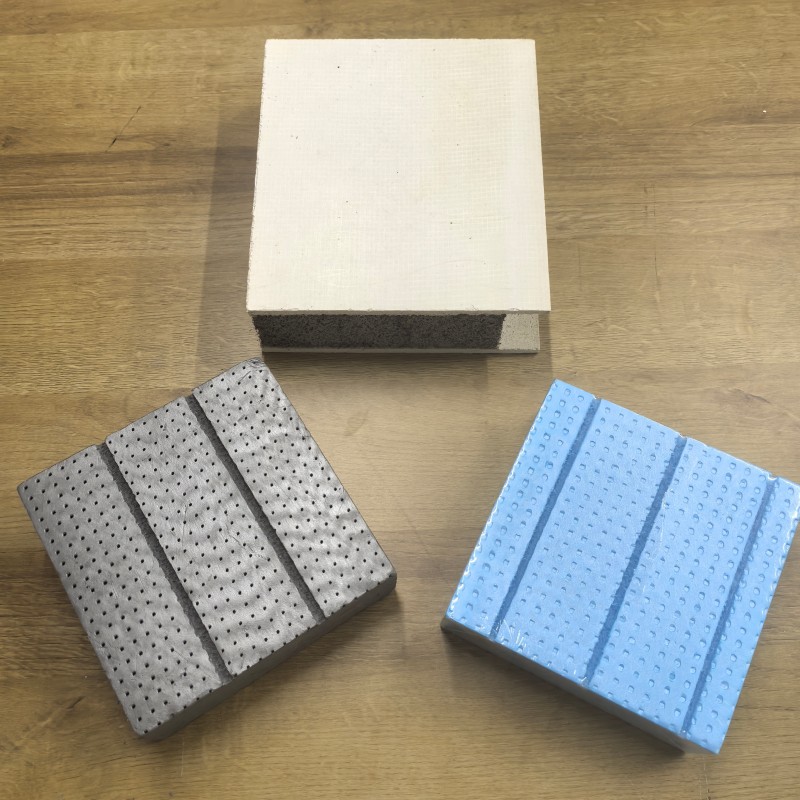 Environmental Building Board
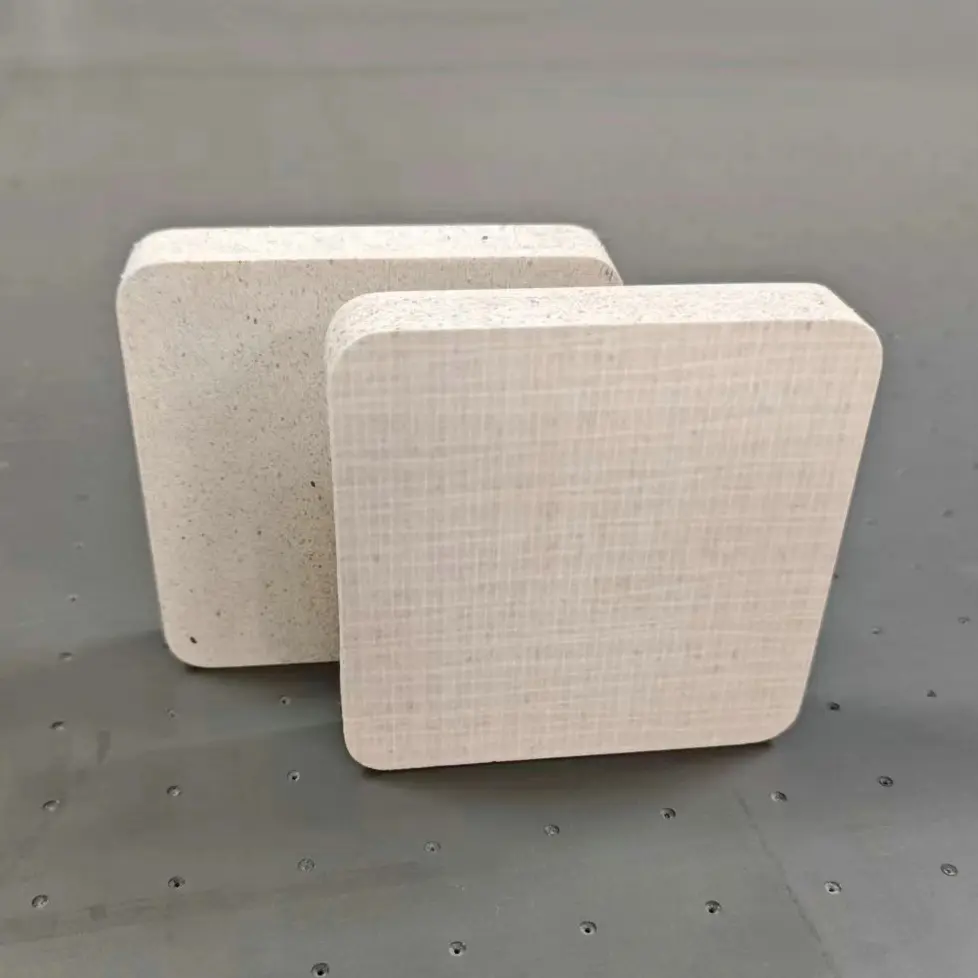 Fire-proof Board
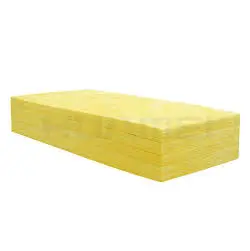 Sound Resistance
 Termite Resistance