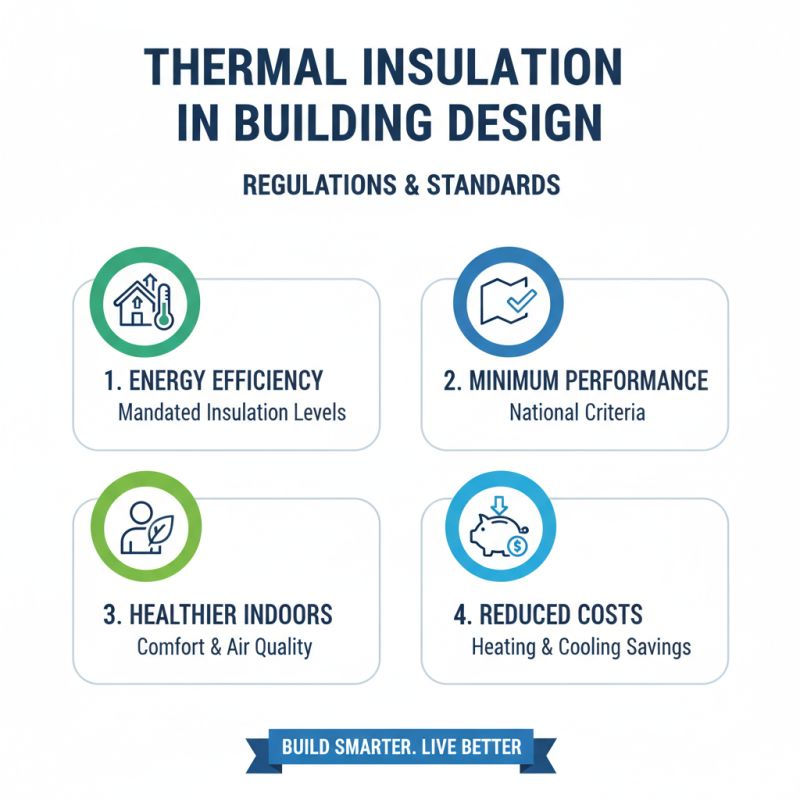
Why is Thermal Insulation Important for Energy Efficiency in Buildings?
Thermal insulation plays a crucial role in enhancing energy efficiency in buildings. According to renowned expert Dr. Emily Foster, "Effective thermal insulation reduces energy waste and improves indoor comfort." This insight emphasizes the significance of proper insulation in modern architecture.
Buildings consume a substantial amount of energy for heating and cooling. Without adequate thermal insulation, energy loss can be significant. Drafty windows and poorly insulated walls lead to increased energy bills. Moreover, the environmental impact of needless energy consumption cannot be overlooked.
While many understand the basics of thermal insulation, misconceptions remain. Some believe that thicker insulation guarantees better performance. However, factors like material quality and installation matter too. It is essential to evaluate insulation not just for its thickness but also for its efficiency in specific climates. Addressing these complexities can lead to smarter building designs and better energy choices.

Understanding Thermal Insulation and Its Role in Energy Efficiency
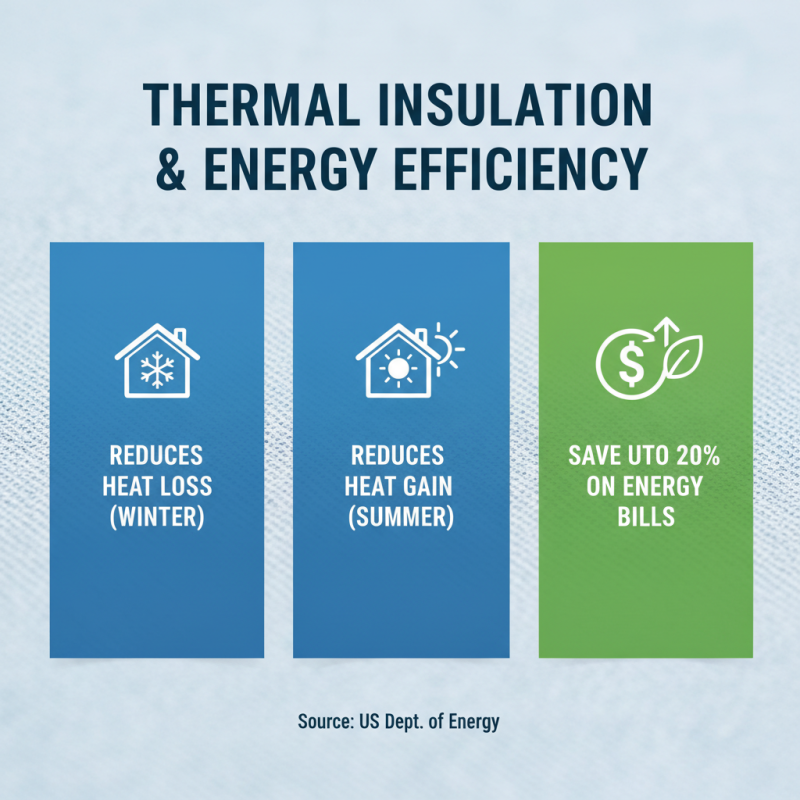
Thermal insulation plays a crucial role in enhancing the energy efficiency of buildings. According to the U.S. Department of Energy, properly insulated homes can reduce heating and cooling costs by up to 20%. This statistic highlights how important insulation is in maintaining a comfortable indoor environment while minimizing energy consumption. Buildings without adequate insulation often experience significant heat loss in winter and heat gain in summer.
The Global Energy Assessment indicates that well-insulated buildings can contribute to reducing global greenhouse gas emissions significantly. However, many structures still lack proper insulation. This inefficiency leads to higher energy bills and wasted resources. Factors such as outdated building codes and inadequate retrofitting efforts hinder progress.
In terms of material selection, the effectiveness of insulation varies widely. Fiberglass, foam, and cellulose are commonly used, but their thermal performance can differ. Ensuring the right material and installation is key. The energy savings alone can justify the investment. Yet, awareness and implementation often fall short, revealing a gap between knowledge and practice. Addressing this gap is essential for a sustainable future.
Types of Thermal Insulation Materials Used in Building Construction
Thermal insulation is crucial in building construction due to its impact on energy efficiency. Various insulation materials contribute differently to energy conservation. Common types include fiberglass, foam boards, and cellulose.
Fiberglass is prevalent for its cost-effectiveness and ease of installation. However, it requires careful handling to avoid respiratory issues during installation. On the other hand, foam boards provide superior insulation with less space, but their production process can be environmentally challenging.
Cellulose, made from recycled paper, stands out for its sustainability. It is treated with fire retardants, enhancing safety. Yet, cellulose may settle over time, reducing its effectiveness. Each material has distinct characteristics and potential downsides. Knowing these can help builders make informed decisions.
It’s essential to consider the specific climate and building type when choosing insulation. A well-insulated building significantly reduces energy costs and improves comfort. However, one must continually evaluate these materials for potential issues. What works well now may not suit the future needs or regulations.
How Thermal Insulation Reduces Energy Consumption in Buildings
Thermal insulation plays a crucial role in reducing energy consumption in buildings. According to the U.S. Department of Energy, around 30% of energy used in homes goes towards heating and cooling. Proper insulation minimizes heat transfer, keeping indoor temperatures stable. This is particularly critical during extreme weather conditions.
Different materials offer varying levels of insulation effectiveness. For instance, fiberglass insulation has an R-value of 2.9 to 4.3 per inch. Higher R-values indicate better energy retention properties. However, the choice of insulation material also depends on climate, building design, and budget constraints. A well-insulated building can significantly reduce reliance on HVAC systems, leading to lower energy bills and smaller carbon footprints.
Insulation also contributes to indoor comfort and air quality. Poor insulation may lead to drafts, moisture buildup, and subsequent mold growth. While many buildings are not adequately insulated, retrofitting with quality insulation can enhance energy efficiency. Reports show that improving insulation can offer a return on investment of up to 300% over a property's lifespan. This highlights the ongoing need for educational outreach to improve awareness about energy-saving opportunities in building design and renovation.
Why is Thermal Insulation Important for Energy Efficiency in Buildings?
| Dimension |
Details |
| Type of Insulation |
Fiberglass, Foam Board, Spray Foam, Cellulose |
| R-Value |
Measure of thermal resistance; higher is better (e.g., R-13 to R-60) |
| Energy Savings |
Up to 40% reduction in heating and cooling costs |
| Environmental Impact |
Reduced greenhouse gas emissions through lower energy use |
| Payback Period |
Typically 3 to 5 years depending on material and energy prices |
| Comfort Level |
Improved indoor temperature stability and comfort |
| Building Sustainability |
Critical for achieving green building certifications (LEED, BREEAM) |
The Impact of Thermal Insulation on Indoor Comfort and Air Quality
Thermal insulation plays a crucial role in improving indoor comfort and air quality in buildings. Proper insulation regulates temperatures, keeping spaces warm in winter and cool in summer. This stability creates a more pleasant environment for occupants. When insulation is inadequate, fluctuating indoor temperatures can lead to discomfort and health issues.
Good insulation can also help maintain air quality. By preventing drafts, it reduces the infiltration of pollutants and allergens. A well-insulated home promotes a healthier atmosphere. This is especially important for individuals with respiratory issues. Yet, many buildings still lack sufficient insulation, resulting in poor indoor air quality.
Tips for improving insulation include checking for gaps around windows and doors. Seal any leaks to minimize air exchange. Additionally, consider using natural insulation materials for a healthier environment. Regularly inspecting insulation and making improvements can significantly enhance indoor comfort and air quality. Remember, good insulation not only saves energy; it also contributes to a better living space.



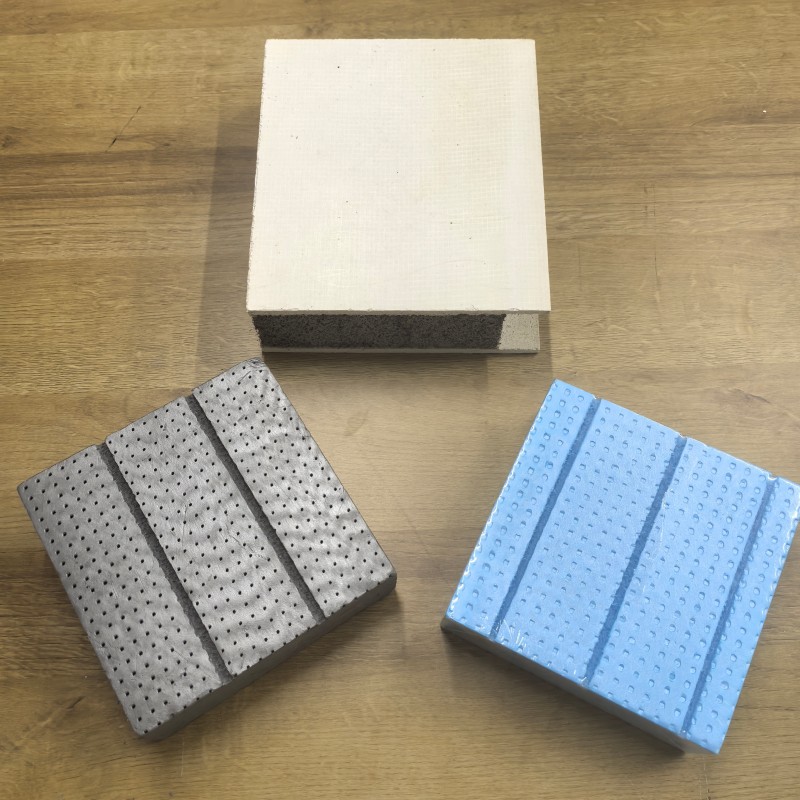 Environmental Building Board
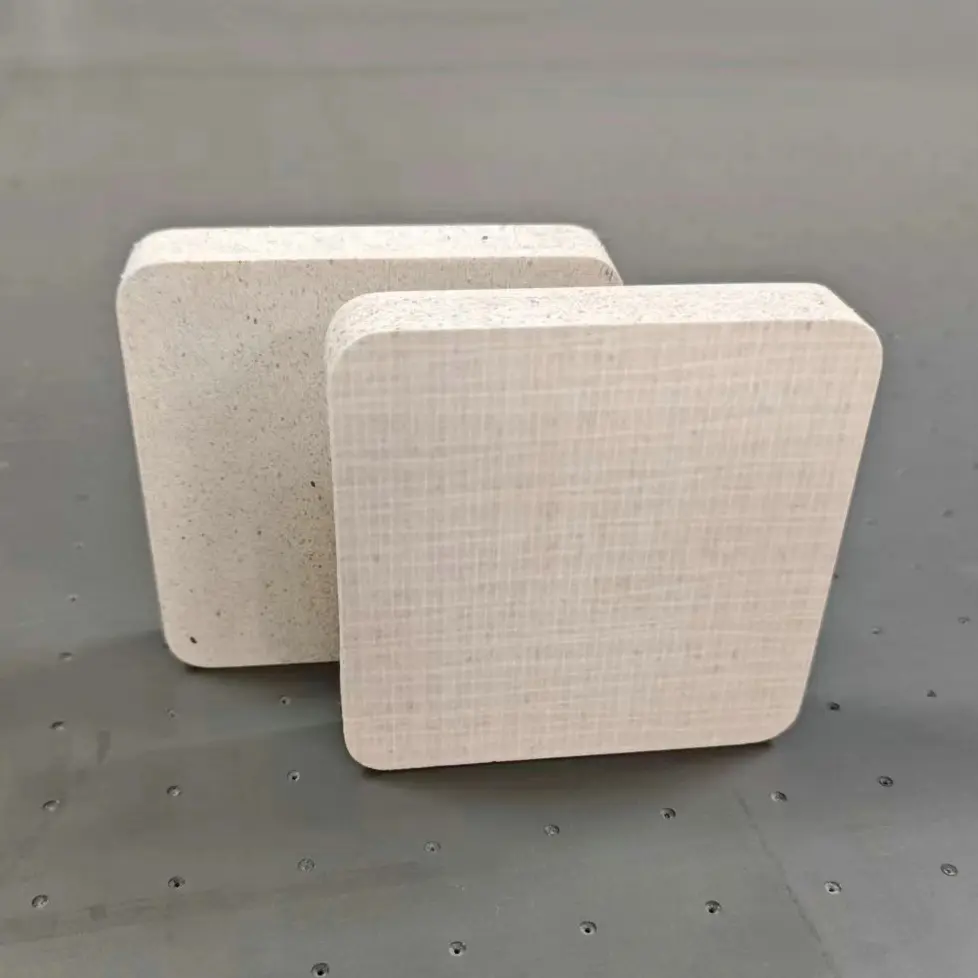 Fire-proof Board
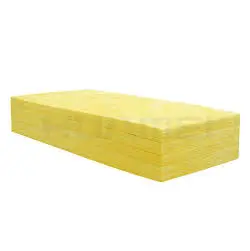 Sound Resistance
 Termite Resistance