Why Choose Sound Absorbing Glass Wool for Your Projects?
When considering materials for noise reduction in various projects, "Sound-Absorbing Glass Wool" stands out due to its unique properties. Dr. Emily Carter, an expert in acoustic engineering, noted, “Sound-Absorbing Glass Wool is crucial for creating serene environments.” This material effectively dampens sound frequencies, making it ideal for both commercial and residential applications.
The importance of sound control continues to gain attention. With open office designs and urban living on the rise, noise pollution remains a challenge. Sound-Absorbing Glass Wool provides an effective solution, balancing aesthetics with practicality. Projects that utilize this material benefit from enhanced acoustics and comfort.
However, some may overlook the installation process or misjudge its effectiveness. While Sound-Absorbing Glass Wool offers numerous advantages, proper application is essential. Understanding its characteristics can lead to better project outcomes and ultimately a quieter space. Taking the time to evaluate how this material fits into your design can yield impressive results.

Benefits of Sound Absorbing Glass Wool for Acoustic Insulation
Sound absorbing glass wool offers numerous benefits for acoustic insulation in various settings. Its unique structure traps sound waves effectively, reducing echo and noise. This is particularly important in busy environments, such as offices and schools. Choosing this material can greatly enhance the comfort of a space.
Another advantage is its lightweight and easy installation. Glass wool can be cut to fit any area, making it versatile for different projects. However, it’s crucial to handle it properly. Safety measures should be considered, as improper handling may cause irritation. This oversight can lead to regrets later, especially if proper training is not provided.
Furthermore, glass wool is eco-friendly. It can be made from recycled materials, helping to reduce waste. While this is a plus, some may worry about its long-term durability. Research and expert advice can help navigate these concerns, ensuring a reliable choice for your acoustic needs.
Comparison with Traditional Insulation Materials
When evaluating insulation options, sound absorbing glass wool stands out against traditional materials. It effectively reduces noise pollution in both residential and commercial settings. Traditional insulation, like fiberglass or foam, may lack this acoustic benefit. The unique structure of glass wool helps to trap sound waves. This makes it a superior choice for spaces needing soundproofing.
In terms of thermal insulation, glass wool is competitive. It offers a high R-value compared to many traditional materials. However, installation can be tricky. Proper techniques are essential to maximize its effectiveness. Even a small gap can compromise its insulating properties. Some installers might overlook this, leading to dissatisfaction.
Cost is another factor to consider. Glass wool can be more expensive upfront. But the long-term benefits can justify this expense. Energy savings from superior insulation may offset initial costs. It's important to weigh these aspects carefully. Making an informed choice can enhance comfort and efficiency in any project.
Applications of Sound Absorbing Glass Wool in Various Industries
Sound absorbing glass wool has carved a niche in various industries due to its excellent noise reduction properties. In construction, for instance, using this material can improve acoustic comfort in residential and commercial buildings. According to a report by the National Institute of Standards and Technology, effective sound insulation has been linked to increased productivity in workplaces by up to 15%. This statistic highlights the importance of sound control in work environments.
In the automotive industry, sound absorbing glass wool is widely utilized in vehicle interiors. It helps diminish unwanted noise, leading to a quieter ride. A study conducted by the Society of Automotive Engineers noted that enhancing sound insulation can reduce cabin noise levels by as much as 5 decibels. This reduction significantly improves passenger comfort. However, some manufacturers have reported challenges in balancing sound absorption with weight reduction.
Moreover, the use of sound absorbing glass wool in acoustic panels for recording studios and theaters is notable. Industry experts suggest that these panels can improve sound clarity and reduce reflections. A technical review published by the Journal of Acoustic Engineering indicates that well-designed acoustic treatments can enhance sound quality by 30% in these spaces. Nonetheless, the effectiveness often varies based on the design and placement of the materials, which requires careful planning and consideration.
Applications of Sound Absorbing Glass Wool in Various Industries
Installation Techniques for Optimal Performance of Glass Wool
When installing sound absorbing glass wool, proper techniques are crucial for achieving optimal performance. Begin by ensuring that the surface is clean and dry. This helps the material adhere better and enhances its soundproofing capabilities.
Measure the area accurately to cut the glass wool to the right size. Precise cutting minimizes gaps that can compromise insulation.
Once you have the cuts made, consider using a vapor barrier if moisture is a concern. This barrier protects against humidity, which can reduce the effectiveness of the glass wool. During installation, secure the panels tightly, but avoid compressing them too much.
Over-compression can decrease their ability to absorb sound effectively.
It's also worth noting that installation can be a learning process. Mistakes, like improper sealing or misalignment, often occur. These can lead to air leaks, which can negatively impact sound absorption. Reflecting on past installations can provide valuable insights for future projects, ensuring a smoother process and better outcomes.
Environmental Impact and Sustainability of Glass Wool Products
When considering the environmental impact of building materials, glass wool stands out. Made from recycled glass, it significantly reduces waste. According to the Green Building Council, using glass wool can help divert about 80% of glass waste from landfills. This not only benefits the environment but also promotes sustainable construction practices.
Many studies show that glass wool is energy-efficient. It has excellent thermal and acoustic insulation properties. The International Energy Agency found that proper insulation can reduce heating and cooling costs by up to 30%. This efficiency leads to lower energy consumption over the building's lifetime, making glass wool a smart choice for eco-conscious projects.
Tip: When selecting materials, always consider their life cycle. Look at their manufacturing process and disposal options. Not every product labeled as green is truly sustainable. Research is crucial. Engage with local suppliers who prioritize sustainable practices and can provide transparency regarding their products’ environmental impact. This way, you can contribute to sustainability in your projects without compromising on quality.



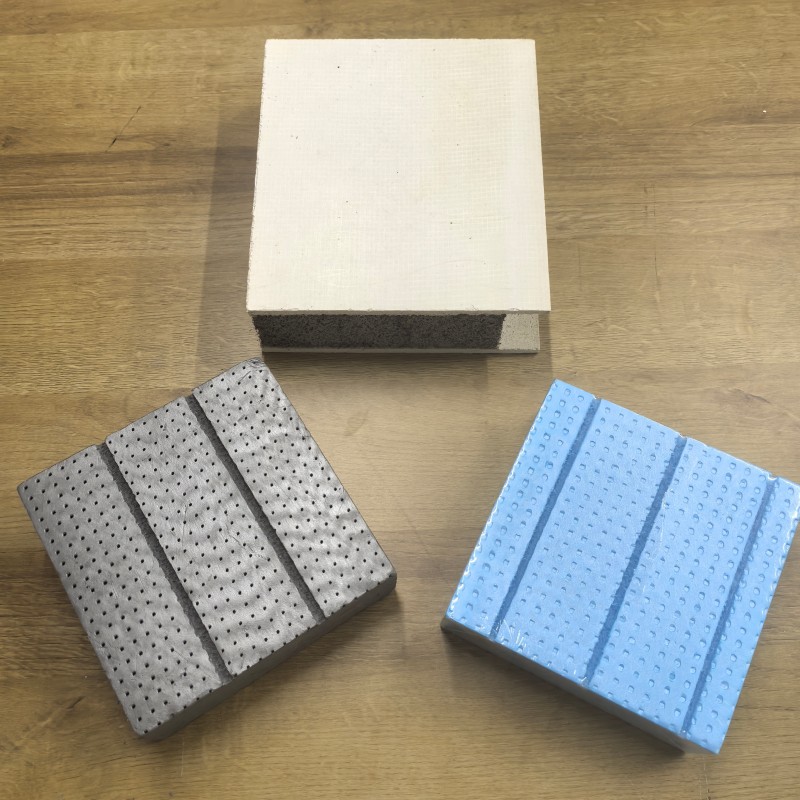 Environmental Building Board
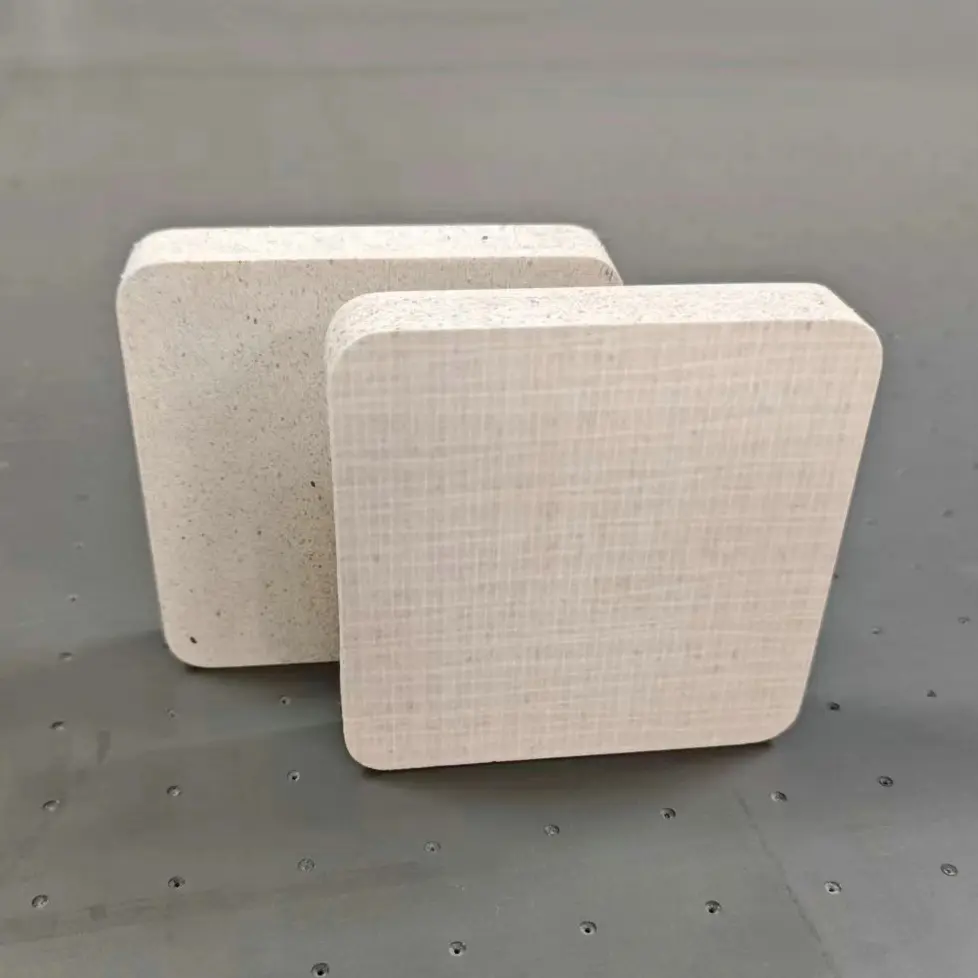 Fire-proof Board
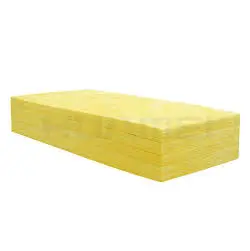 Sound Resistance
 Termite Resistance